Yunnan Small-Bean Coffee: Pour-Over Flavor and Variety Guide
Introduction: An in-depth analysis of the flavor characteristics and growing background of Catimor, Yunnan's dominant coffee variety, with a detailed introduction to how Baoshan's washed processing affects the cup. Professional pour-over parameter recommendations and brewing techniques help coffee lovers precisely grasp the distinctive aroma layers and balance of this domestic specialty bean, mastering the core appeal of Yunnan small-bean coffee from variety to brewing.
Pour-over is a brewing method that clearly reveals a coffee bean's regional flavors, and as the water temperature changes, black coffee displays rich layers. When Yunnan small-bean coffee is extracted by pour-over, its distinctive flavors are especially evident. Before discussing specific flavors, it is necessary to first understand the varietal characteristics of Yunnan small-bean coffee.
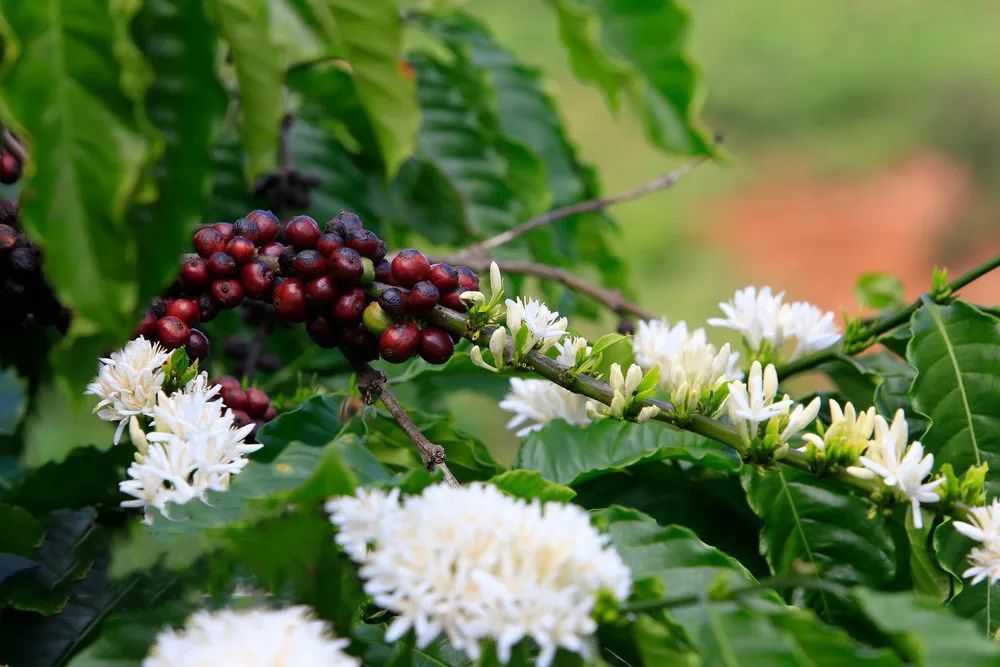
Currently, more than 90% of the coffee beans in Yunnan's producing regions belong to the Catimor variety. This variety, bred by crossing Timor (a leaf-rust-resistant variety) with Caturra (an Arabica branch), is essentially a hybrid descendant of Arabica and Robusta. While it inherits Robusta's strengths of strong disease resistance and high yield, it also brings controversy in terms of flavor.
The breeding history of Catimor dates back to 1959. At the time, the Portuguese coffee research center bred Catimor through hybridization to counter the leaf rust crisis that began in 1861 in the Lake Victoria region of East Africa (a disease that had caused widespread yield losses in coffee-growing regions worldwide), combining disease resistance with a degree of flavor. This variety not only has stronger resistance to coffee berry disease and leaf rust but also features fast fruit ripening and high yield per unit area; however, this also results in insufficient flavor complexity, and improper processing can easily produce bitterness or herbaceous off-flavors.

In its early days, Yunnan mainly grew the traditional Arabica variety Typica, but because of its weak disease resistance and low yield, it was gradually replaced after the disease-resistant, high-yielding Catimor was introduced in 1992. What is now called "Yunnan small-bean coffee" locally actually mostly refers to the Catimor variety widely grown in the Baoshan area. It is worth noting that the Baoshan producing region has accumulated more than 60 years of coffee-growing experience since 1952 and was once rated by the International Coffee Organization as one of "Asia's best coffee-producing regions."
Baoshan is located on a low-latitude plateau and has complex terrain and unique climatic conditions. It has a low-latitude mountainous subtropical monsoon climate, forming a three-dimensional climate characterized by "four seasons on one mountain": an average annual temperature of 14-17°C with significant day-night temperature differences, and annual rainfall of 700-2100 mm that is unevenly distributed. This special environment gives Baoshan small-bean coffee its distinctive bright, sweet aftertaste.
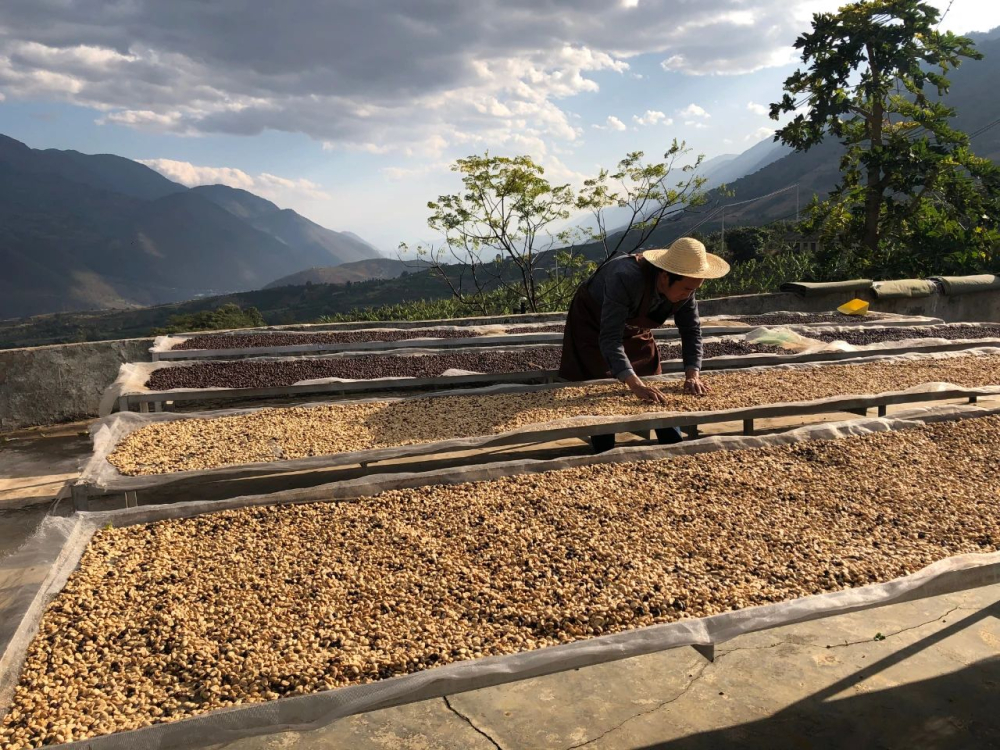
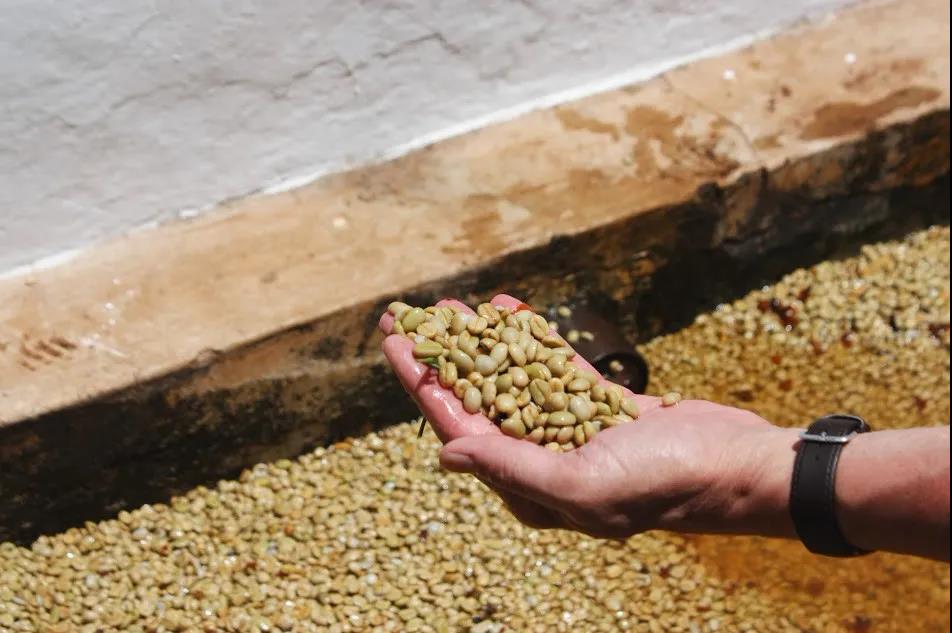
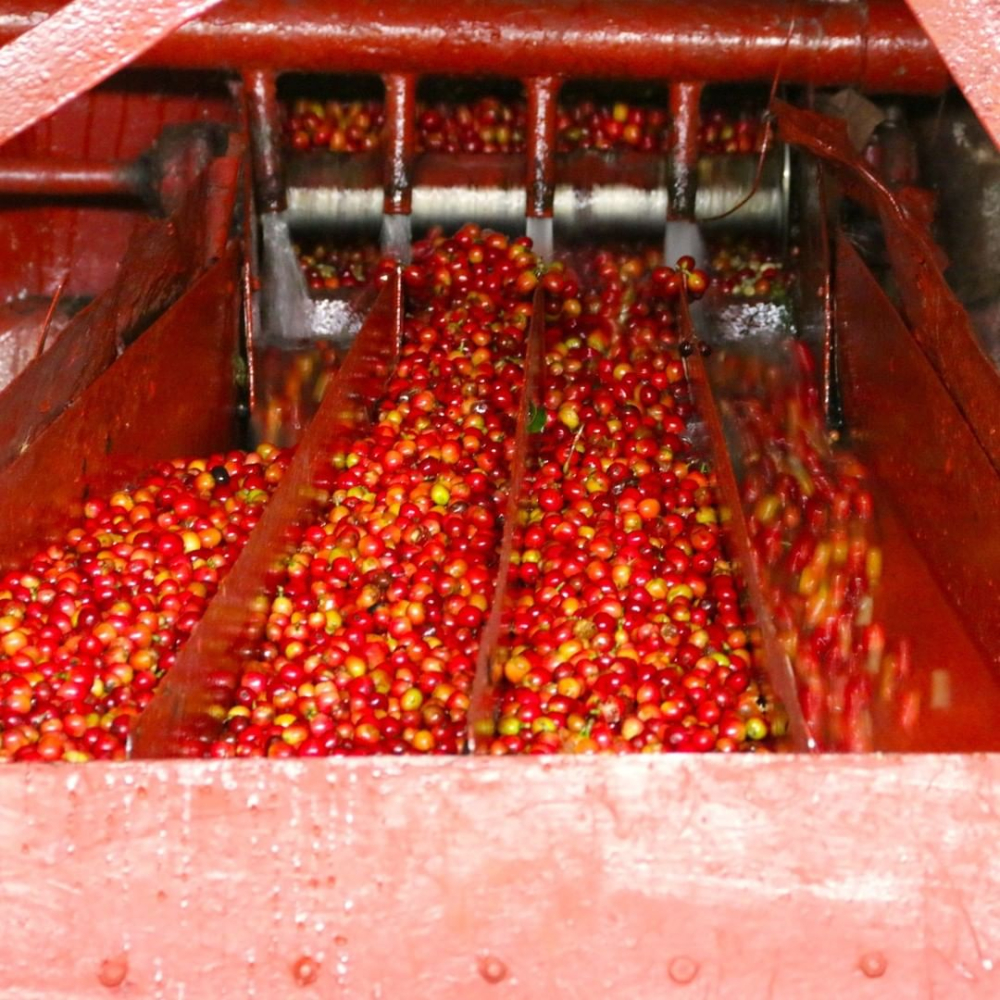
In response to Yunnan's relatively long rainy season, local coffee farmers generally use the washed processing method. The specific process includes: first removing the skin and pulp by machine, placing the mucilage-covered coffee beans in a fermentation tank to break down the pectin layer, then rinsing repeatedly with clean water until the pectin is completely removed, and finally drying in the sun for 1-2 weeks. This method ensures the beans' cleanliness and acidity expression while reducing the defect rate.
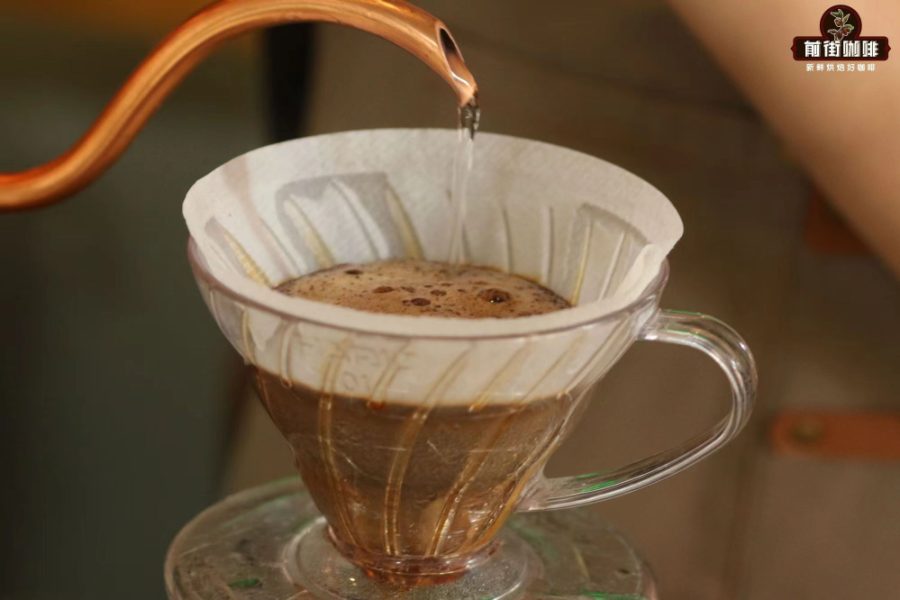
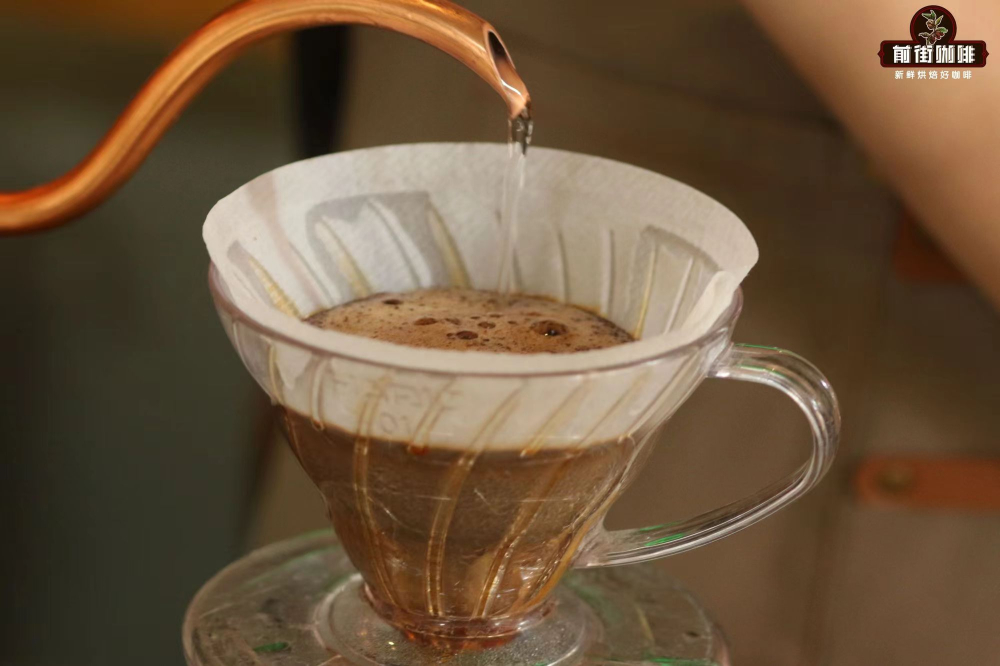
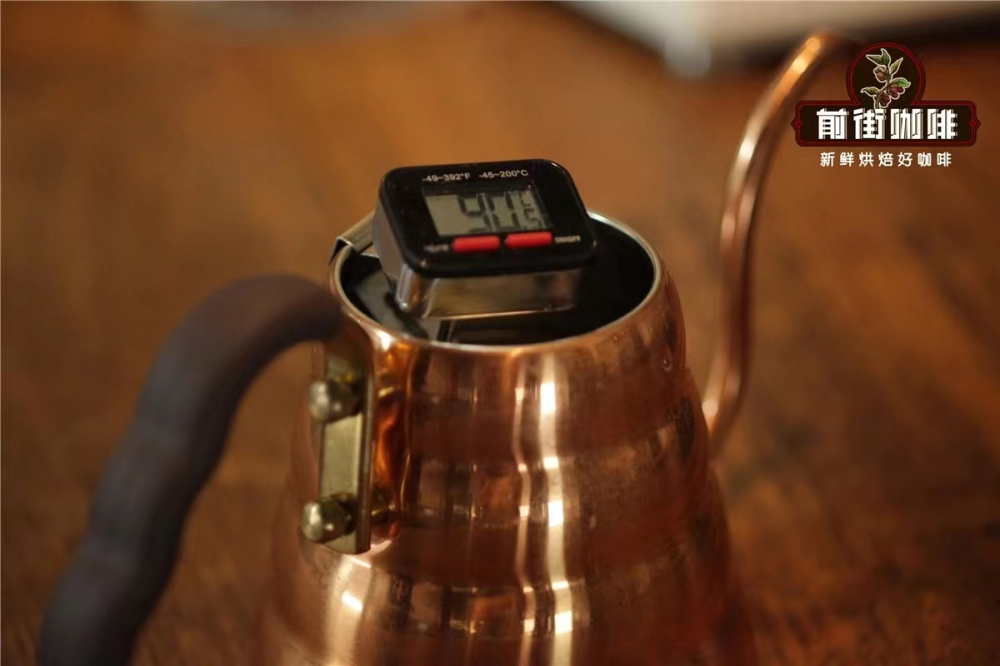
When brewing Yunnan small-bean coffee by pour-over, a medium roast is recommended to balance full-bodied aroma with lively acidity. The peak flavor period is 4-7 days after roasting; after more than a month and a half, woody off-flavors may appear. Recommended professional brewing parameters are as follows: use a Hario V60 dripper, 15 g of coffee, water temperature 90°C, grind size set to 75% passing a No. 20 sieve (equivalent to medium-fine). Use a three-stage pouring method—first pour 30 ml of hot water and bloom for 30 seconds, then pour in a slow circular stream to 125 ml in stages, and when the coffee bed drops to the middle of the dripper, continue pouring to a total of 225 ml; total extraction time is about 2 minutes.
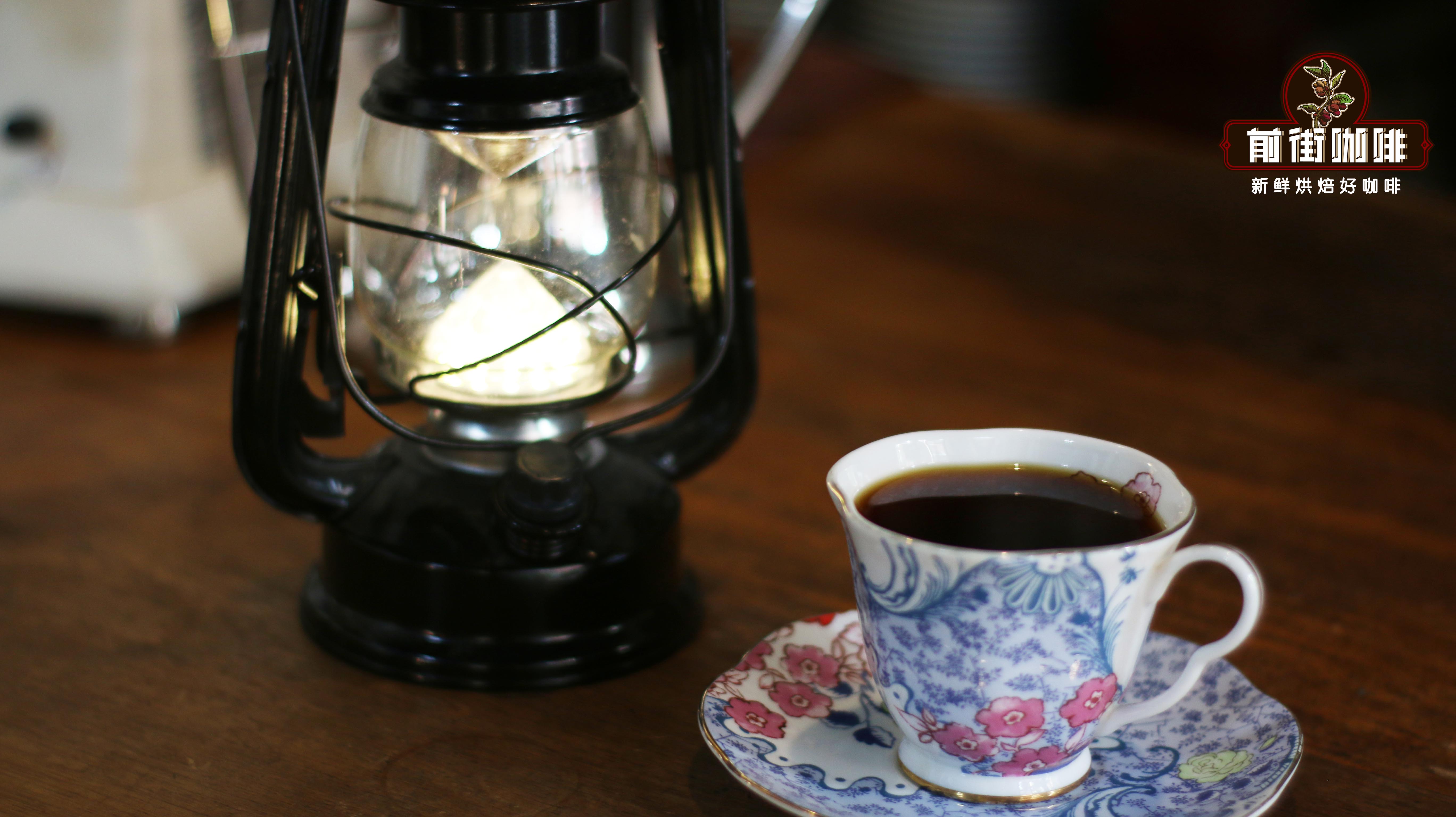
 The brewed Yunnan small-bean coffee shows a distinct nutty aroma, with a complex blend of herbaceous plants, chocolate and caramel on the palate, and a moderate fruity acidity in the finish. The overall mouthfeel is clean and balanced, with good harmony between bitterness and sweetness. For first-time tasters, note the following key points: washed Yunnan beans should avoid over-extraction to prevent prominent bitterness; if using a flat-bottom dripper, the grind can be adjusted coarser; beans purchased during the rainy season are best rested for 10-14 days.