Coffee Roasting: Golden Time Control from Yellowing to First and Second Crack
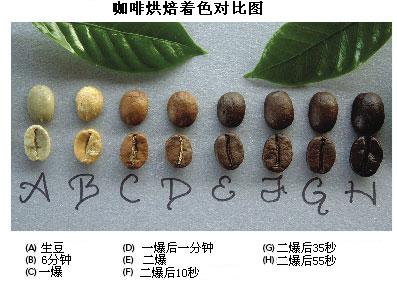
Introduction: Learn the core stages and key parameters of specialty coffee bean roasting, and master the precise time intervals and temperature control techniques for the yellowing point, first crack and second crack. This article explains the scientific principles of moisture evaporation, caramelization reactions and the two cracks during the 12-16 minute roasting process, helping you accurately determine the ideal drop time for light, medium and dark roasts and improve consistency in home roasting and cafe output.
[Roasting Fundamentals] Coffee roasting is essentially the process of using high-temperature heat conduction to awaken the flavors of green beans. The whole process takes about 12-16 minutes, completing moisture removal and material transformation at a high temperature of 232°C. Unlike cooking and seasoning, it relies purely on heat to heat each bean evenly, ultimately forming a unique balanced system of acidity, sweetness and bitterness.
[Identifying the Initial State] Fresh green beans contain about 10% moisture and often carry grassy, raw notes or fermented off-flavors. Before roasting, make sure the temperature difference between the beans and the environment is stable. It is recommended to use a professional roaster or a thick-bottomed cast iron pan with a diameter of no more than 20cm to ensure even heat distribution.
[Key Points of the Dehydration Stage] The first 3-5 minutes after ignition are the dehydration period. The bean surface temperature rises from room temperature to about 100°C, and the bean color changes from green to yellowish brown. During this stage, continuous and even stirring is required to avoid local overheating. At this time, moisture inside the beans is rapidly released as steam, laying the foundation for the subsequent Maillard reaction.
[Techniques for Judging the Yellowing Point] When the beans show an even light yellow color and give off a grainy aroma, it marks the completion of dehydration. At this point the temperature is about 120-140°C, and the heating rate must be closely monitored; too fast can scorch the bean surface while the inside remains underdeveloped.
[The Scientific Window of First Crack] When heating continues to 190-200°C, the pressure of carbon dioxide and water vapor inside the beans breaks through the cell wall limit, triggering the first dense cracking sound. This stage lasts 40-60 seconds. It is recommended to record the time difference from the start to the end of cracking—a high-quality light roast should be achieved at a cumulative roast time of 8-10 minutes, when the bean color turns reddish brown and acidity and aromatic compounds reach a golden ratio.
[Controlling the Interval from First to Second Crack] After first crack ends, the temperature continues to climb to 205°C, and after a 2-3 minute buffer period it enters the second crack stage. The second cracking sound is finer and sharper, occurring in the 225-230°C range, about 1 minute 30 seconds to 2 minutes after first crack. This window directly affects the coffee's body and bitterness intensity.
[Warning at the Dark Roast Critical Point] When the temperature exceeds 235°C after the peak of second crack, oil begins to seep from the bean surface along with thick smoke. If roasting continues above 240°C, it enters the very dark roast range, where the risk of carbonization increases sharply. In a home environment, it is recommended to stop heating early to avoid safety hazards.
[Stage Conversion Reference Table] Light roast (start of first crack): bright acidity, clear sweetness; medium roast (middle to late first crack): balanced and full-bodied; dark roast (after second crack): intense bitter aroma. Precisely controlling the time nodes of each stage allows you to adjust roasting strategies for different brewing methods (for example, pour-over prefers medium-light roasts, while espresso tends toward medium-dark roasts).
[Notes for Home Roasting] When using simple equipment, it is recommended to take a sample every 30 seconds to observe color changes, while using hearing to judge crack density. Avoid direct open-flame heating, which causes uneven heating. The best practice is to use a dual mode of hot air circulation plus bottom auxiliary heating to ensure a smooth heating curve transition.


