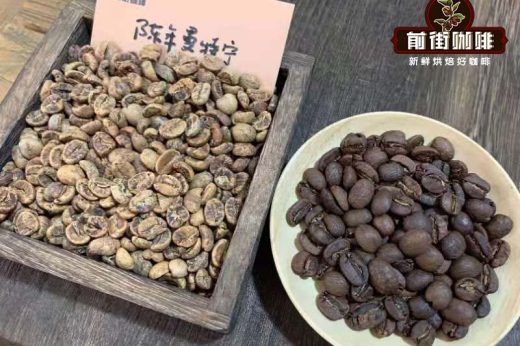
Timor-Leste Kopi Luwak: How to Spot Real vs. Fake and Taste Differences

Introduction: Kopi luwak has drawn attention due to production controversies, but Timor-Leste's wild civet coffee is produced sustainably and humanely, with a unique flavor that supports the local economy. This article takes you through the real story of Timor-Leste's kopi luwak, compares its flavor differences with Indonesian kopi luwak, and explores the unique appeal of this special coffee along with key points for buying it.
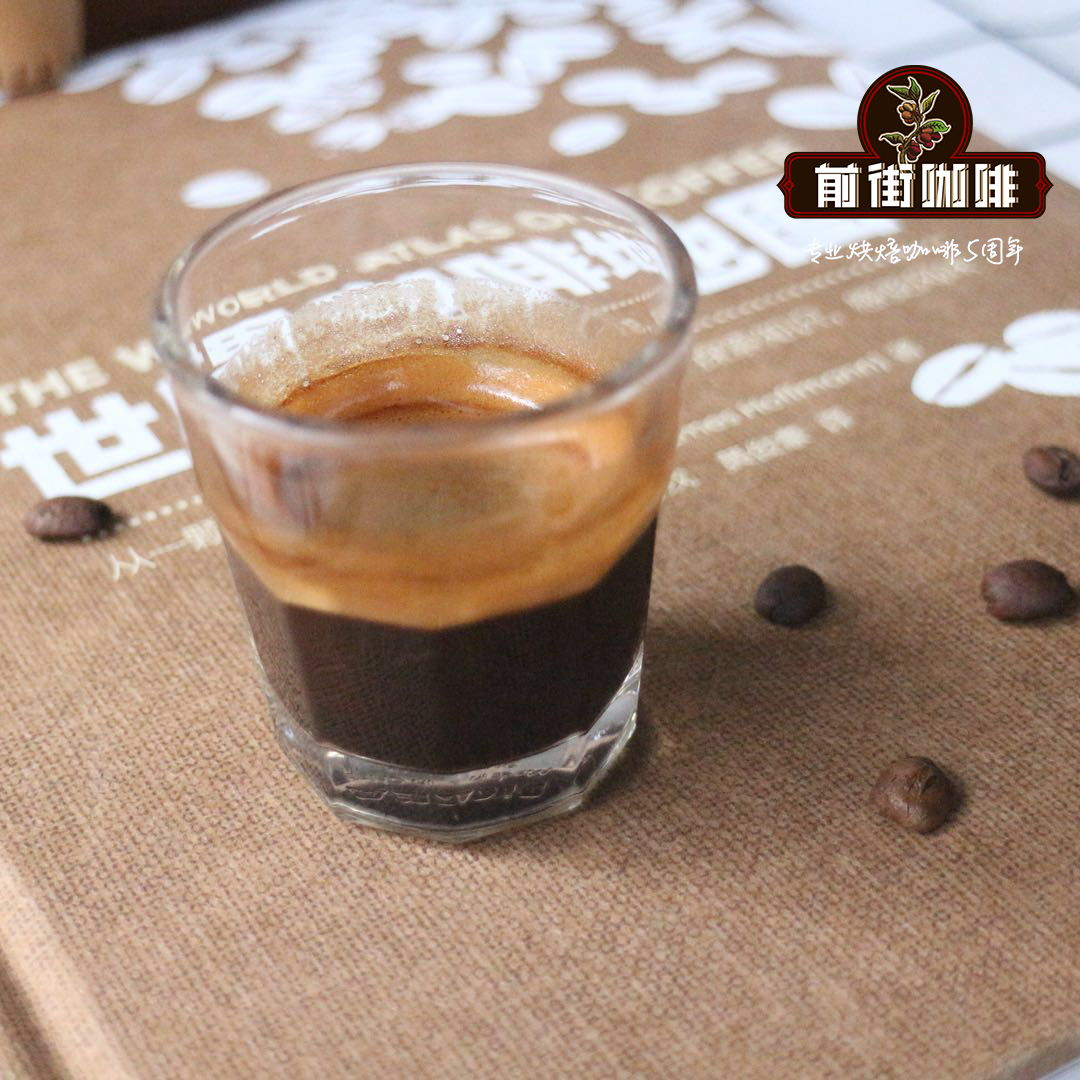
Kopi luwak, known scientifically as Kopi Luwak, is famous for its unique fermentation process and rarity, but in recent years it has sparked controversy over alleged cruelty to civets during production. However, in Timor-Leste, there is a different kind of kopi luwak that not only avoids these controversies but also helps local farmers improve their lives. This coffee is naturally eaten by wild civets as ripe coffee cherries and excreted, preserving a unique flavor while also maintaining ecological balance.
Two visitors from Hong Kong—Edwin Lee (Li Jianming), founder of Colour Brown Coffee, and former war correspondent Daniel Groshong—came across the delicate relationship between local farmers and wild civets during an in-depth visit to the mountainous regions of Timor-Leste. They found that farmers often pick unripe cherries early to prevent civets from stealing coffee beans, which lowers coffee quality. In fact, civets prefer ripe coffee cherries, and these naturally selected fruits, after passing through the civet's digestive system, actually yield coffee beans with better flavor.
The digestive process of wild civets is the key to the unique flavor of Timor-Leste's kopi luwak. The coffee cherries are fermented by its gastric juices, and some proteins are broken down, releasing more free amino acids, which reduces the bitterness of the final coffee and makes the flavor rounder and softer, with a distinctive sweetness and full body. Although this natural fermentation method does not fall within the traditional specialty coffee category, it is highly praised for its distinctive mouthfeel.
Compared with the common kopi luwak production methods in Indonesia, the Timor-Leste model is more natural and humane. Some Indonesian producers keep civets in small cages, restricting their movement and force-feeding them coffee beans—a method that is not only unfair to the animals but also affects the coffee's natural flavor. In Timor-Leste, civets roam freely in the natural environment and eat a diverse diet that includes coffee cherries, and the naturally excreted coffee beans are of higher quality. Edwin emphasizes that ensuring civets consume a balanced diet, such as natural sugars from fruits, helps enhance the complexity of the coffee's flavor.
Timor-Leste's kopi luwak is not only unique in flavor but also carries significance in supporting local communities. Edwin and Daniel brought back kopi luwak collected by local farmers and helped improve farmers' lives through fair trade. They also introduced manual hulling machines and built sun-drying beds and storage facilities to raise the overall level of coffee production. Former President of Timor-Leste and Nobel Peace Prize laureate José Ramos-Horta also expressed recognition and gratitude for their efforts.
For consumers, how can you distinguish genuine Timor-Leste kopi luwak from ordinary kopi luwak? First, Timor-Leste kopi luwak usually comes from wild civets rather than captive-bred ones. Second, its flavor is more natural and layered, with notable sweetness and low bitterness. When buying, it is advisable to choose products with a transparent supply chain that prioritize animal welfare and sustainable production, and avoid supporting production methods that involve animal cruelty.
Timor-Leste's kopi luwak is not just a beverage but a story about harmonious coexistence between nature, people, and animals. It reminds us that behind coffee there is not only flavor but also production methods, animal welfare, and social responsibility. Next time you taste kopi luwak, take a moment to learn more about its origin—perhaps you too can taste the sunshine of Timor-Leste's mountains and the freedom of the civets.