Pour-Over Coffee Bean Buying Guide and Gear Pairing Tips for Beginners
Introduction: Choosing coffee beans suitable for pour-over requires comprehensive consideration of roast level, origin flavor and personal taste preferences. This article systematically reviews the characteristics of classic bean varieties from representative producing regions on three continents, explains in detail the extraction differences between light and dark roasts, and provides pour-over gear selection options and basic brewing parameters to help coffee enthusiasts precisely match their flavor needs and establish a scientific logic for bean selection and brewing.
Faced with the common question "should pour-over use light or dark roasted coffee beans," in fact both roast levels can present unique regional flavor characteristics. Light roasts usually retain more floral and fruity acidity and the original characteristics of the green bean, suitable for those pursuing a bright mouthfeel; dark roasts develop caramelized substances, bringing mellow sweetness and low acidity. The key is to choose according to your own preference for acidity, sweetness and body.
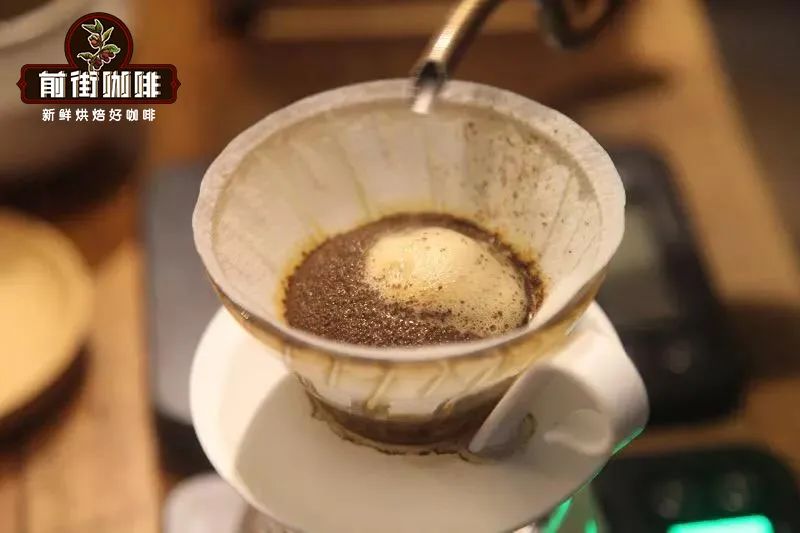
Global specialty coffee producing regions are mainly concentrated in three major blocks: Africa is known for citrus notes and floral aromas, the Americas lean toward a balanced nutty-chocolate character, and Asia displays mellow herbal characteristics. By understanding the flavor maps of representative regions in each producing area, you can quickly locate the type of coffee that meets your expectations.
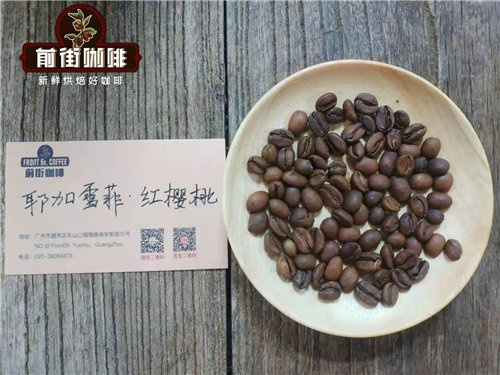
For African producing regions, Ethiopia tops the list—the modern coffee gene pool. The washed beans from the country's Yirgacheffe region are known for citric acidity and jasmine aroma (such as the well-known Gudingding area), while naturally processed beans from Sidama often carry blueberry and red wine finish. Kenya uses the unique K72 washing process to produce distinctive beans with tomato acidity and black tea sweetness, and their brightness of acidity is highly regarded in the industry.
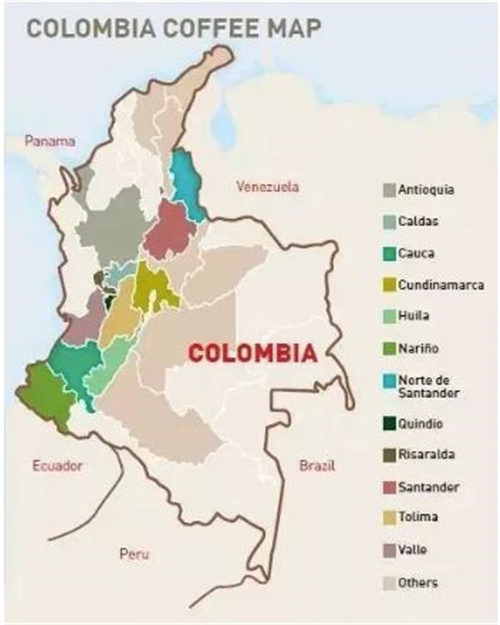
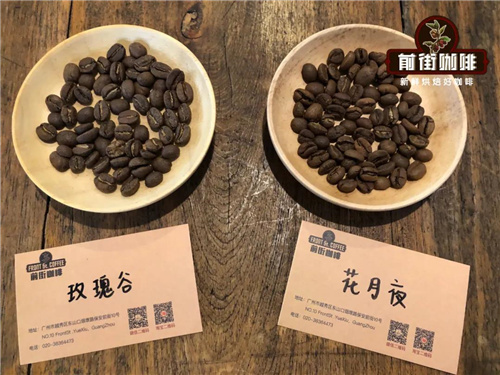
In the Americas block, Colombia produces extremely high-density coffee beans thanks to its high-altitude growing advantages. Taking the Huila region as an example, its typical flavor combination includes a three-stage layering of almond, dark chocolate and caramel; the Huayueye variety presents complex strawberry jam and honey sweetness through special anaerobic fermentation. Panama's Hacienda La Esmeralda Geisha series is even more distinctive: the red label batch emphasizes rose, citrus and tropical fruit explosiveness, while the green label focuses on jasmine tea and honey finish; different processing methods directly affect acidity intensity and sweetness duration.
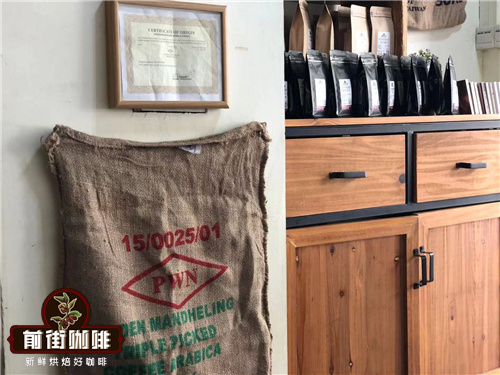
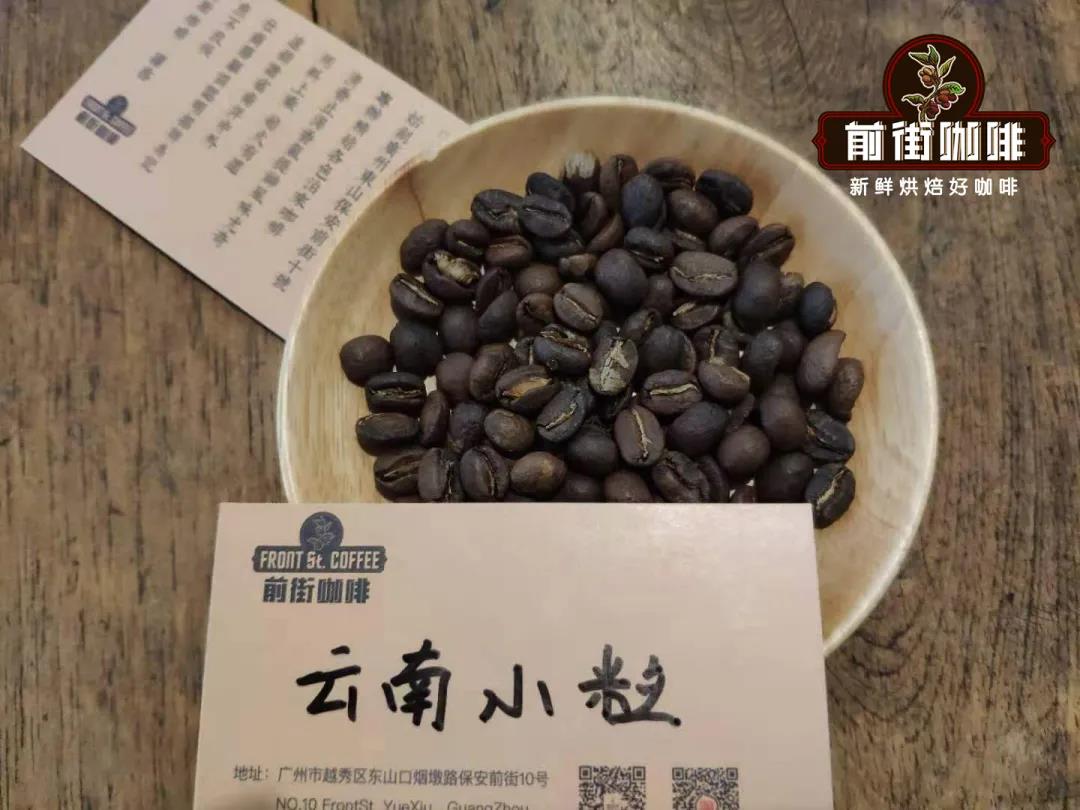
For Asian producing regions, Indonesia and Yunnan, China are recommended. The Mandheling family includes Golden Mandheling (clean and balanced), Aged Mandheling (mellow woody notes) and other diverse types, while Tiger Mandheling is known for its strong spice notes. Yunnan arabica has improved significantly in quality in recent years, commonly showing a combination of plum acidity and black tea finish; planting altitudes generally exceeding 1,500 meters ensure flavor complexity.
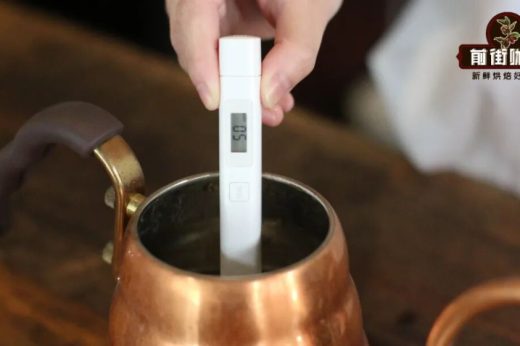
The core of the pour-over gear system lies in precise control of grind size and water temperature. It is recommended to use 88-92°C water with a medium-fine grind (similar to the texture of fine granulated sugar) for light roasts, while dark roasts require lowering to 84-88°C and a coarser grind. Although manual grinders require more physical effort, they avoid the overheating problem caused by the high-speed rotation of electric models and preserve flavor freshness.
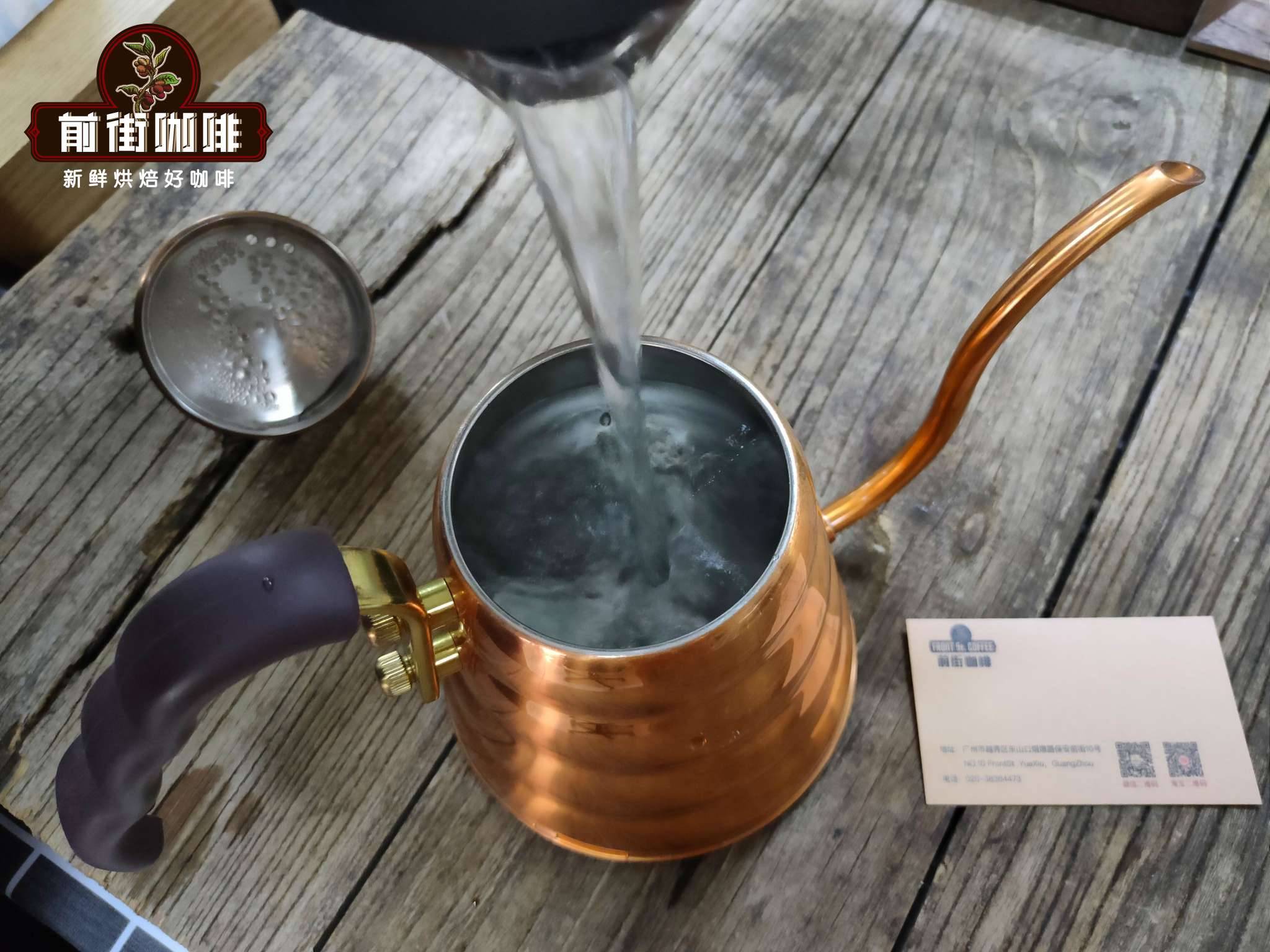
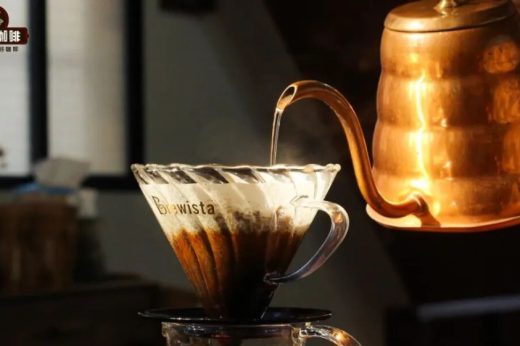
The choice of pour-over kettle directly affects pouring stability. Beginners are advised to use a gooseneck kettle (spout diameter ≤4mm) to facilitate control of flow rate and coverage. Advanced players can try adjusting the three-stage pouring parameters: first pour 30ml of hot water and bloom for 30 seconds to release aroma, then pour in a small stream in circles to 125ml, and finally fill to a total water volume of 225ml. As for dripper material, ceramic drippers have good heat retention and suit dark roasts, while metal drippers flow faster and suit light roasts for those seeking a crisp mouthfeel.
Flavor-preference-oriented bean selection strategy suggestions: those who prefer fruity acidity can prioritize Ethiopian natural or Colombian Huayueye; those who love sweetness and a mellow body can choose Panama Geisha red label or Indonesian Golden Mandheling. Pay attention to the roast date; freshly roasted coffee beans (recommended for use within 7-21 days after roasting) can maximize flavor potential.