How to Choose Pour-Over Coffee Beans: Global Flavor Guide for Beginners

Introduction: When faced with pour-over coffee beans from different regions around the world, how do you find the one that matches your personal taste preferences? This article starts with the three major coffee regions—Africa, Central and South America, and Asia—explaining the typical flavor characteristics of each region. It combines specific flavor descriptions such as citrus notes, nutty-chocolate profiles, and full-bodied low-acid styles to help beginners quickly build a flavor understanding framework, and provides practical brewing parameter suggestions for different roast levels.
The flavor diversity of single-origin coffee makes choosing beans suitable for pour-over an interesting but rather challenging task. From a geographical perspective, African coffees are usually known for bright fruity acidity and floral aromas, such as the common jasmine and citrus notes; Central and South American beans often present a more balanced mouthfeel, with nut, caramel and chocolate aromas interwoven; Asian regions are mainly characterized by a full, rich body, with lower acidity and a unique sweet-bitter charm. Understanding these basic flavor frameworks can help you more efficiently screen for the beans you like.

The flavor differences among African beans are particularly striking. Take Ethiopia as an example: coffees from this region often have signature citrus acidity—some classic lots clearly present a fresh lemon-like acidity, accompanied by elegant jasmine aromas, making them ideal entry-level choices for pour-over beginners. Kenyan beans, also from Africa, show a completely different acidity profile: their berry notes and fresh fruit acidity reminiscent of cherry tomatoes form a sharp contrast with Ethiopian citrus acidity, and are worth tasting side by side.
For consumers who prefer low acidity or a full-bodied mouthfeel, coffees from Asian regions are more appealing. Representative beans from this region are usually dark-roasted, presenting rich flavors after caramelization. Specifically, some Indonesian beans have complex aromas of toast and pine, while others highlight a blend of herbal notes and dark chocolate. It should be noted that dark-roasted beans are more sensitive to water temperature and brewing rhythm. It is recommended to use a water temperature of around 88°C and control the extraction time to about two minutes; water flow that is too fast or too slow may cause excessive release of bitter compounds.
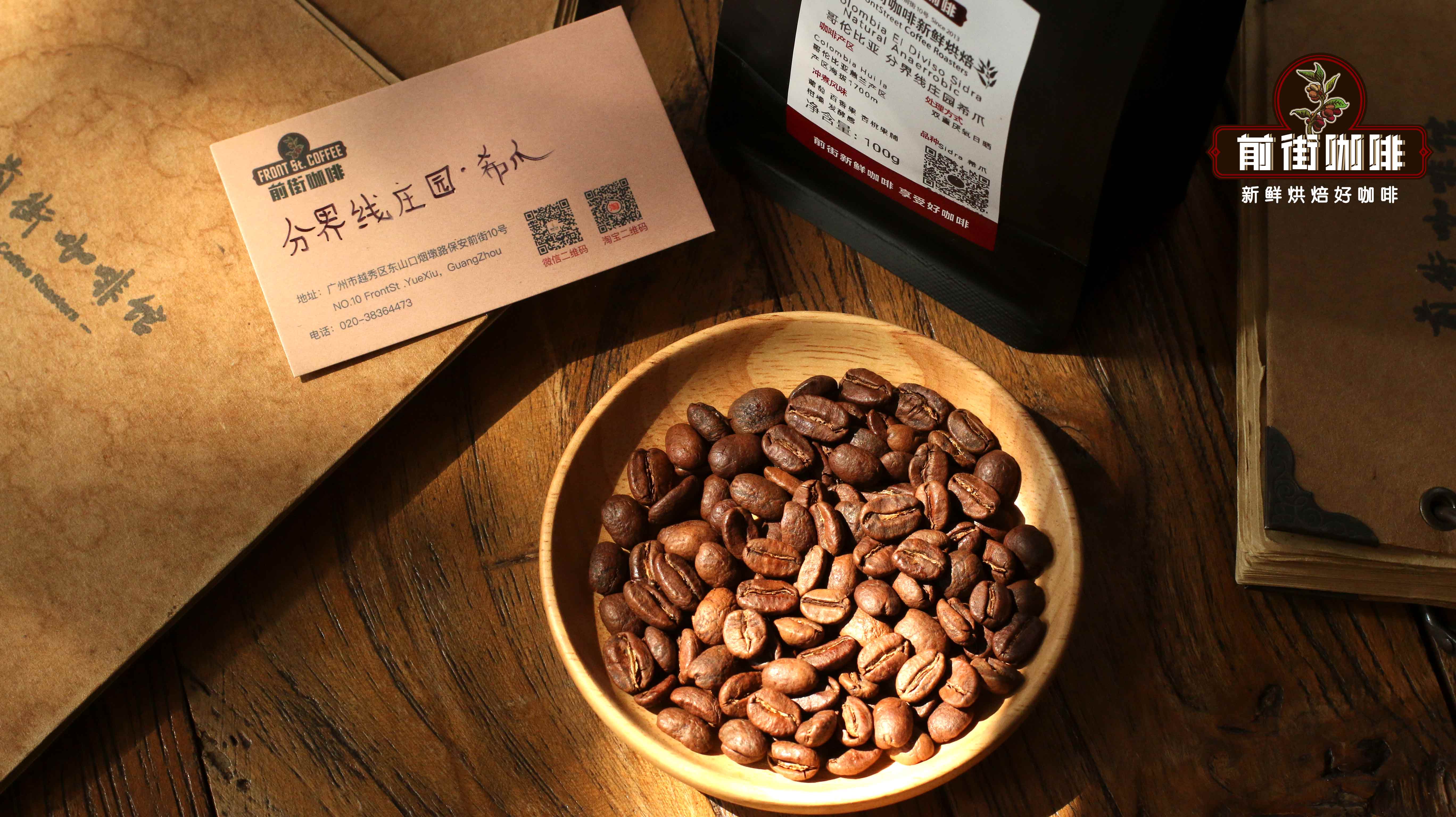
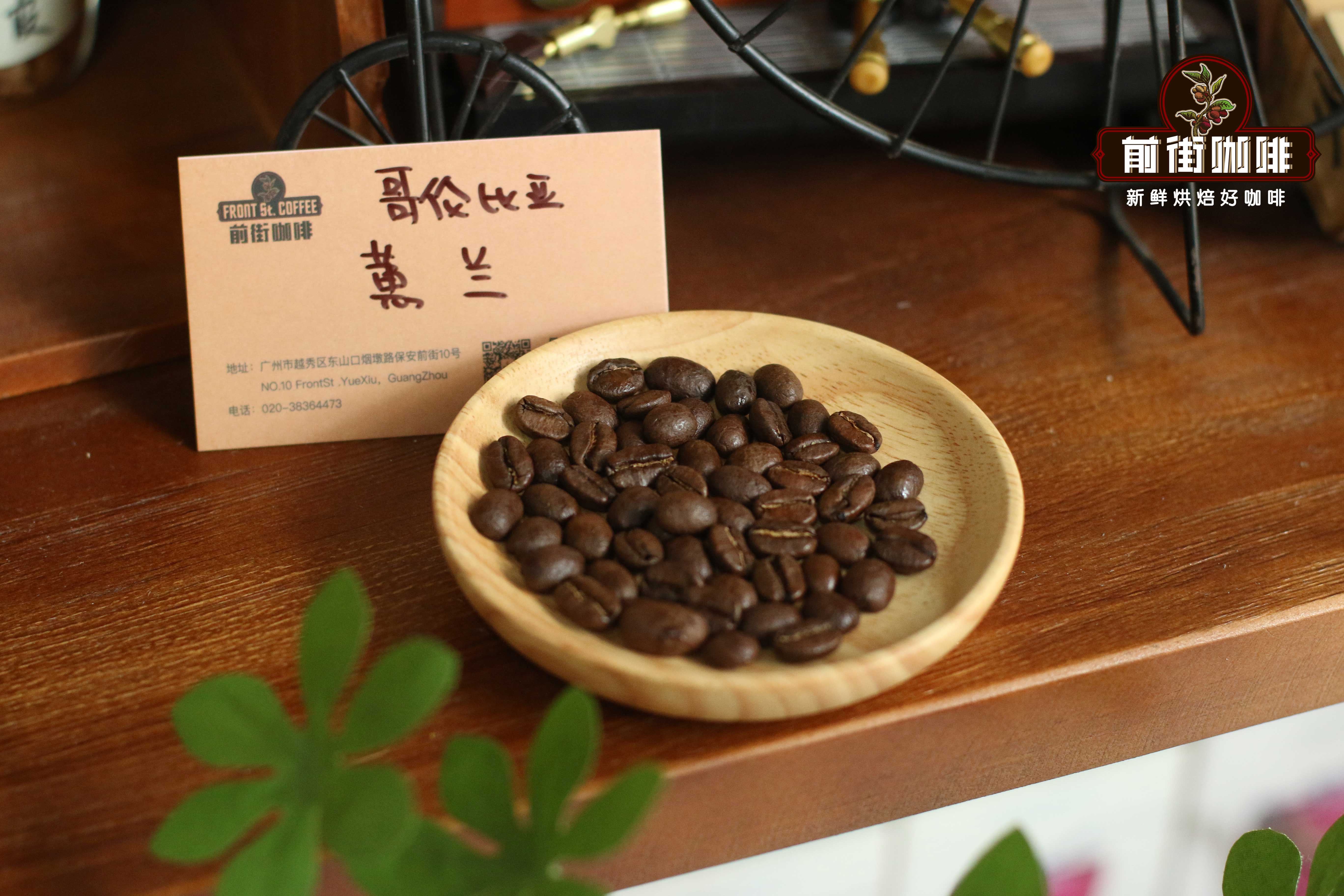
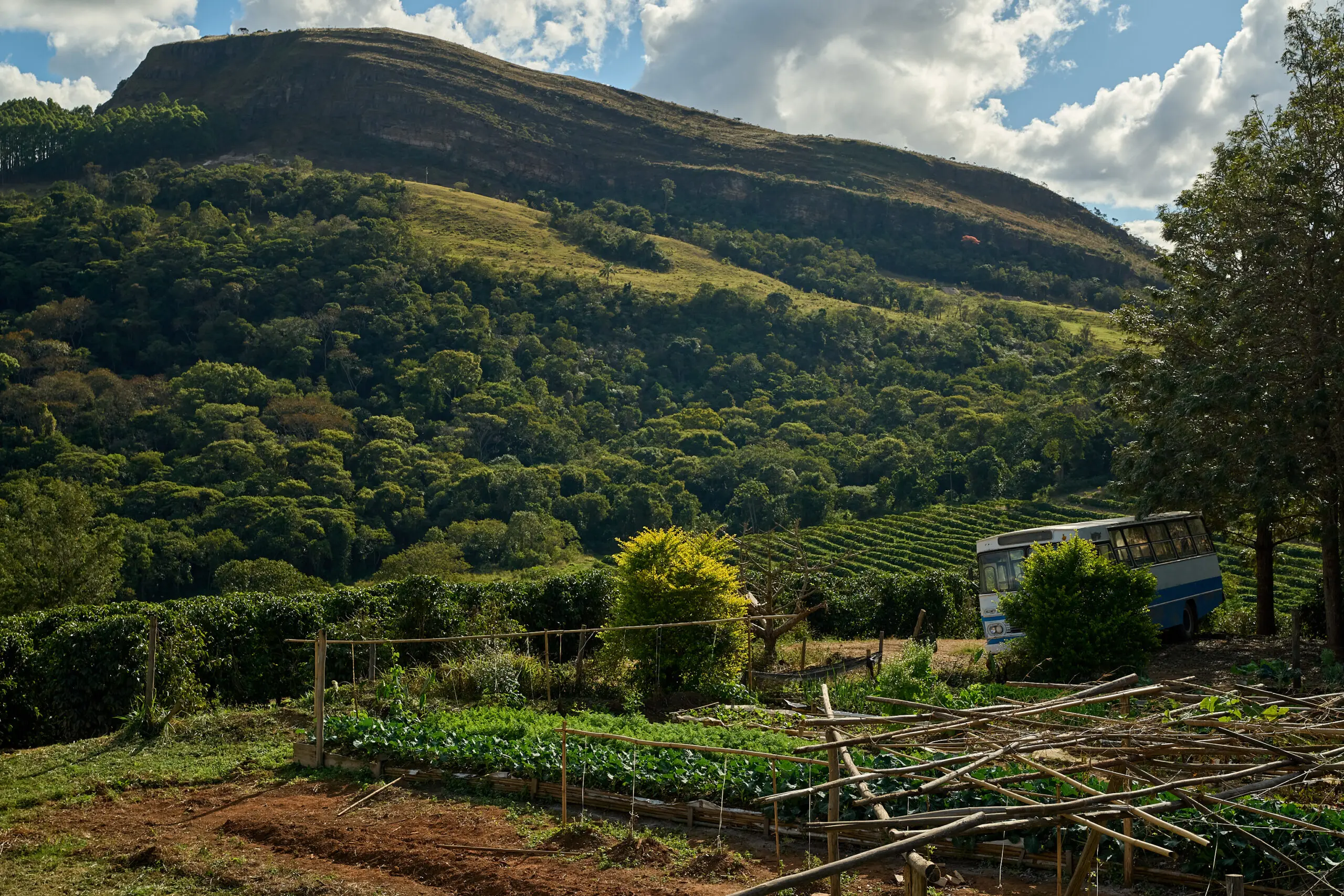
If you are looking for broader adaptability, Brazilian and Colombian beans from Central and South America are good transitional choices. Coffees from both countries are centered on a nutty base and chocolate flavors, but the details differ noticeably: Colombian beans, grown on high-altitude steep slopes where day-night temperature differences promote the accumulation of flavor compounds, often combine soft fruity acidity with caramel sweetness; Brazilian beans, mostly grown on plains, have a relatively heavier flavor, with more prominent peanut and creamy notes. In actual brewing, Colombian beans usually have a better body than Brazilian beans.
Once you are familiar with the basic regional flavors, you can further explore specialty beans with distinctive processing methods. For example, Panama's Butterfly blend presents layered flavors by mixing bean varieties from different altitudes; Costa Rica's Musician series honey-processed beans are known for their sweetness-forward tropical fruit notes. In addition, special lots released by some estates, such as natural-process lots with unique fermented aromas or aromatic Geisha series, can provide more personalized flavor experiences for experienced enthusiasts.
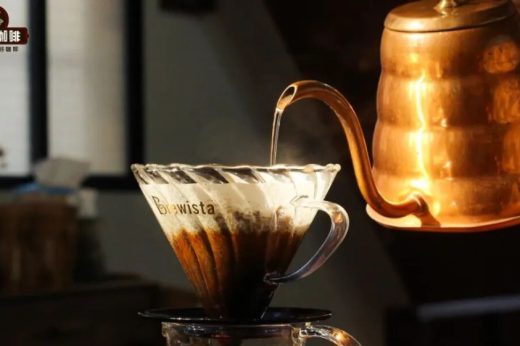
It is worth noting that the choice of coffee equipment directly affects the final extraction result. Light-roasted beans require a higher water temperature (usually 90-93°C) to fully bring out acidic and aromatic compounds, while dark-roasted beans should use a lower water temperature (88-90°C) to avoid over-extracting bitterness. Water flow speed and grind size need to be adjusted together according to the coffee-to-water ratio (commonly 1:15-1:16). A coarse grind with slow pouring is suitable for highlighting clarity, while a fine grind with a steady flow is more conducive to extracting body. Beginners are advised to start with standard parameters and gradually fine-tune based on actual flavor feedback.
From beginner to advanced, the joy of pour-over coffee lies in building a personal flavor database through continuous experimentation. Whether you prioritize the lively acidity of African beans, the balanced richness of Central and South American beans, or explore the deep layers of Asian beans, understanding the connection between regional characteristics and processing methods is key. When you can clearly describe the flavor dimensions you like (such as acidity brightness, sweetness intensity, or body), you can more precisely match suitable beans and brewing plans.
Finally, a reminder: the potential of high-quality coffee beans needs to be realized through scientific brewing. In addition to water temperature and time, factors such as the uniformity of contact between coffee and water and the adequacy of the blooming phase are equally important. It is recommended to use a digital scale and thermometer to precisely control variables and record the parameter combinations and flavor impressions of each brew. This will significantly deepen your understanding and control of pour-over coffee.