How to choose Starbucks pour-over coffee beans: 13 flavor profiles and low-bitterness picks
Introduction: Not sure where to start with Starbucks' 13 pour-over coffee beans? This article breaks down each bean's origin, roast level and flavor characteristics to help you find one that suits your taste. From bright, acidic Kenyan beans to full-bodied Sumatra, it also rounds up low-bitterness options with soft acidity and a gentle mouthfeel, and analyzes the distinctive flavors of each major producing region, so you can pick your ideal pour-over with ease.
Starbucks pour-over coffee is popular among coffee lovers, but faced with the 13 coffee beans on display in stores, many people often don't know how to choose. This article ranks the beans by flavor, from pronounced acidity to full body, to help you quickly understand each bean's characteristics and find the one that best suits your taste.
Based on overall flavor performance, the recommended ranking of these 13 coffee beans is: Kenya coffee beans (bright acidity) < Ethiopia coffee beans (fresh fruity aroma) < Breakfast Blend coffee beans (balanced and easy to drink) < House Blend coffee beans (mild and balanced) < Pike Place Roast coffee beans (light roast) < Colombia coffee beans (nutty and chocolatey) < Guatemala Antigua coffee beans (smoky nuts) < Anniversary Blend coffee beans (soft fruity aroma) < Decaf Sumatra coffee beans (low stimulation) < Verona coffee beans (rich chocolate) < Sumatra coffee beans (full-bodied, earthy) < Espresso Roast coffee beans (dark roast) < Italian Roast coffee beans (most intense).
Most of these coffee beans are blends, made by mixing beans from different regions of the same country or from different countries, in order to highlight a particular flavor characteristic. Next, let's look at where these 13 coffee beans specifically come from.
The 13 pour-over coffee beans come mainly from seven major producing regions: Kenya, Ethiopia, Guatemala Antigua, Colombia, Costa Rica, Sumatra in Indonesia, and Yunnan in China. Because of differences in altitude, climate, soil and farming techniques, the beans from each region have their own distinctive flavors. Understanding these regional flavor characteristics can help you better understand and choose the coffee you like.
Coffee flavor is influenced by multiple factors, including altitude, climate conditions, soil characteristics and farming techniques. Among these, coffee variety is also one of the important factors determining flavor. The mainstream coffee variety on the market today is Arabica, and within Arabica there are many sub-varieties, such as Typica and Bourbon, which also differ significantly in flavor. Next, we'll briefly introduce the typical flavor characteristics of each region, divided by continent.
Africa is the birthplace of Arabica coffee, represented by Ethiopia, whose coffee flavors are diverse and uniquely complex. Ethiopian coffee often has pronounced acidity, but this acidity is not sharp; it is refreshing like fruit tea. Most of the coffee trees grown there are natural varieties known as "heirloom," which create complex, ever-changing layers of flavor.
Ethiopia's Yirgacheffe region is known for the washed processing method, which highlights the beans' floral aromas and citrus acidity, bringing a fresh and elegant mouthfeel. It is worth noting that Yirgacheffe originally mostly used natural processing, and only after the introduction of washed technology in 1972 did today's flavor characteristics gradually take shape.
The Sidamo region is located in southern Ethiopia, at altitudes between 1,400 and 2,000 meters, and also mainly uses natural processing. The coffee flavors of this region are very diverse; coffee produced under different soil and microclimate conditions varies significantly, usually with rich fruity aromas and a smooth mouthfeel.
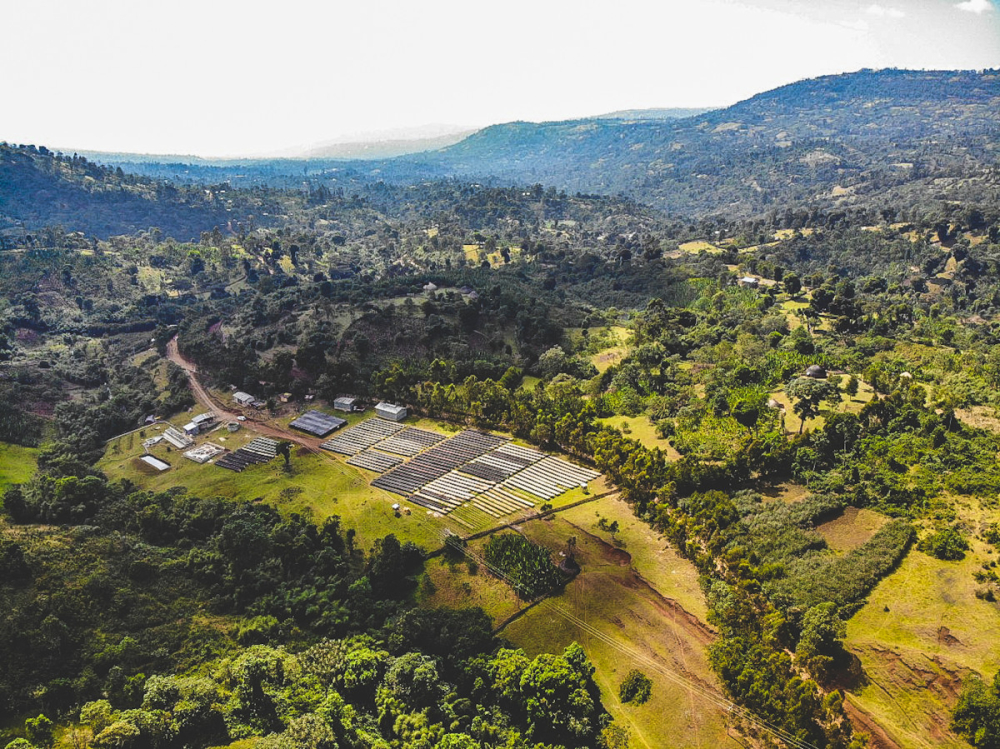
Kenya is another famous coffee-producing country in Africa, with two rainy seasons each year and two coffee harvests, grown mainly in volcanic areas at altitudes of 1,600 to 2,100 meters. The climate conditions here make the beans' fruit acidity fuller and more layered; its acidity is heavier than Ethiopia's, somewhat resembling the richness of tomato juice.
Among Asian producing regions, Sumatra in Indonesia is the best known. Because of the humid climate here, wet hulling is generally used, giving the beans higher body and relatively lower acidity. Sumatra coffee often has complex aromas of spices and herbs; some lower-quality beans may have woody or earthy notes.
China's Yunnan has also become one of the quality coffee-producing regions in recent years, with main growing areas concentrated in Baoshan, Lincang and Pu'er. The altitude here is moderate and the temperature difference between day and night is large; the coffee produced often has melon and fruit freshness, plum-like acidity and brown sugar sweetness, with a full body and pleasant aroma.

Among American producing regions, Colombia is known for its high altitude and fertile volcanic soil; the beans produced have a full mouthfeel with pleasant fruity acidity of nuts, chocolate and caramel. Costa Rica is known for its mild, balanced mouthfeel and unique honey processing, with balanced acidity, sweetness and bitterness and prominent sweetness. Guatemalan coffee often has a distinctive smoky note, which is not unpleasant but adds a unique charm to the coffee.
Overall, if you prefer coffee with low bitterness and soft acidity, you can give priority to beans from Kenya, Ethiopia or Colombia. These beans usually have bright but not overly sharp acidity and a refreshing, pleasant mouthfeel, making them very suitable for people trying pour-over coffee for the first time or preferring lighter flavors. Beans such as Sumatra, Espresso Roast and Italian Roast are better suited to coffee lovers who like full-bodied, intense coffee with a bit of bitterness.
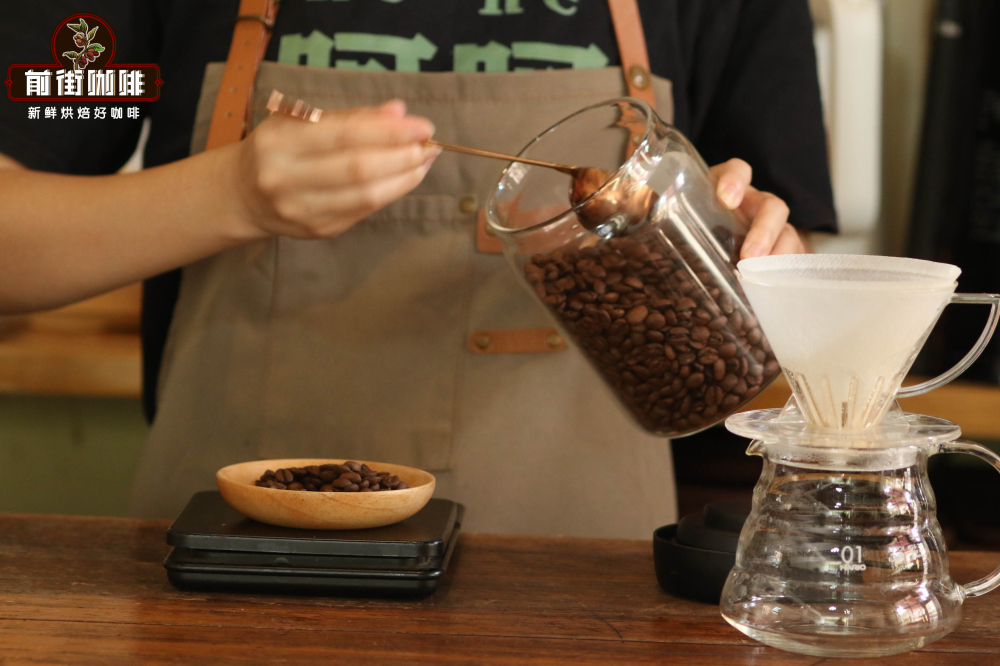
Whichever you choose, the charm of pour-over coffee lies in further drawing out the beans' flavor potential by adjusting parameters such as water temperature, grind size and brewing time. I hope this article helps you better understand the flavor characteristics of Starbucks pour-over coffee beans, so you can find your own ideal cup of coffee.