How to Choose Mandheling, Brazil, and Mocha Beans: A Guide to Origins, Flavors, and Processing
Introduction: Want to understand the differences between Mandheling, Brazil, and Mocha coffee beans? This article takes an in-depth look at the characteristics of these three classic coffee beans, from regional features and flavor profiles to mainstream processing methods. It helps you master extraction parameter recommendations for different coffee beans, learn to choose beans that suit your personal taste preferences, and enhance your tasting experience with pour-over or espresso coffee.
In the coffee world, Mandheling, Mocha, and Brazil represent three distinctly different coffee experiences. Mandheling, as a representative single-origin bean from Sumatra, Indonesia, is known for its low acidity, full body, and herbal notes; Brazil is the world's largest producer of Arabica coffee, with numerous microclimate estates producing a diverse range of flavors from nutty chocolate to citrusy brightness; and Mocha specifically refers to particular bean varieties from Yemen or Ethiopian growing regions, often carrying unique chocolate and spice aromas. It is worth noting that these names may refer to single-origin beans or be used as blending bases.
The formation of coffee flavor is the result of multiple interwoven factors. Altitude directly affects the density and substance accumulation of coffee beans—at high altitudes, thin oxygen prompts coffee trees to grow slowly, allowing the fruit to accumulate richer sugars and aromatic compounds. The choice of processing method is equally critical; from fermentation and drying after coffee cherry harvesting to hulling, every step can significantly change the final flavor direction. The following sections detail three mainstream processing methods and their flavor impacts.
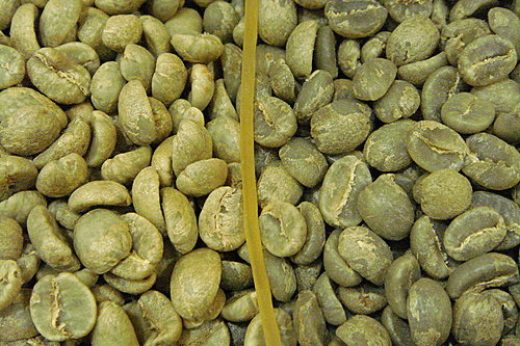
Natural drying method (also known as the dry process) is mainly popular in Brazil and Ethiopia. After manual sorting, ripe coffee cherries are spread directly on raised beds or concrete patios for sun drying, during which they must be turned daily to ensure even drying. This method allows sugars from the fruit pulp to permeate the bean core, giving the coffee intense tropical fruit aromas such as blueberry and mango, along with a wine-like fermented quality. The risk lies in uneven drying, which can easily produce off-flavors; professional processing plants control temperature and humidity through shaded drying sheds, and the ideal moisture content must be reduced to below 11%. This process is particularly suited to drinkers seeking a full body, and is commonly seen in natural-processed Brazilian Yellow Bourbon varieties.
The washed processing method is widely used in Latin America, and its standardized procedure consistently presents the clean flavors of coffee. After harvesting, coffee cherries first pass through a depulper to remove the fruit pulp, and the mucilage-covered bean core enters fermentation tanks to degrade the pectin, usually taking 36-72 hours to complete. This process highlights citrus-like acidity and a black tea finish, such as the washed Geisha from Colombia's Finca Emerald, which often shows a balance of citric acidity and jasmine aroma. Note that excessively long fermentation can lead to over-sourness and astringency; professional processing controls the fermentation process by monitoring pH values.
The honey processing method combines the cleanliness of washed coffee with the sweetness of natural coffee, and is especially brought to its fullest expression in Central and South American growing regions. After removing the outer skin, processors retain part or all of the mucilage layer for drying, and the sticky pectin layer gradually transforms into caramelized flavors under the sun. Light honey processing (about 40% mucilage retained) presents honey sweetness and a black tea quality, while dark honey processing (over 80% retained) develops the rich texture of tropical fruit jam. Yellow honey processed beans from Brazil's Cerrado region are a typical example showcasing nutty chocolate and caramel sweetness.
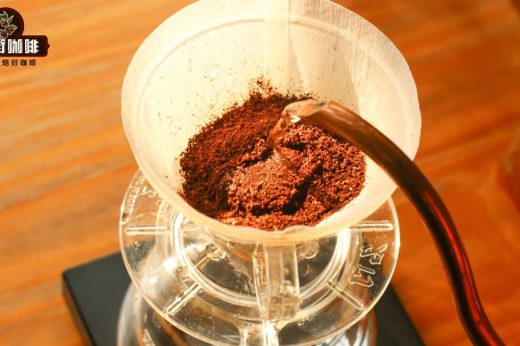
When choosing coffee beans, it is recommended to adjust expectations according to the brewing method: for pour-over single-origin beans, prioritize the combination of growing region altitude and processing method, such as Ethiopian Yirgacheffe washed coffee, which is suitable for showcasing citrus and floral notes; espresso blends often use Brazilian beans as a base, paired with Colombian or Indonesian beans to balance body. Regardless of the choice, fresh roasting (recommended for use within 7-21 days after roasting) and precise grinding are the key foundations for releasing flavor.