Ethiopian Yirgacheffe vs Sidamo: Flavor Comparison and Pour-Over Guide
Introduction: Ethiopia, the birthplace of coffee, is globally renowned for the distinctive floral and fruity notes of its Yirgacheffe and Sidamo regions. This article provides an in-depth analysis of the geographical features, processing differences and flavor profiles of these two specialty regions, helping you distinguish the fresh citrus notes of Yirgacheffe from the rich berry character of Sidamo, and offers professional pour-over parameter recommendations to help you precisely choose the beans you prefer.
On Ethiopia's coffee map, Yirgacheffe and Sidamo are like twin pearls—the former was separated from Sidamo into its own region because of its signature citric acidity and tea-like finish, while the latter retains a fuller berry-juice character. Both are high-altitude specialty regions, yet subtle differences in microclimate and processing give them entirely different layers of flavor.
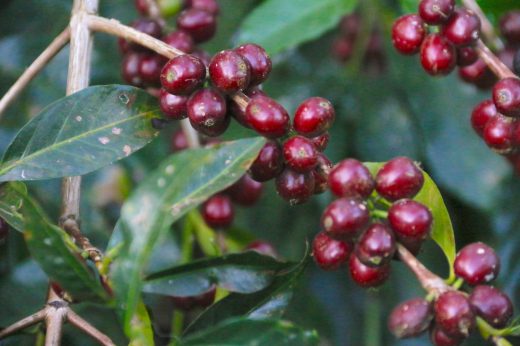
Ethiopia has the world's richest coffee ecosystem, covering four cultivation modes: forest, semi-forest, garden and plantation. Of this, 90% of coffee comes from the garden, forest and semi-forest systems; this smallholder, dispersed cultivation model avoids the drawbacks of industrial monoculture and creates diverse flavor genetics. Forest coffee comes from protected primary forest areas; semi-forest coffee is managed by farmers who regularly tend shade trees to regulate yield; garden coffee is commonly found in farmers' courtyards growing alongside ensete; and plantations are mostly large-scale state farms.
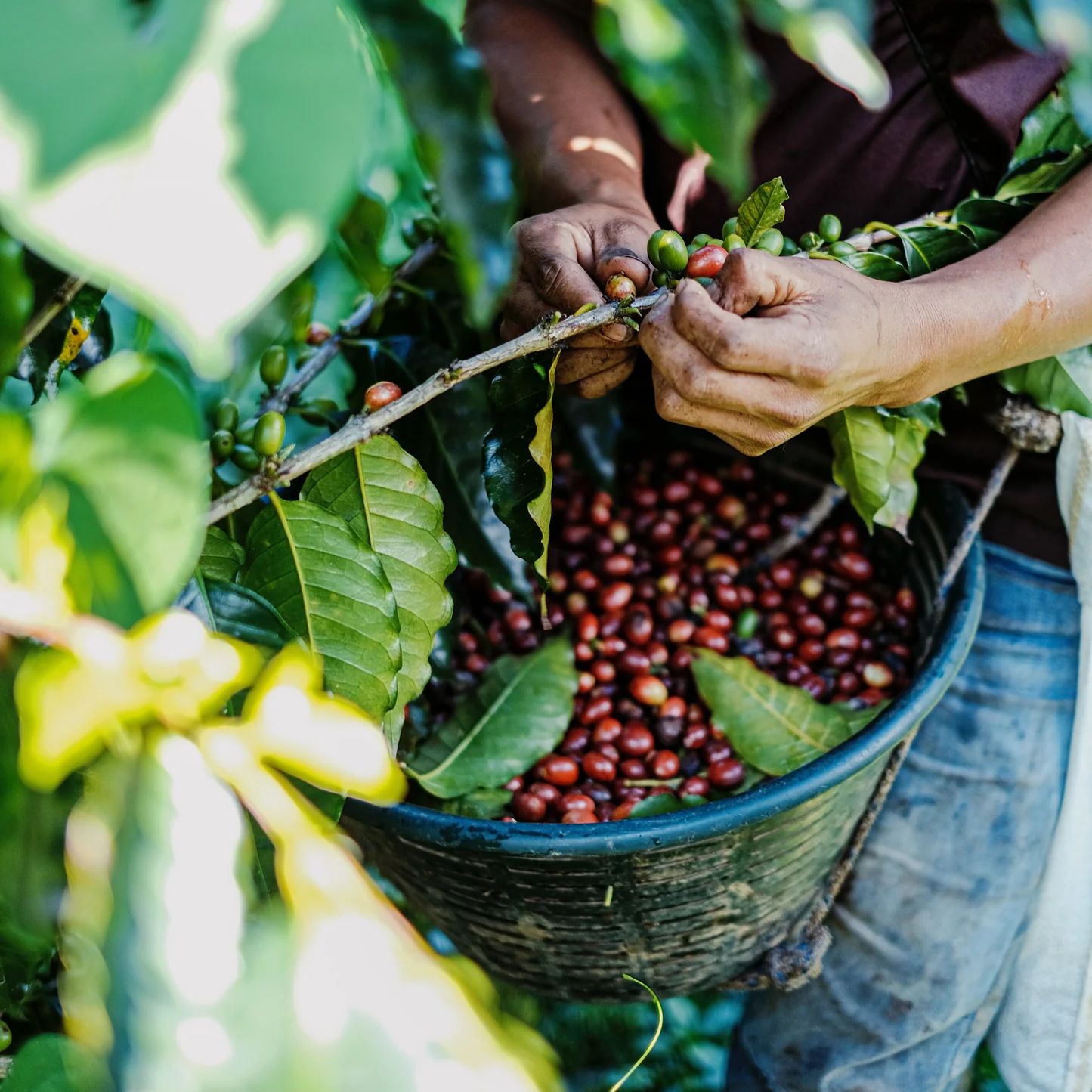
The country's nine major regions each have their own characteristics: beans from western areas such as Tippi and Bebeka are larger but have softer fruit acidity, the central Limu region is known for consistent quality, and eastern Harar combines wild notes with fruit aromas. Yirgacheffe (1,700–2,400 m) and Sidamo (1,400–2,200 m) both belong to the garden system, but Yirgacheffe was designated a separate region in the late 20th century because of its brighter acidity; its sub-regions include Wenago, Kochere and others.

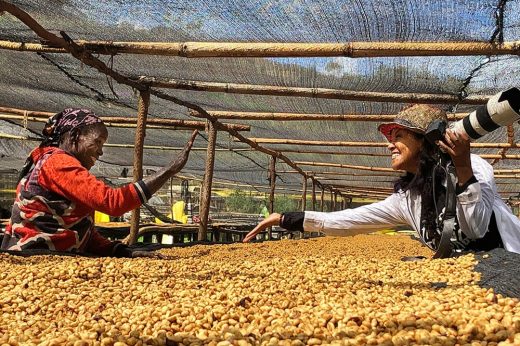
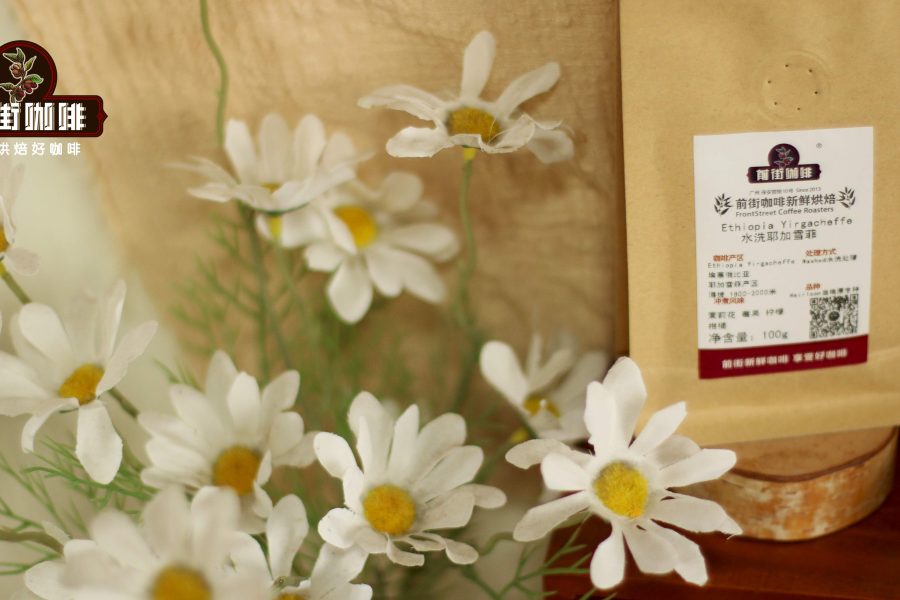
The flavor code of Yirgacheffe begins with its unique innovations in washed and natural processing. After South American washing technology was introduced in 1959, the region developed raised-bed natural processing—drying off the ground to avoid earthy off-flavors, combined with slow drying of more than 14 days, to form its signature citrus notes and black-tea finish. Typical washed beans show layers of lemon, white florals and honey, while natural versions highlight berry fermentation aromas and a creamy texture. Representative sub-regions such as the Kochere cooperative (1,650–1,800 m) produce washed beans that, when extracted with a V60 dripper at a light roast (92°C water temperature / 80% grinding at No. 20 sieve / 1:15 coffee-to-water ratio), can enhance the clarity of floral and fruity acidity.


The neighboring Sidamo region shares a similar altitude and variety base, but natural processing gives it a more intense juice character. Specialty naturals often use disease-resistant varieties such as Kurmie and Wolisho, developing tropical fruit aromas like passion fruit and strawberry during raised-bed drying, with roundness of acidity noticeably higher than Yirgacheffe. Natural beans from the Buku able processing station (2,250–2,350 m) commonly interweave black tea and fermentation aromas, with a full mouthfeel like berry juice. It is worth noting that Sidamo beans are generally 10–15% larger than Yirgacheffe beans, so defect-rate control requires attention during sorting.


Looking at the flavor wheel, Yirgacheffe stands out for high acidity (pH 5.2–5.6) and low body (body value 3–4/10), suited to pour-over enthusiasts who prefer a bright mouthfeel; Sidamo, with its medium acidity (pH 5.0–5.3) and higher body (body value 5–6/10), is better suited to brewing devices such as the French press. Both are recommended at a light roast (Agtron 65–70); over-roasting causes the floral and fruity notes to fade.

Brewing plans for different processing methods:
• Washed beans: V60 dripper + 92°C water temperature, bloom with 30 g of water for 30 seconds, then pour in stages to a 1:15 ratio
• Natural beans: switch to a Kalita flat-bottom dripper to reduce flow rate and extend extraction time to 2 minutes 30 seconds
• Keep the coffee-to-water ratio uniformly in the 1:15–1:16 range to avoid high concentration masking the layers of acidity and aroma

Further explore other Ethiopian regions: Limu (1,200–2,000 m) is known for grassy aromas and black sugar notes; Harar (1,500–2,400 m) produces distinctive fermented mixed aromas through extreme natural processing, but requires strict screening for defective beans; the Jimma region, as the largest commercial bean collection center, has a neutral, stable flavor due to its mixed varieties and is suitable as a blending base. For every 100 m increase in altitude, coffee bean density increases by about 2%, requiring a corresponding 3–5 second extension of extraction time.




Monastery coffee (on the shores of Lake Tana), as a special micro-region, preserves the most original gene pool through natural forest cultivation; its annual output of less than 10 tons makes it a collector's item. Whichever region you choose, freshness is always key—it is recommended to use beans within 5–14 days after roasting, and to store them sealed in one-way valve packaging, away from light and moisture.