Ethiopian Yirgacheffe vs Sidamo Coffee Beans: Pour-Over Flavor Differences and Growing Region Guide
Introduction: Ethiopia's Yirgacheffe and Sidamo are two renowned regions among specialty coffee enthusiasts worldwide, each with distinctive characteristics in terrain, altitude, processing methods, and flavor expression. This article provides an in-depth analysis of the flavor profiles, processing methods, roasting recommendations, and pour-over parameters of coffee beans from these two regions, helping you more precisely choose beans suited to your taste and master professional brewing techniques.
As one of the birthplaces of coffee, Ethiopia is home to several world-renowned specialty coffee regions, among which Yirgacheffe and Sidamo are the two most closely watched. Although Yirgacheffe is administratively part of the Sidamo zone, its unique terroir and flavor expression have long earned it recognition as an independent specialty region. These two regions not only have suitable altitudes and rich microclimates but have also accumulated deep experience in coffee processing, especially in the use of washed and natural methods, giving their beans distinct strengths in sweet-acid balance, aroma complexity, and mouthfeel structure.
Yirgacheffe Region: Crisp Fruit Acidity Nurtured by High Altitude
Yirgacheffe is located on the eastern side of the East African Rift, with dramatic terrain and altitudes generally between 1,800 and 2,000 meters, making it one of Ethiopia's higher-altitude coffee-growing areas. The region is relatively rich in water resources, and in earlier years mainly used traditional natural processing. However, because local natural processing conditions were rudimentary, coffee cherries were often spread directly on the ground to dry, readily absorbing off-flavors and compromising flavor purity. After the introduction of washed processing technology from Central and South America in 1972, Yirgacheffe's washed coffees quickly won market favor for their bright acidity and clean mouthfeel, becoming the mainstream processing method.
However, with the development of specialty coffee, the industry gradually reexamined the value of natural processing. In 2006, Yirgacheffe released the Idido specialty natural beans, and later natural beans such as Biloya and Aricha also gradually revealed excellent flavors. Today, Yirgacheffe's natural beans are equally highly regarded; their rich juice-like body and abundant sweetness make them a preferred choice for lovers of full fruity coffee. Therefore, if you prefer high, bright acidity with fresh notes of lemon, citrus, or tea, washed Yirgacheffe is the ideal choice; if you seek intense berry notes, fermented complexity, and sweet experiences, natural processing is more appealing.
Sidamo Region: Diverse Terroir and Intense Fruit Aroma
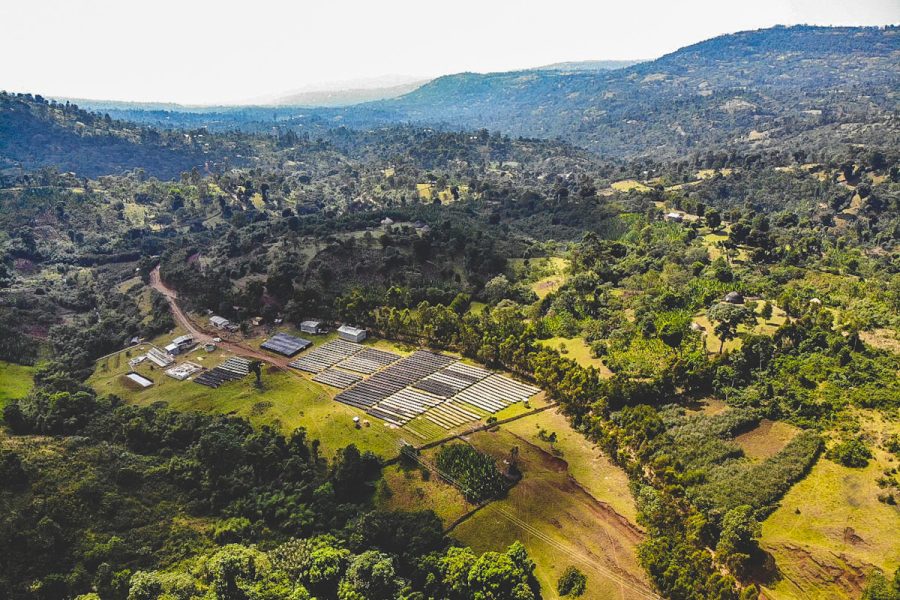
Compared with Yirgacheffe, the Sidamo region is located in southern Ethiopia, spans multiple administrative districts, and lies at altitudes between 1,400 and 2,000 meters. The coffee-growing environment here is more diverse, with different soil types, microclimates, and native coffee varieties interwoven, creating Sidamo coffee's rich and varied style. Among them, Guji and West Arsi are the best known, often displaying distinct regional character.
Sidamo coffee is mostly processed by the natural method, which through long sun exposure fully concentrates the sugars in the fruit pulp, so the beans usually have more intense fruit aroma, smooth body, and lasting sweetness. For example, coffee from the Hambela area in Guji won the local harvest flavor competition in 2017; its Hachira beans, with intense strawberry and cream aromas, once swept the global specialty coffee market. Subsequent versions Hachira 2.0, 3.0, and 4.0, though slightly different in flavor complexity, still maintain excellent sweetness and fruit notes and remain long favored by many coffee lovers.
Detailed Explanation of Washed and Natural Processing
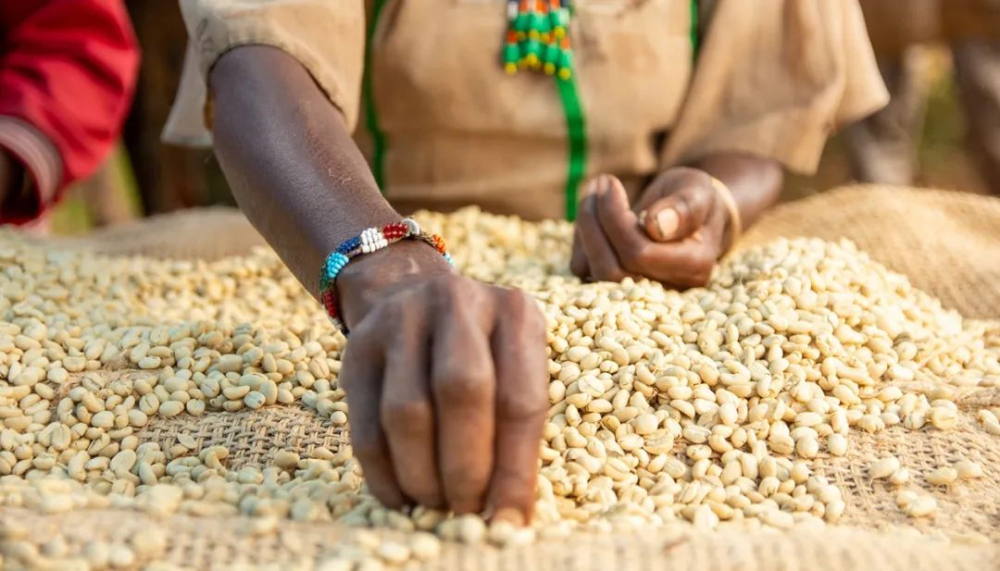
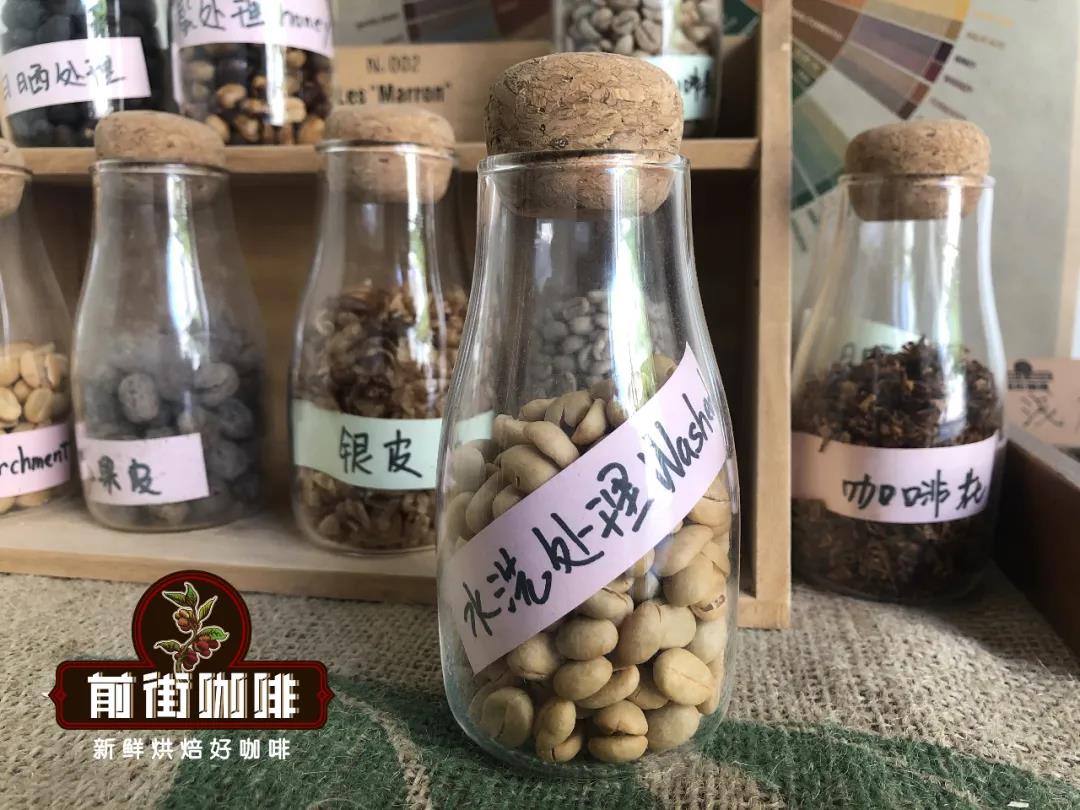
In the washed method, coffee cherries are first depulped to remove the fruit, then the beans with mucilage are placed in water to ferment for about 24 hours, rinsed with clean water to remove residual pectin, and finally sun-dried or machine-dried to a moisture content of about 12%. This method significantly improves coffee's cleanliness and acidity clarity, making the flavor more focused and consistent; it is commonly used in the Yirgacheffe region.
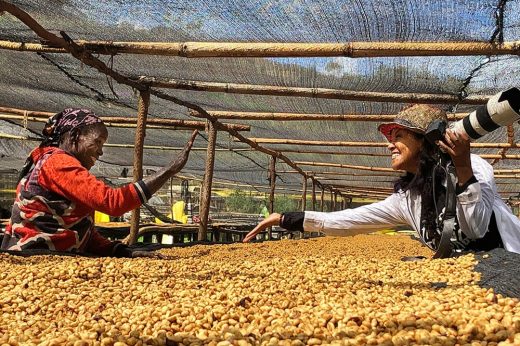
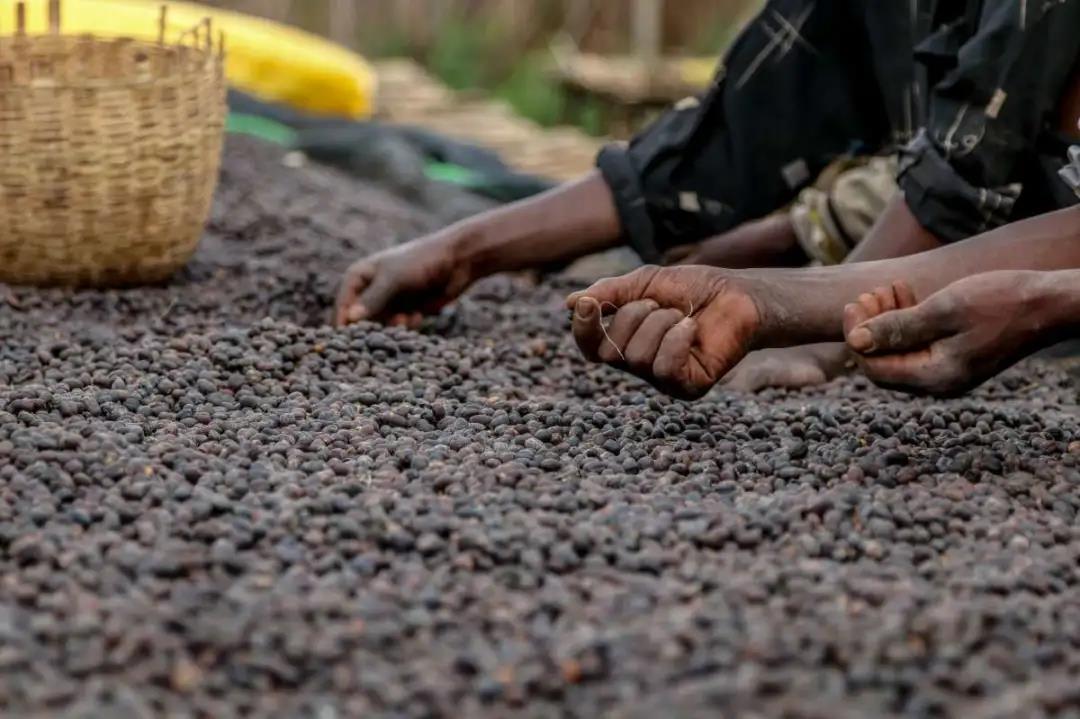
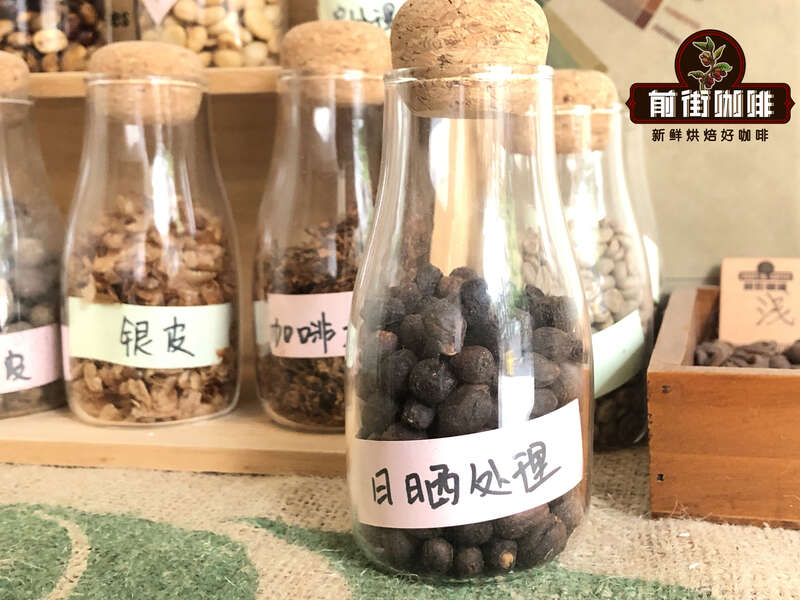
Natural processing, by contrast, retains the coffee fruit's outer structure entirely, placing it on raised beds for long sun exposure to avoid contact with the ground and reduce off-flavor contamination. Usually after more than two weeks of natural drying, the sugars in the pulp fully permeate the seed, bringing fuller sweetness and complex fruit layers such as berries, blackcurrant, and even fermented wine notes; it is the method commonly used in the Sidamo region.
Roasting and Cupping Comparison: Guodingding vs Hachira 4.0
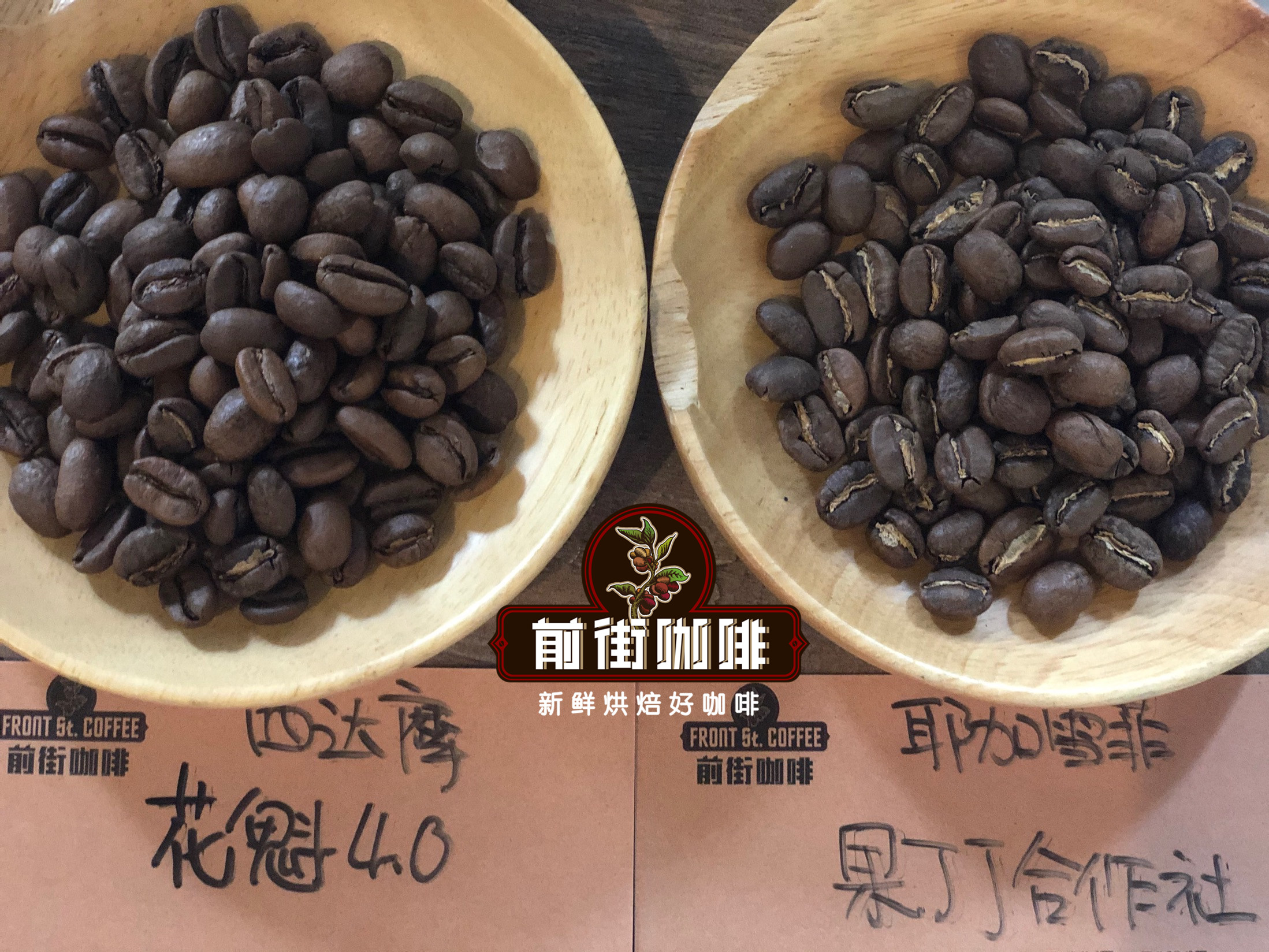
In actual roasting, washed and natural beans differ in density and silver skin structure, so roasting curves and silver skin detachment also vary. For washed beans such as Yirgacheffe's Guodingding, the center-line silver skin is harder to detach and often remains in greater amounts after roasting; for natural beans such as Hachira 4.0, the outer silver skin is tightly connected and detaches more cleanly overall. These physical characteristics also somewhat affect the final cupping's flavor purity and aroma release.
In the cupping experience, the dry aroma of washed Guodingding shows citrus and passion fruit notes, while the wet aroma reveals berry notes; on the palate the acidity is bright, with layers of citrus, berry, almond, and honey, and the overall mouthfeel is refreshing with a noticeable tea-like quality. The dry aroma of natural Hachira 4.0 blends citrus and berry, the wet aroma shows blackcurrant and rose notes, and on the palate the sweetness is prominent, accompanied by strawberry, blackcurrant juice, and fermented flavors, with a lasting and warm finish.
Brewing Recommendations and Parameter Settings
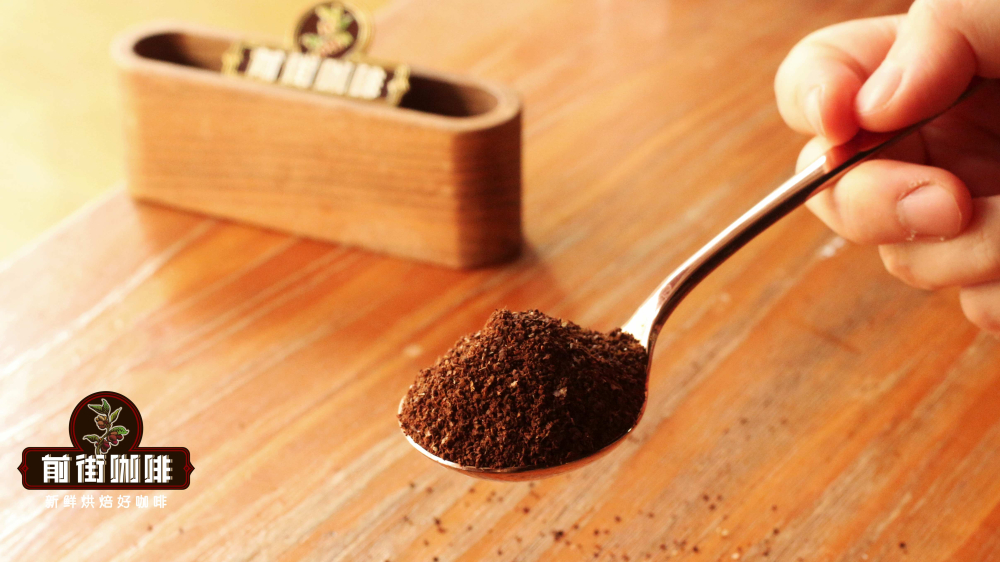
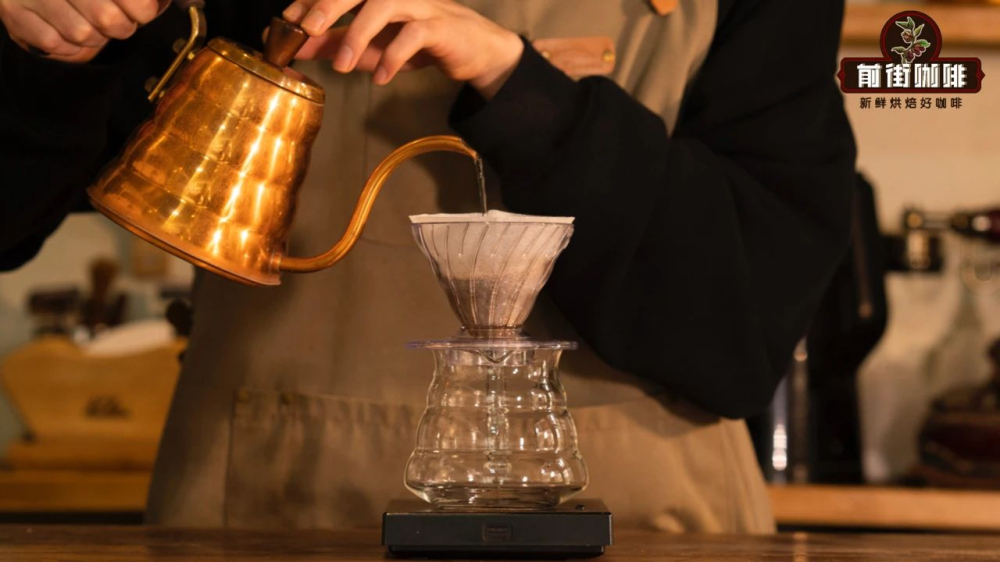
For these two coffees with very different flavors, a V60 #01 dripper is recommended, with water temperature controlled at 90-91°C, a coffee-to-water ratio of 1:15, and a grind size about that of fine granulated sugar (80% passing a No. 20 sieve). The specific procedure is as follows: first pour 30 grams of water for a 30-second bloom, then pour 95 grams of water (total about 125 grams), finishing in about 1 minute; when the water level drops to two-thirds of the coffee bed, continue pouring 100 grams of water (total about 225 grams), completing the pour at about 1 minute 40 seconds to 1 minute 45 seconds, then let it rest until dripping finishes at about 2 minutes 10 seconds.
Using the above parameters, washed Guodingding mainly shows citrus and black tea flavors after brewing, gradually releasing cream, caramel, and almond in the finish as the temperature drops, with a clean and refreshing mouthfeel; natural Hachira 4.0 presents a complex flavor of almond, berry, and blackcurrant, with prominent sweetness and a long honey finish.
Conclusion: How to Choose According to Taste
Whether it is Yirgacheffe's washed beans or Sidamo's natural beans, both represent the top level of Ethiopian coffee. If you prefer bright acidity and fresh aromas such as lemon, citrus, or tea-like flavors, washed Yirgacheffe such as Guodingding will be the ideal choice; if you lean toward full sweetness and intense fruit flavors such as berries, blackcurrant, or fermented complexity, Sidamo's natural beans such as Hachira 4.0 will better satisfy your palate. Mastering the characteristics of different processing methods, roasting details, and pour-over parameters will help you more deeply experience the unique charm of these two classic regions.