Specialty Coffee Bean Buying Guide: Value Picks for Pour-Over and Brewing Parameters
Introduction: From the floral and citrus notes of Africa to the chocolate richness of South America, coffee beans from different regions each have their own characteristics. This article selects 5 high-value coffee beans, covering light to medium-dark roasts, detailing each bean's origin, altitude, variety and distinctive flavors, and providing professional pour-over parameter suggestions to help you find coffee beans suited to your taste and improve your home brewing experience.
Coffee beans from different regions around the world present distinctly different flavor profiles due to differences in climate, soil and processing methods. African coffee beans, represented by Ethiopia, typically have bright citrus notes and elegant floral aromas; Indonesian coffee beans show complex layers of herbal, nutty and woody spice notes; Brazilian coffee is known for its balanced mouthfeel and chocolate finish; and island coffees such as Jamaican Blue Mountain are noted for their balanced nutty and cocoa notes.

For pour-over enthusiasts who value cost-effectiveness, the following five professionally roasted coffee beans are worth trying. These beans have all been strictly selected and offer a high price advantage while ensuring flavor performance. It is particularly worth noting that quality roasters manually remove seriously defective beans before roasting, which significantly reduces the impact of green bean grade on the final flavor.
Reasonable pour-over parameters are crucial for presenting the best flavor of coffee beans. The recommended basic parameters are: 15g dose, 1:15 coffee-to-water ratio. Adjust other parameters according to roast level: for light roast beans, use a V60 dripper, control water temperature at 90°C, and grind to a 70-75% pass rate on a No. 20 standard sieve; for medium-dark roast beans, a Kono dripper is suitable, lower the water temperature to 88°C, and adjust the grind to an 80% pass rate. Use a three-stage pouring method: first bloom with 30g of water for 30 seconds, then pour in a small stream in circles until 125g and pause, and finally, when the water level is about to expose the coffee bed, pour until 225g to finish. Total extraction time is about 2 minutes.

[Sidamo Hachira] From the Hambela region of Sidamo, Ethiopia, grown at an altitude of 2250-2350 meters, using local heirloom coffee trees. After natural processing, it presents a light roast style, with a flavor profile dominated by bright citrus fruit notes, a fresh juice-like sensation on entry, accompanied by moderate fermentation flavors. It remains refreshing as it cools, with a sugarcane-like sweetness emerging in the finish, and medium-high acidity that is well balanced.
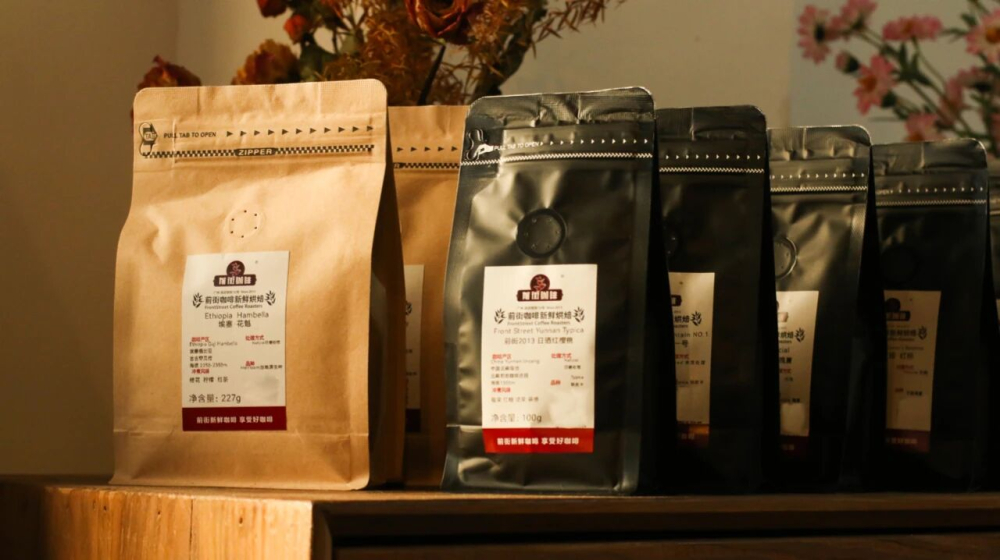
[Tarrazú Mozart] Produced at Finca Canet in the Tarrazú region of Guatemala, at an altitude of 1980 meters, using a blend of Caturra and Catuai varieties. Raisin honey processing gives it rich sweetness, and the light roast highlights layers of floral and fermented jam aromas, with obvious berry and raisin flavors, soft fruit acidity, and a finish featuring tropical fruit aroma and clear sugarcane sweetness.
[Sumatra Golden Mandheling] Produced by the well-known exporter PWN, from the Sumatra region at an altitude of 1100-1600 meters, using the traditional Typica variety. Wet-hulling processing combined with medium-dark roasting creates a full-bodied, clean mouthfeel base, with prominent nutty and chocolate flavors, along with rich spice notes and caramel sweetness, a long finish with a subtle fruity undertone.

[Kenya Little Tomato] From the ASALI processing station in Kenya, grown at an altitude of 1700 meters, using the famous SL28 and SL34 varieties. Double washing preserves the variety's bright characteristics, and the light roast develops unique red fruit flavors such as smoked plum and cherry tomato, accompanied by layers of snow pear and berry aromas, with caramel-like sweetness contrasting sharply with a lasting finish.
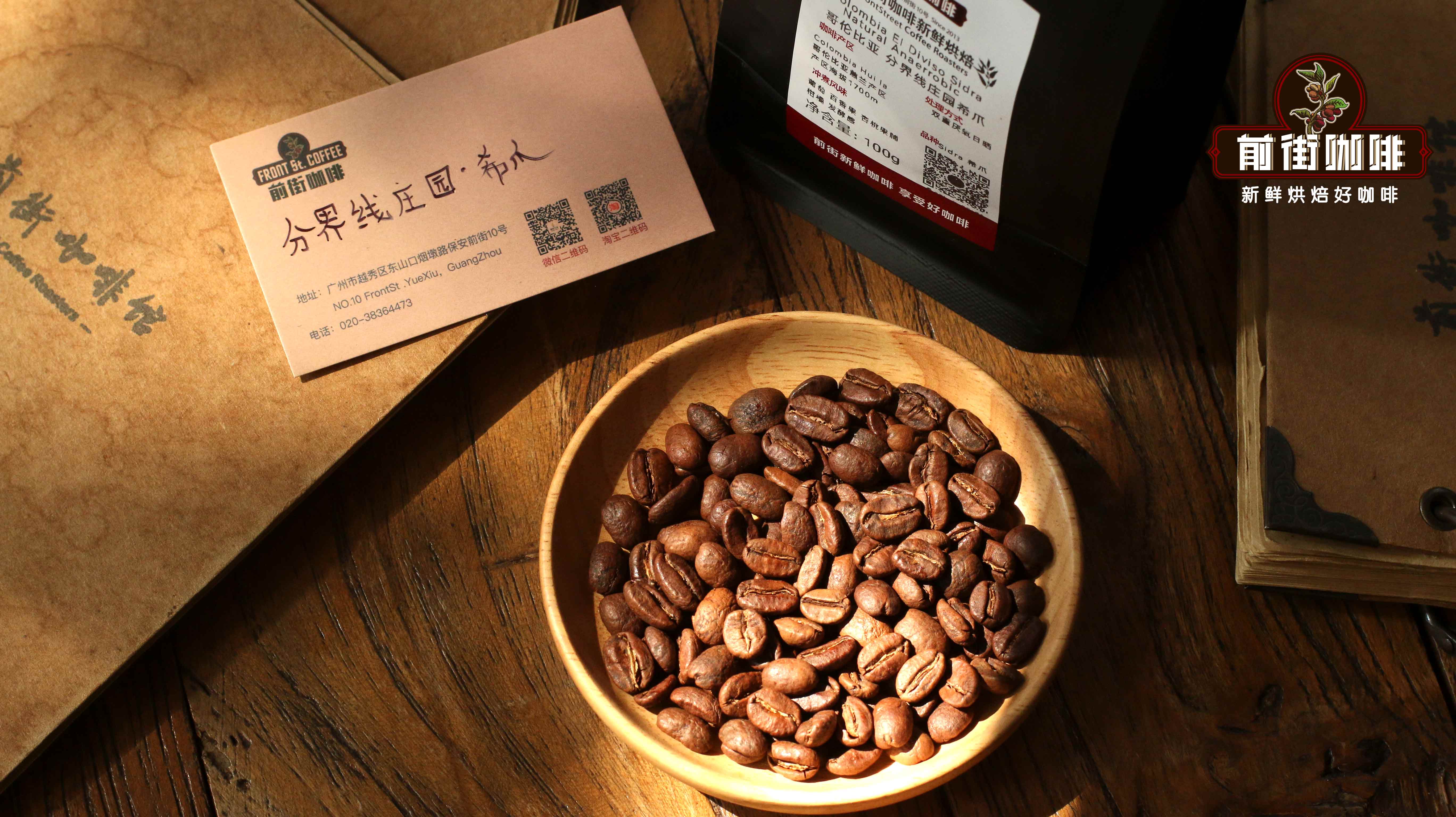
[Huila Sidra] Produced at Finca La Divisa in the Huila region of Colombia, at an altitude of 1700 meters, using the unique Sidra variety. Double anaerobic natural processing brings intense fermented aromas, and the medium roast balances fruitiness and body, with distinct layers of passion fruit, grape and apricot flavors, prominent dried-fruit sweetness, and a chocolatey finish, showing rich variation overall.

When choosing coffee beans, it is recommended to adjust the roast level according to personal taste preferences: for those who prefer fresh fruit acidity, choose light roast beans; for those who like a full-bodied mouthfeel, try medium-dark roast. Also pay attention to storage conditions: after opening, it is recommended to store in an airtight container in a cool, dark place, and consume within 2-4 weeks to ensure the best flavor. Only by mastering the correct brewing parameters and matching grind size can the unique character of each coffee bean be fully expressed.