Ethiopia Hualukui Coffee Beans: Terroir and Pour-Over Guide
Introduction: An in-depth look at Hualukui coffee from the Hambella area of Ethiopia's Guji region, exploring how this specialty Arabica develops its distinctive fruity and floral flavors at an altitude of 2,250 meters. From growing altitude and sun-drying processing to home brewing parameters, this is a complete analysis of a classic variety worth trying for both beginners and seasoned drinkers, with a professional-level pour-over recipe and flavor profile.
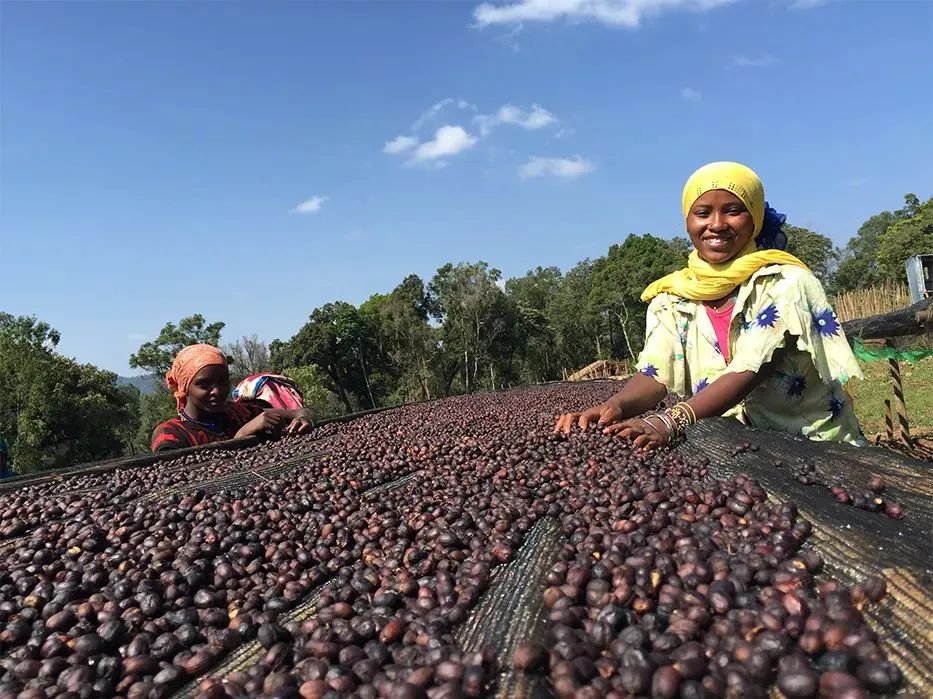
 Hualukui coffee beans are a star product of Hambella in Ethiopia's Guji region, crafted from fully red cherries by the local Buku Abel processing station. This micro-region at over 2,250 meters receives an average annual rainfall of 1,200 mm, with a marked day-night temperature difference that provides ideal conditions for the coffee fruit to accumulate sugars. The variety is strictly selected from fully ripe coffee cherries, dried on African raised beds with 24-hour manual turning, and slowly fermented in a low-temperature environment.
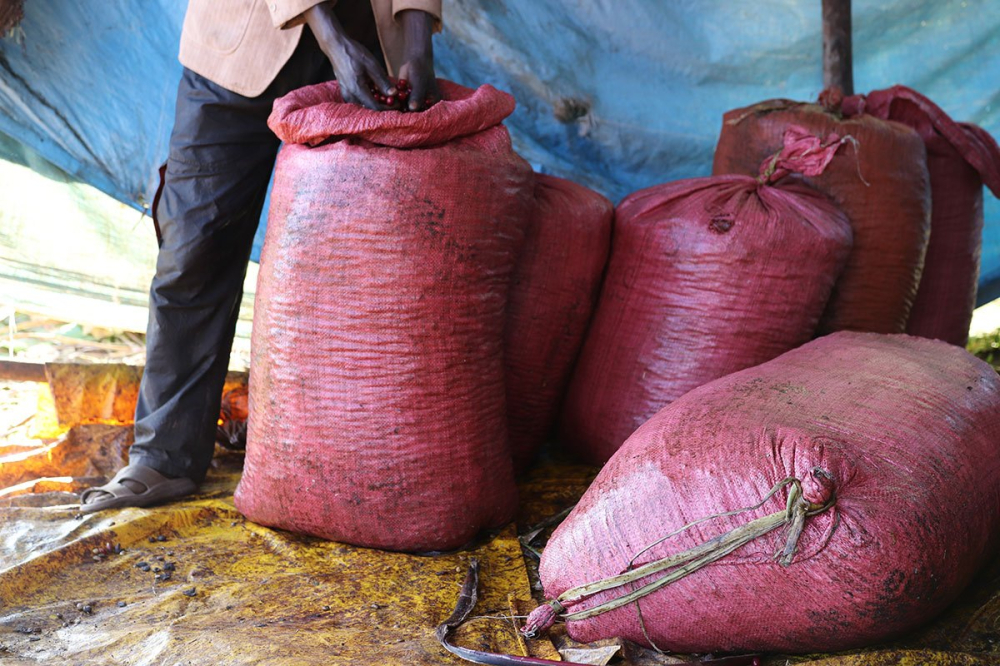 During the harvest season from December to January each year, the processing station selects only red cherries with a sugar content above 30 for sun-drying. For the first two days, fruit moisture is maintained to promote fructose fermentation; the 12°C nighttime low brought by the high altitude effectively inhibits over-fermentation, while shade nets at noon prevent the fruit skin from sunburn. When sudden rain occurs, the cherries are immediately covered with thick plastic sheeting for protection. This meticulous management creates Hualukui's signature clean fruit aromatics.
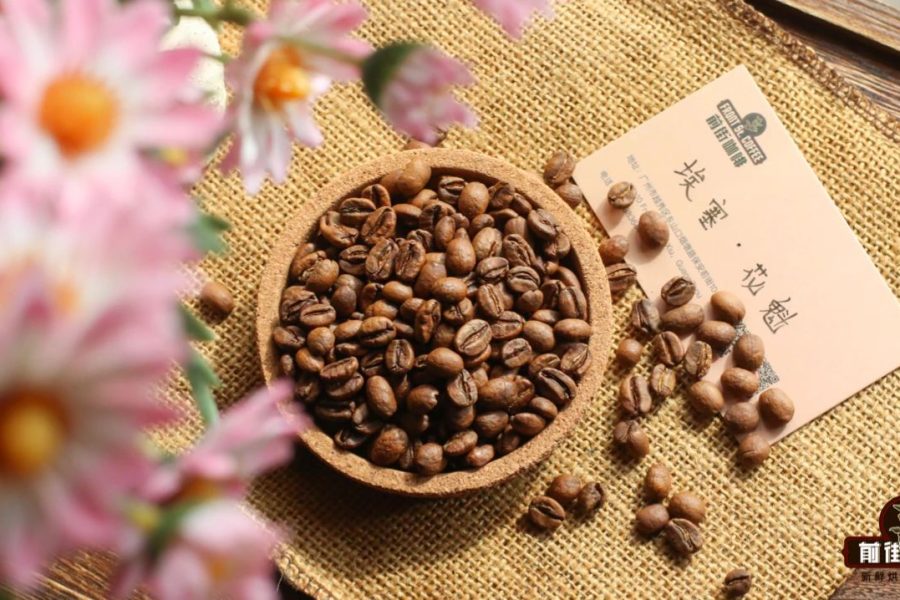
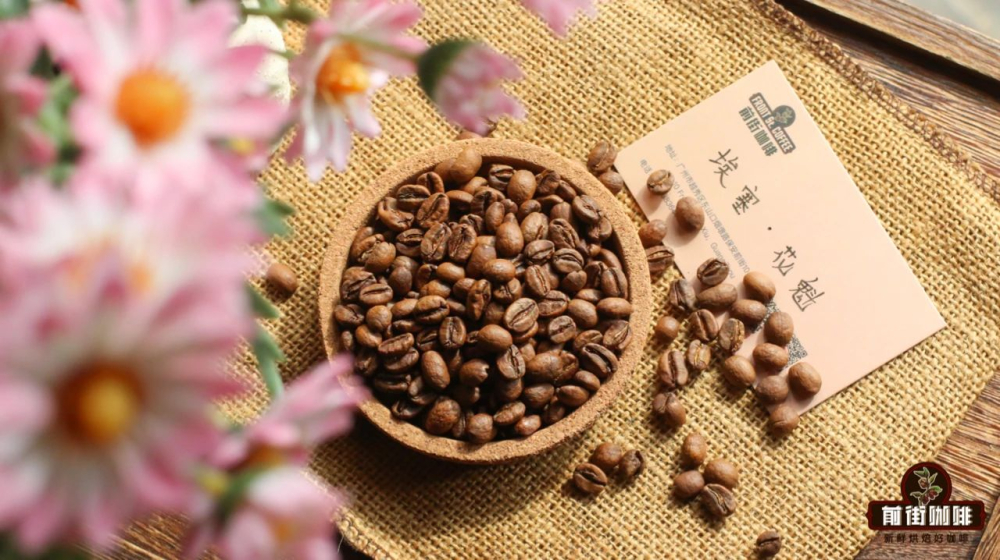
 The local heirloom coffee beans used for Hualukui vary noticeably in appearance, with both round small beans between screen sizes 14 and 15 and fuller, longer beans; this diversity is typical of Ethiopian coffee and does not affect the final flavor. The particular growing environment allows the coffee trees to grow naturally, with no need for human intervention in variety purity.
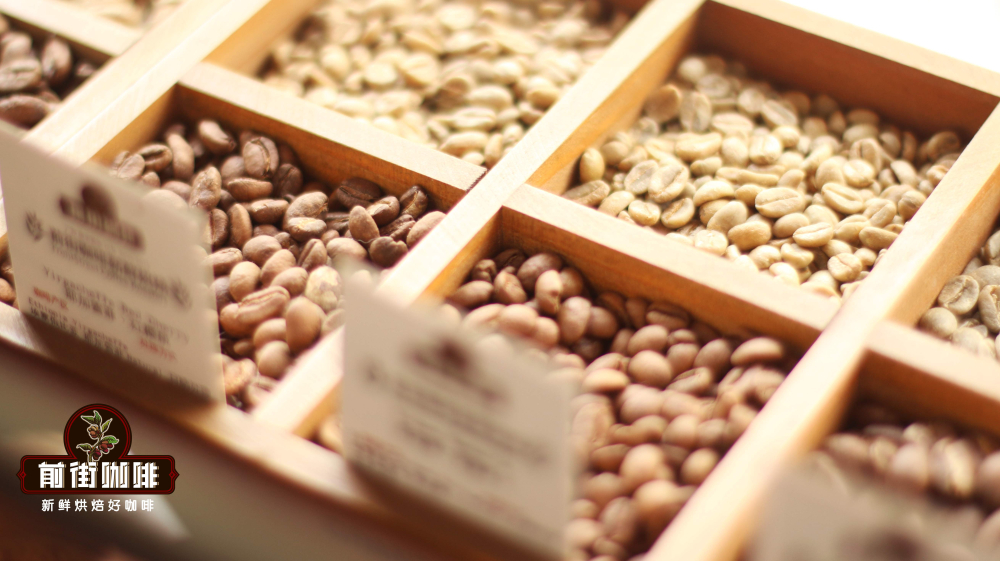 After a medium-light roast, Hualukui coffee from this region presents a layered flavor profile: bright citrus and mango acidity, accompanied by fresh berry fruit aromatics, with honey-like sweetness balanced by a black tea finish. These qualities make it a typical representative of the appeal of Ethiopian heirloom varieties, especially suited to consumers new to specialty coffee.
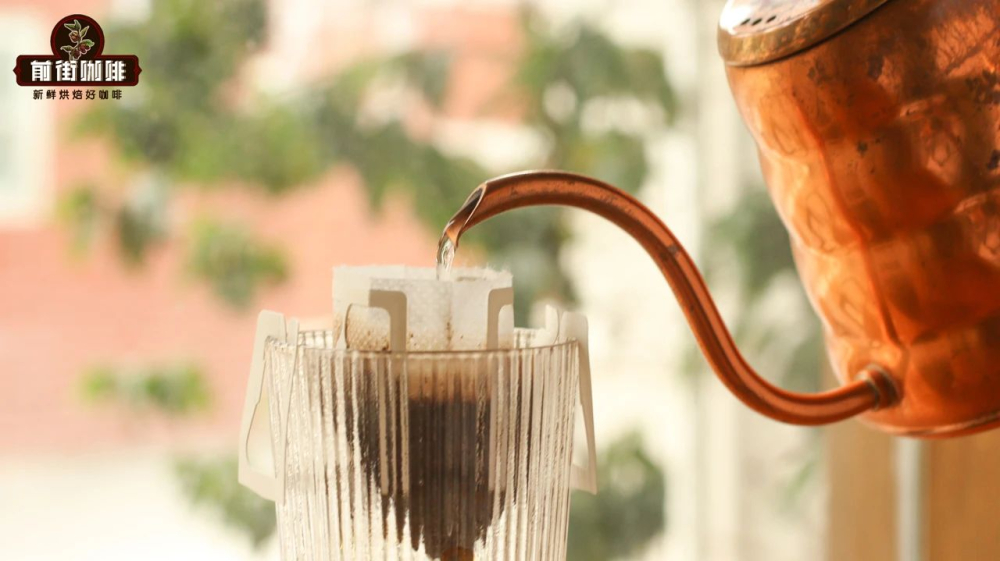 Various devices can be used for home brewing, but pour-over best showcases its fruity and floral character. It is recommended to use freshly roasted coffee beans (best within 4-7 days of receipt), ground to a medium-fine level with 80% passing a No. 20 sieve. A resin V60 dripper effectively enhances aroma expression, and the complex aroma of blueberries and tropical fruit can be captured from the first pour.
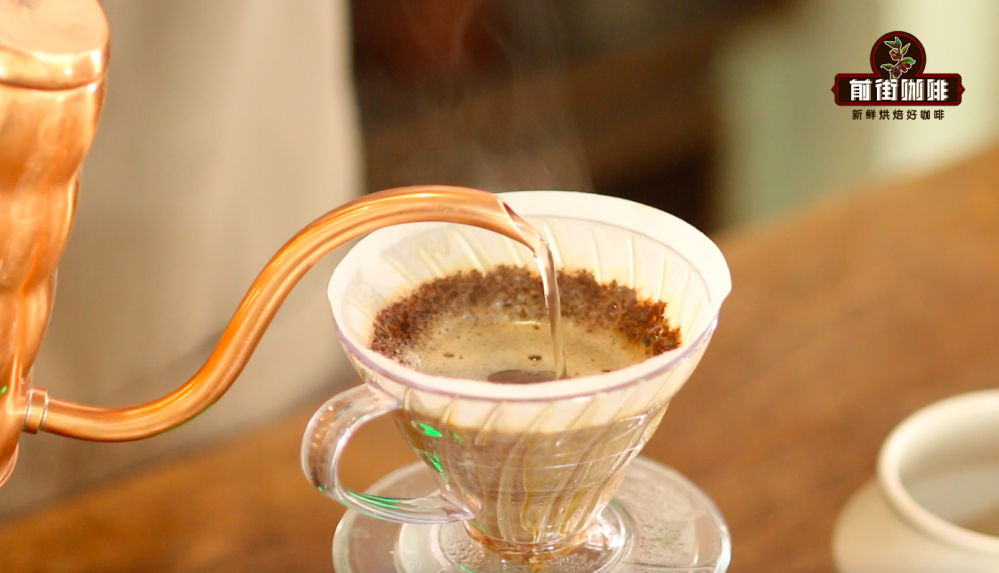
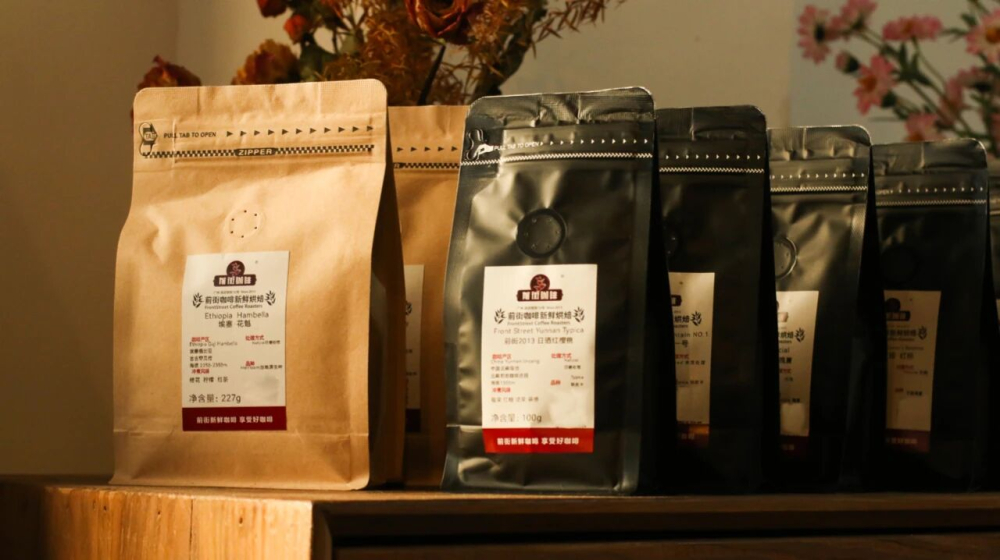 Recommended professional pour-over parameters: water temperature 91°C, coffee-to-water ratio 1:15, using a three-stage pouring method. First bloom with 30 g of water for 30 seconds to release carbon dioxide, then pour in a small circular stream until 125 g, pause, and continue pouring to a total of 225 g. Maintain a steady flow throughout; remove the dripper once it has drained. Total extraction time is about 2 minutes. This recipe highlights the layered acidity as the temperature drops from hot to cooler.
 Common brewing mistakes include over-grinding, which causes bitterness, or water that is too hot, which destroys the fruit acidity. It is recommended to test grind size with a Chinese standard No. 20 sieve, ensuring 80% of the particles pass through. If using a drip bag, brewing 10 g of coffee with 150 ml of hot water yields a balanced cup, especially suited to quick enjoyment in an office setting.
 For storage, keep the beans away from light and moisture; unopened coffee beans maintain flavor stability for 6-8 months. After opening, it is recommended to transfer the beans to an airtight container with a food-grade oxygen absorber; grinding fresh with a grinder just before use preserves volatile aromatic compounds to the greatest extent. Brewing parameters may need slight adjustment at different altitudes; at high altitudes, extraction time can be appropriately extended to compensate for the lower boiling point.


