Guide to the World's Top 10 Specialty Coffee Regions: Flavor Analysis and Pour-Over Parameters

Introduction: From Jamaican Blue Mountain to the Yunnan plateau, the world's quality coffee regions each have their own character. This article analyzes in depth the terroir conditions, processing methods and flavor characteristics of ten renowned regions, with suggested key extraction parameters to help you choose beans suited to your taste preferences and master the best brewing methods.
Coffee, tea and cocoa are known as the world's three great beverages, and coffee's unique appeal comes from the terroir of different regions. The world's main coffee-producing countries yield beans with widely differing flavors due to differences in altitude, climate and processing methods. Understanding the characteristics of these regions can help coffee lovers select beans according to personal taste preferences and optimize their brewing plans.
Brazil: The Balanced Choice of the World's Largest Coffee Producer As the coffee kingdom accounting for one-third of global output, Brazil is known for its mild Arabica varieties. Its coffee typically shows low acidity and medium body, with a round mouthfeel and nutty and chocolate base notes, making it a common base for espresso blends.
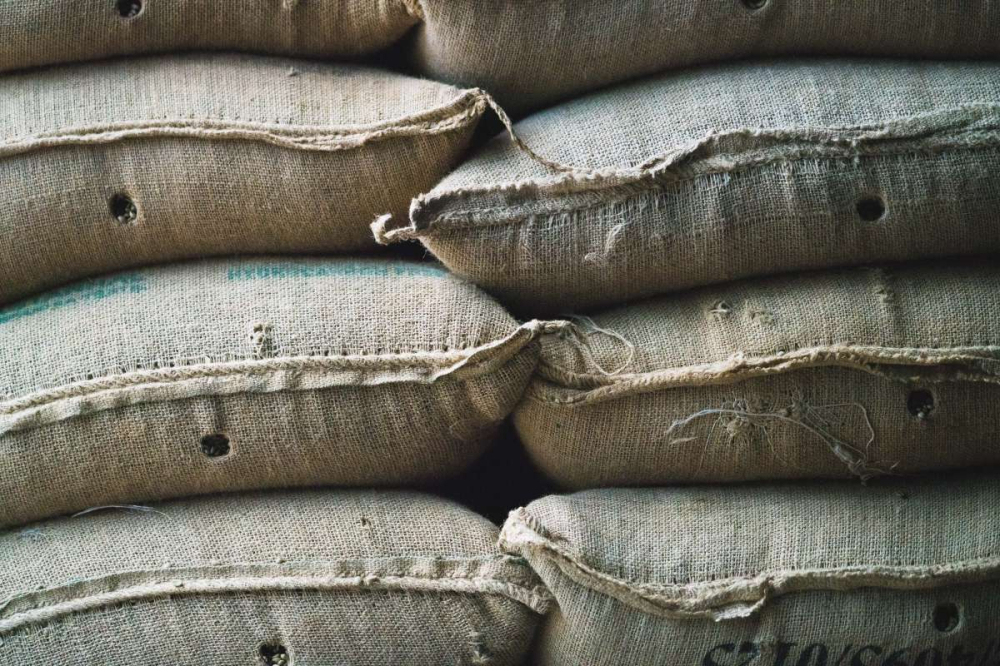 The country's Fazenda Rainha in the north is known for its hand-picked Yellow Bourbon variety; after semi-dry processing, it has pronounced sweetness, often showing a complex flavor of roasted nuts, cocoa and sugarcane, with soft acidity and high cleanliness.
Indonesia: Wet-Hulling Creates a Unique Full Body Sumatra's Mandheling coffee is known for its heavy mouthfeel, and its signature herbal and earthy tones come from the special wet-hulling process.
 This method removes the parchment when the beans are at about 20%-24% moisture, causing the beans to be compressed into a distinctive texture (commonly called sheep-hoof beans) while concentrating flavor compounds. The final product often has dark berry, smoky and woody aromas, with low acidity but rich layers.
Colombia: The Nutty-Chocolate Style of the Andes Growing at 1,200-1,800 meters gives Colombian coffee bright acidity and balanced body.
 The mainstream washed process preserves clear fruit acidity, and together with the slow ripening at high altitude it forms a flavor profile dominated by nuts and dark chocolate. Some plots in the Huila region, due to microclimate differences, can also show bright fruit notes of passion fruit and citrus.
Costa Rica: Honey Processing Elevates Sweetness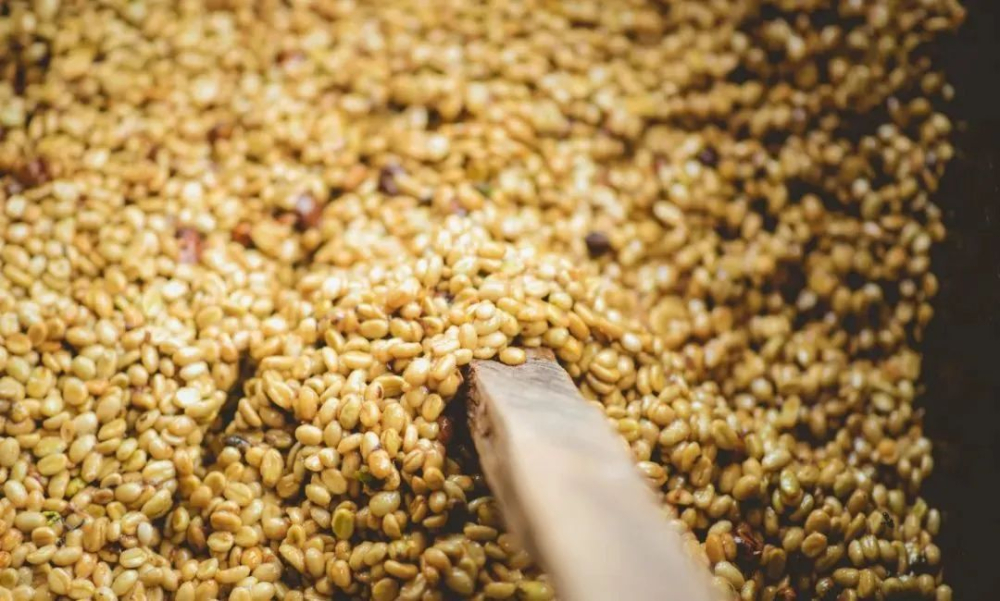 Volcanic soil and a stable climate provide ideal conditions for coffee growing, and the locally developed honey processing technique significantly increases sweetness and caramelized characteristics by retaining varying degrees of mucilage.
 Raisin honey processing (retaining 90%+ mucilage) can enhance tropical fruit and berry aromas, while black honey processing (100% mucilage) brings a richer syrupy texture, with soft acidity and a long finish.
Ethiopia: A Treasure Trove of Wild Heirloom Flavors As the birthplace of coffee, Ethiopia has tens of thousands of unclassified heirloom varieties, and the government has not disclosed specific genetic information in order to protect biodiversity.
 These varieties usually show extremely high aromatic complexity, from the fresh notes of jasmine and lemon to the rich fruit aromas of blueberry and tropical fruit, and some lots also carry a distinctive fermented winey aroma, with lively acidity and clear layers.
Kenya: The Distinct Acidity of SL Varieties The SL28 and SL34 varieties create Kenyan coffee's signature high acidity, which is bright like cherry tomato, accompanied by the refreshing feel of smoked plum and citrus fruits.
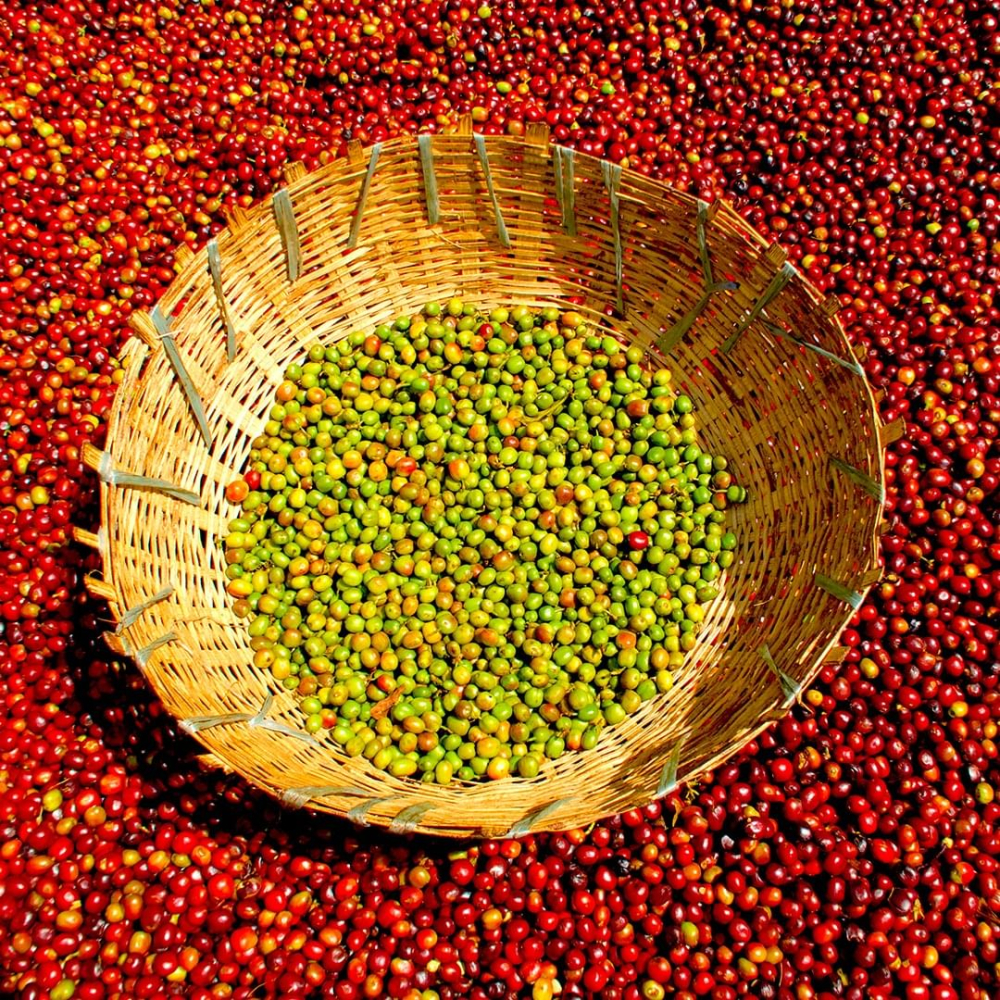 The unique K72 washed method, through three fermentations and a 24-hour soaking cycle, enhances flavor purity and sweet balance, often with a full black-tea-like finish, suitable for drinkers who like bright, high-acidity profiles.
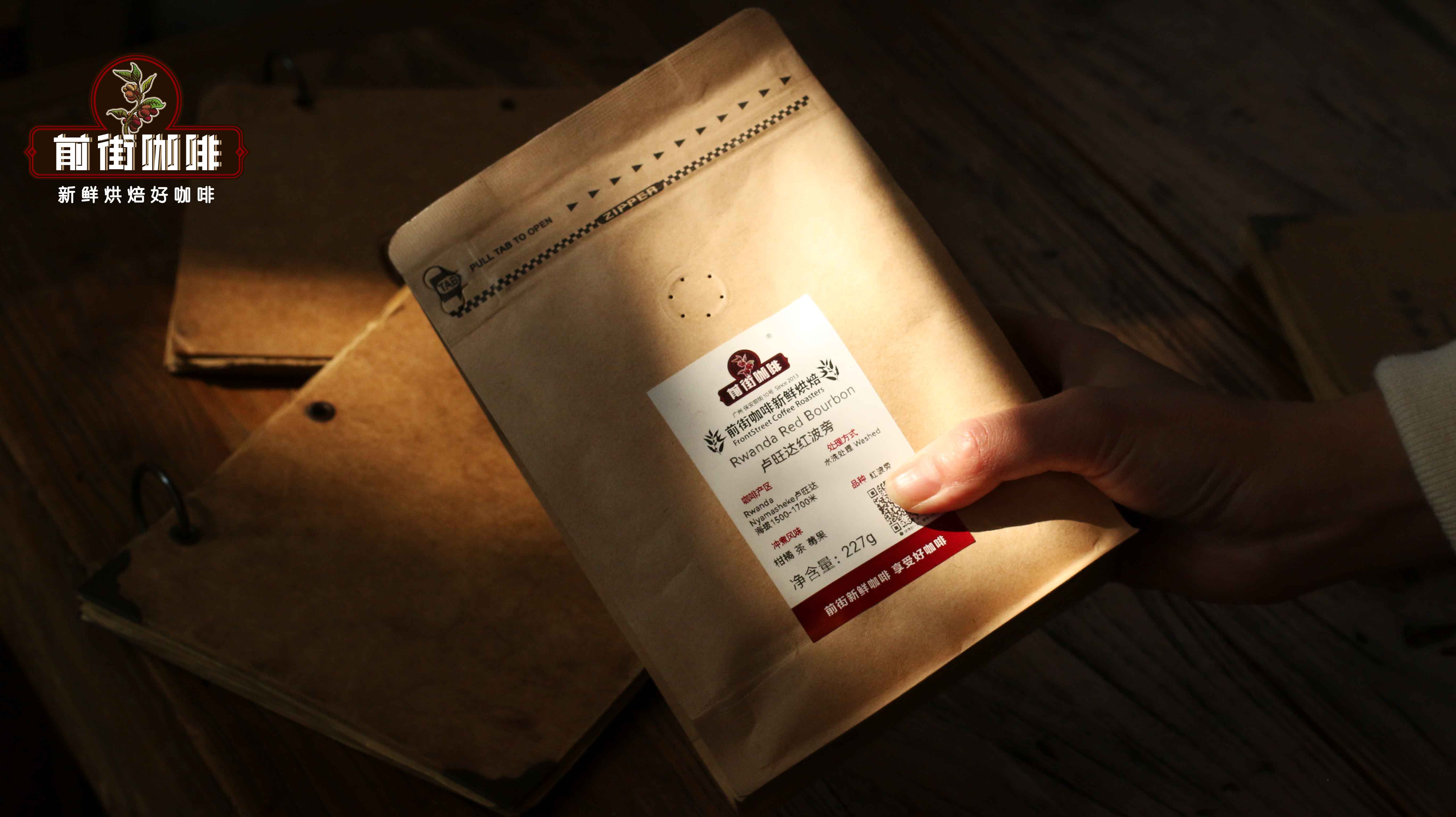
Rwanda: The Delicate Floral-Fruity Notes of Red Bourbon High-altitude growing areas (1,400-1,800 meters) and a large day-night temperature difference allow the Red Bourbon variety to develop distinct floral and fruity aromas.
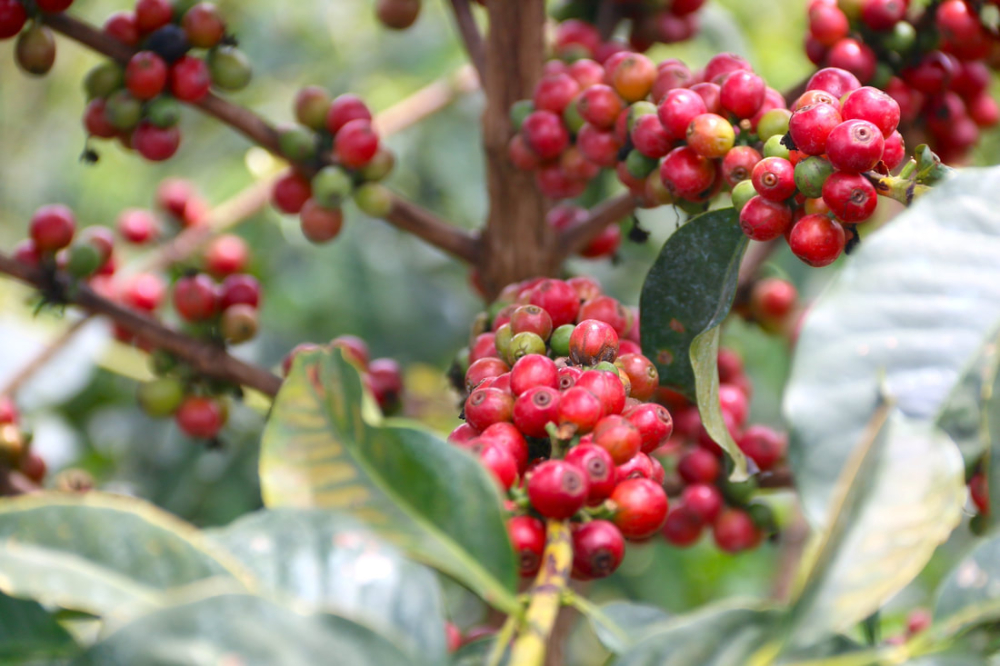 A medium-light roast can highlight the sweet aromas of citrus, apple and honey, with lively but not sharp acidity, berries emerging in the middle, and a warm finish of almond and chocolate; the overall cup is clean with excellent balance.
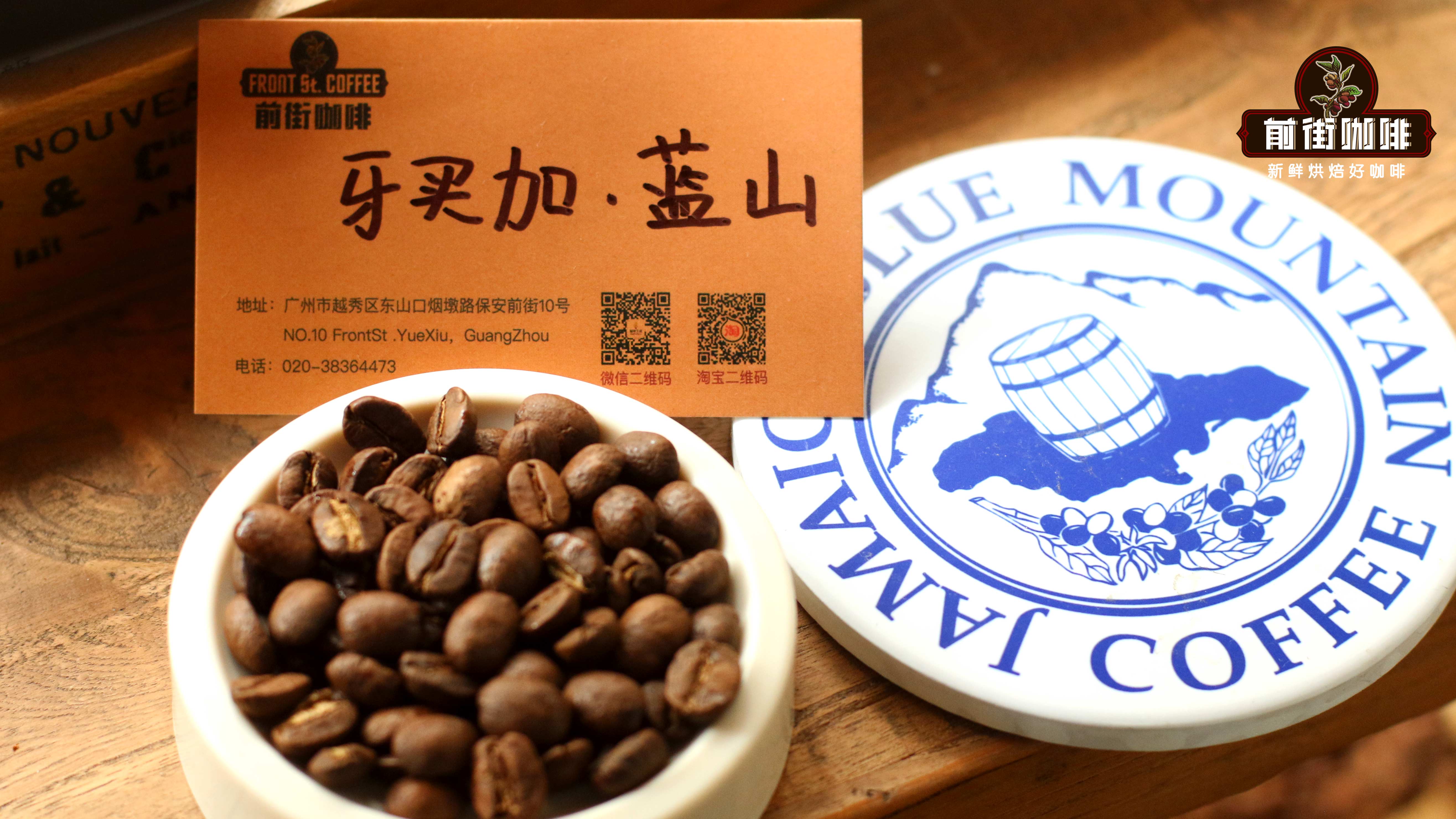
Jamaica: The Gold Standard of the Blue Mountains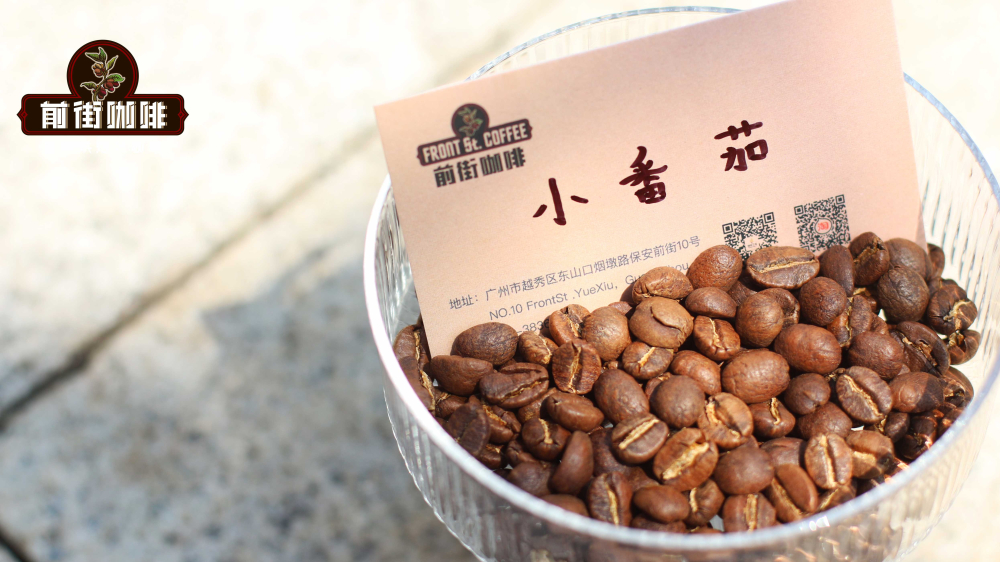 Beans strictly limited to cultivation in the Blue Mountain range at 1,000-1,700 meters achieve their mild, full classic flavor thanks to fertile volcanic soil and even rainfall.
 Traditional washed processing presents a clean sweet-acid balance; in recent years some estates have tried natural processing, giving richer caramel and tropical fruit aromas, but always maintaining the signature low astringency and silky-smooth mouthfeel.
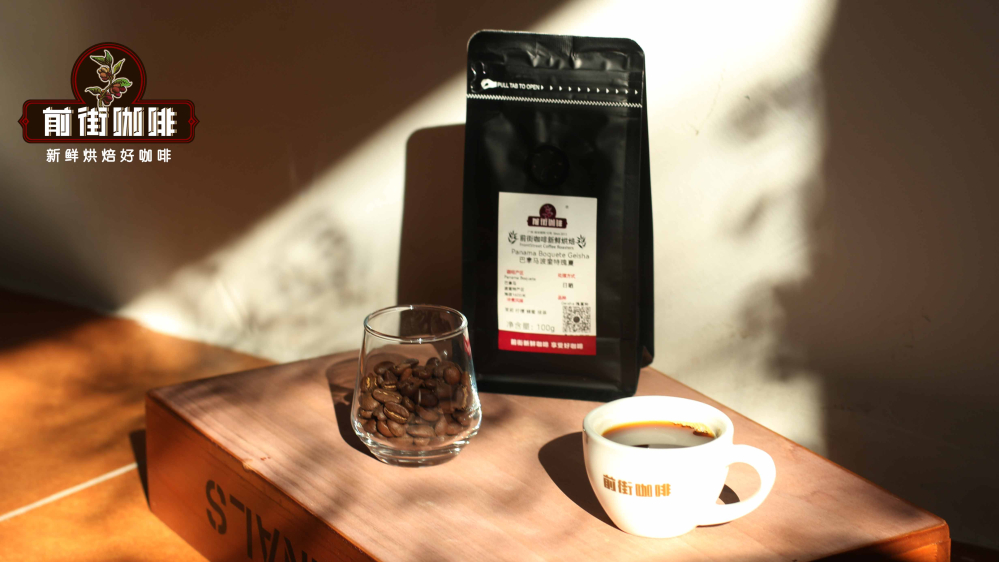
Panama: The Microclimate Miracle of Geisha The Boquete region benefits from the convergence of Pacific and Atlantic air currents, and the high altitude above 6,500 feet combined with volcanic soil provides a unique growing environment for the Geisha variety.
 Standard washed processing preserves its signature jasmine, peach and black tea aromas, with acidity bright as lemon, abundant sweetness and a long finish; it is a frequent winner in specialty coffee competitions.
Yunnan, China: A Local Interpretation of Typica The growing areas at 1,000-2,000 meters are dominated by Catimor hybrids, but a small amount of Typica retains the elegant traits of the original variety.
 Washed processing strengthens nutty and brown-sugar base notes; a Typica lot trial-planted in 2013, after years of optimization, shows brighter citrus acidity and a black-tea finish, suitable for consumers who prefer a balanced traditional flavor.