Decoding Coffee Processing: From Traditional Methods to Anaerobic Fermentation
Introduction: Coffee processing directly affects the final flavor expression. This article deeply breaks down mainstream specialty processing techniques, compares them with the differences of traditional methods, and reveals how anaerobic fermentation enhances sweetness and complexity through precise temperature and time control. Key parameter references and typical flavor examples are included to help you choose beans according to your brewing needs.
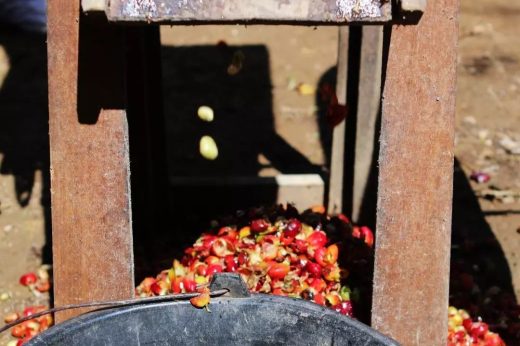
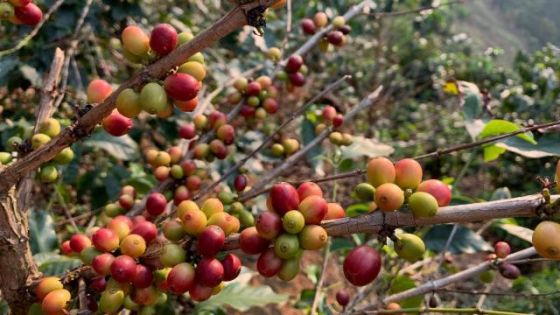
The transformation from coffee cherry to roastable green bean is essentially a biochemical conversion involving microorganisms—this is the core of coffee processing. In recent years, with the rise of the specialty coffee wave, innovative processes such as anaerobic fermentation and double fermentation have continued to emerge. By regulating fermentation environment parameters, they give coffee a wine-like layering and explosiveness.
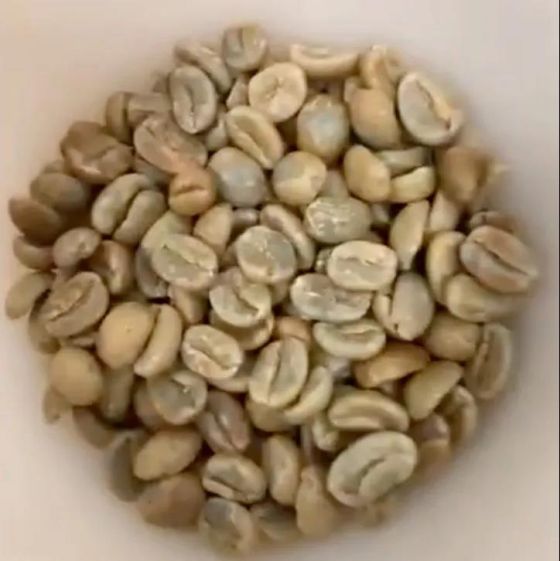
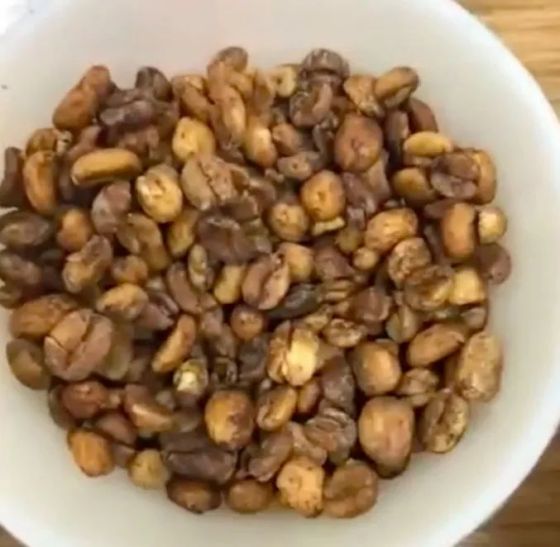
When observing green coffee beans from different processing methods, careful roasters will notice that anaerobically fermented beans (especially natural types) often have firmer and smaller grains. This is because in sealed fermentation tanks, metabolites produced by the breakdown of the mucilage layer under anaerobic conditions penetrate into the bean body, while the physical pressure generated by the contraction of the fruit skin changes the bean's density and color distribution.
The Divergence Between Traditional and Innovative Fermentation Logic
Although modern coffee processing techniques are diverse, none can do without the key step of fermentation. It is worth noting that what is traditionally understood as 'aerobic fermentation' actually also includes a brief anaerobic phase, while the emerging anaerobic processing method achieves more precise flavor direction by completely isolating the oxygen environment. The essential difference between the two lies in this: traditional processes rely on natural environmental variables (such as temperature and humidity, microbial communities) and have fewer controllable dimensions; anaerobic systems allow operators to monitor pH, sugar content, and pressure changes in real time, ensuring batch stability.
This difference in controllability is directly reflected in the finished product—anaerobically processed coffee usually shows a more uniform sweet-acid balance and a fuller body, while traditional processing methods retain more regional character and random flavor highlights.
Technical Map of the Anaerobic Fermentation Family
As an industry-benchmark innovation, the spread of anaerobic fermentation began with the demonstration application by Sasa Sestic, the 2015 World Barista Championship winner. His team injected food-grade carbon dioxide into sealed tanks to displace oxygen, combined with a constant temperature environment of 20-22°C, prompting coffee beans to slowly release aromatic substances under low-oxygen conditions, ultimately forming the signature tartaric-acid finish and silky-smooth mouthfeel.
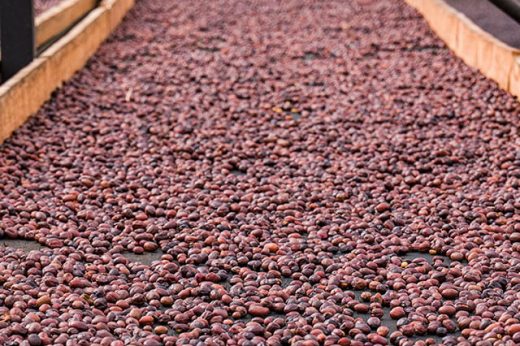
The advanced version of anaerobic natural processing has even stricter requirements: within 24 hours after picking, whole coffee cherries are placed into double-layer stainless steel fermentation barrels, maintaining a low-temperature environment of 8-12°C to inhibit the growth of miscellaneous bacteria. After the 72-96 hour anaerobic phase ends, the cherries are transferred to African drying beds for 18-25 days of gradient sun drying (moisture content strictly controlled at 11%±0.5%). A typical example is the Huayueye lot from Finca El Estoracón in Antioquia, Colombia. After this process, it presents a trio of cantaloupe sweetness, light cream texture, and dark chocolate finish.
The anaerobic washed process takes a differentiated path: first, the beans in parchment undergo a 12-hour dry pre-fermentation without added sugar to activate enzyme activity; after the mucilage layer is removed, they are immediately put into vacuum fermentation tanks for a 24-48 hour medium-temperature (18-20°C) anaerobic reaction. This combined process retains the clean base of washed processing while layering on the complex aromas brought by fermentation. The Pink Bourbon from Hacienda La Esperanza in Panama is a model example; its flavor matrix covers blood orange acidity, wild blueberry burst, Ceylon black tea richness, and a cocoa powder finish.
For practitioners pursuing extreme complexity, double anaerobic technology offers more possibilities. This approach includes two independent anaerobic stages: the first stage completes basic metabolic conversion in a standard fermentation tank, and the second stage changes containers and adjusts the gas ratio (such as increasing nitrogen content) to guide the transformation of the microbial community. After this process, the Sakura variety from Finca El Paraiso in Colombia shows a top-note collision of cinnamon spice, sharp lime-like acidity, and spearmint aroma, with a cooling menthol sensation emerging in the middle and a honey-caramelized sweetness at the finish.
Crossover Inspiration: Coffee's Interpretation of Red Wine Craft
Carbonic maceration processing is a model of cross-disciplinary technology transfer. Its prototype comes from the whole-cluster fermentation technique for Pinot Noir in the Burgundy region—whole grape clusters without destemming are placed in a sealed container filled with CO₂, and the weight of the fruit itself crushes some berries, starting intracellular fermentation under oxygen-free conditions. After being transplanted to the coffee field, this method requires the use of whole coffee cherries with stems, fermented for 48-72 hours under a pressure environment of 1.2-1.5 Bar. After this technique was applied to the Catuai variety at Hacienda Hartmann in Panama, it successfully released a dramatic combination of passion fruit's bouncing acidity, tropical jackfruit sweetness, and long-lasting honeycomb honey aftertaste.
Mastering the underlying logic of these specialty processing methods not only helps consumers select beans according to personal taste preferences, but also provides a theoretical basis for adjusting home brewing parameters. For example, the high-sweetness characteristic brought by the processing method is suitable for extending the bloom time to stimulate aroma, while low-acidity bean varieties are recommended to use higher water temperatures to highlight body.