Fruit-Fermented Coffee: Flavor Gains and Risk Control
Introduction: The specialty coffee market's pursuit of unique flavors has spurred innovative processing methods such as fruit fermentation. This article provides an in-depth analysis of the principles, practical key points, and potential risks of co-fermenting coffee with fruit. By comparing the differences between traditional fermentation and fruit-assisted fermentation, it reveals how precise control of the microbial environment can enhance coffee flavor complexity, while reminding producers to pay attention to cost-effectiveness and quality stability issues.
Currently, the specialty coffee consumer market shows a pronounced flavor-oriented characteristic, with consumers increasingly favoring coffee products that have distinct regional characteristics and high cupping scores. This shift in demand has directly driven technological innovation on the production side, among which experimental processing methods involving the co-fermentation of coffee cherries with fruit have gradually emerged, becoming an important direction for the industry to explore flavor potential.
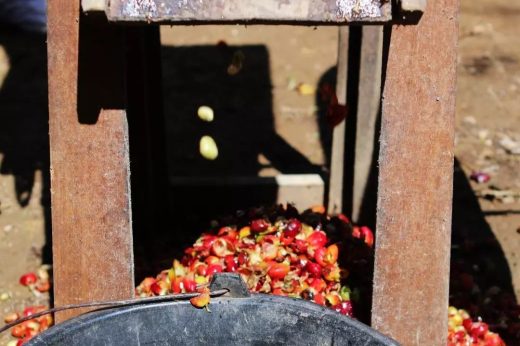
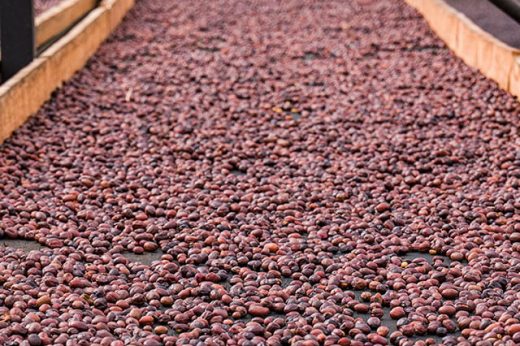
From a professional perspective, coffee fermentation is essentially a biochemical process initiated after the fruit is picked—sugars inside the coffee cherry are gradually broken down by the action of yeasts and bacteria, producing organic acids and ethanol compounds. These microbial metabolites significantly alter the acid-base balance and aromatic composition of the final coffee liquid. It is worth noting that this natural fermentation phenomenon begins from the moment the coffee is picked, but in the past, producing regions mostly focused on increasing yields; only in the past decade, with the explosion in demand for specialty coffee, have practitioners been prompted to systematically study the differentiated value of post-harvest processing techniques.
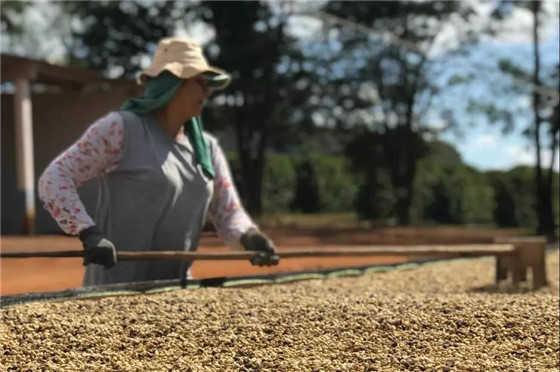
The practice in Brazil's Cerrado Mineiro region is of landmark significance. Local producers, drawing on the experience of countries such as Guatemala, have cultivated full-flavored coffee beans through refined fermentation control under humid and rainy climatic conditions. Agricultural expert Rabal points out: "The modern specialty coffee market's demand for micro-lot products forces producers to achieve product differentiation through innovation in post-harvest processing techniques." This view reveals the market demand logic behind the upgrading of fermentation processes.
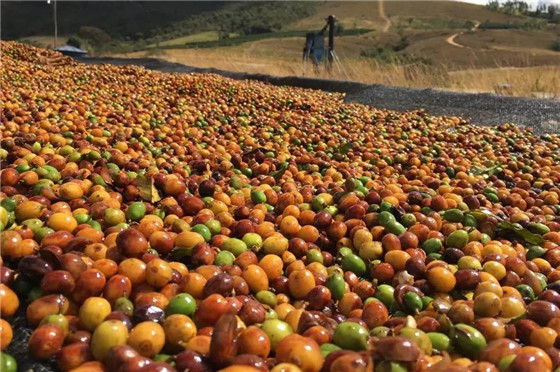
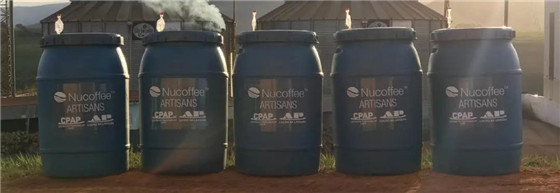
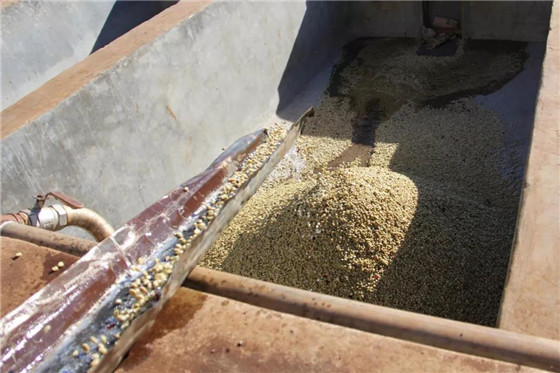
Fruit-assisted fermentation, as an advanced processing technique, is far more complex to operate than conventional methods. A typical implementation involves placing parchment coffee in a sealed container for anaerobic fermentation while mixing in whole fruit or fruit juice extract (such as citrus) at a specific ratio (commonly 1:5). Key control points include: precisely setting the fermentation duration (usually around 72 hours), strictly maintaining the target temperature range, and precisely adjusting the amount of fruit added. Taking a case from a Brazilian farm as an example, citrus crushed to a specific degree was placed in breathable cloth bags and put into fermentation tanks, ultimately producing coffee beans with a cupping score of 91 points. However, the researchers also admitted the difficulty of attributing the source of flavor—the boundary between the citrus-characteristic aroma and the coffee bean's own flavor is often difficult to clearly define.
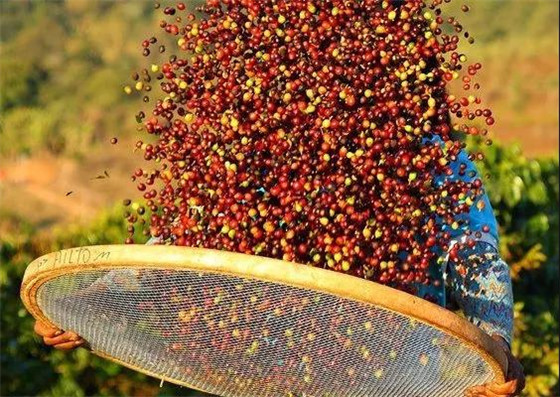
This process presents an obvious economic paradox: the purchase of fruit raw materials inevitably raises production costs, but the flavor improvement effect lacks certainty. Empirical studies show that fruit addition experiments in different batches often produce fluctuations in flavor performance, and the existing scientific literature contains very limited quantitative data on the interaction between fruit components and coffee flavor compounds. It is worth noting that early producers commonly used sugarcane syrup to promote pectin breakdown, while the latest industry tests show that glucose solution has better conversion efficiency at this stage.
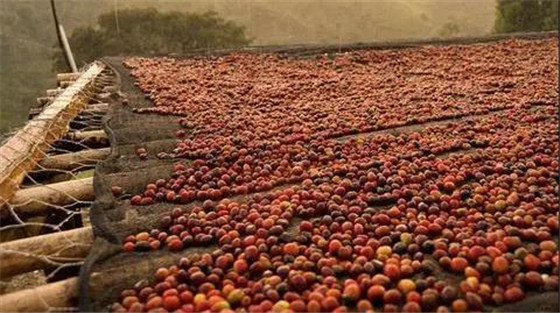
Assessed from the perspective of technical feasibility, fruit fermentation places higher demands on the production environment. The interaction between microbial communities and sugar molecules requires strict control of environmental parameters—including real-time monitoring of oxygen concentration, maintaining a constant temperature gradient, and precisely adjusting pH value. Any loss of control over environmental variables can lead to quality risks: it is not uncommon for input costs to increase while the output is a product with flavor defects. The industry consensus holds that at the current stage, the safer approach is to prioritize optimizing the basic fermentation process rather than blindly pursuing the flavor variation brought by fruit addition.
Professional institutions recommend that practitioners adopt a gradual innovation path: establish standardized experimental procedures, systematically record flavor impact data for different fruit types, addition ratios, and fermentation durations through controlled trials; when necessary, bring in microbiology laboratories for microbial community analysis to ensure the reproducibility of the experimental process. Only process adjustments based on sufficient empirical research can truly ensure that fruit fermentation technology brings stable quality improvement to coffee products rather than uncontrollable risk variables.