Global coffee green bean processing methods: from natural sun-drying to anaerobic fermentation
Introduction: Green bean processing methods directly affect the final flavor expression. This article systematically reviews the four core processing approaches—natural sun-drying, washed, honey, and fermentation—analyzing key technical details such as the differences between yellow, red, and black honey and the parameter control of anaerobic fermentation, with typical application cases from various producing regions. Mastering this knowledge helps coffee enthusiasts predict flavor tendencies through processing methods, and roasters can also use it to optimize roasting curves.
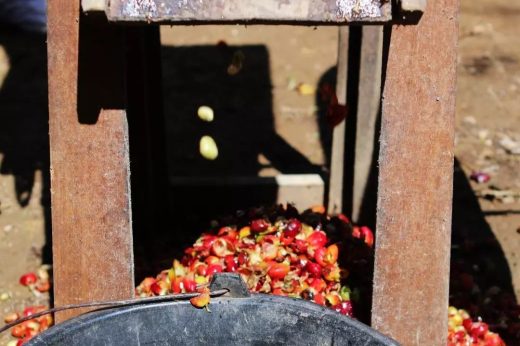
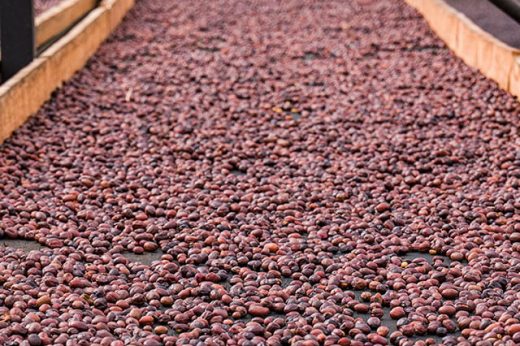
Green bean processing is the key link between the orchard and the cupping table. Among these, the natural sun-drying method, as the oldest processing method, simply requires placing the whole harvested coffee cherries directly in the sun to dry for about 28-30 days (for every 100 meters of elevation gain, 1-2 days must be added). This process requires turning the cherries 3-4 times daily to ensure even drying, and the final moisture content must drop to 11%-12%. Although it is time-consuming and easily affected by weather, it fully preserves the sugars in the fruit pulp, giving the coffee intense tropical fruit notes such as blueberry and mango, making it particularly suitable for dry producing regions such as Ethiopia.

The washed processing method originated in 19th-century Latin America, and its standardized flow includes five key steps: first, remove floating beans through density grading (defective beans have lower density), then use a depulper to strip the outer skin and pulp, and the retained pectin layer must be fermented for 16-36 hours at 18-32°C (terminated when the pH value drops to 4.5). Professional processing plants use stepped washing channels, removing residual pectin through counter-current rinsing, and finally dry the beans to 11% moisture content. Coffee produced by this process has clear citrus acidity and a black tea finish; the washed Geisha from Colombia's Huila region is a classic example.
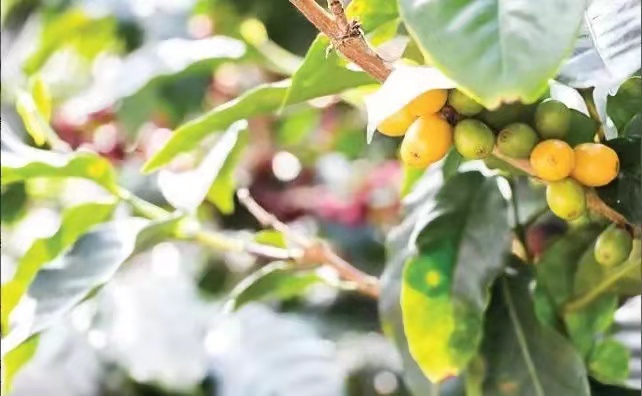
The honey processing method (Honey Process), which sits between natural and washed, centers on precise control of the amount of pectin retained. Costa Rican agronomists grade it according to the proportion of pectin retained: yellow honey retains 40% of the pectin and is dried in full sun (average daily temperature must be >25°C), red honey removes only 25% of the pectin and requires shade netting (extending to 12-14 days), and black honey fully retains the pectin layer for slow drying (using UV-proof tarps throughout). It is worth noting that some estates in Brazil use mechanical turning instead of manual labor, compressing the black honey drying cycle to 18 days, but the bean surface temperature must be monitored not to exceed 40°C to prevent scorching.
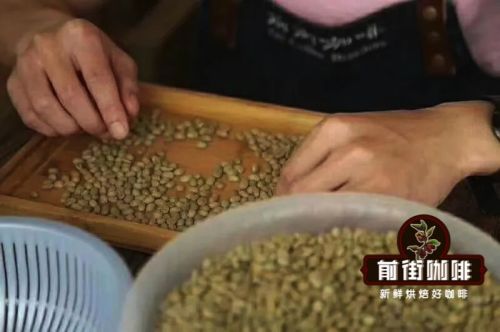
The visual characteristics of the honey process are obvious—the drying mucilage-covered beans show an amber luster, and different color grades correspond to unique flavors: yellow honey highlights bright lemon acidity and honey sweetness, red honey develops a crème caramel texture, and black honey presents rich layers of dark chocolate and raisin. The volcanic soil of Guatemala's Antigua region is particularly suitable for this process, enhancing pectin conversion efficiency.
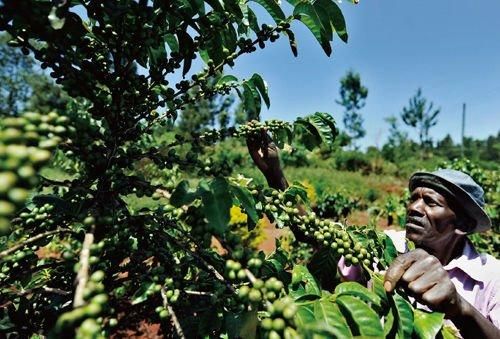
The emerging anaerobic fermentation processing method enhances complexity by controlling the microbial environment. Take Rwanda's Intango clay pot process as an example: parchment beans and pulp are placed in a sealed clay pot (capacity about 200L), clarified juice with 12°Brix sugar content is added, and fermentation is maintained at a constant 18±1°C for 72 hours. Modern improved schemes mostly use stainless steel fermentation tanks, monitored by DO (dissolved oxygen) probes, precisely controlling the fermentation pH value within the 3.8-4.2 range. This process amplifies the microclimate characteristics of the producing region; for example, the anaerobic Geisha beans from Panama's Hacienda La Esmeralda often carry lychee fermentation aroma and a black tea finish.
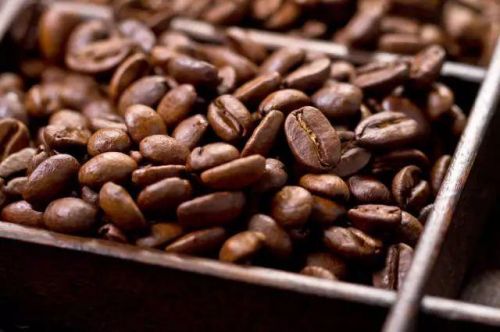
Professional processing plants record three key parameters: fermentation duration (usually 12-72 hours), temperature curve (not exceeding 28°C in tropical producing regions), and termination timing (detecting changes in bean density with a hydrometer). Particular attention should be paid to the fact that over-fermentation produces an acetic acid taste; beginners are advised to start practicing with the simple sealed-bag method, controlling each batch to no more than 5kg of green beans.