Wine Processing for Coffee Beans: Enhancing Flavor with Winemaking Techniques
Introduction: Wine processing is an innovative technique that has garnered much attention in the specialty coffee field in recent years, inspired by winemaking techniques. How does this processing method affect coffee flavor? How does it fundamentally differ from traditional washed and natural processes? This article delves into its scientific principles, main classifications, and practical procedures, guiding you to understand how Colombian estates create specialty coffee beans with bright acidity or rich, creamy notes through precise control of fermentation conditions.
When Sasa, a competitor in the 2015 World Barista Championship, presented a Colombian coffee with a unique vinous aroma, the judges were surprised to find that it was not mixed with wine, but rather a coffee processing method that simulates winemaking. This innovative technique, known as "wine processing" (or wine-like processing), has now become an important direction for exploring flavor boundaries in the specialty coffee industry.
The core of this process lies in borrowing the concept of precise control from wine fermentation. Currently, only eight top estates in Colombia have successfully achieved commercial production worldwide. Based on the technical routes of these estates, there are three main types: acetic acid fermentation (aerobic) through aerobic environment, lactic acid fermentation (anaerobic) relying on anaerobic conditions, and a combined mixed fermentation mode. Each method imparts distinctly different flavor characteristics to the coffee.
The biggest difference from traditional processing methods is the precision of environmental control. Standard washed or natural processes often struggle to consistently control the fermentation process, while wine processing ensures reproducibility through triple parameter adjustments: strictly controlling pH within the range of 4.2-4.8, maintaining a constant temperature of 20-25°C, and keeping relative humidity at 65%-75%. Specially designed sealed fermentation containers effectively lock in aromatic substances, reducing the loss of volatile compounds by about 40% compared to traditional open-air processing.
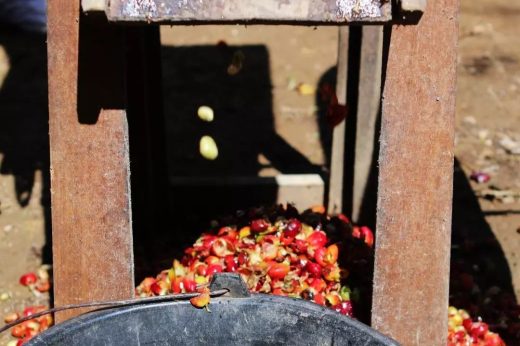
The raw material selection stage reflects strict standards: after picking, coffee cherries must pass through an optical sorter, requiring less than 2% unripe fruit, no more than 3% defective beans, and a flotation removal rate within 5%. These standards are more than three times stricter than those for ordinary commercial bean processing, laying a high-quality foundation for subsequent fermentation.
In the specific operational steps, aerobic fermentation (acetic acid fermentation) typically uses stainless steel fermentation tanks with one-way exhaust valves. This design allows carbon dioxide to escape naturally while preventing oxygen from entering. The citric acid produced during fermentation brings bright citrus notes. The entire process lasts 18-24 hours, during which sugar content changes need to be monitored every 4 hours. It is worth noting that a special breathable membrane is usually laid at the bottom of the container to ensure gas exchange while preventing impurities from mixing in.
The lactic acid fermentation stage requires actively injecting food-grade carbon dioxide to create an anaerobic environment, which effectively inhibits the growth of miscellaneous bacteria and promotes the conversion of malic acid. Professional processing plants use pressure sensors to monitor the pressure inside the tank in real time, maintaining it within the ideal range of 0.8-1.2 atmospheres. The succinic acid (tartaric acid) produced in this process is key to forming a creamy, rich mouthfeel. The fermentation period is extended to 36-48 hours, and the temperature must be precisely maintained between 18-22°C to avoid excessive sourness.
The mixed fermentation mode combines the advantages of both processes, first conducting 24 hours of aerobic fermentation to activate fruity aromas, then transferring to an anaerobic environment to develop complexity. This composite processing requires more complex equipment support, including zoned temperature control systems and multi-stage gas regulation devices. According to actual measurements, coffee beans processed with mixed fermentation typically exhibit richer layers, with both bright top-note acidity and a lasting nutty finish.
For coffee enthusiasts, identifying the characteristic flavors of wine processing can focus on three dimensions: observing whether there are obvious red berry notes (such as raspberry and cranberry) through cupping, noting whether a silky mouthfeel can be felt on the tongue, and whether a mineral sensation similar to aged wine remains in the aftertaste. These traits make it particularly suitable for pairing with strong-flavored foods such as dark chocolate or cheese.