Panama Esmeralda Green Label Geisha Cold Drip: Flavor and Brewing Guide
Introduction: An in-depth look at the flavor profile and market pricing context of Panama Esmeralda Estate Green Label Geisha coffee beans, with a complete walkthrough of a 600ml cold drip extraction. From the variety's origins to flavor differences among plots, it offers professional parameter recommendations for a 1:10 coffee-to-liquid ratio and explains key points for preserving flavor by drinking within 2 days of completing the cold drip.
As a benchmark variety in the global specialty coffee market, Panama Geisha has long held a place on high-price lists thanks to its distinctive floral and fruity character. Its value reflects both the variety's scarcity and Esmeralda Estate's exhaustive exploration of terroir.
Geisha is in fact a special branch of the Arabica family. Unlike commonly seen regionally named varieties such as Yirgacheffe, this coffee tree, which originates from the Geisha forest in Ethiopia, passed through Kenya and Costa Rica before finally blossoming in Panama's volcanic soil. Its signature jasmine aroma and citrus notes, together with a multi-layered tropical fruit finish, have made it a flavor icon among coffee lovers.
 Esmeralda Estate Geisha currently on the market is mainly divided into three grades: the top-tier Red Label Special (ESMERALDA SPECIAL), which can be traced to a specific growing plot and yields only about 270 kg per year; the next tier, Green Label (PRIVATE COLLECTION), a blend of beans from multiple plots grown at elevations of 1600-1800 meters, with three major production area designations added from 2022: Jaramillo, Cañas Verdes, and Velo; and a more affordable Blue Label batch. Among these, the washed Green Label version, with its stable orange-blossom aroma and honeyed sweetness, has become the entry-level favorite.
To understand why prices remain high, one must go back to the variety's discovery in 1931. After cultivation at a Kenyan research institute and trial planting in Uganda and Tanzania, it did not take root in Panama until the 1970s. In 2003, Daniel, the third-generation owner of Esmeralda Estate, discovered during cupping that the variety showed a rare combined flavor of bergamot and blueberry, and that same year it won the BOP competition as a dark horse, later taking the SCAA world championship in 2006-2007 and cementing its legendary status.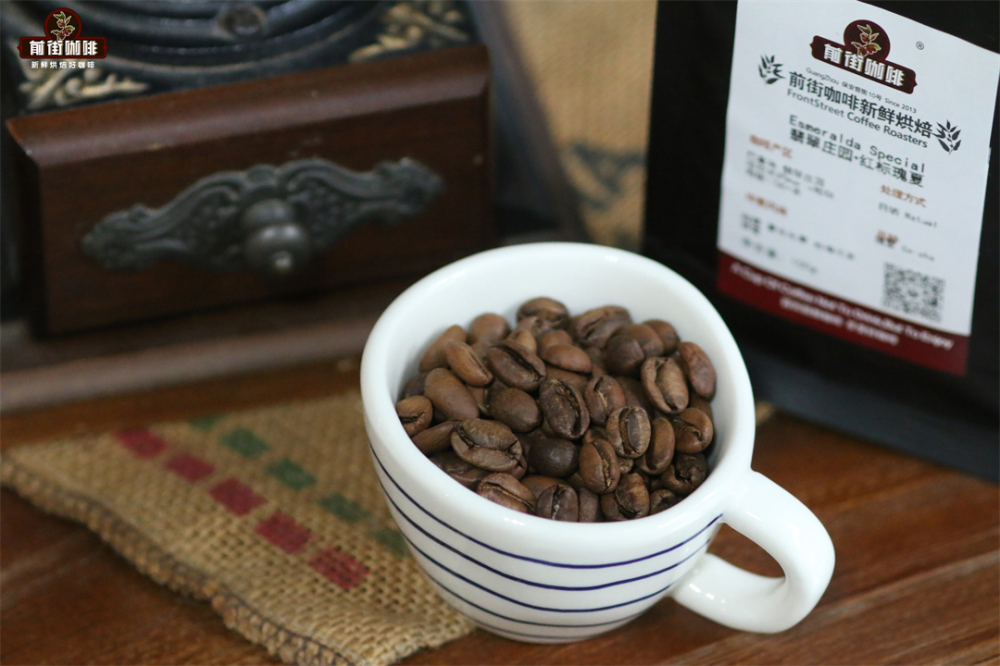
Regarding flavor differences in Green Label Geisha, official Esmeralda Estate data shows: the Jaramillo plot highlights an intense jasmine and rose fragrance; the Cañas Verdes batch has pronounced tropical fruit characteristics; and the Velo estate shows a fresh lemongrass aroma. The washed processing method enhances the overall purity of the aroma, making it especially suitable for showcasing layers through the cold drip technique.
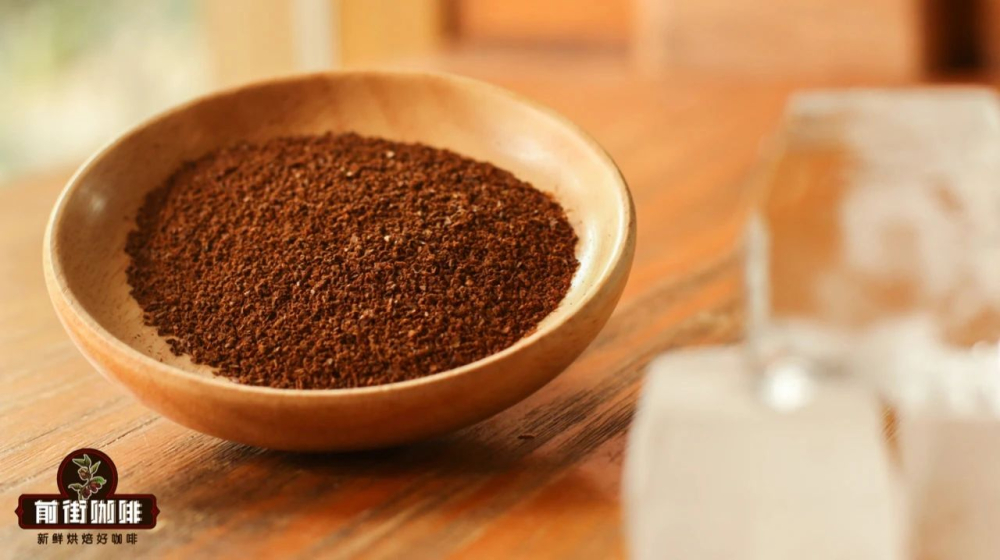
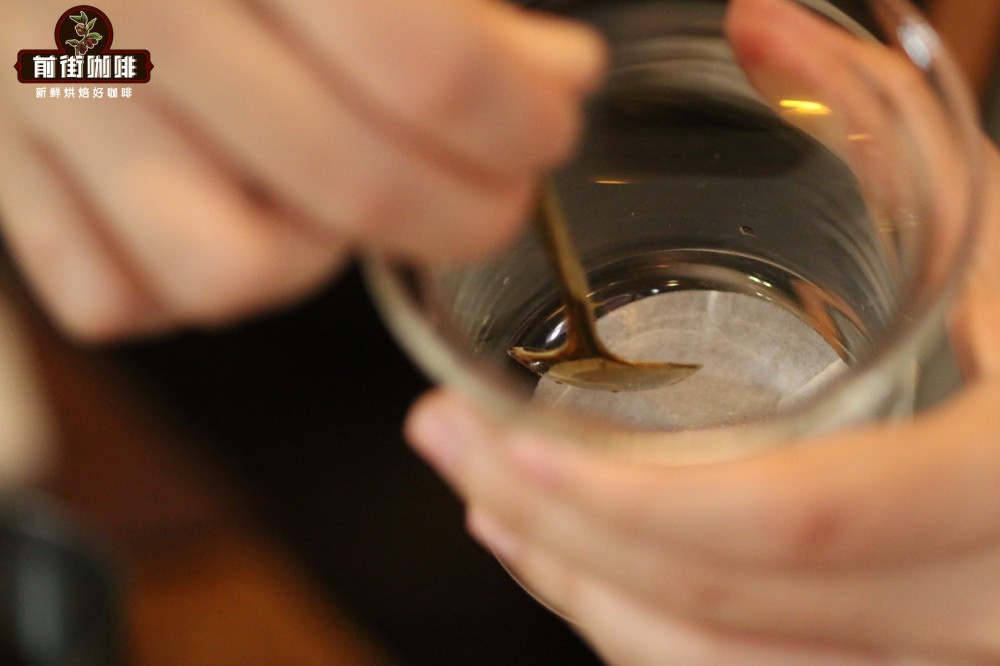
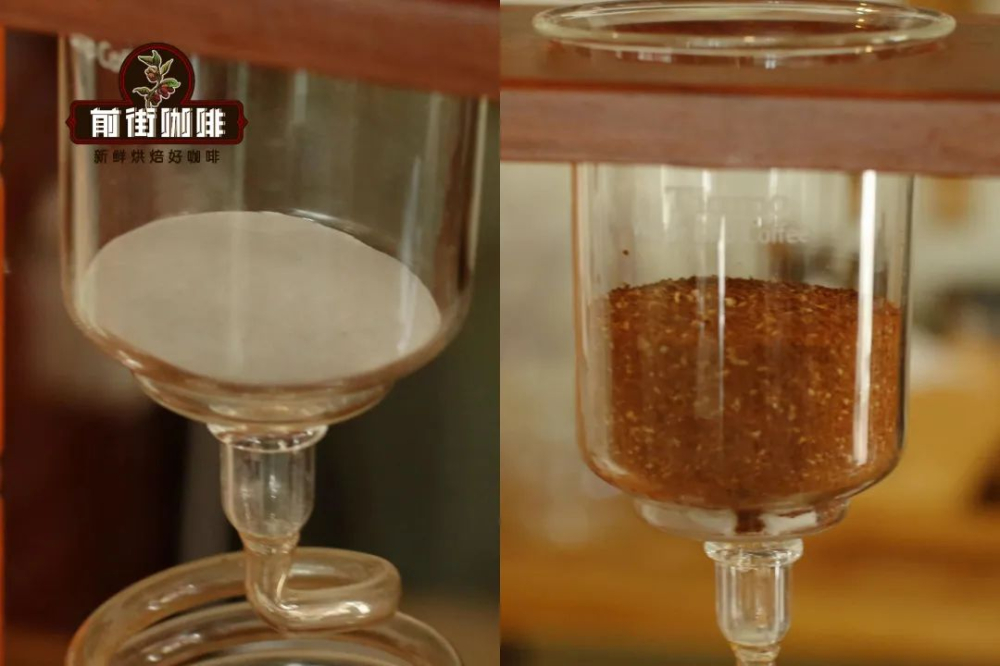
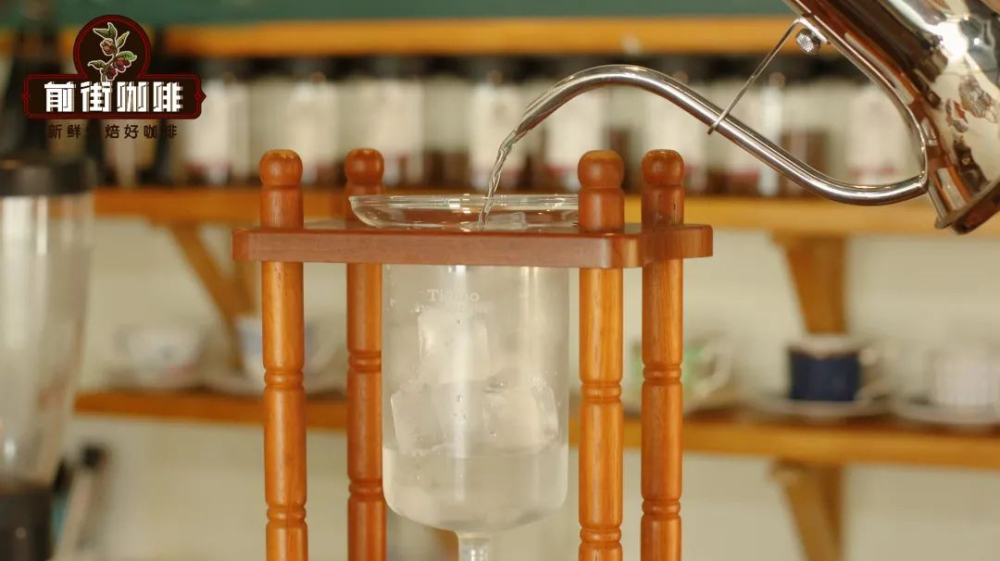
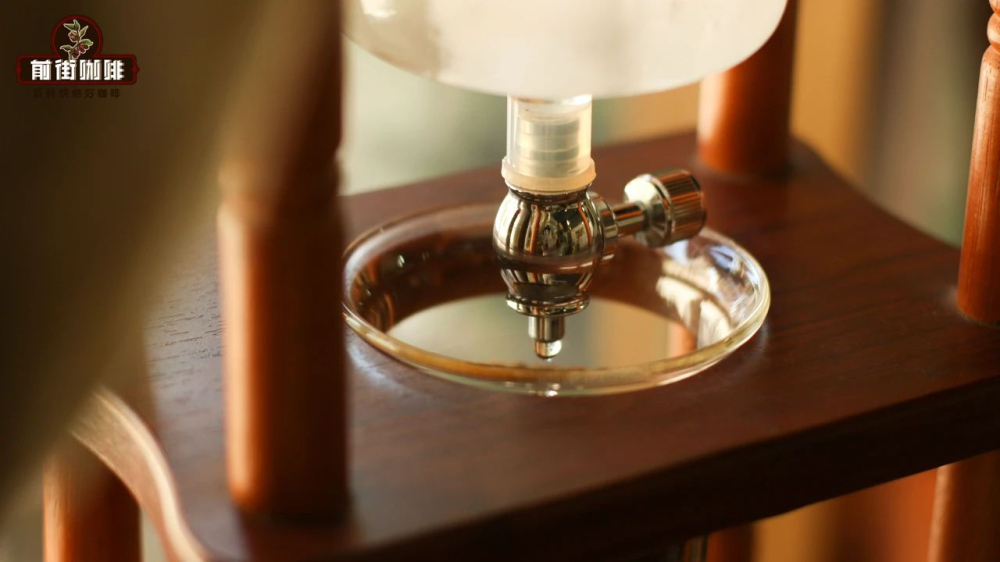
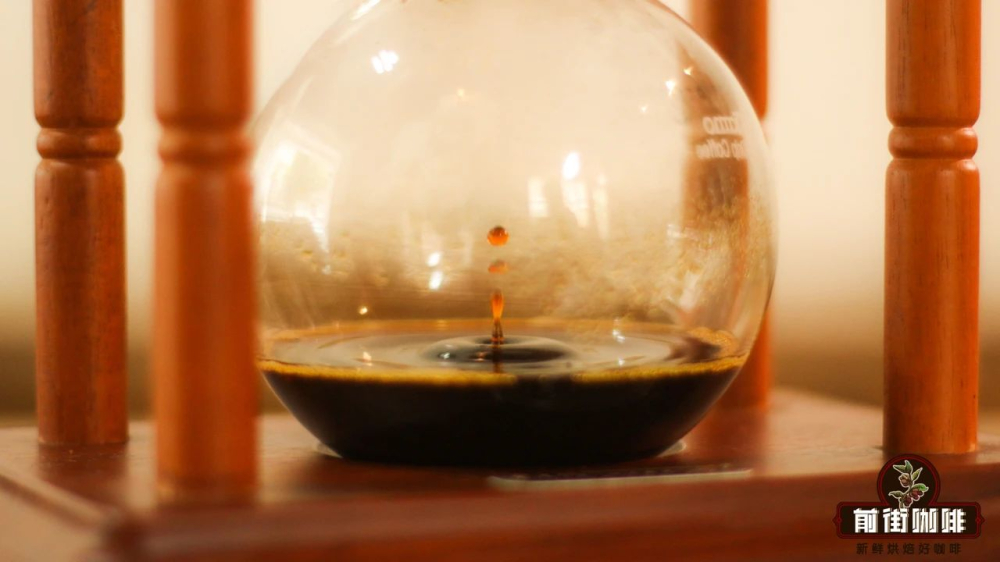
 Recommended cold drip extraction parameters: use 60 grams of freshly ground coffee (grind size comparable to fine granulated sugar), paired with 600 milliliters of total liquid (ice-to-water ratio 1:1), maintaining the golden coffee-to-liquid ratio of 1:10. When setting up the device, first wet and flatten the filter paper, load the coffee grounds in layers, then lay a second layer of filter paper. In the initial stage, pour quickly to complete the bloom and pre-wetting; once the coffee bed is fully saturated, adjust the valve to control the drip rate at a steady range of 5-7 drops per 10 seconds.

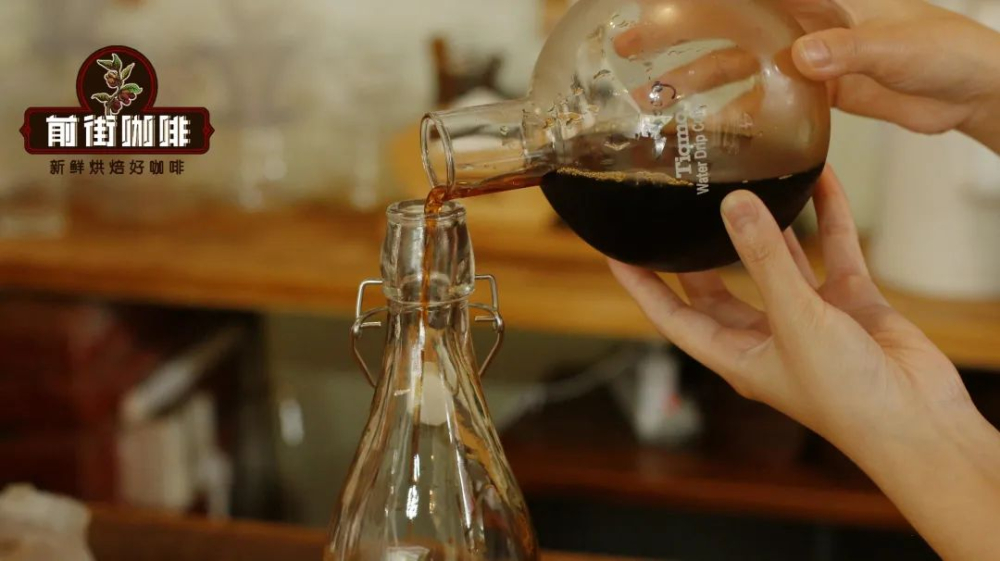
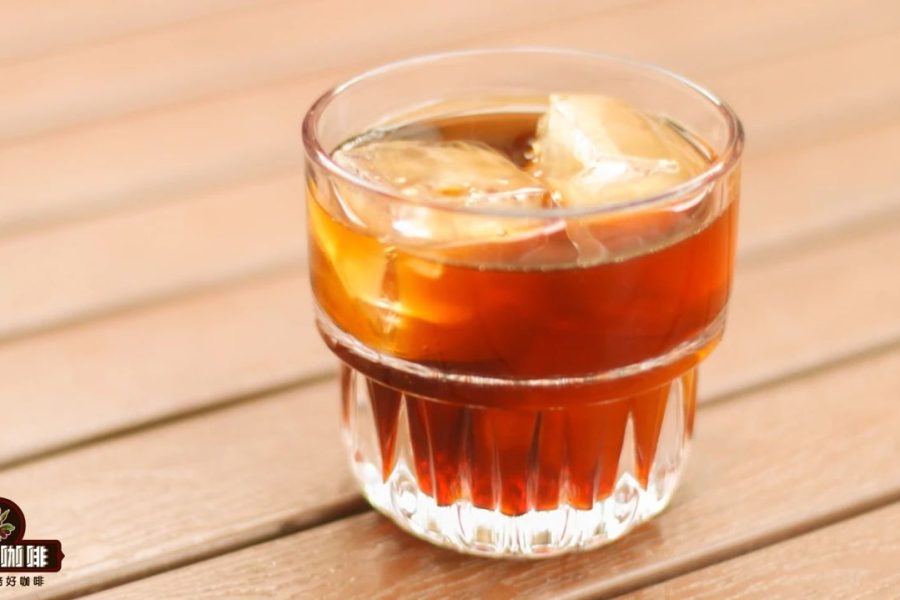
The entire extraction process requires a stable ambient temperature, and dripping is usually completed in 12-16 hours. It is recommended to seal the resulting coffee liquid and refrigerate it for 48 hours to promote full integration of flavor compounds. The final product presents a delicate balance of white floral notes, orange sweetness, and blueberry acidity, with a green tea base running throughout; the low-temperature environment created by the ice structure further highlights the overall purity.
 It is worth noting that all low-temperature extracted coffee contains active substances, so it is recommended to drink it within 5 days of preparation to ensure the best flavor. In practice, parameters can be fine-tuned to personal taste: for stronger fruit acidity, shorten the resting time; for a fuller body, appropriately extend the drip cycle. For cold drip equipment, precision flow-control dedicated devices are recommended; for home use, a graduated drip device can be substituted.
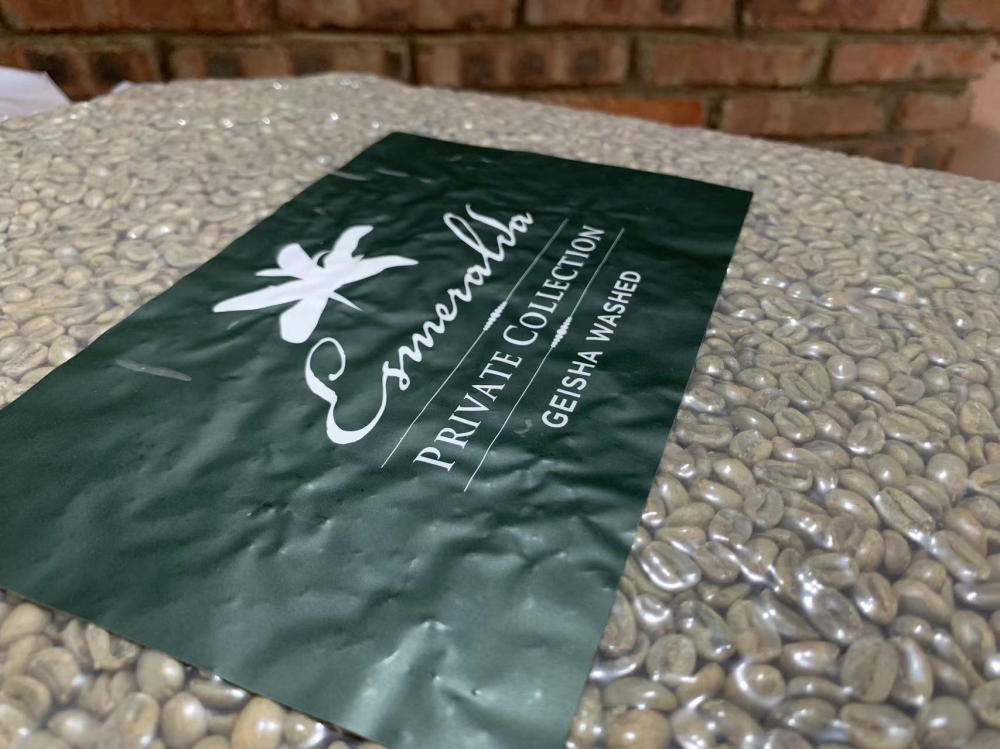
By systematically mastering these key details, even home users can recreate a Geisha cold drip experience close to estate level. From variety history to production area terroir, from parameter control to flavor evolution, every step affects the sensory presentation in the final cup.