Specialty vs. Single-Origin Coffee: How to Choose Flavorful Beans
Introduction: Specialty coffee and single-origin coffee are often confused—what exactly sets them apart? Specialty coffee emphasizes quality control throughout the entire process, from cultivation to cupping, while single-origin coffee focuses on traceability to a single region. This article takes a deep look at the core differences between the two and walks you through the scoring standard for specialty coffee (80 points and above), its flavor characteristics, and how to choose high-quality beans that better suit your taste based on region, processing method, and roast level—so you can elevate your coffee-tasting experience.
In today's coffee market, we often hear the terms “specialty coffee” and “single-origin coffee,” but many people aren't clear on the specific differences between them. Specialty coffee isn't just a good-tasting cup—it represents a pursuit of excellence across the entire process, from cultivation, harvesting, and processing to roasting and brewing.
There are currently two main ways to define specialty coffee. The first is the scoring standard set by the Specialty Coffee Association (SCA): only beans that score 80 points or above in cupping can be called specialty coffee. The second, broader definition refers to beans that clearly state the variety (usually Arabica), growing altitude, and processing method; these coffees typically come from specific regions and have distinct flavor characteristics.
In fact, there is no absolutely unified official certification for specialty coffee, but the industry widely accepts a concept first proposed by Erna Knutsen at an international coffee conference in 1978: specialty coffee is coffee grown under unique climate and geographical conditions with a distinctive flavor. Later, the SCA further enriched this idea, emphasizing that specialty coffee is not just a final beverage but a complete “seed to cup” process—including the growing environment, green bean sourcing, roasting craft, brewing techniques, and even the consumer's drinking experience—all of which together determine coffee quality.
This full-chain quality control is precisely the core of specialty coffee. The SCA scores coffee through a professional cupping system; only beans scoring above 80 are recognized as specialty coffee, while those below are classified as commercial-grade coffee. Although there is currently no mandatory certification system for specialty coffee, there are still some common ways to identify it within the industry.
First, specialty coffee usually has a high degree of traceability. The country of cultivation, region, farm—even the specific plot—can all be clearly traced. This transparent production history not only helps ensure coffee quality but also makes pricing more reasonable, giving consumers greater confidence in their choices.
Second, cupping is an important means of evaluating specialty coffee. Whether it's the farm at origin, the green bean trader, the roaster, or the barista, all use cupping to assess a coffee's flavor performance. Professional cuppers (Q Graders) score coffee according to a unified standard based on aroma, acidity, sweetness, body, and aftertaste, thereby selecting high-quality beans. Today, more and more coffee farmers and processing facility staff are also taking part in cupping in pursuit of better output.
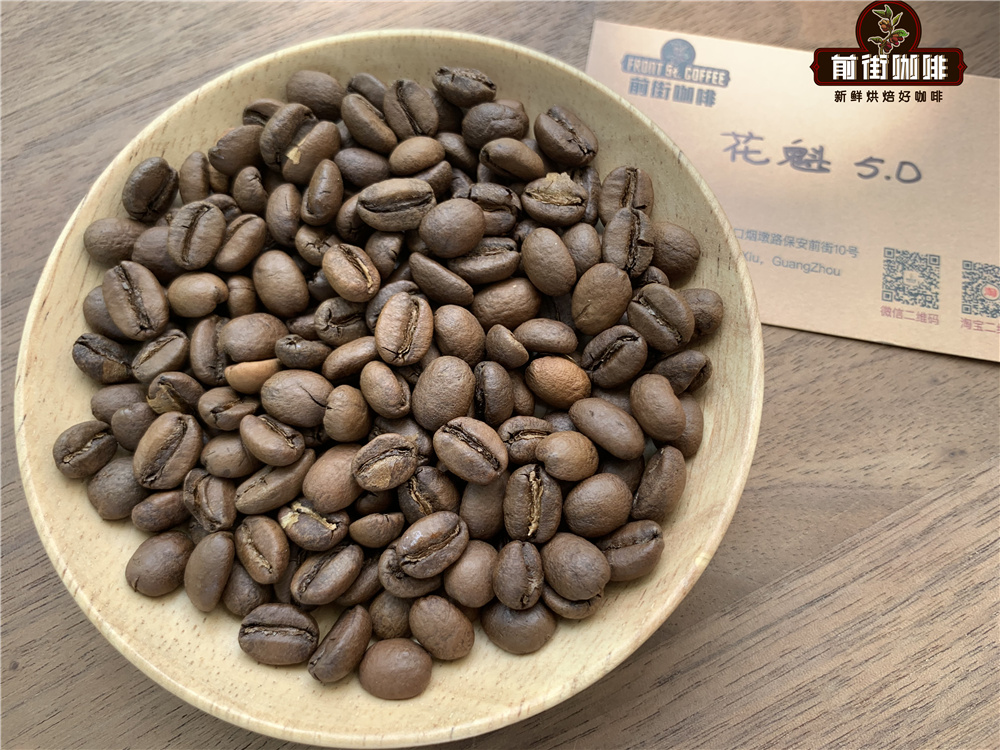
In addition, the clarity of packaging information is also an important reference for judging specialty coffee. On many specialty coffee packages, you can see detailed information such as region, processing method, coffee variety, flavor description, and roast date. This information not only helps consumers better understand the coffee's characteristics but also allows them to make choices based on their own taste preferences.
So why should we choose specialty coffee? In the past, the public's impression of coffee often stopped at the taste of “bitterness,” mainly due to the dark-roast style of the second wave of coffee. However, with the rise of third-wave coffee culture, medium-light roasts have gradually become mainstream, and the concept of specialty coffee has become popular along with it. Specialty coffee emphasizes showcasing the unique flavors of the beans themselves, especially the regional characteristics of different origins—such as citrus, floral, tropical fruit, or nutty notes—which are more easily preserved and highlighted under medium-light roasting.
Compared with the burnt bitterness and monotony of traditional dark roasting, specialty coffee uses gentler roasting methods to reduce over-caramelized flavors, allowing the coffee's original flavors to come through and delivering a richer, more pleasant drinking experience.
Next, let's distinguish single-origin coffee from specialty coffee. The point of single-origin coffee is not whether it comes from a single region or a single variety, but whether its production process has good traceability. By clearly labeling the coffee's source, single-origin coffee lowers the barrier for consumers, helps people avoid buying poor-quality beans, and also encourages producers to improve their cultivation while helping baristas better understand the characteristics of the beans they use.
However, single-origin coffee cannot fully guarantee high quality. Even from the same region, different growing conditions, processing methods, and roasting techniques all have a huge impact on the final flavor. Therefore, single-origin coffee only guarantees transparency of origin, not absolute excellence in quality.
To address this issue, the concept of specialty coffee emerged. Building on single-origin coffee, it further emphasizes the influence of “terroir” and “microclimate” on coffee flavor, treating coffee production as a fine agricultural art. Specialty coffee not only focuses on origin information but also explores in depth how the growing environment, altitude, and processing techniques shape flavor. You could say specialty coffee represents a higher level of pursuit in coffee quality; it evolves with consumers' changing tastes and represents the coffee industry's ongoing exploration of flavor and quality.
Overall, if you want coffee with more regional character, richer flavor, and more consistent quality, specialty coffee is undoubtedly the choice worth trying. When selecting, pay attention to the coffee's region, altitude, processing method, and roast level, and combine these with your own taste preferences to find the specialty coffee that's right for you.