Indonesian Coffee Explained: Three Regions, Varieties, and Wet Hulling
Introduction: A deep exploration of Indonesia's three core coffee regions—Sumatra, Java, and Sulawesi—covering their geography, terroir, and varietal differences, with detailed notes on the flavor profiles of regional specialties such as Mandheling and monsooned coffee. The article also explains the principles and operational steps of Indonesia's signature wet-hulling process and its influence on flavor formation, and systematically reviews the genetic background, growing adaptability, and cup performance of mainstream varieties such as S795 and Tim Tim, providing coffee enthusiasts and industry professionals with a comprehensive framework from region to variety.
As a globally important coffee-producing country, Indonesia's varietal diversity often appears complex due to mixed planting. Understanding the genetic characteristics and historical background of these varieties not only helps producers accurately identify the flavor potential of different plots but also provides the market with more transparent product information. Data shows that about 90% of Indonesia's current coffee output comes from robusta, mainly used for commercial-grade coffee, while the specialty coffee sector focuses primarily on arabica varieties.
Indonesian coffee beans fall into three main categories: arabica, robusta, and liberica, with more than 20 subdivided varieties, among which Caturra, Catimor, Timor, Typica, S288, S795, and Sidikalang are the most common. Note that varietal performance depends heavily on environmental factors—humidity, rainfall, altitude, and soil characteristics all significantly affect yield and quality, and the same variety may show completely different flavor profiles in different regions. Therefore, whether producers are choosing varieties to plant or traders are predicting flavor and pricing, an in-depth understanding of regional varietal characteristics is essential.
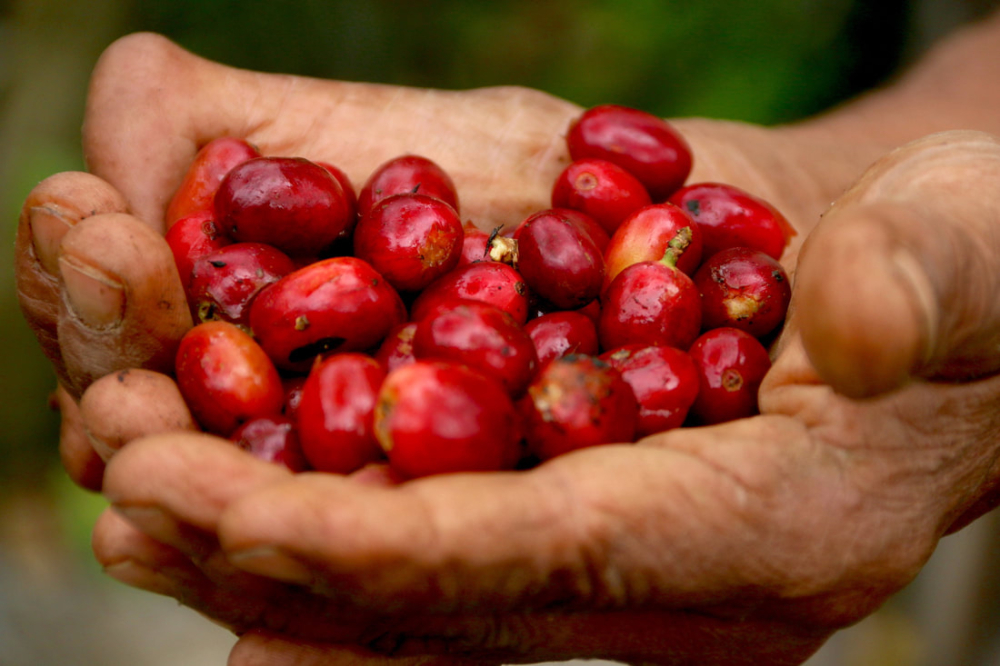
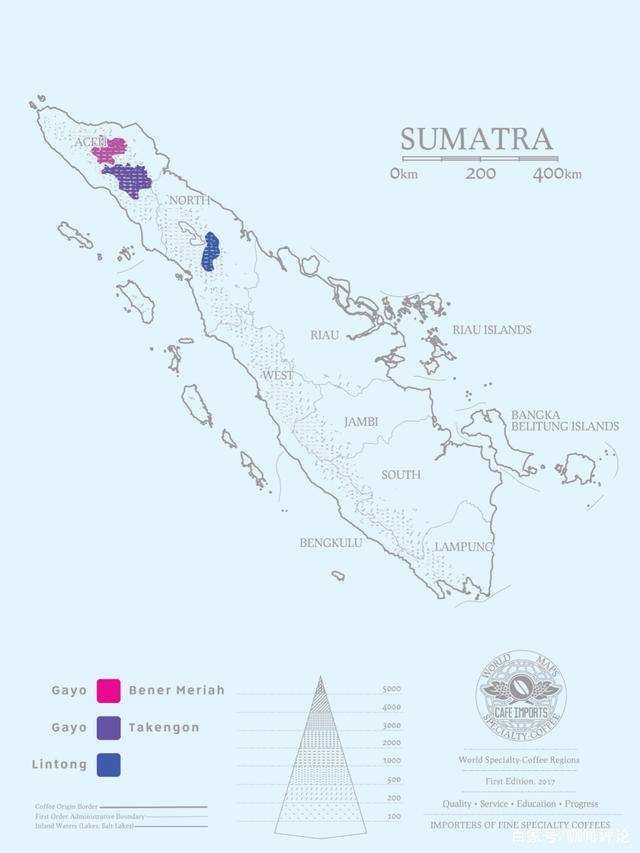
Sumatra region: As Indonesia's largest coffee-producing area, its core growing zones are concentrated in the northern highlands, with representative regions including Mandheling north of Lake Toba, Lintong around Lake Toba, and Gayo Mountain around Lake Tawar and Takengon in Aceh Province. The origin of the name Mandheling is generally believed to relate to the local Mandailing people, though the specific production area has not been clearly verified; Lintong coffee is named for the small town of Lintong southwest of Lake Toba; Gayo Mountain coffee comes from around Lake Tawar and belongs to the high-altitude mountains of Aceh Province.
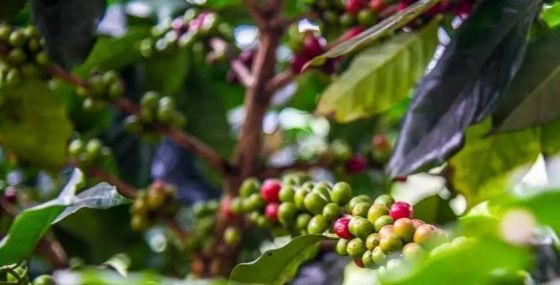
Java region: Indonesia's coffee-growing history began on the island of Java, which as early as the 18th century was an important supplier to the global coffee market; the classic product "Java Mocha" (a blend of Indonesian Java coffee and Yemeni Mocha) once led the trends of its era. The island initially adopted the large-estate model established by Dutch colonists, and after World War II and subsequent changes gradually shifted to a structure dominated by smallholders. Java coffee now accounts for only about one-tenth of national output, but the quality regions remain concentrated on five large farms with long histories, an important part of Indonesia's specialty coffee. Its specialty products also include monsooned coffee or aged coffee formed through long-term storage.
Sulawesi region: Known for Toraja coffee, which comes from the Tana Toraja area of South Sulawesi Province and is named after the indigenous Toraja people. The region lies about 300 kilometers north of the provincial capital Makassar and is a well-known tourist destination in Indonesia. Historically, the Sulawesi coffee industry mainly supplied the Japanese market.
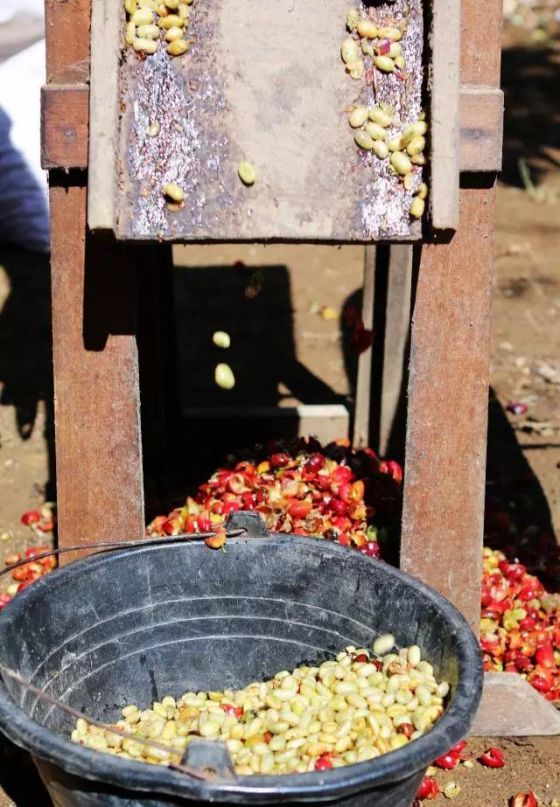
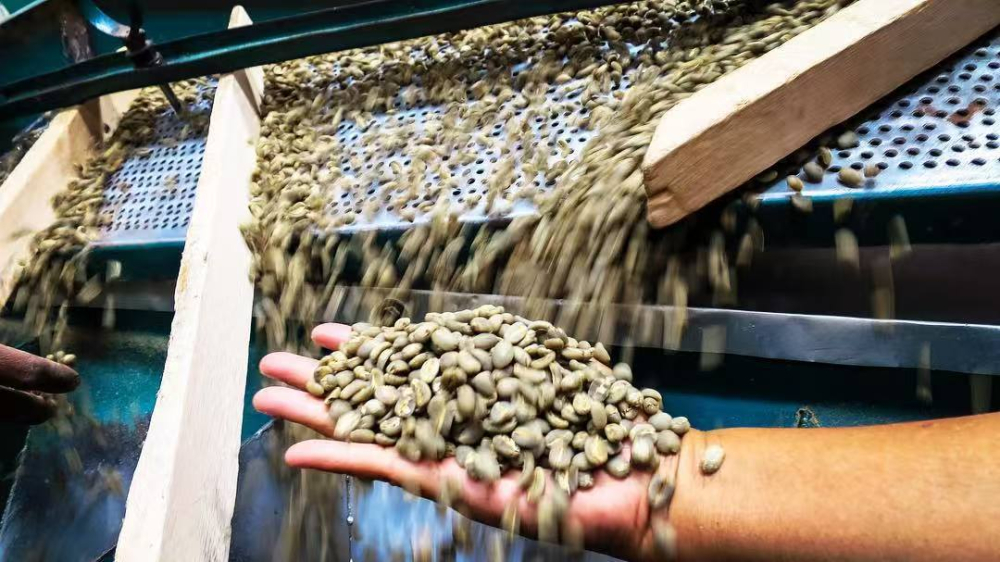
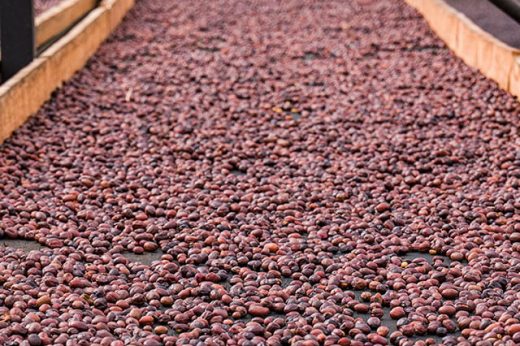
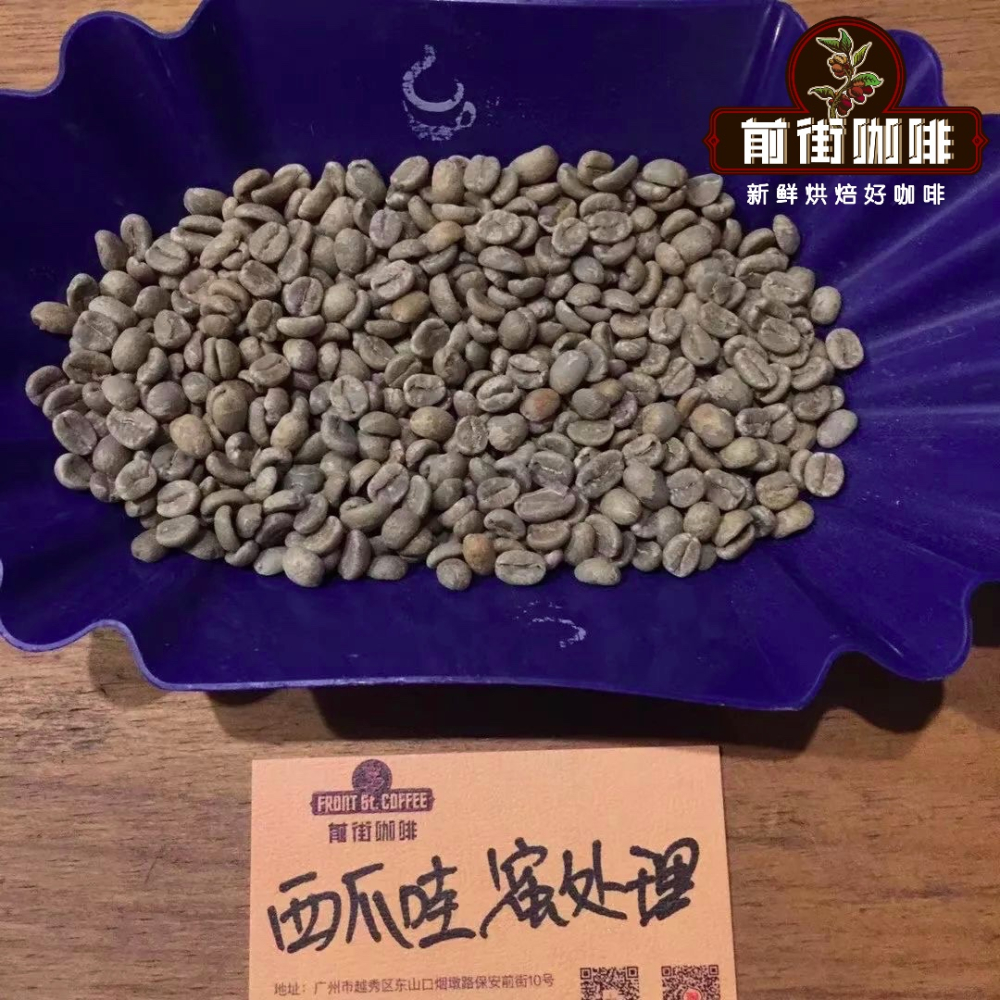
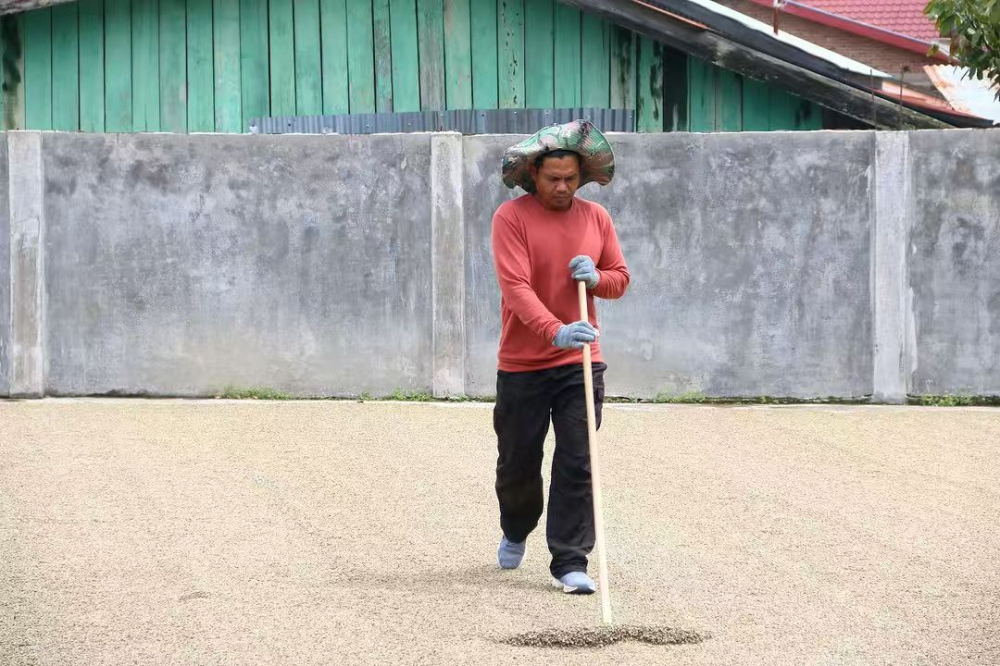
The most distinctive processing characteristic of Indonesian coffee is wet hulling (known locally as Giling Basah). This method is designed for Indonesia's humid climate, with humidity of 70-90% year-round and annual rainfall exceeding 2000 mm in some areas—conventional drying takes longer and easily leads to bacterial infection of green beans, whereas wet hulling accelerates drying by removing part of the hull early, shortening drying time to one-half to one-third that of washed processing. The specific process is: first remove the skin and pulp while retaining the parchment and mucilage, ferment in a water tank, wash off the mucilage, sun-dry with the parchment to a moisture content of 20-24% (about 2-3 days), then hull off the semi-dried parchment and continue drying to a moisture content of 12-13% before export. During this process, the beans in their semi-dry state are low in hardness and easily crushed, forming the characteristic "goat's foot" (kuku kambing) defect, while microbial activity gives Sumatran coffee its signature "earthy" flavor (now, with process improvements, it has shifted to a softer sweetness accompanied by complex aromas of leaves, tobacco, and cedar).
In terms of varieties, S795 is one of the most common varieties in Indonesia, derived from a cross of Kent and Liberica introduced from India in the 1970s, and widely planted in Bali and the Toraja region (known locally as Jember). Its flavor is dominated by maple syrup and brown sugar; it is easy to cultivate and adapts to a range of altitudes, but cup quality is generally lower than Catuai. Liberica's strong root-system genetics give it stable performance in Indonesia's variable climate, though yields are relatively limited.
Tim Tim (also known as Hibrido de Timor) is a natural hybrid of arabica and robusta discovered in the early 20th century and promoted in the 1950s for its resistance to leaf rust. It has given rise to local variants in different regions—such as Gayo 1 in Sumatra and Kopyol in Bali—with a flavor combining robusta's high body and arabica characteristics, often with pronounced sweetness, and is an important genetic resource for breeding programs.
USDA762 was introduced to Indonesia from Ethiopia in the 1950s and first planted in the Ijen volcanic area of East Java. Although it shares its origin with Geisha, it shows markedly different flavors due to adaptation to different environments; once widely planted for its leaf-rust resistance, it now survives only in high-altitude areas and has relatively weak flavor distinctiveness.
Kartika is a "localized version" of Catuai; although susceptible to pests and diseases, it performs well in the Wonosobo highlands of Central Java, where local farmers prefer to roast its small, uniform fruits in traditional clay pots. Andungsari is a short-stature, high-yield variety that has attracted attention in recent years, developed by the Indonesian Coffee and Cocoa Research Institute through selection of Catimor; it grows best above 1250 meters, cups well, and yields up to 2.5 tons per hectare, requiring careful management, and is currently mainly planted in the Kayo Aro area of Jambi Province, Sumatra.