PWN Golden Mandheling: Flavor Profile and Wet-Hulled Process Guide
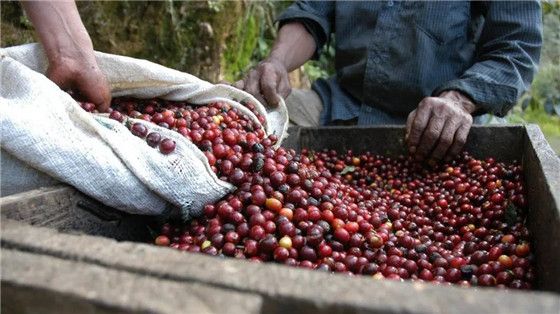
Introduction: This article provides an in-depth analysis of the flavor characteristics and unique processing methods of Sumatra Golden Mandheling, revealing how the scarce, triple hand-sorted beans from the PWN estate achieve their signature full-bodied mouthfeel. By comparing the differences between the traditional wet-hulled process and aged processing, it guides you through brewing recommendations and key points for identifying the flavor of this classic coffee bean, answering core questions about the 'earthy taste' and 'sweetness balance'.
The most distinctive regional characteristic of Sumatra coffee lies in its unique 'earth and spice' composite flavor. This special aroma, originating from the high-altitude growing environment, is not a literal earthy or muddy smell, but rather presents complex layers reminiscent of fresh rainforest leaf litter, pine resin, and a trace of black pepper, accompanied by a soft caramel sweetness and a silky, full body. Improvements in the modern wet-hulled process have gradually tempered the strong earthy notes of traditional impressions, instead highlighting brighter citrus acidity and a brown sugar finish.
Common market names such as 'Golden Mandheling' and 'Lintong Mandheling' are essentially sub-labels used by traders based on differences in producing regions or processing plants. It should be specifically noted that 'Mandheling' is neither a geographical name nor a coffee variety—this widely used term actually stems from a language misunderstanding between Japanese soldiers and the local Mandailing indigenous people during World War II. When the Japanese army asked about the coffee's origin, the growers mistakenly took the ethnic name 'Mandheling' as the answer for the place of origin. This beautiful mistake ultimately became synonymous with Sumatra specialty coffee.
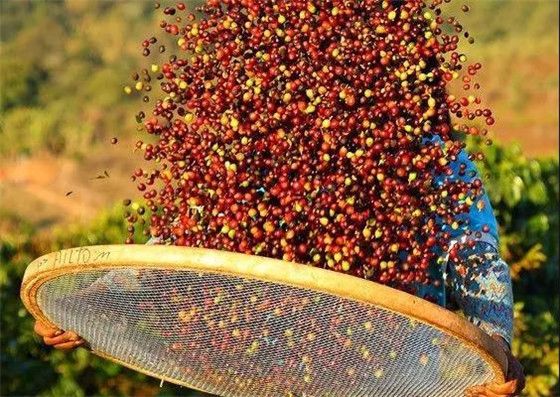
PWN (Pawani), as Indonesia's largest supplier of specialty green coffee, produces a triple hand-sorted Golden Mandheling that serves as the benchmark for this category. Selected from native Typica trees in mountainous areas at elevations of 1,400–1,600 meters, each batch yields less than 1 ton of beans meeting the stringent standards. After dark roasting, it presents a signature nutty-chocolate base with a honey-like, viscous sweet aftertaste. It is worth noting that the market price of such top-tier Mandheling often matches that of Jamaican Blue Mountain, mainly because its average annual output is less than one-thousandth that of ordinary commercial beans.
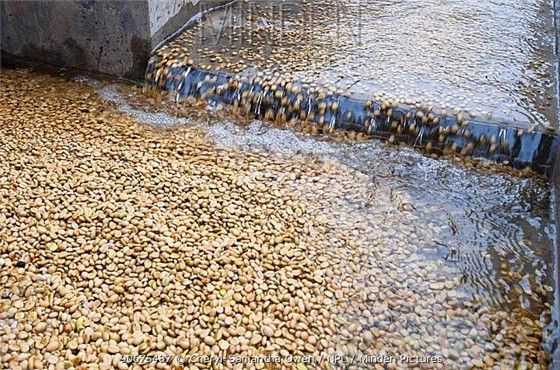
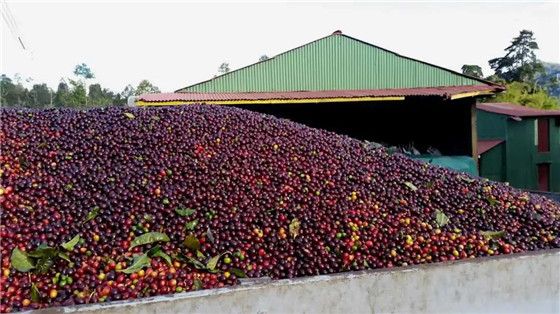
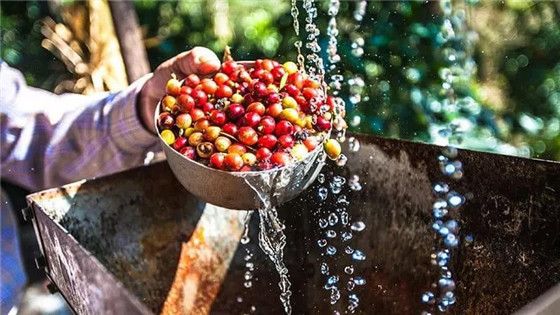
The core process that creates Mandheling's unique character is undoubtedly the wet-hulled processing method, adapted to Sumatra's rainy climate. The specific flow is divided into three key stages: first, after removing the skin and pulp, a 3-hour controlled-temperature fermentation is carried out; then the parchment layer is removed from the beans after their moisture content has been reduced to 30%–50%; next, they undergo 2–4 days of staged drying, ultimately stabilizing the moisture at 12%–13%. Compared with the traditional washed method, the wet-hulled process accelerates drying by stripping the protective layer early, strengthening the full-bodied texture brought by the woody fiber while preserving sugar conversion.
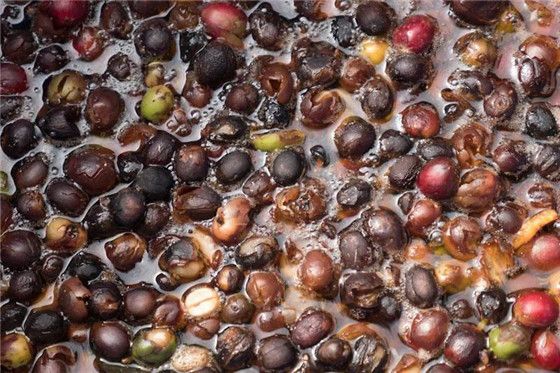
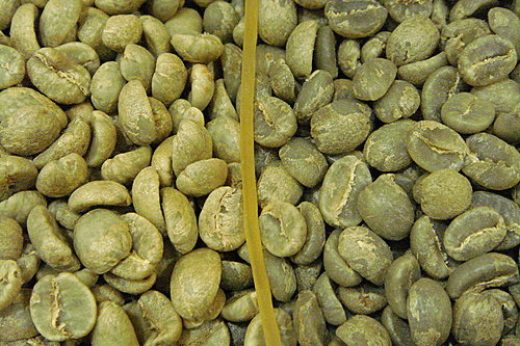
Advanced enthusiasts may take note of the special treatment of aged wet-hulled Mandheling: green beans that have completed the basic wet-hulled process are stored sealed for 2–3 years, during which they are periodically turned to ensure even oxidation. This process gradually transforms sharp acidity into the deep sweetness of caramel and dark chocolate; the beans turn yellowish-brown and are suitable for connoisseurs who prefer low-acid, heavy-bodied profiles. Note, however, that such beans need to be ground 10%–15% finer than fresh beans to fully release the complex flavors settled over the years.
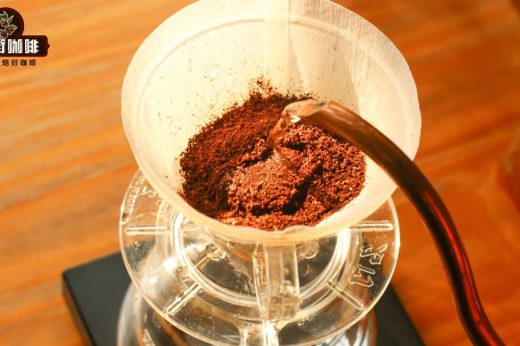
For home brewing scenarios, it is recommended to use 92–94°C water with a 1:15 coffee-to-water ratio and a medium-fine grind (75% passing a Chinese standard No. 20 sieve). If you seek bright fruit acidity, try the three-pour method with a V60 dripper; if you prefer the traditional rich style, a cloth filter pour-over better highlights the creamy smoothness brought by the wet-hulled process. When identifying high-quality Mandheling, watch whether the bloom stage produces continuous, even bubbling—an important indicator of the beans' freshness and processing cleanliness.
With the development of the specialty coffee wave, some estates have begun experimenting with innovative processes such as anaerobic natural and honey processing, but on native beans nurtured by Sumatra's volcanic soil, the wet-hulled method remains the gold standard for expressing regional character. Understanding this symbiotic relationship between process and flavor will help you more precisely select Mandheling products that suit your personal taste preferences.