Indonesian Mandheling SOE vs. Espresso: A Guide to Dark-Roast Mandheling
Introduction: Many coffee beginners often confuse the bitterness of Mandheling with that of espresso, and even struggle to tell apart the uses of single-origin beans and blend beans. This article compares the core differences between Indonesian Mandheling SOE and espresso, explains the flavor characteristics and extraction parameters of dark-roast Mandheling, and clarifies the roles of SOE and blend beans in espresso, helping you choose the coffee experience that suits you.

For coffee lovers just getting started, the bitterness of Indonesian Mandheling and espresso is often mistaken as similar, and some even wonder which is more bitter. In fact, the two differ significantly in flavor, extraction method, and intended use. The "Mandheling flavor" and "espresso flavor" coffee beans commonly seen in supermarkets also often leave people confused about the difference.

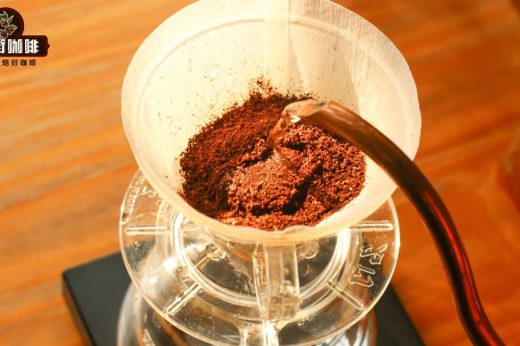
Indonesian Mandheling is a single-origin coffee, meaning beans from a single origin or variety. Such coffee is usually extracted by pour-over and other methods; the grind size should be adjusted to the equipment, with a water-to-coffee ratio of about 1:15, a water temperature of 90-96°C, and an extraction time of 2-4 minutes. Its flavor is layered; for example, common Mandheling has a rich aroma, bitterness, and full body, with moderate sweetness and lively acidity, and dark roasting further highlights its roasted aroma and heavy mouthfeel.

Espresso, by contrast, is mainly about pairing coffee with milk, such as cappuccino and latte (except americano and espresso). It is made mainly with a semi-automatic espresso machine, using hot water at 90.5-96°C and high pressure of about 9 bar to extract quickly in 20-30 seconds, producing espresso liquid about 2-3 times the weight of the original coffee grounds. This high-pressure extraction gives espresso its unique crema and strong bitterness, while also retaining the coffee's original aroma and sweet aftertaste.

Common fancy coffee drinks on the market, such as latte and cappuccino, are all made on the basis of espresso by adding different proportions of milk, milk foam, and syrup. So the question is: can single-origin coffee beans be used to make espresso? The answer is yes; espresso made from single-origin beans is called Single Origin Espresso (SOE). However, most espresso still uses blend beans, mixing beans from different regions to balance the flavor.


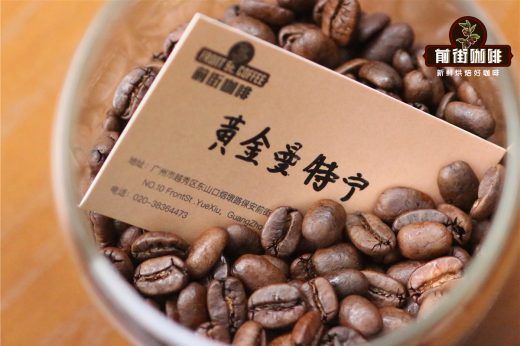
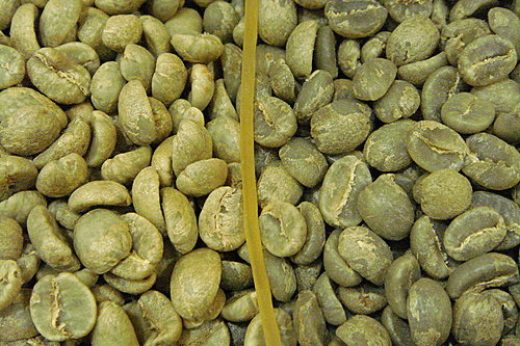
The premium representative of Indonesian Mandheling, Golden Mandheling, usually uses coffee beans from the Lintong region of Sumatra, grade G1, with an extremely low defect rate (fewer than 3 defective beans in 300 g of green beans), and mostly large flat beans of 18 screen or above. After three rounds of hand sorting, it is ensured there are no earthy or off-flavors, and the flavor is cleaner and brighter with prominent sweetness. Such beans are often processed by the wet-hulling method, bringing low acidity and high body, and after dark roasting they give off aromas of toasted bread, nuts, and caramel.

Mandheling from the Lintong region grows at altitudes between 1,100 and 1,600 meters, with varieties including Typica and Caturra; the wet-hulling method is its signature processing technique, creating its unique full body and low acidity. This processing method also makes Mandheling better suited to dark roasting, highlighting its layers of nut, dark chocolate, and herbal flavors.

In the commercial field, the choice of espresso blend beans directly affects the final flavor. A high-quality espresso blend usually mixes beans from multiple regions, for example combining Brazilian and Colombian beans and adding a small amount of Robusta (such as 10%) to enhance crema and body. Espresso made from such blend beans commonly has flavors including caramel sweetness, nuts, and dark chocolate, with balanced acidity and sweetness, a lingering finish, and rich crema, making it very suitable for a coffee shop's daily output.

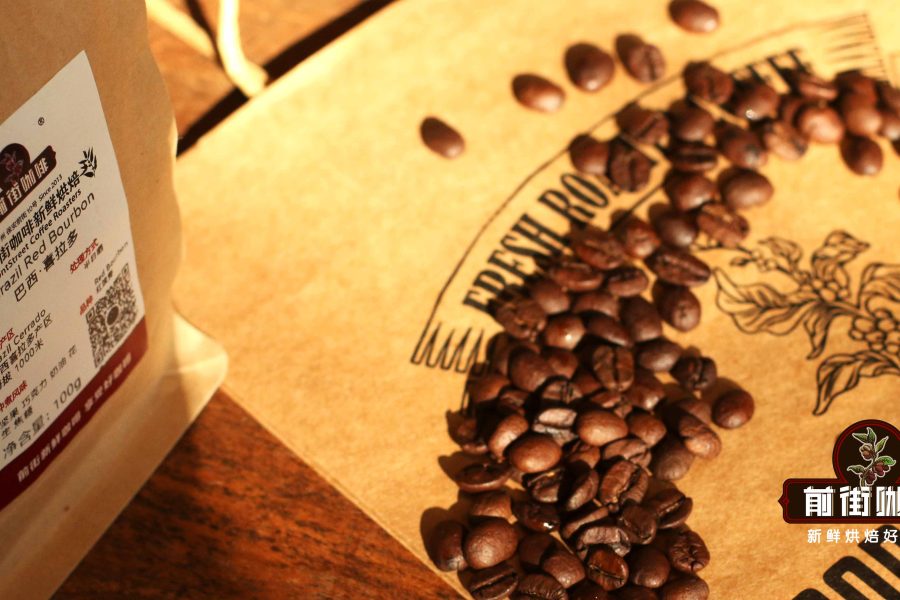
Dark-roast Mandheling has a more pronounced bitterness due to the high roast level, but at the same time releases more caramelized substances, bringing rich nut, dark chocolate, and roasted aromas. This coffee suits drinkers who like a heavy mouthfeel and strong flavors; especially when paired with milk, it balances the bitterness and highlights the sweetness.

In summary, Mandheling SOE emphasizes the unique flavor of a single origin and suits pour-over or drinkers seeking origin character; espresso (especially from blend beans) focuses on balance and consistency of flavor and suits making various fancy coffee drinks. With an understanding of these differences, you can choose the coffee type and extraction method that best suit your taste preferences.