Sumatra Mandheling Drip Bag Brewing Guide: Ratio, Temperature, and Flavor
Introduction: Want to truly understand Mandheling coffee's full body and herbal aroma? This article explains the flavor characteristics of Mandheling coffee beans, the logic of acid-bitter balance from light to dark roast, and provides practical brewing parameters for drip bag coffee, including recommended water-to-coffee ratio, optimal water temperature, blooming technique, and pouring method, to help you easily brew a cup of Mandheling with pure flavor.
The balance of sweetness, acidity, and bitterness in coffee depends largely on the roast level. The darker the roast, the more the acidic substances in the coffee are destroyed by high heat, developing instead caramel, smoky, or even slightly bitter notes. Therefore, most specialty coffees do not choose roast levels above medium-dark, unless the goal is to highlight a particular flavor. However, this does not mean dark roast is undesirable; for the same coffee beans, trying different roast levels will reveal fascinating changes in acidity and body.
Roasting and brewing are the two key stages that influence the final flavor of coffee. By adjusting these two variables, you can control the intensity of coffee's acidity well and satisfy different drinkers' taste preferences. The longer the roast time, the more complete the caramelization reaction and the more acidic substances are lost, so the coffee's acidity is naturally weaker; conversely, with a shorter roast time, more acidic substances are retained, and the coffee is more likely to present bright acidity. It can be said that roast level and coffee acidity are clearly inversely related.
Professional roasters choose the roast level that best showcases the flavor of the beans according to their origin and variety characteristics. Some beans are suited to light roast to retain fresh fruity acidity and floral aroma; others are suited to medium-dark or dark roast to bring out a full-bodied sweetness and caramel notes. Understanding these basic principles helps us make more suitable choices when buying and brewing.
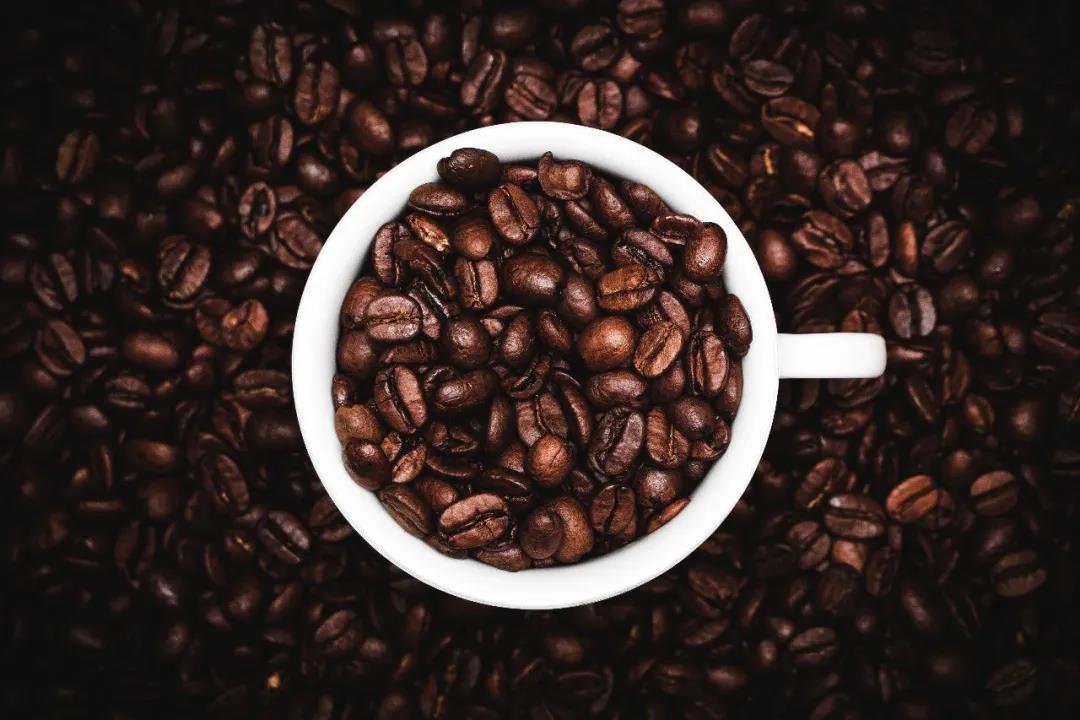
For the same coffee beans, light roast tends to have higher acidity, with floral, fruity, or nutty aromas, but if not controlled properly it can also come with astringency, which usually needs to be improved through optimized roasting. Medium roast has a more balanced flavor, mild acidity, and obvious sweetness, but may lack some distinct acidic aroma layers. Dark-roasted coffee usually has chocolate, caramel, or even woody aromas, but it also easily approaches the edge of burnt bitterness, which likewise requires precise roasting technique to balance.
Therefore, if you prefer a bright fruity acidity experience, you can choose light-roasted beans; for a balanced sweet-and-sour taste, medium roast is more suitable; and if you like full-bodied, intense coffee with even a hint of smokiness, medium-dark or dark roast is the better choice.
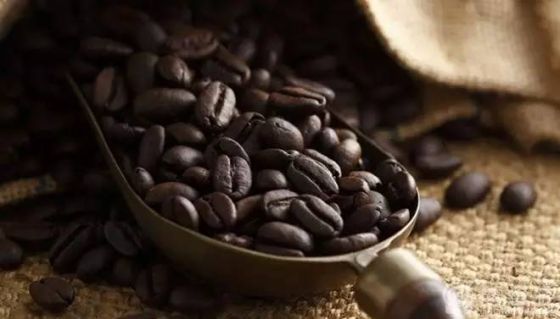
Mandheling coffee comes from the island of Sumatra in Indonesia, often called Sumatra coffee, and is one of the most highly recognizable coffee categories in the world. It is known for its low acidity, full body, and unique herbal and spice flavors, and is the choice of many coffee lovers who prefer a "strong" cup. But brewing a good cup of Mandheling, though it seems simple, actually requires mastering some brewing details.
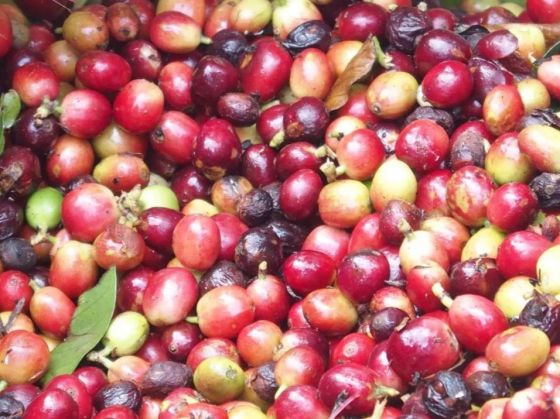
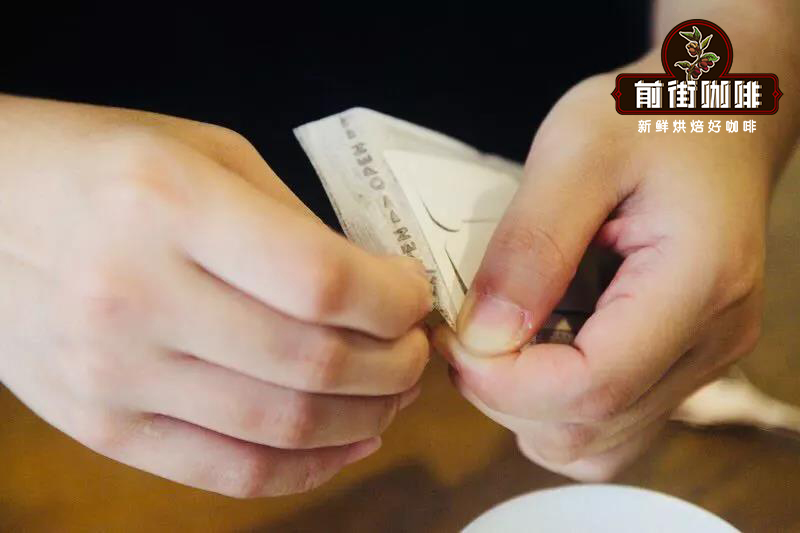
Take the common 10-gram drip bag coffee pack as an example, which is the standard single-serving capacity of drip bag coffee on the market today. To use it, first tear open the outer packaging, take out the drip bag, then carefully tear open the top opening, gently pull apart the "ears" on both sides, and hang it on the rim of the cup. To ensure the drip bag is secure, it is recommended to choose a cup with a rim diameter of about 8-9 cm; too large a rim may prevent the bag from being fixed.
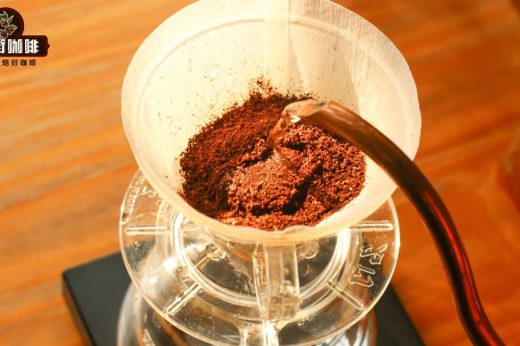
Brewing drip bag coffee is similar to pour-over coffee; although it is not as strict as pour-over, water temperature, blooming, and pouring method are still key. A water temperature of about 90°C is recommended; this range can better bring out Mandheling's flavor while avoiding bitterness from over-extraction. Before the official pour, first do a bloom of about 10 seconds, with a water amount roughly equal to the coffee powder amount, that is, 10 grams of powder corresponds to about 10 ml of water. This step helps awaken the coffee powder, release carbon dioxide, and lay a good foundation for subsequent extraction.
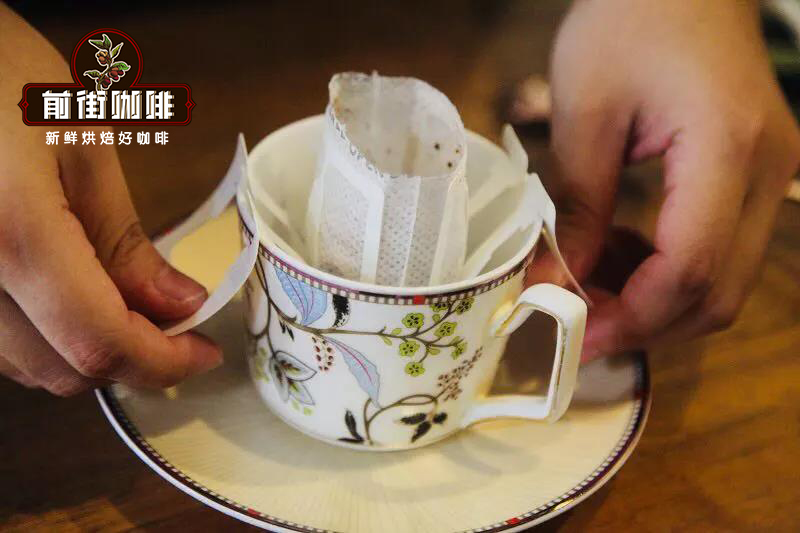
After the bloom, you can pour all the required water at once, or choose to pour in two stages to improve extraction uniformity. Depending on the common cup type, such as a 300 ml glass, the total water amount is recommended to be between 240-280 ml, that is, a water-to-coffee ratio of about 1:15 to 1:20; this ratio can better balance Mandheling's body and smoothness. When pouring, it is recommended to use a small stream in a circular motion, starting from the center and slowly expanding outward, to ensure all coffee powder is evenly soaked.
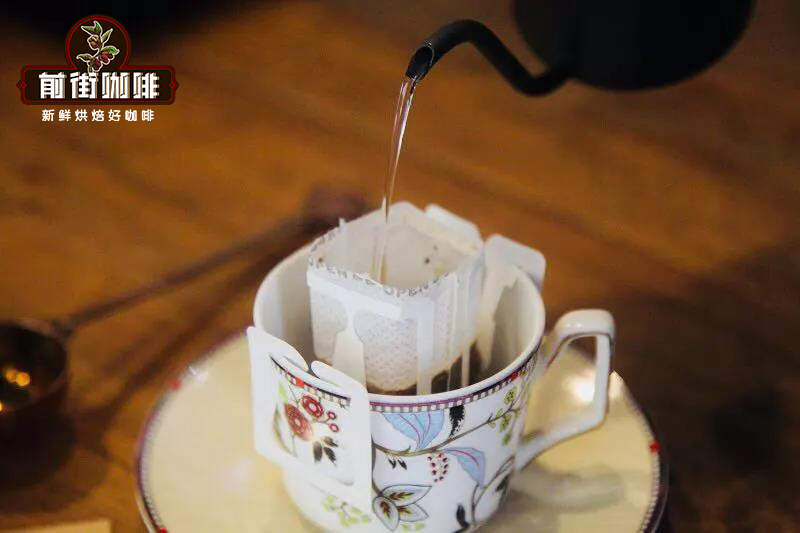
After completing the pour, wait for the coffee to finish dripping, which usually takes 1-2 minutes. Once dripping is complete, remove the drip bag and enjoy. Note that the coffee powder in a drip bag has basically released all extractable substances after the first brew, so it is not recommended to reuse it; otherwise, the flavor will not only be weak but may also bring unpleasant off-flavors.
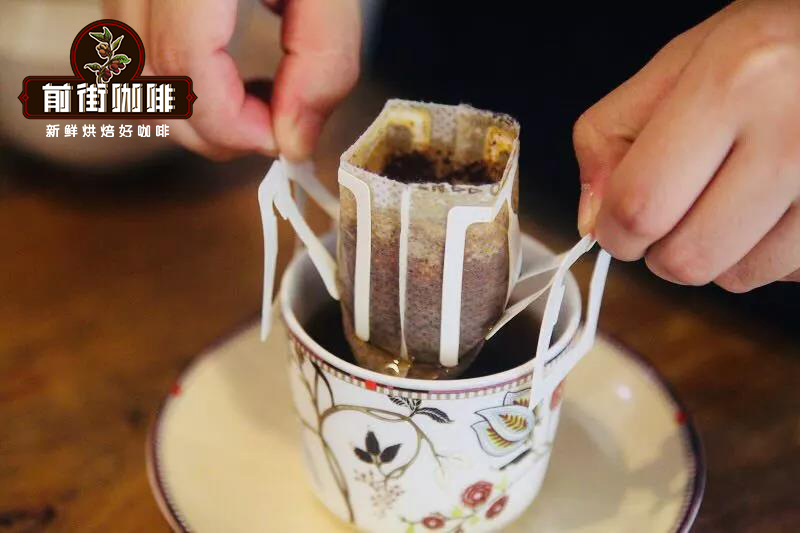
Overall, brewing Mandheling drip bag coffee is not complicated. As long as you master the water temperature, water-to-coffee ratio, and basic pouring technique, you can easily reproduce its classic flavor of low acidity, full body, and rich herbal spice notes. Whether for daily drinking or as an introduction to coffee, Mandheling is a classic choice worth trying.