Mandenling and Yirgacheffe Drip Bag Flavors and Brewing Fixes
Introduction: Drip bag coffee, as a convenient alternative to pour-over, has its flavor performance and brewing techniques directly affect the drinking experience. This article systematically analyzes the differences among drip bag types from classic origins such as Mandheling and Yirgacheffe, explains in detail the characteristic differences of the three major flavors—floral, fruity, and full-bodied—and provides professional solutions for common brewing problems such as excessive sourness, bitterness, and weakness, helping coffee enthusiasts precisely master the golden parameter combination of 150ml standard water volume and 88-93°C water temperature.
The common drip bag coffees on the market are not a single type. Based on differences in roast level and processing method, they are mainly divided into three major categories: floral, fruity, and full-bodied. Understanding these basic classifications can help consumers quickly match their personal taste preferences.
[Floral Drip Bag: Top Choice for the Fresh Camp] Made with medium-light roasted coffee beans (Recommended roast level: City to City+), highlighting bright flavors such as jasmine, citrus, and berries, with lively acidity and a clean finish. This type of drip bag is suitable for beginners just getting into specialty coffee. Typical representatives include sun-dried or washed products using beans from Ethiopia's Yirgacheffe region.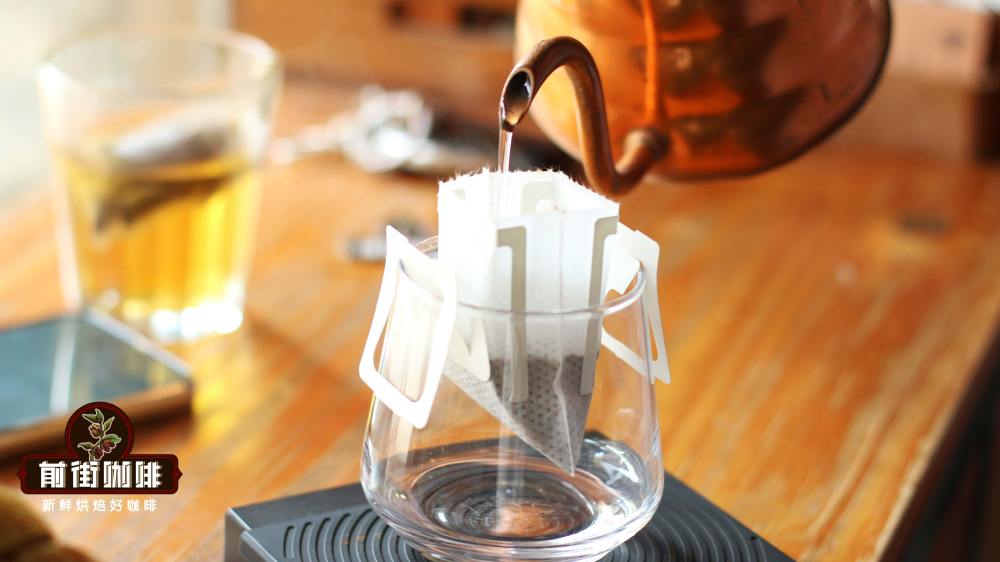
[Fruity Drip Bag: Choice for Sweetness Lovers] Mainly medium roast (Full City range), presenting complex aromas of tropical fruits such as mango and pineapple as well as dark berries such as blueberries; some products develop a rich black tea-like finish. This type of drip bag has outstanding sweetness and is especially suitable for consumers who do not accept bitterness.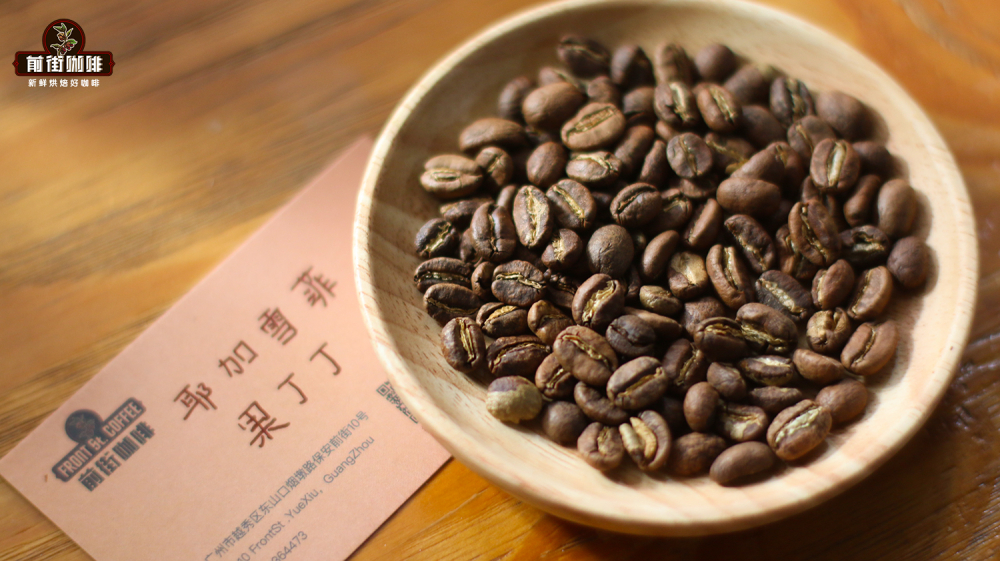
[Full-Bodied Drip Bag: For Fans of Intense Mouthfeel] Through medium-dark roasting (early French Roast), the caramelization reaction of the coffee is strengthened, acidity is reduced, and heavy flavors such as dark chocolate and nuts are highlighted. Beans from Indonesia's Mandheling and Brazil's Cerrado regions perform especially classically under this type of roast and are the first choice for users who prefer a strong coffee experience.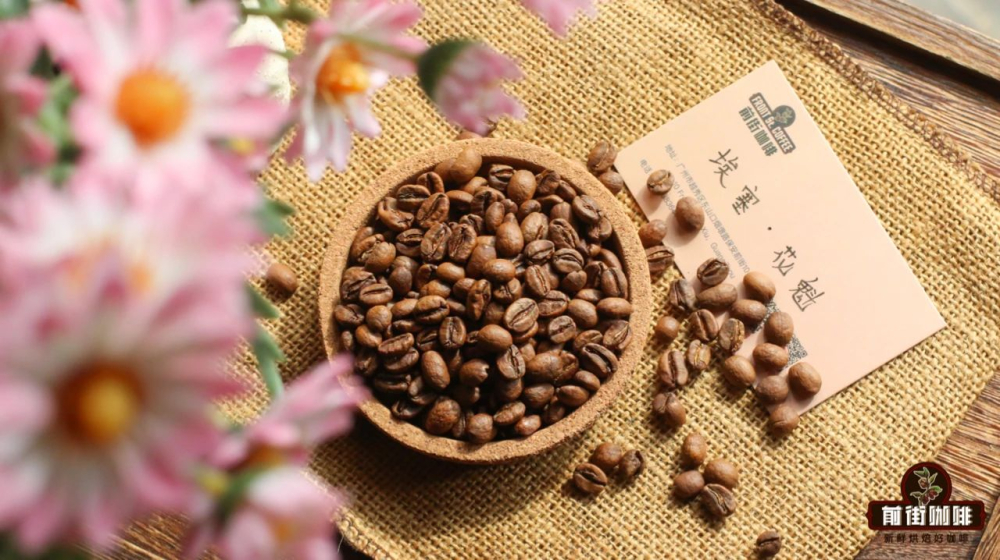
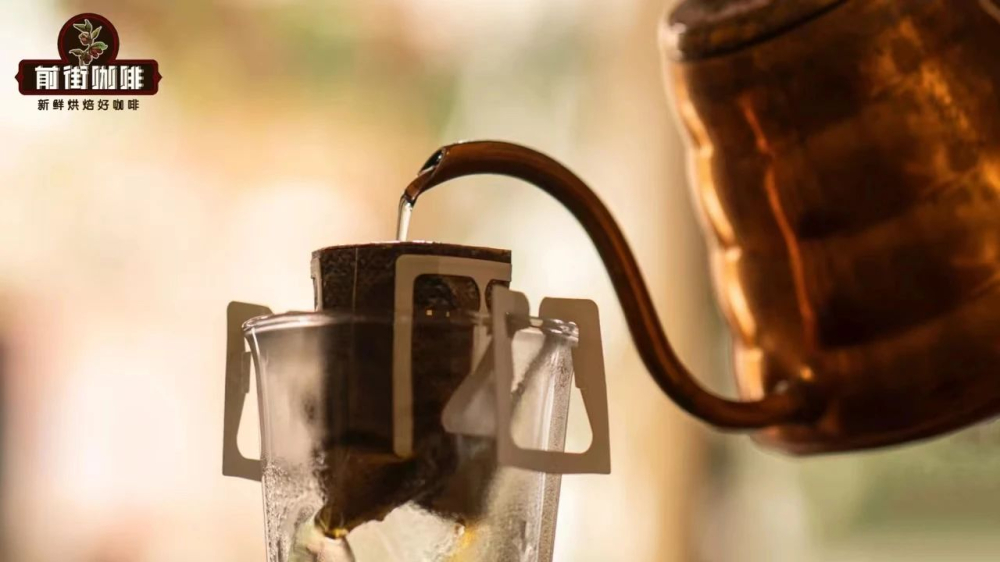
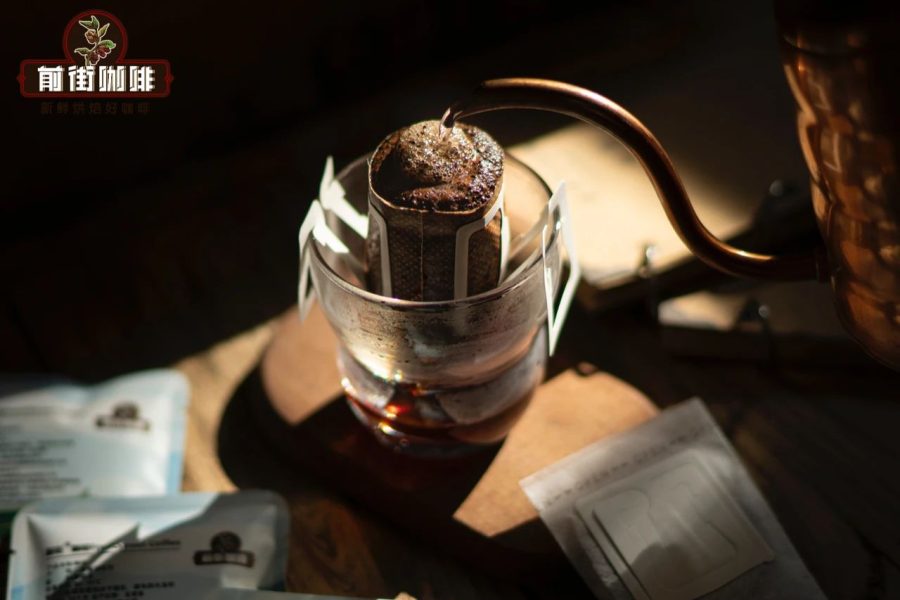
The standard drip bag brewing process includes four key steps: First, tear open the sealing strip at the top of the filter bag, spread the two side hangers open and fix them on the cup rim (a 1cm gap from the cup edge is best), and use 88-93°C hot water for three-stage pouring—in the first stage, pour about 30ml of hot water and let it bloom for 10-20 seconds to release aroma; then pour water until the filter bag is nine-tenths full and wait for dripping to complete; finally, top up to nine-tenths full to finish extraction. If a lighter taste is desired, add one more round of clear water after the main process to dilute.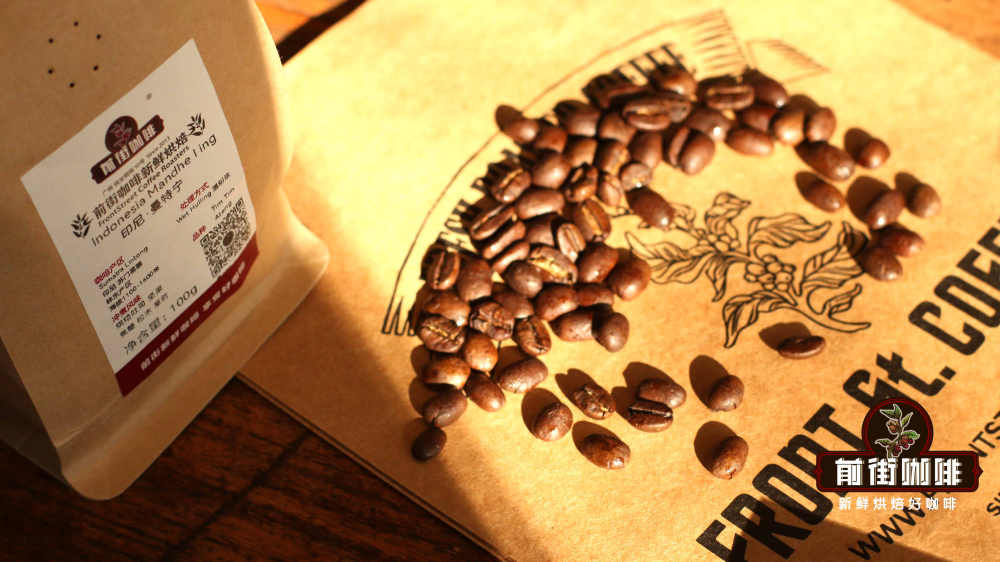
When encountering the problem of coffee being too sour, first check whether the water temperature exceeds 93°C; lowering it appropriately by 2-3°C can effectively inhibit the excessive release of volatile substances such as citric acid. In addition, shortening the blooming time to within 10 seconds or switching to a coarser grind can also alleviate the abrupt acidity.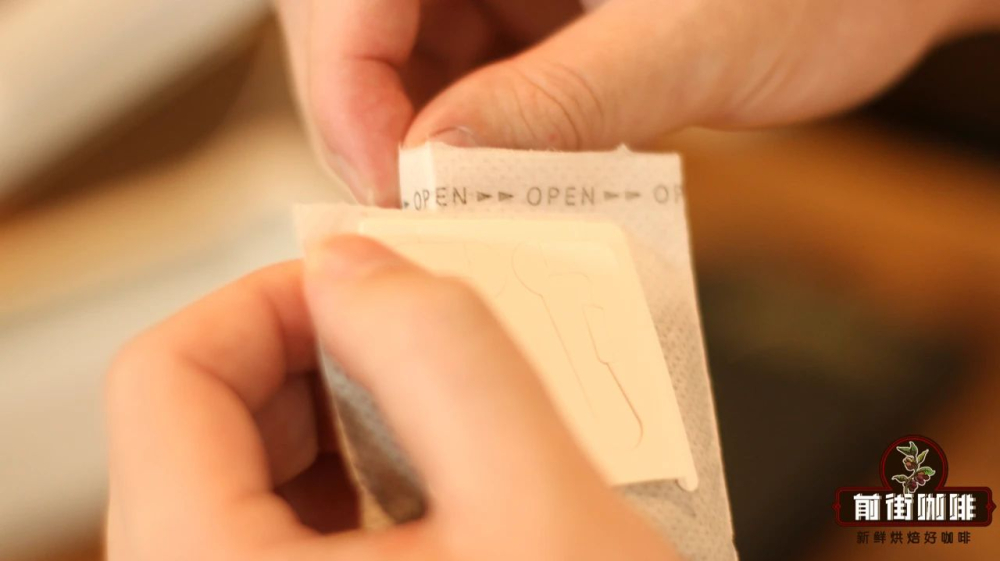
The solution for coffee being too bitter needs to start with extraction time: if the total dripping time exceeds 3 minutes, it may be that the water flow is too small, causing the coffee powder layer to be over-compressed. It is recommended to increase the pouring force to form a swirling water flow, ensuring the powder layer is evenly ventilated, while also avoiding local over-extraction caused by insufficient water volume in a single pour.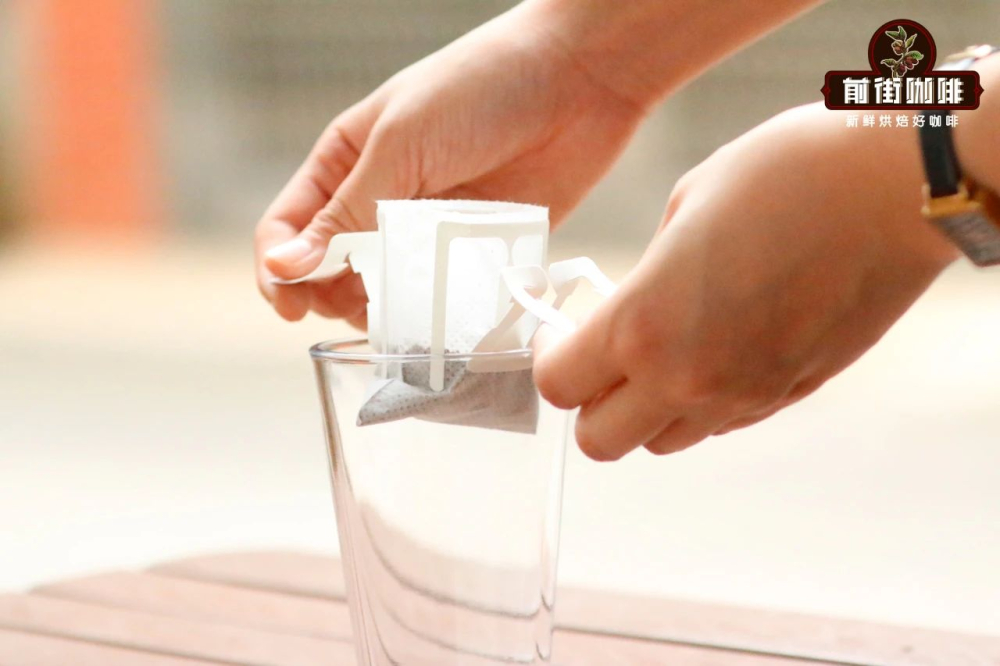
For the case of coffee being too weak, the 1:15 powder-to-water ratio baseline must be strictly followed—10g of coffee powder corresponds to 150ml of hot water. The standard ratio for three-stage pouring is: first stage 30ml (blooming) + second stage about 60ml (to nine-tenths full) + final stage 60ml (top up to nine-tenths full). If a standard drip bag is used but more than 180ml of water is poured, the flavor will inevitably be diluted.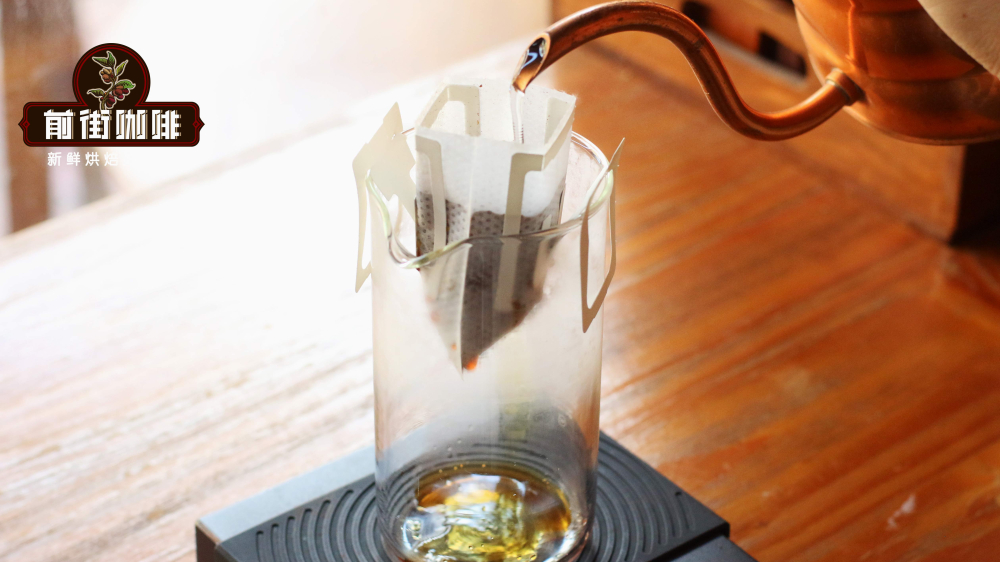
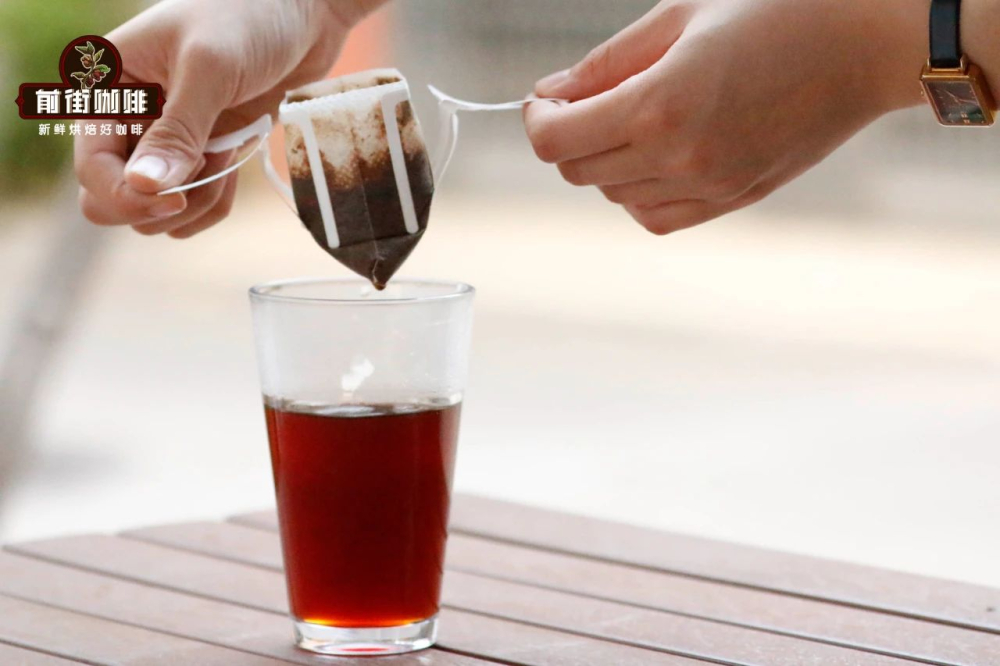
Special reminder: the drip bag filter should be removed immediately after the coffee liquid has completely dripped, avoiding long soaking that causes paper fiber odors to mix in. Pinch the handle parts on both sides of the filter bag with both hands and lift vertically; cleaning can be completed without touching the filter paper.