SOE vs. Blended Coffee Beans: A Guide to Choosing Beans for Pour-Over and Espresso
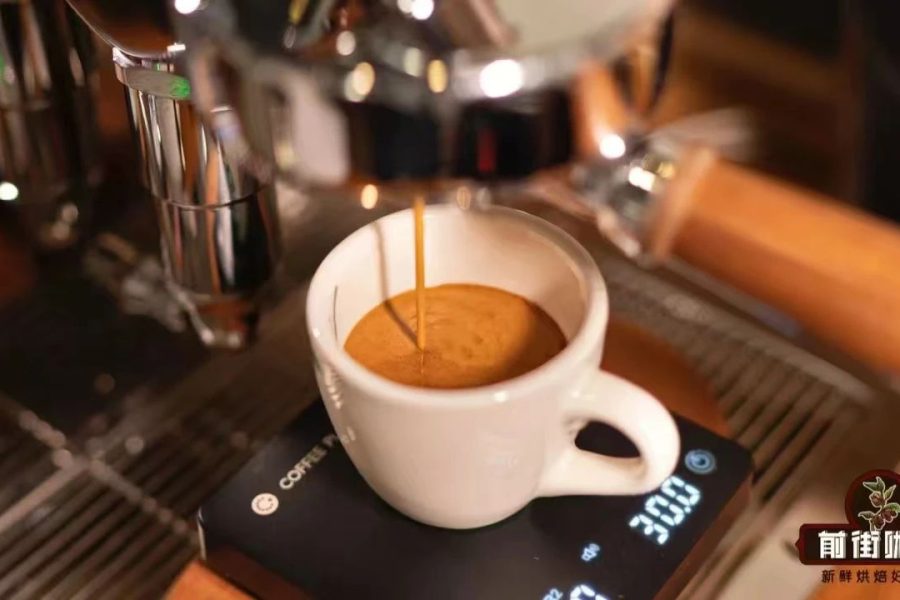
Introduction: As coffee consumption grows more diverse, consumers often struggle to choose between SOE and blended coffee beans. This article compares the core differences between SOE and blended beans across flavor characteristics, use cases, cost structure and technical difficulty, helping you understand why SOE is often positioned as a premium choice and how blends achieve a distinctive flavor balance through scientific proportions. It also offers practical bean-selection advice for espresso extraction and pour-over brewing at the end.

Walk into a modern café and the menu options already go far beyond a traditional latte or cappuccino. Today, for a single basic latte, a customer may go through several "upgrades" on staff advice—first paying extra to switch to SOE coffee beans, then changing to a specialty milk base, and finally receiving a higher-priced SOE coconut-milk latte. This consumption phenomenon reflects a shift in how the market perceives coffee quality.

On the surface, paying a premium for SOE coffee seems to represent an upgrade in quality. In practice, consumers often perceive flavor characteristics quite different from a traditional latte, but this subjective judgment of "tasting better" needs rational analysis. It is worth noting that SOE (Single Origin Espresso) essentially refers to espresso made from coffee beans of a single origin, and is not naturally equivalent to specialty coffee.

From a professional perspective, there is no absolute quality hierarchy between SOE and blended beans. A high-quality blend, through careful proportions of beans from different regions and processing methods, can both create layered flavor combinations and achieve a stable cost-performance advantage. In international coffee competitions, many award-winning blend recipes combine bean sources from Colombia, Ethiopia and elsewhere, presenting complex aromas of blueberry, caramel and more, with market prices even exceeding those of ordinary SOE products.

The popularity of the SOE concept in the domestic market has a particular background. Because specialty coffee culture has developed for a relatively short time, consumers easily equate "single origin" with "high quality." In fact, blending techniques balance acidity, sweetness and body, and can optimize performance for different brewing methods. For example, espresso blends need to focus on crema stability and performance, while pour-over blends focus more on flavor clarity and the length of the finish.

The technical threshold of blending is often underestimated. Professional roasters need to screen at least 3-5 bean sources through cupping, precisely control the proportion of each component (usually precise to whole percentage points), and adjust the roast curve through multiple small-batch tests. Economical blend formulas can reasonably combine the nutty notes of Brazilian beans with the full-bodied base of robusta to deliver a drinking experience on thousand-yuan-level equipment that surpasses single-origin beans at the same price.

The premium logic of SOE coffee mainly stems from marketing positioning. Merchants tend to choose single-origin beans with distinctive regional character, such as Ethiopian Yirgacheffe or Costa Rican Hacienda La Esmeralda; these beans often carry obvious, easily recognizable flavor characteristics such as citrus and floral notes. Note, however, that SOE from ordinary regions may present only flat, neutral flavors, and its quality is not necessarily better than that of a carefully designed blend.

In terms of applications, blended beans still occupy an important position in the commercial coffee sector. Espresso recipes usually need base beans to provide stable body, paired with specialty beans to enhance flavor highlights. For home users choosing beans, if you prefer a balanced taste, choose a medium-roast blend (a medium-dark roast is recommended, with a development time of 18-22 seconds); if you seek distinctive flavors, try a light-roast SOE (development time 14-18 seconds, medium-fine grind recommended, close to the texture of granulated sugar).

Technically speaking, an excellent blend is more challenging than single-origin beans. Professional roasters need to master the density differences among bean types (SOE beans typically range from 0.70-0.82g/cm³), moisture content (9-12% is ideal) and the ideal end-of-roast temperature (about 201-205°C at the dense stage of first crack). This complexity often makes top blend recipes an exclusive competitive advantage for coffee shops.

Coffee consumption is currently trending from a single concept toward a comprehensive experience. Whether SOE or blended beans, final quality depends on the synergy of bean-source quality, roasting craft and extraction parameters. Beginners are advised to start with classic blends to establish a flavor baseline, then gradually try SOE from different regions, and develop more professional coffee-tasting skills through comparative experience. Remember, a quality coffee experience is always built on a thorough understanding of bean characteristics and correct brewing methods.


