SOE Coffee Explained: From Single-Origin Beans to Americano and Latte
Introduction: SOE (single-origin espresso) coffee has drawn much attention in recent years, but many people mistakenly assume it is the same as an ordinary single-origin black coffee. This article clarifies the core differences between SOE and blended beans, explains in detail the logic behind making SOE americanos and lattes, and offers practical guidance on choosing beans at different roast levels. By comparing the flavor profiles of light-roast and dark-roast SOE, it helps coffee lovers find beans suited to their taste preferences while also mastering the key parameters of espresso extraction.
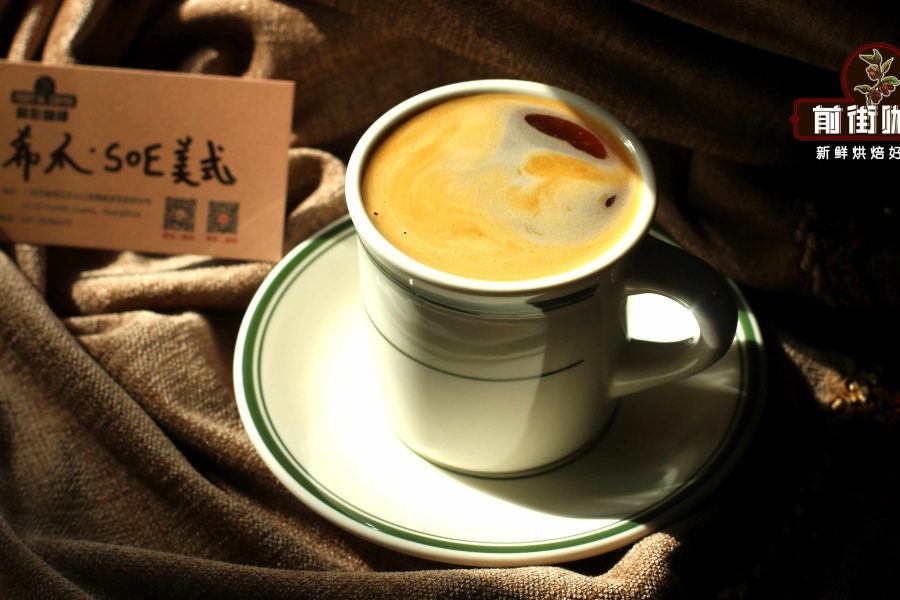
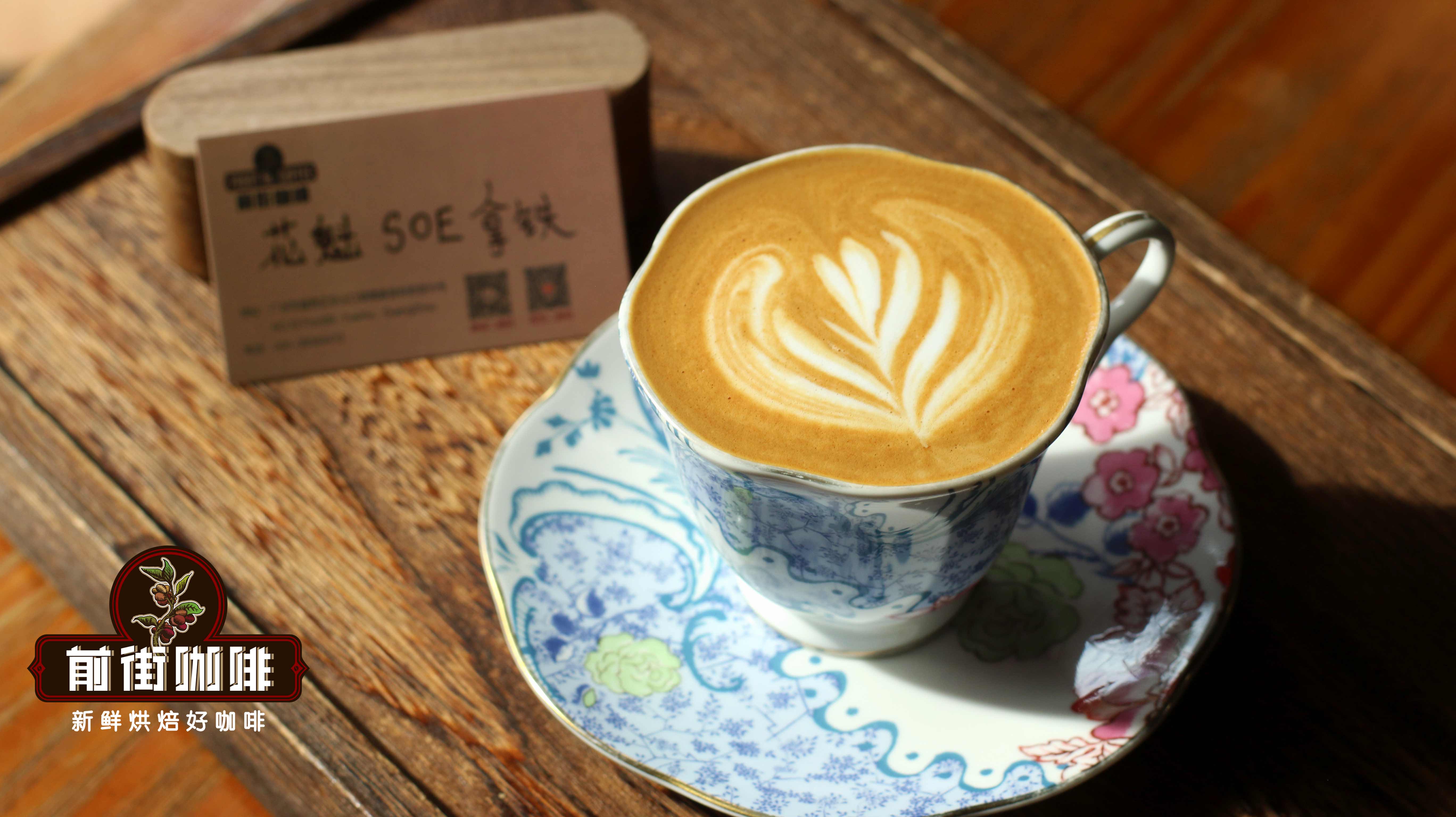
When ordering at a café, you will often come across the options of an SOE latte or an SOE americano. These drinks use coffee beans from a single origin to make the espresso base, which is then developed by adding milk or water. The name comes from single origin espresso, in sharp contrast to traditional blended beans—the latter achieve flavor balance by mixing beans from different regions.
The advantage of blended coffee lies in its ability to achieve a harmonious taste through complementary bean types. A high-quality blend usually has a full crema layer and distinctly layered aromas; some classic recipes, for example, can present both the richness of nuts and the sweetness of caramel at the same time. This characteristic makes it a stable choice for espresso, especially suited to consumers seeking balanced flavors.
The distinguishing feature of SOE is that it highlights the terroir of a single region. Light-roast SOE often has bright fruity acidity and floral-fruity notes, but if handled improperly it can easily produce a sharp astringency; dark roast strengthens the heaviness of chocolate and caramel, and its crema is usually denser. It is worth noting that SOE is not a particular bean variety, but a production method that emphasizes single-origin character.
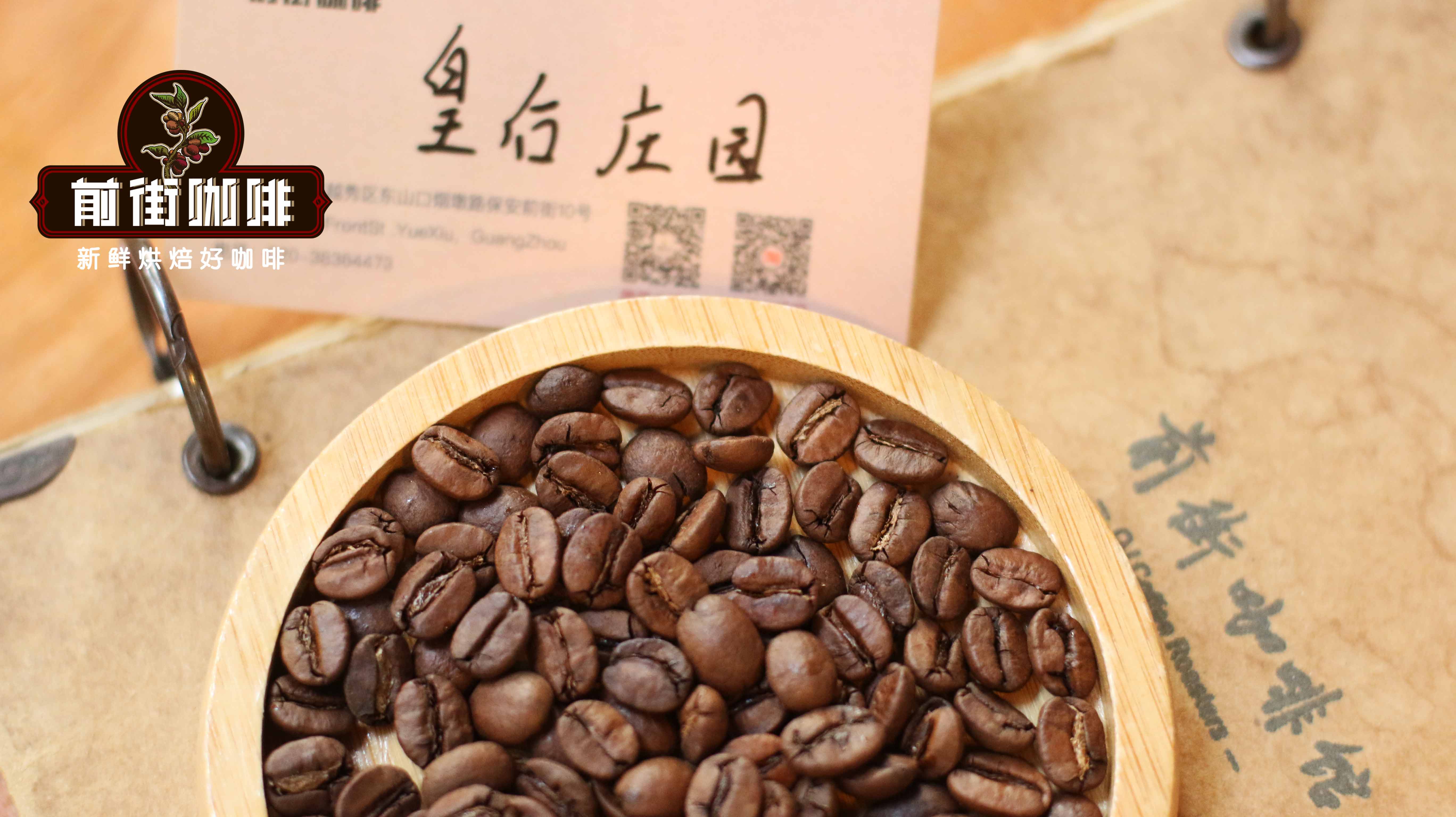
For enthusiasts trying SOE for the first time, it is advisable to start with medium-dark roast beans. These beans usually have broader versatility; some varieties from South America, for example, under medium-dark roast (about 205-210°C) conditions will show a balanced flavor of nuts and caramel, with mild acidity and a clean finish. When making an SOE americano, it is recommended to extract with 92-94°C water and a 1:15 coffee-to-water ratio.
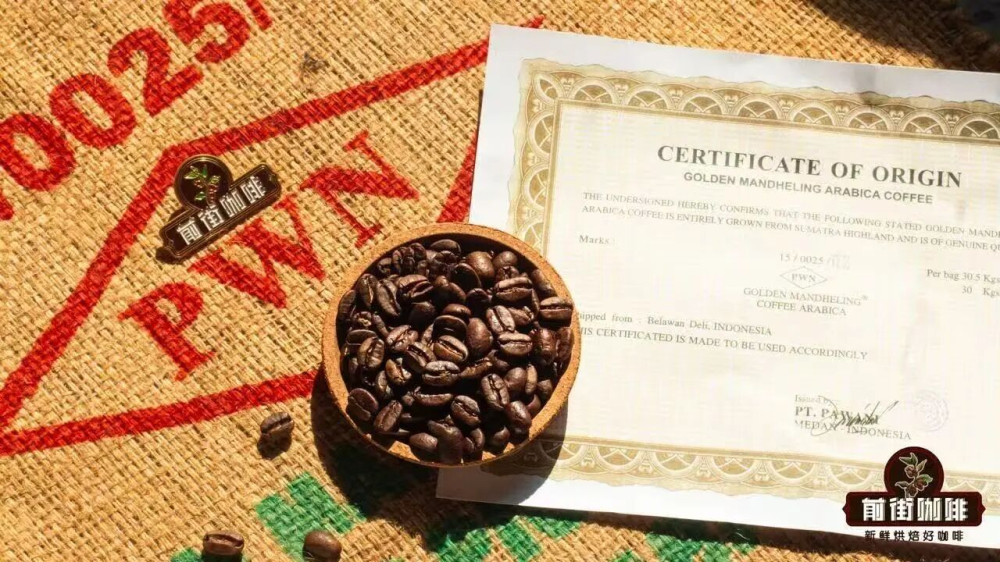
Dark-roast SOE is better suited to making intense drinks. The roast curve for these beans is usually extended to 30-45 seconds after first crack, creating abundant caramelization reactions. When used for an SOE latte, it is recommended to keep the milk temperature at 60-65°C to avoid damaging the flavor layers. It is worth noting that dark-roast beans usually need a resting period of 7-10 days to reach their best state.
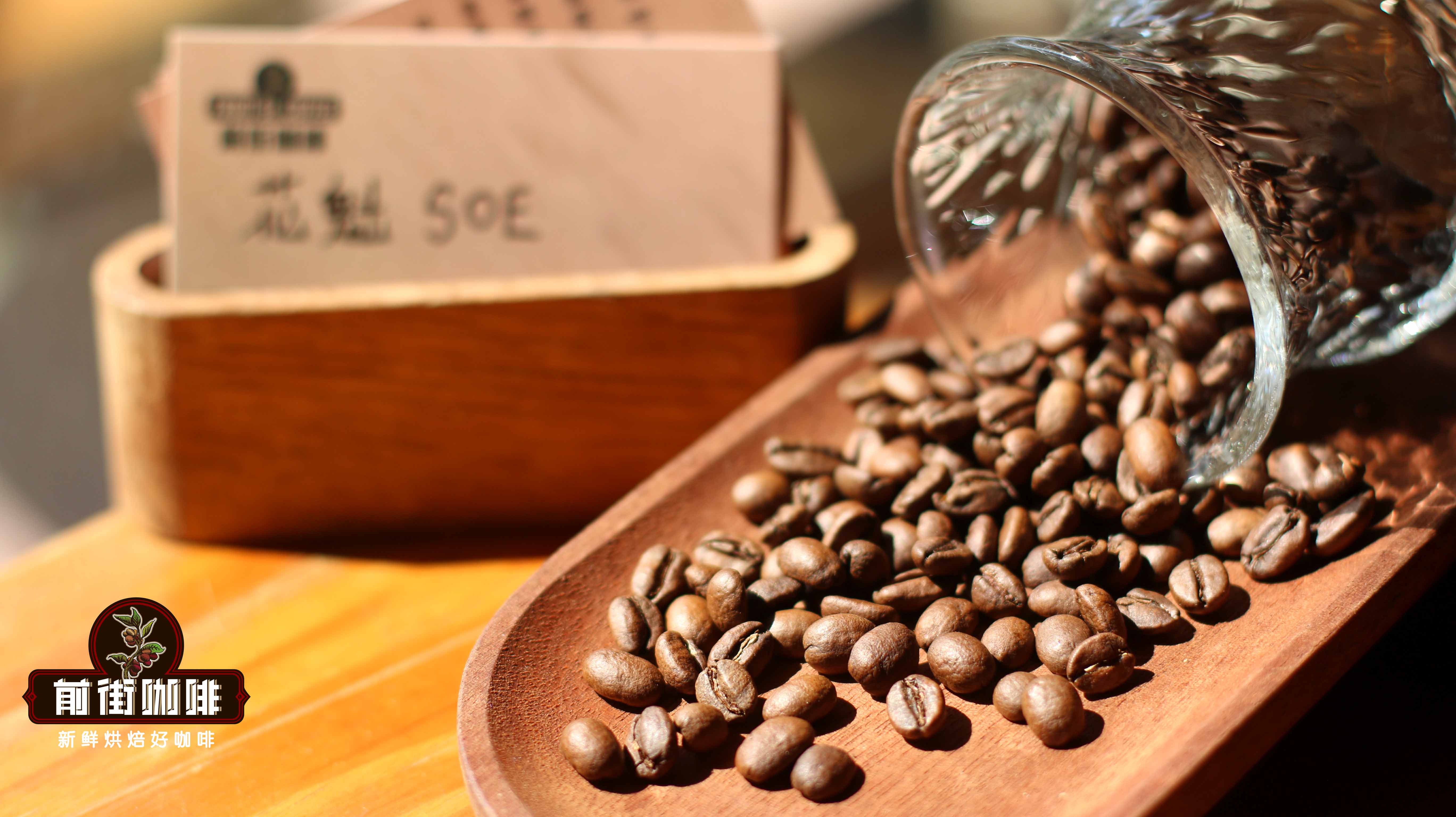
Light-roast SOE is an advanced choice. These beans emphasize origin characteristics and are commonly found in high-altitude producing regions of Africa or Central America. When brewing, note that the grind should be adjusted finer, to a texture close to fine granulated sugar, and use a 3-second pre-infusion plus staged extraction to reduce channeling. Its flavor window is narrower, making it suitable for consumers who enjoy distinct fruity acidity such as citrus and berries.
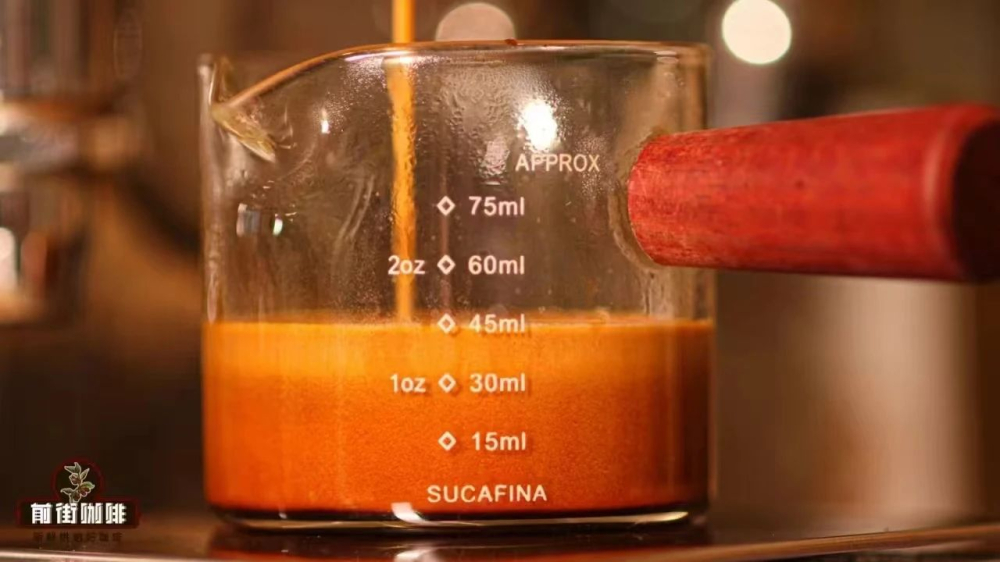
Regardless of the roast level of the SOE, the pressure stability of the espresso machine and the tamping firmness of the puck are key factors. It is recommended to regularly calibrate the grinder's grind uniformity and ensure that the force of each tamp stays within the 30-40 pound range. By systematically adjusting these parameters, even ordinary home equipment can fully bring out the unique charm of SOE.


