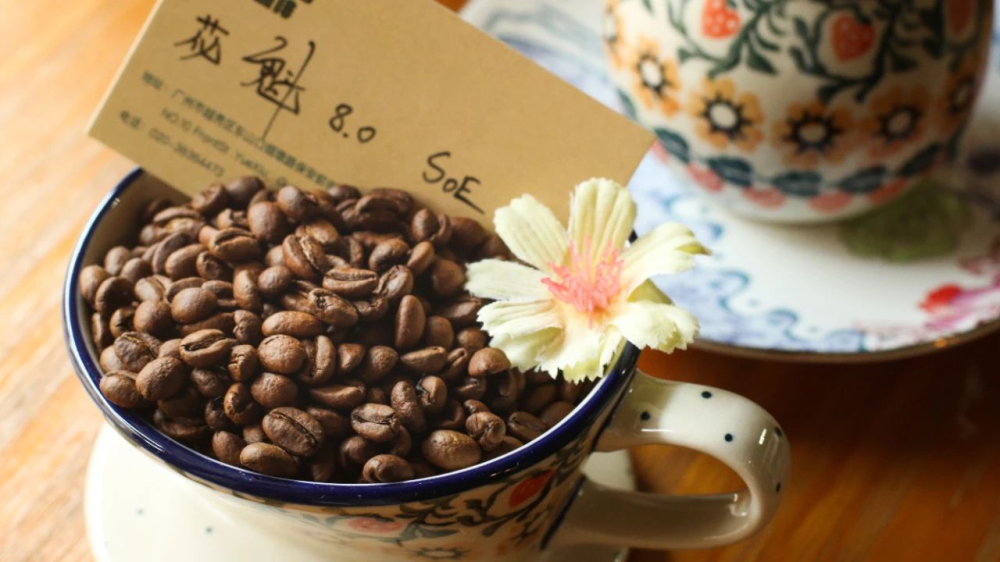
SOE Beans vs. Pour-Over Single-Origin Beans: SOE Latte Flavor and Buying Guide
Introduction: What is the essential difference between SOE coffee beans and regular pour-over single-origin beans? Why has the SOE latte been so sought after in recent years? This article takes an in-depth look at the core differences between SOE espresso and blend espresso, analyzes the flavor characteristics of single-origin coffee beans, and explains in detail the unique taste of the SOE latte. By comparing roast levels, extraction parameters, and flavor layers, it helps coffee lovers choose the coffee bean type that best suits their personal taste.
In the specialty coffee world, the choice between SOE (single-origin espresso) and blend espresso often sparks discussion. Many people mistakenly assume that SOE is necessarily higher in quality or more expensive than blends, but this is a clear misconception. In fact, SOE refers to espresso made with coffee beans from a single origin, and its core advantage lies in the purity of flavor, not in an absolute quality grade.
The concept of SOE first emerged at international coffee competitions in 2007, and after more than a decade of development it has formed a mature system.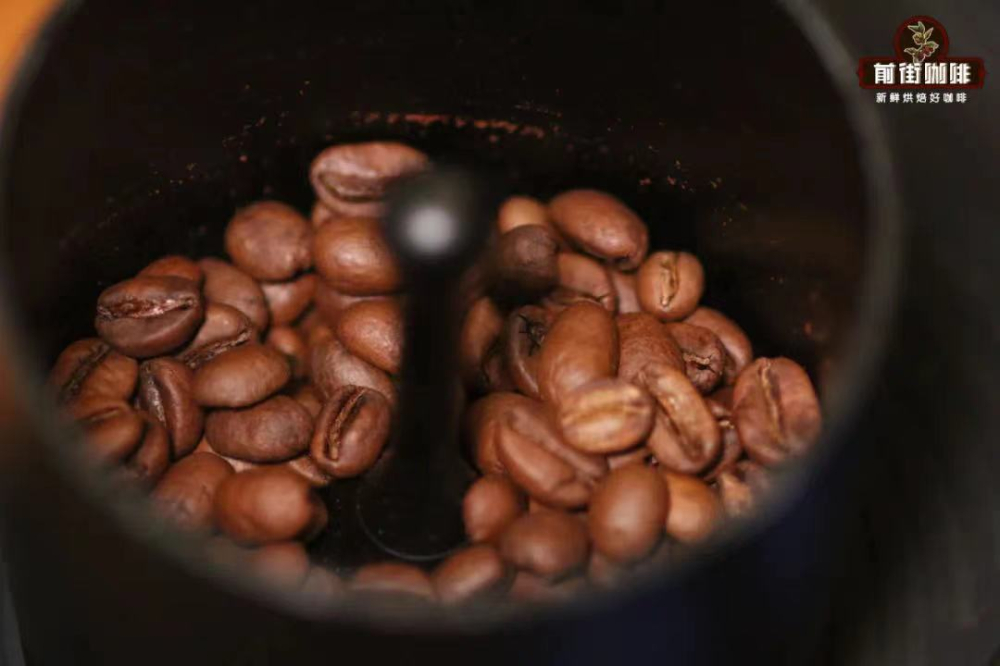 In current mainstream coffee competitions, contestants generally choose single-origin beans for espresso preparation; this stems both from competition rules and from the way it has raised awareness of SOE within the industry. It is worth noting that SOE pricing depends entirely on bean quality—naturally processed beans from premium origins may be priced higher than ordinary blends, but ordinary commercial-grade SOE is not necessarily more expensive.
From a technical standpoint, making SOE presents significant challenges.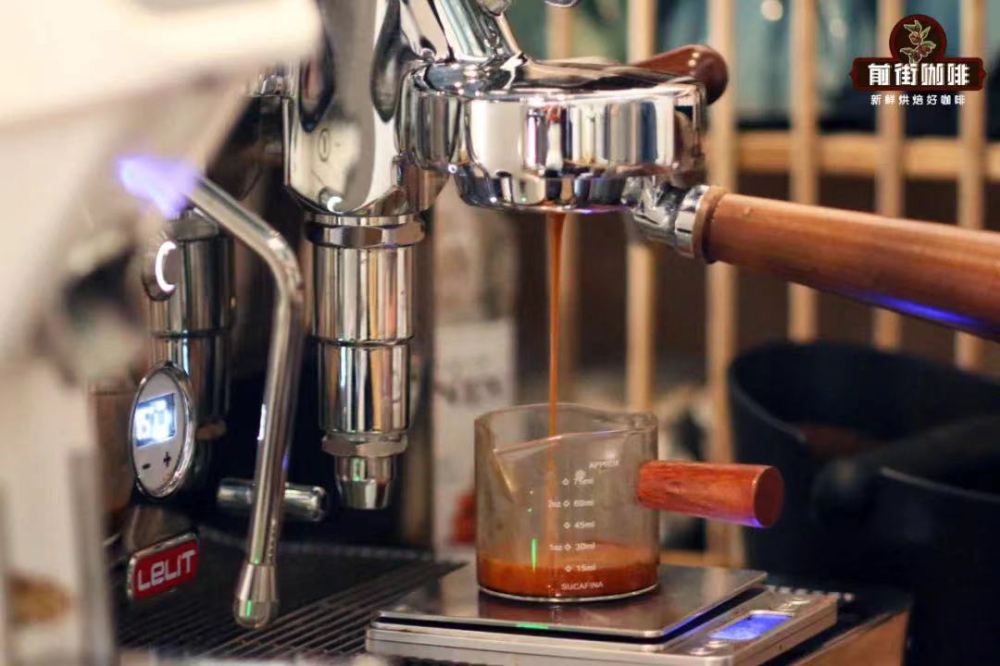 The high-pressure, high-temperature extraction of espresso magnifies all the characteristics of the coffee beans, and the flavor flaws of a single origin (such as excessive sourness or thinness) are intensified. Therefore, not all single-origin beans are suitable for making SOE. It is advisable to prioritize beans with a medium or darker roast level that are clearly labeled "for SOE," as these beans have usually been adjusted by the roaster for the characteristics of espresso machines.
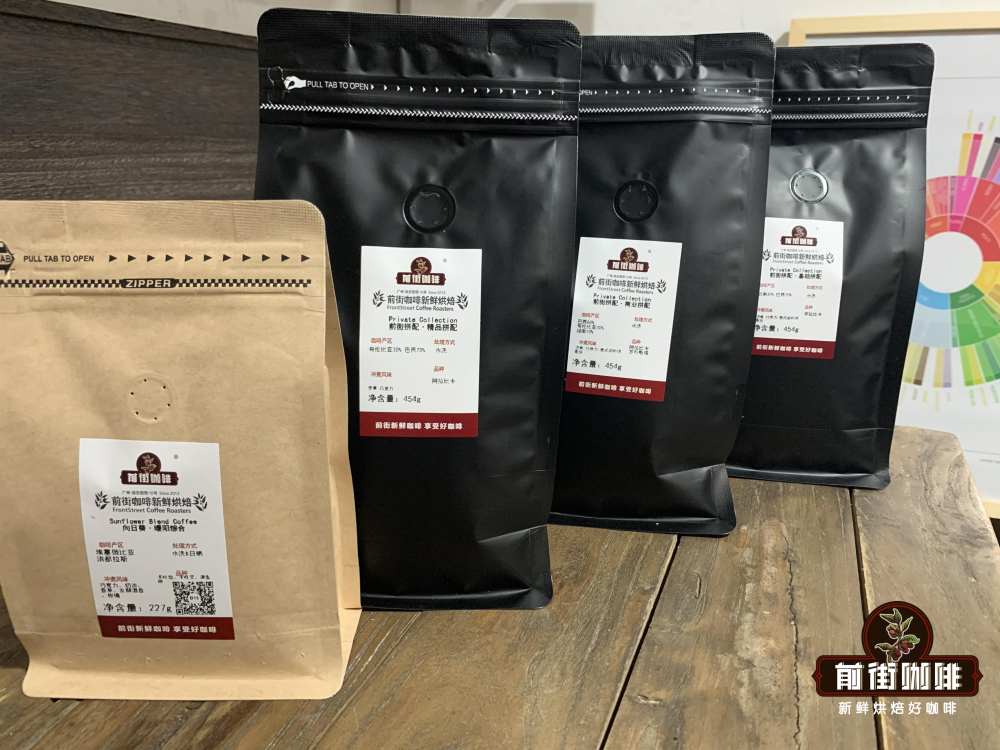
Blend espresso is the common choice of commercial coffee shops.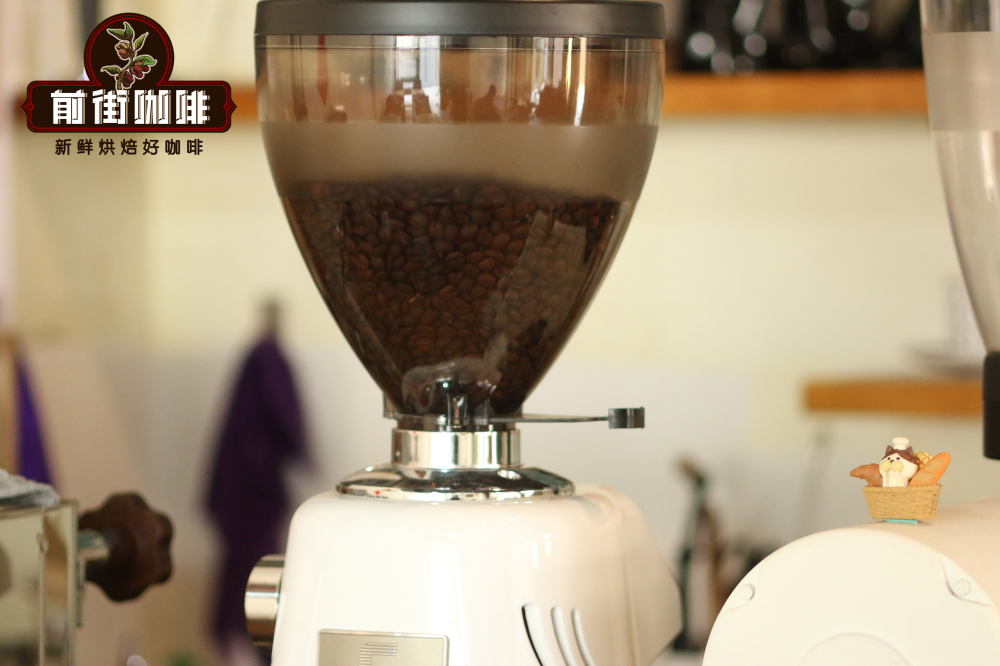 By blending beans from different origins (typical ratios range from 30% to 70%), roasters can balance acidity, body, and finish. For example, a common blend recipe combines the bright fruit acidity of African beans with the nutty base notes of South American beans, then adds Southeast Asian beans to enhance body. This combination ensures the flavor stability of daily output and is particularly suited to chain coffee shops pursuing a consistent taste.
Regarding the unique performance of the SOE latte: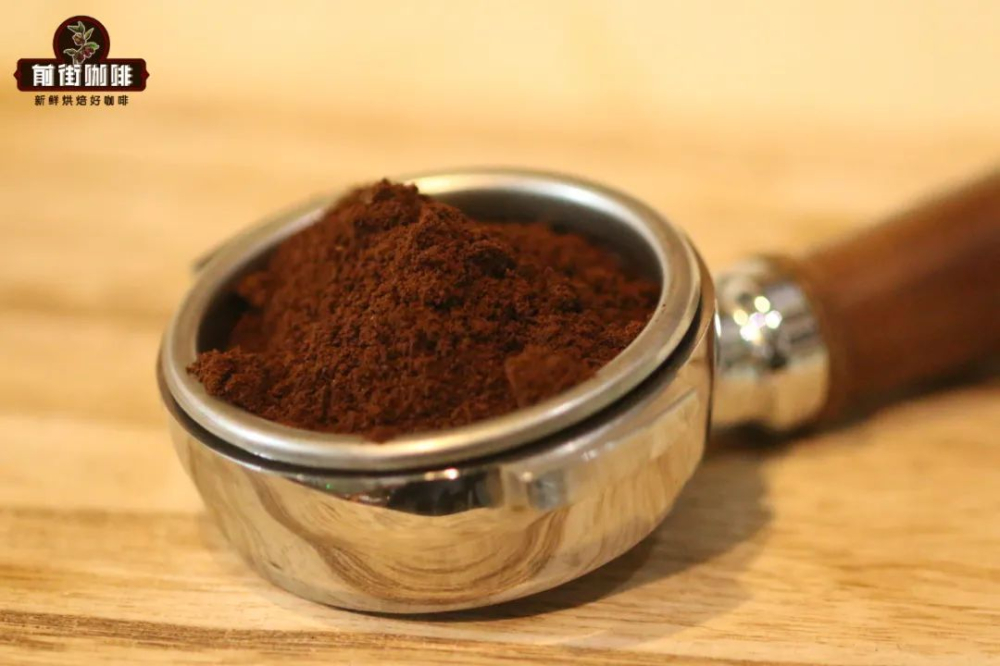 Its flavor presents three typical characteristics—first, the regional character of a single origin is more distinct (such as the floral notes of Ethiopian beans or the chocolate notes of Colombian beans); second, a medium-roast SOE latte usually shows richer layering, with better acid-bitter balance than a dark roast; finally, the degree of integration with milk directly affects the final taste, and it is recommended to steam the milk to 90-93°C to highlight the beans' sweetness.
On buying advice: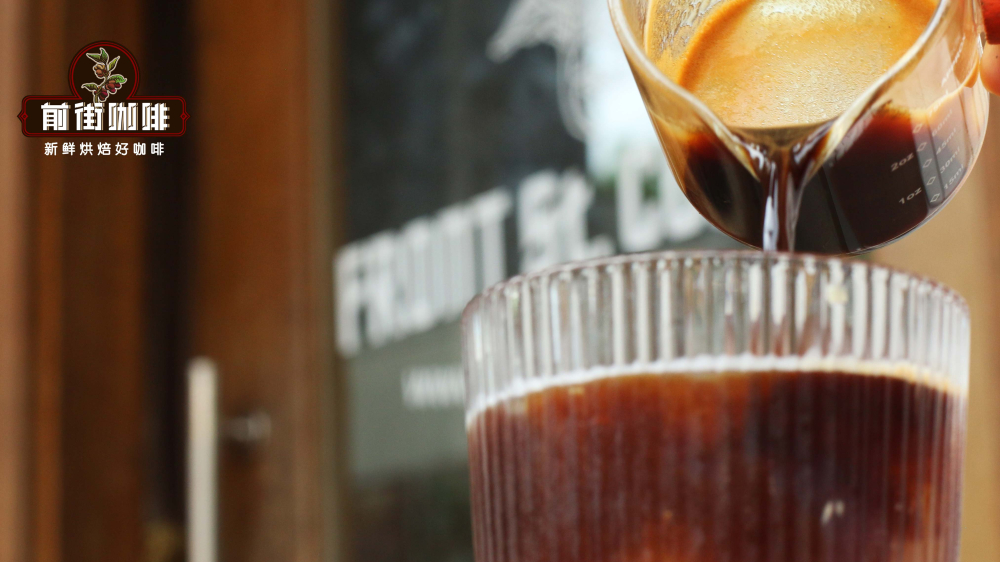 Ordinary consumers can judge by three dimensions—check the roast date (fresh beans within 2 weeks of roasting are recommended), observe the roast level (SOE is usually a light-medium to medium roast), and note the flavor description (quality SOE will clearly state origin and processing method). For home brewing, if you want to experience SOE characteristics, you can first try washed single-origin beans from Brazil or Colombia, as these varieties perform more consistently on home equipment.
In summary, there is no absolute good or bad between SOE and blend coffee. SOE's advantage lies in showcasing the terroir of a specific origin, making it suitable for advanced enthusiasts who seek flavor exploration; blend coffee provides a more balanced and stable everyday drinking experience. As for whether SOE tastes better, this depends entirely on personal taste preference—if you like distinct regional character, choose SOE; if you prefer a rich, smooth mouthfeel, blends are more suitable.
 It is particularly important to note that the flavor performance of coffee beans is affected by multiple factors: including roast date (freshness), grind size (1.5-2mm is recommended for espresso machines), extraction pressure (9-10bar is ideal), and water hardness (filtered water is recommended). Only by mastering these basic parameters can you fully bring out the potential flavor characteristics of SOE or blend beans.