Sidamo Hambela Natural Beans: Traditional vs Refined Processing Flavor Differences and Brewing Guide
Introduction: This article provides an in-depth analysis of the processing differences between the two main natural methods in Ethiopia's Sidamo Hambela region, comparing the effects of traditional ground drying and modern refined raised-bed drying on coffee flavor. Through actual case studies, it explains the historical evolution of defect-rate grading, details the flavor characteristics of renowned lots such as Hachira, and offers professional pour-over parameters to help coffee enthusiasts precisely capture the rich fruity aromas and full-bodied mouthfeel of natural beans.
Coffee processing methods directly affect the final flavor profile. Among them, the natural method, as the oldest processing technique, has gained attention in recent years for its ability to impart fuller body and complex fruity aromas. This article focuses on Ethiopia's Sidamo Hambela region, comparing the core differences between traditional natural and refined natural processing.
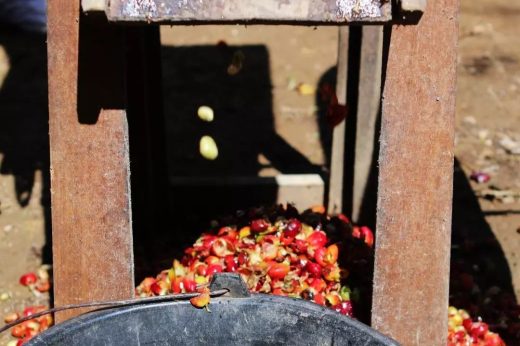
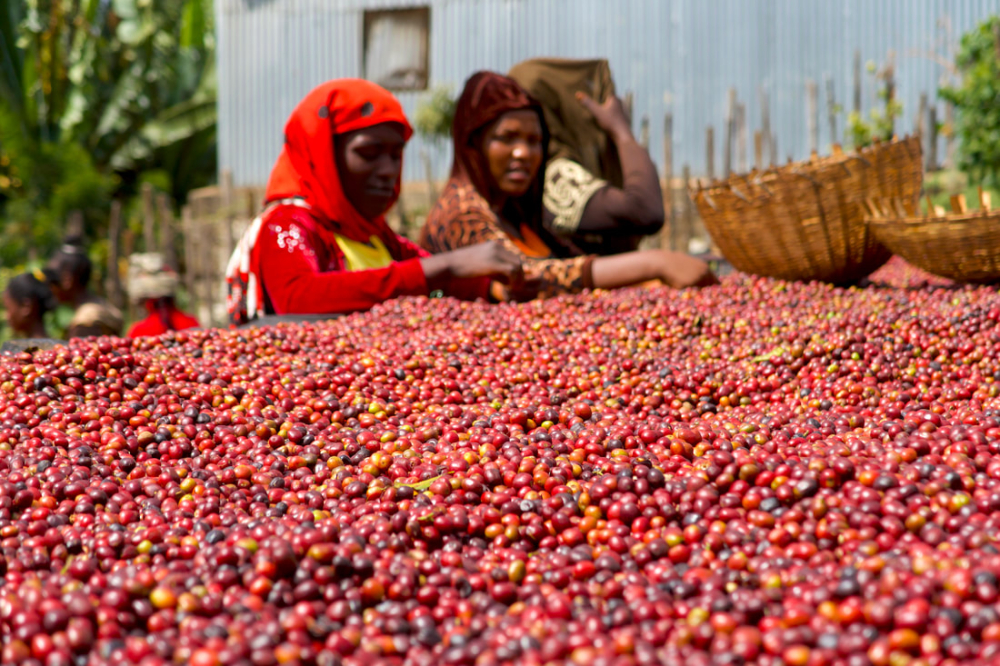
Traditional natural processing appears simple—after picking, the coffee cherries are spread directly on the ground to dry, and once the moisture content drops to a safe range, the pulp is removed to extract the beans. However, this primitive method has obvious drawbacks: the beans easily pick up soil and impurities, and are highly affected by weather. Early Ethiopian green bean grading systems showed that natural beans reached only G3 grade at best (13 or more defect beans per 300 grams), far below the G1 standard common for washed beans (≤3 defect beans).
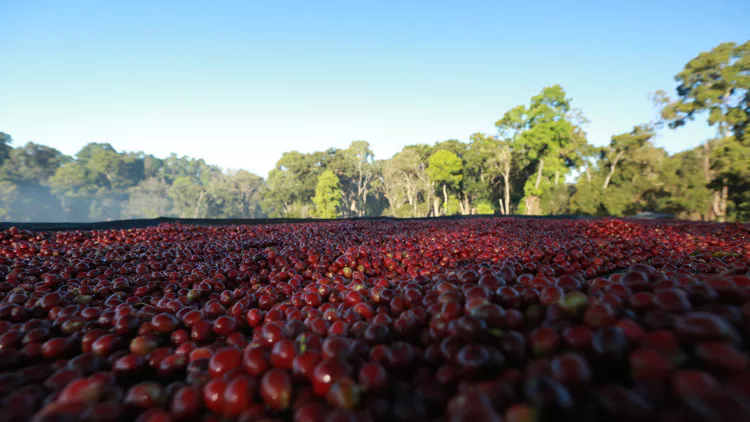
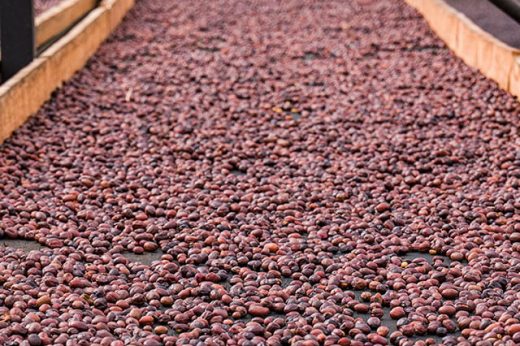
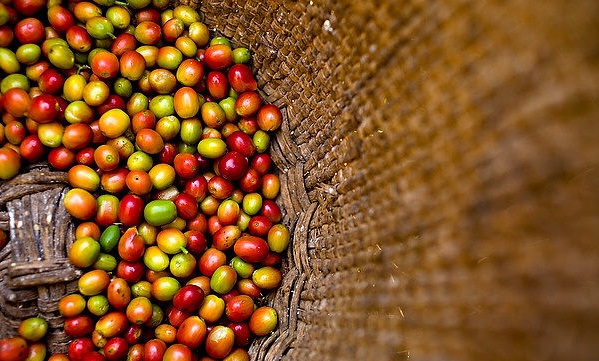
Modern refined natural techniques have completely revolutionized this situation. Quality estates strictly select fully ripe red coffee cherries, keeping the whole pulp and drying on raised beds off the ground with controlled temperature (usually 12-21 days). This method avoids ground contamination and ensures even dehydration, producing high-quality natural beans such as Hachira that reach G1 grade.
The flavor revolution brought by technological progress is remarkable: refined natural beans often present distinct dark berry notes accompanied by complex fermented aromas. Taking the Sidamo Guji region as an example, local heirloom varieties grown at 2250-2350 meters, after natural processing, exhibit layered tropical fruit flavors such as jackfruit, dried fruit, and apricot, while maintaining excellent juiciness.
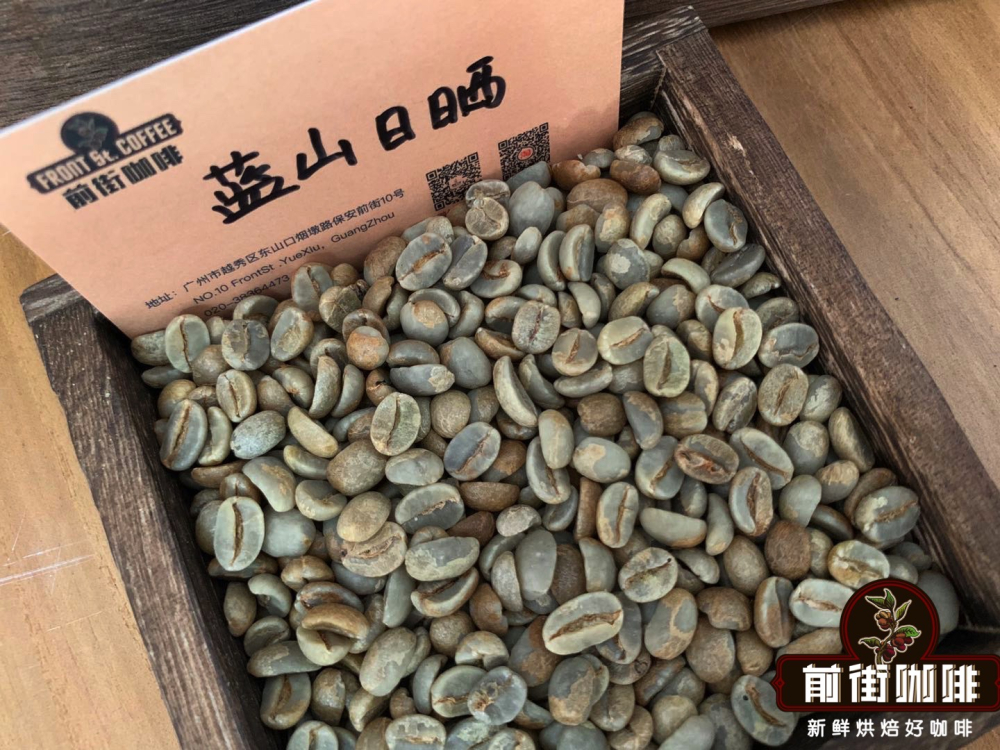
The development of the international specialty coffee market has prompted traditional regions to innovate their processing. A typical case is the Blue Mountain region, which had insisted on washed processing; since 2019, under the guidance of professional estates, it has experimented with natural processing of Typica varieties, and in 2020 launched its first natural-processed products, confirming the strong market demand for special processing methods.
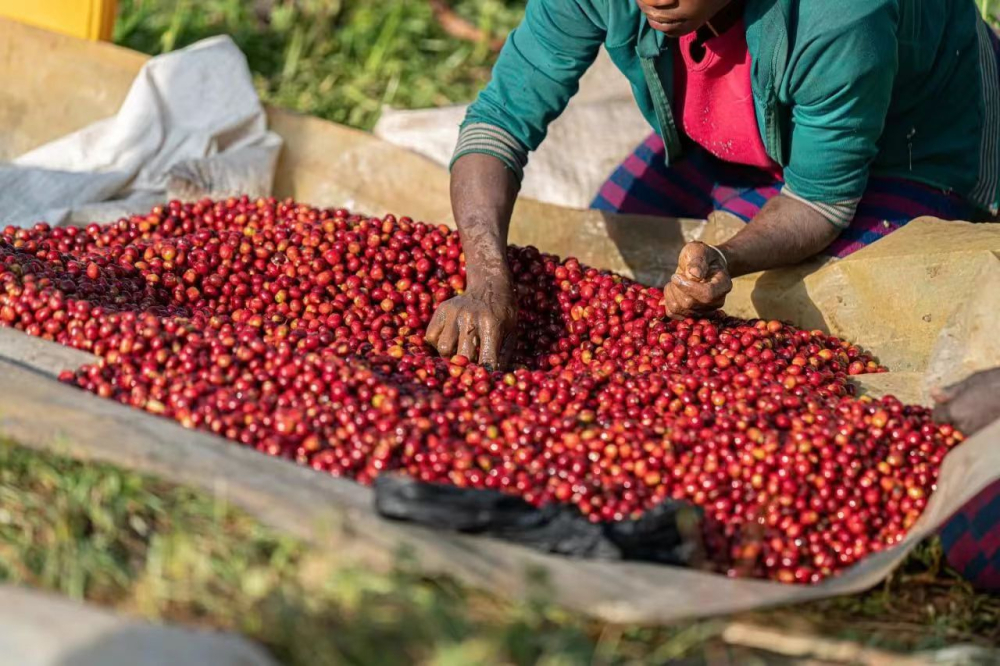
The key to refined natural processing lies in meticulous control: using raised beds for off-ground drying (recommended height ≥50cm), turning at least 3-4 times daily to ensure even heating, and strictly controlling bean temperature within 35-45°C. These measures effectively promote the penetration of fruit sugars into the bean core, forming a unique sweet base.
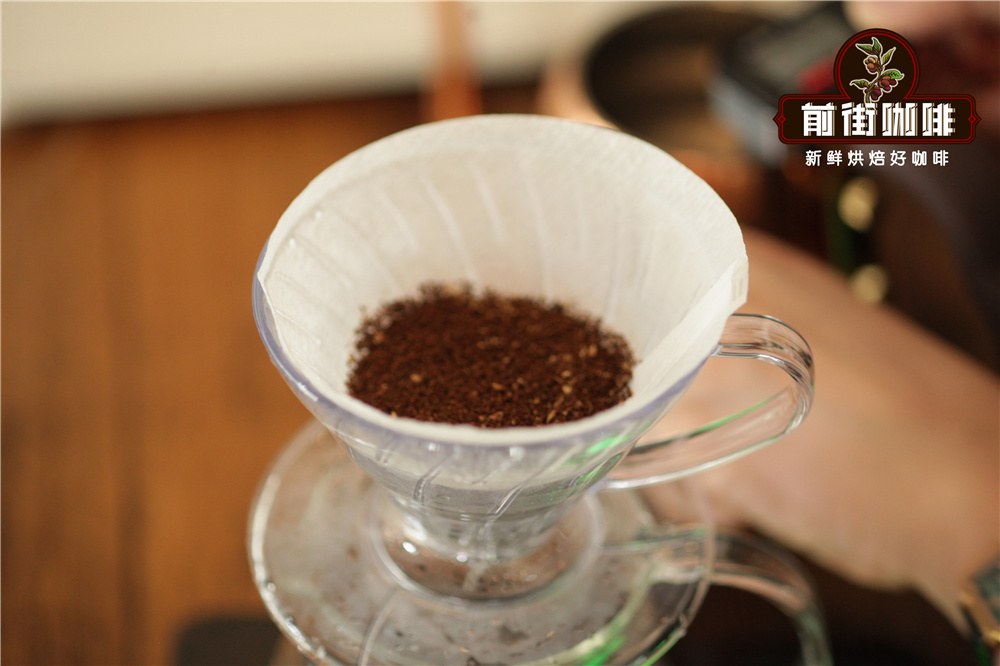
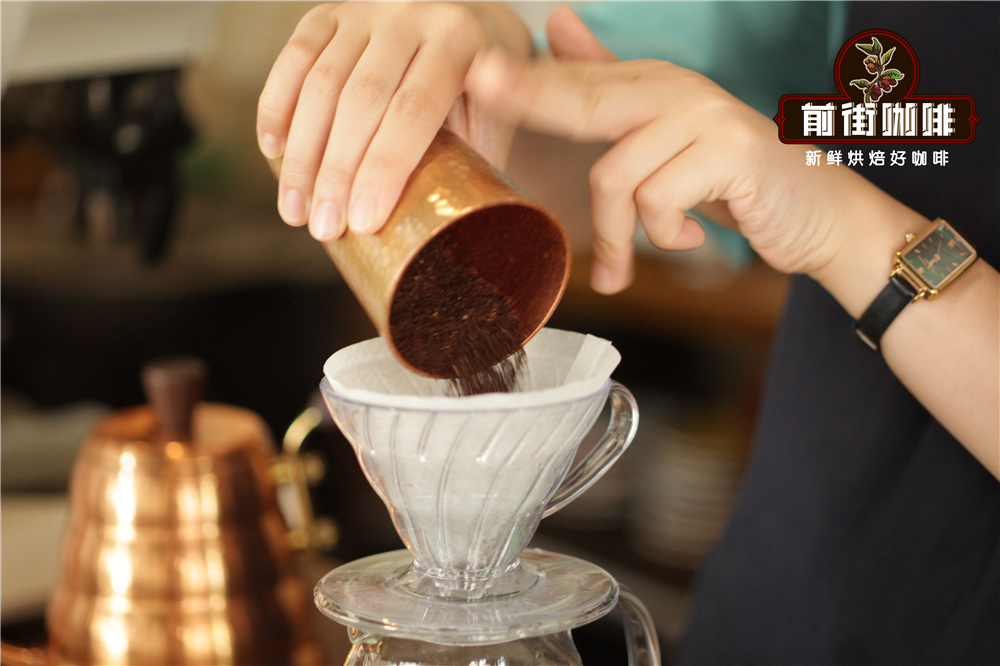
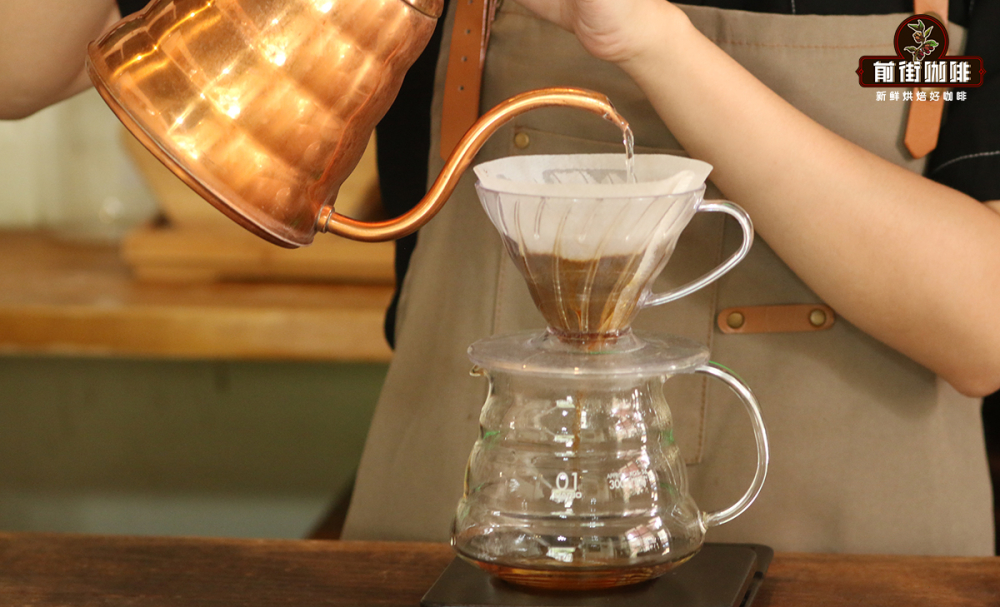
Practical brewing recommendations for Sidamo Hambela natural beans: use a V60 #01 dripper, with water at 90-91°C and a 1:15 coffee-to-water ratio (15g coffee to 225ml water). Set the grind to 80% passing a Chinese standard No. 20 sieve (about the size of fine granulated sugar), and use a staged pouring method to bring out the fruity acidity—first pour 30g water for a 30-second bloom, then 95g at a slightly faster flow, and finally 100g slowly to finish.
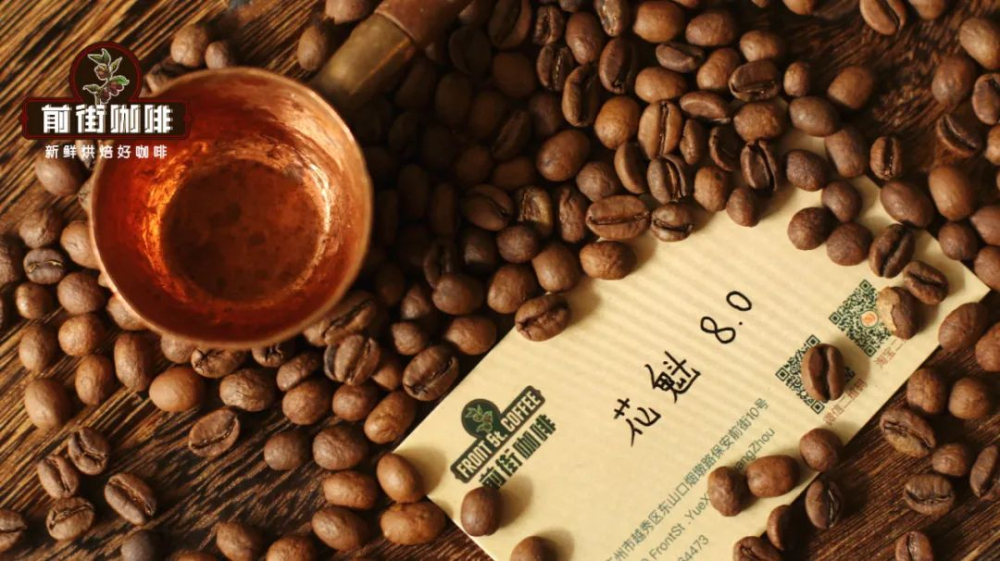
Regarding equipment, the V60 dripper's spiral rib design enhances extraction efficiency, and the large-hole base achieves ideal flow control. Avoid excessively prolonging extraction time (recommended total time within 2 minutes 10 seconds) to prevent over-extraction of tannins causing bitterness.
In summary, traditional natural beans may carry slight off-flavors due to processing limitations but offer excellent value; refined natural beans, with strict quality control, retain the signature full body of the natural method while displaying cleaner berry notes and a silky-smooth body. Consumers can choose according to taste preference—those seeking intense fermented flavors can opt for traditional lots, while those preferring a refined, balanced profile are better suited to specialty natural beans processed on raised beds.
Additional tips: store natural beans away from moisture, and use within 2-4 weeks after roasting for the best flavor window. If the brew tastes too strong, adjust the grind coarser or lower the water temperature to 88-89°C for fine-tuning.