Arabica, Robusta, Liberica: How to Choose Among the Three Coffee Bean Species
Introduction: Coffee enthusiasts are often confused by the three major coffee bean species: Arabica, Robusta and Liberica. This article provides an in-depth analysis of their flavor differences, cultivation characteristics and suitable applications, taking you from the source of the bean species to understand the underlying logic of the coffee world. Mastering this knowledge not only improves your tasting ability but also helps you precisely select beans according to your brewing needs.
The global commercial coffee market relies mainly on three native species: Arabica, Robusta and Liberica. Among them, Arabica accounts for 75% of production and is the mainstay of specialty coffee; Robusta accounts for 20% and is mostly used in espresso blends; while Liberica accounts for only 2% and is concentrated in Asia-Pacific cultivation.
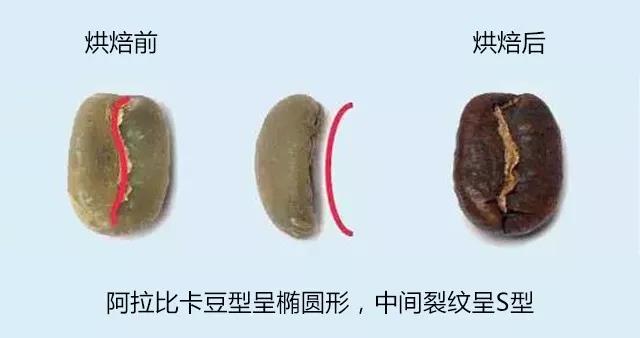
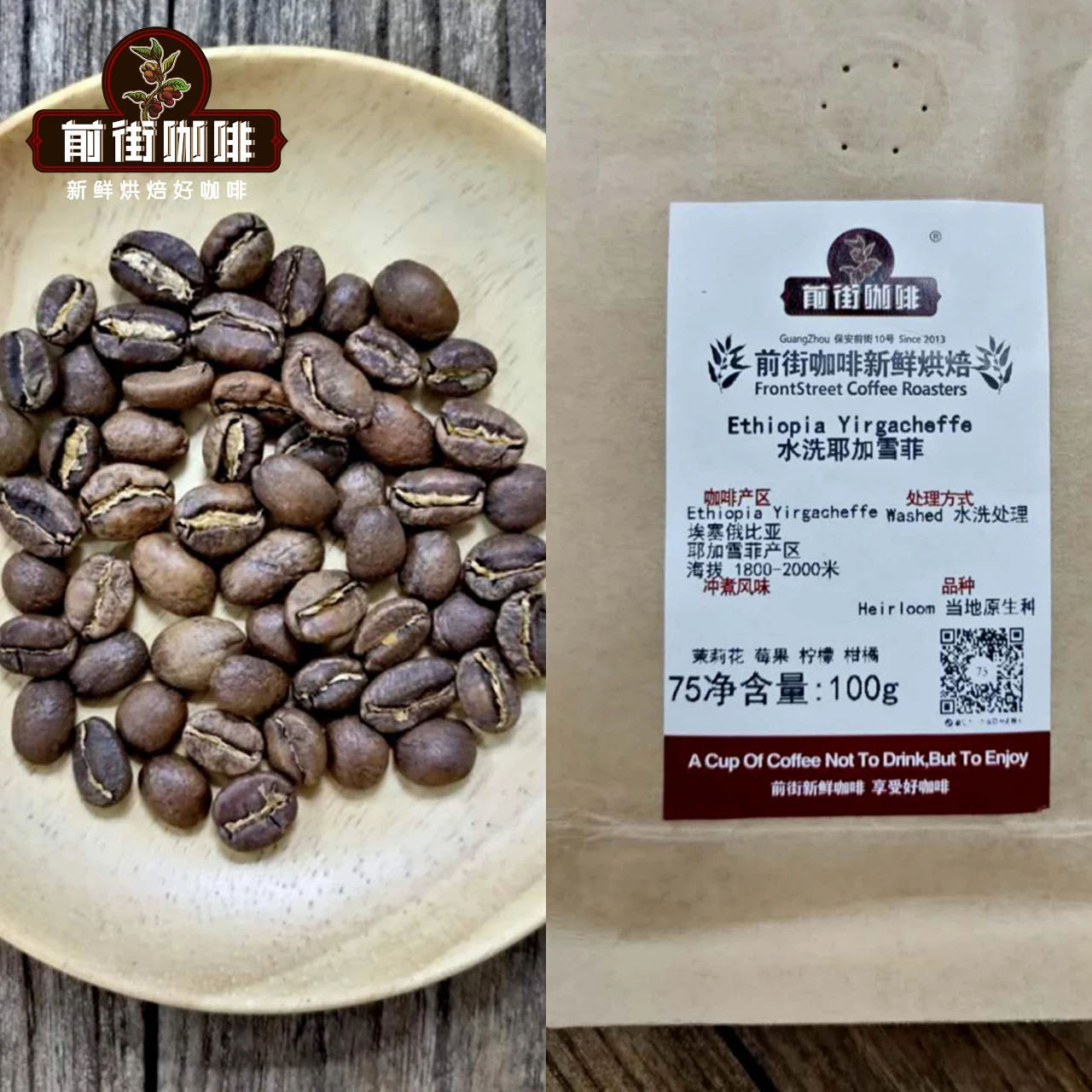
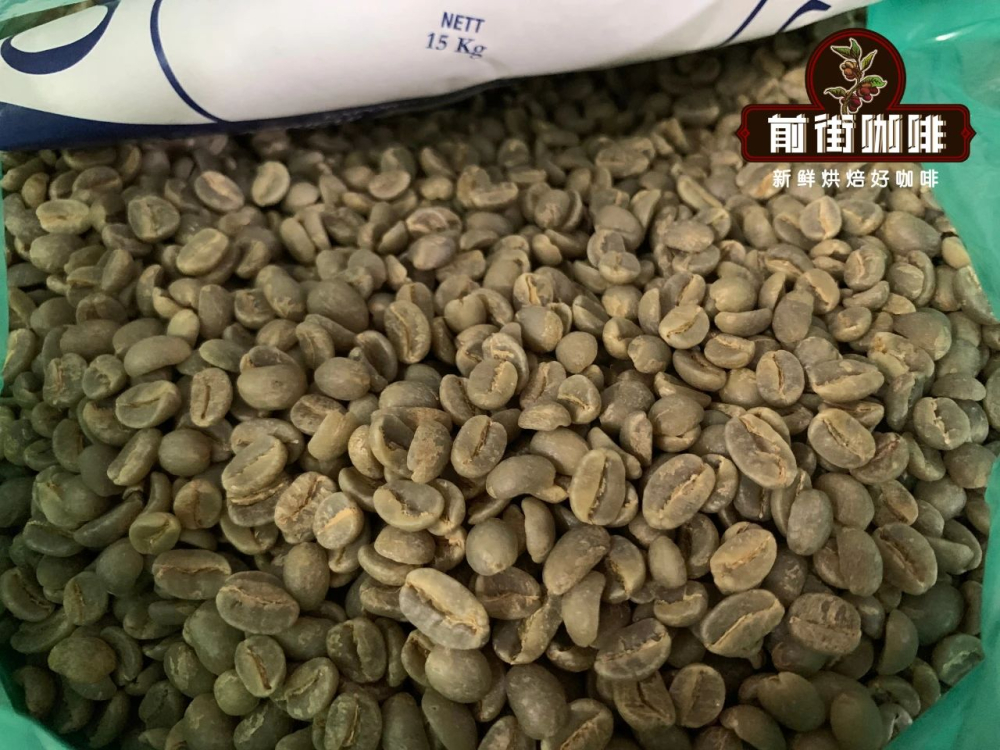
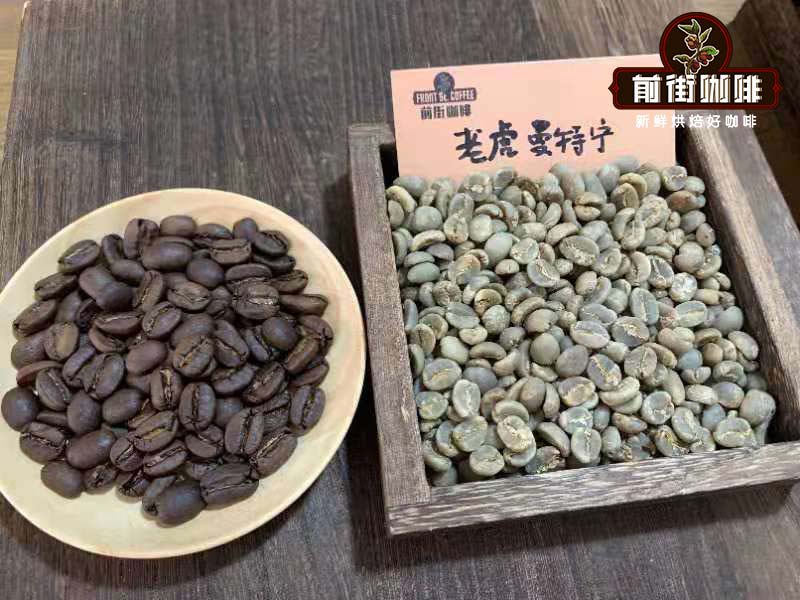
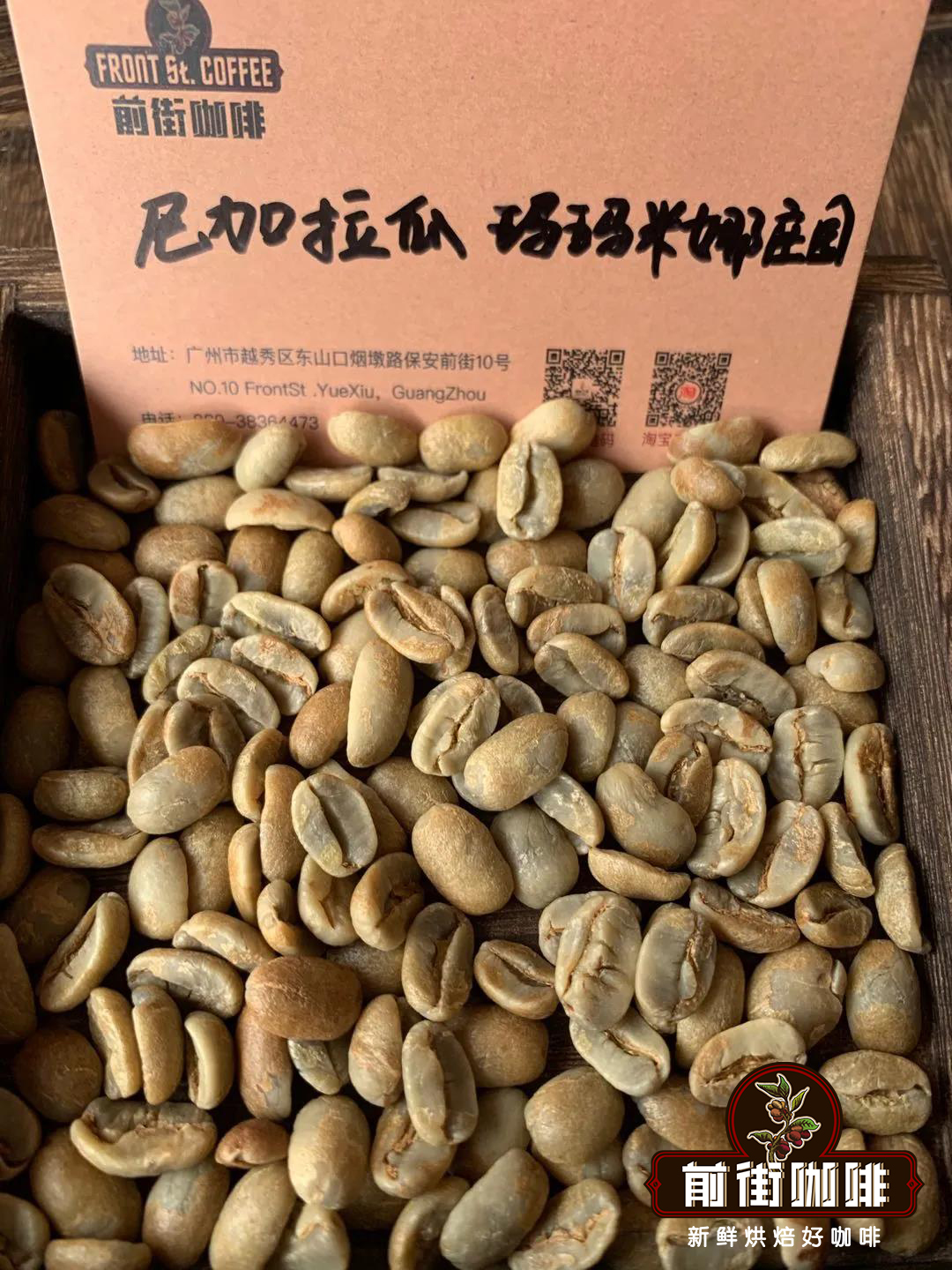
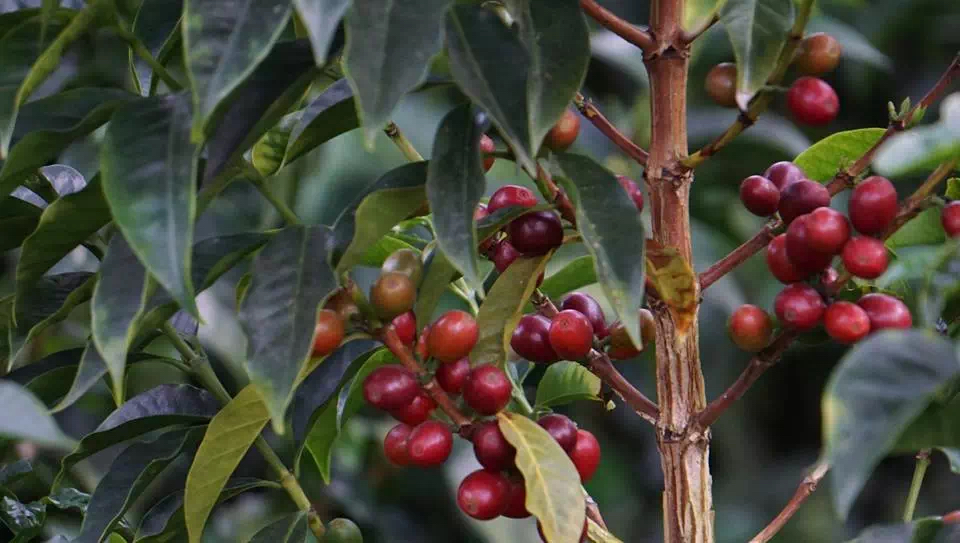
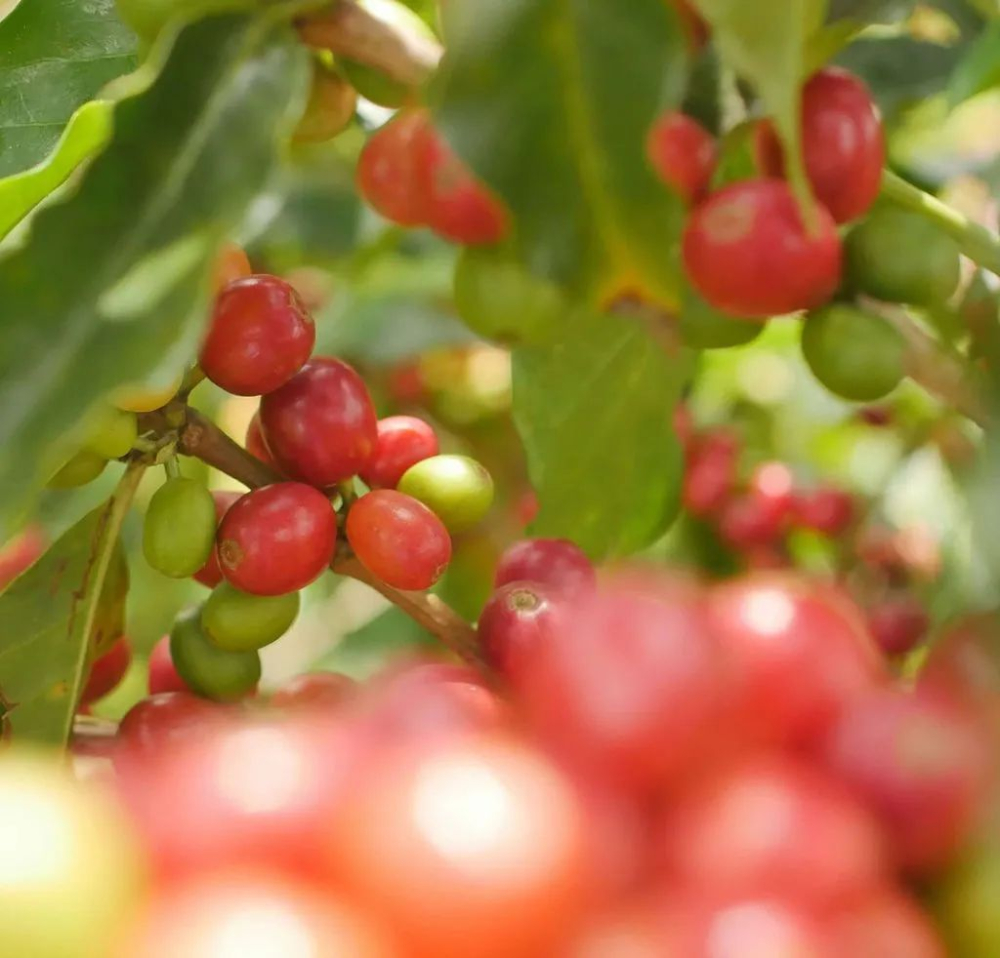
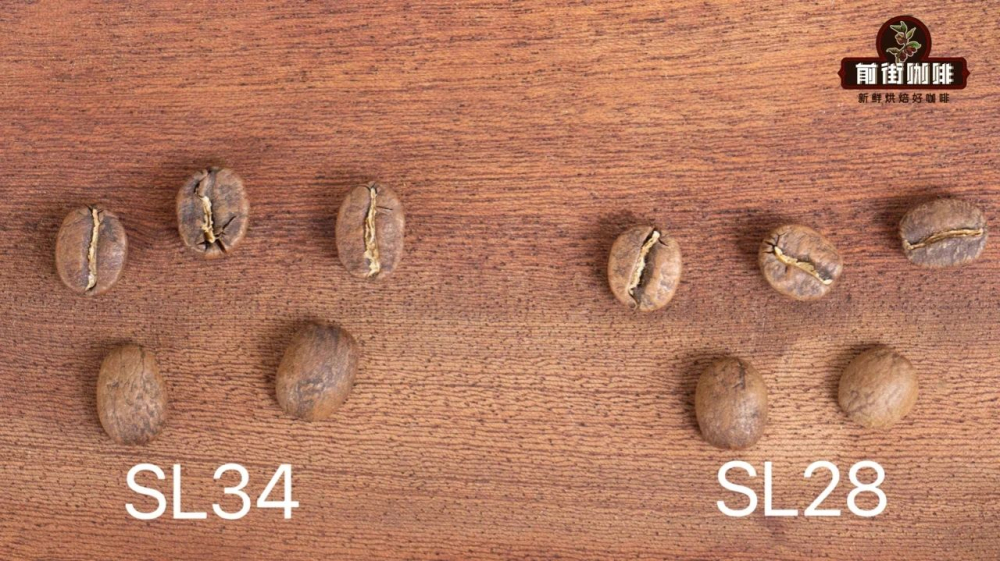
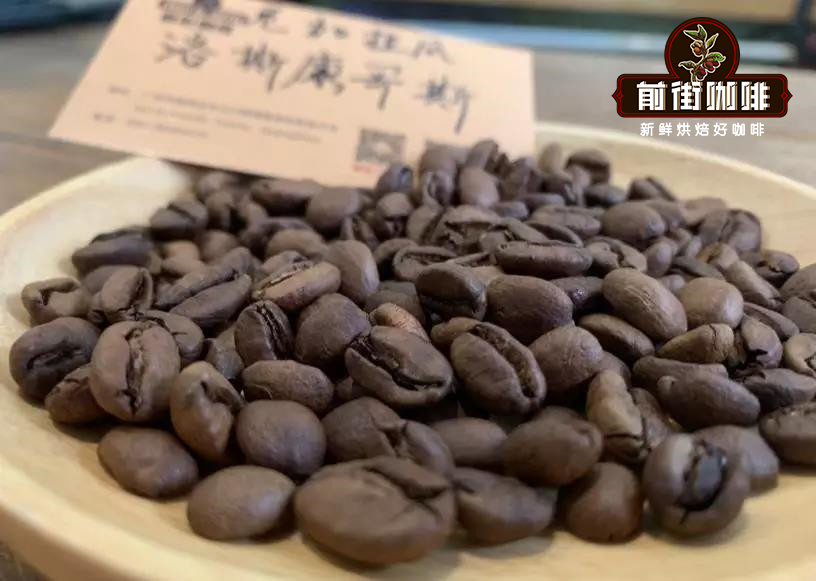
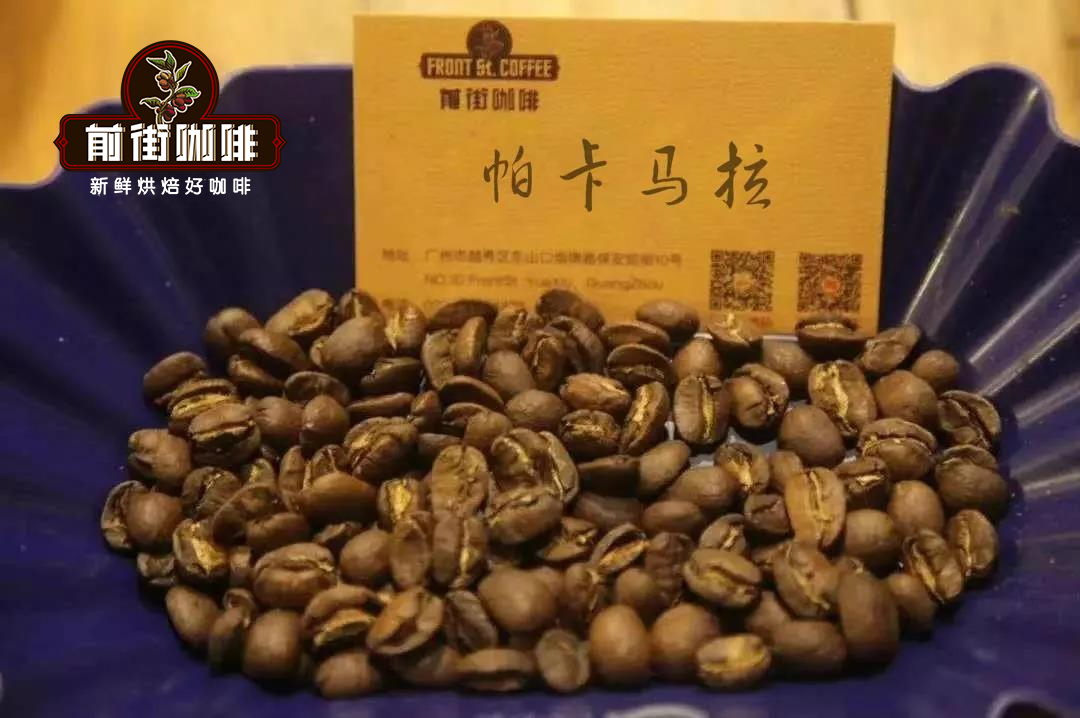
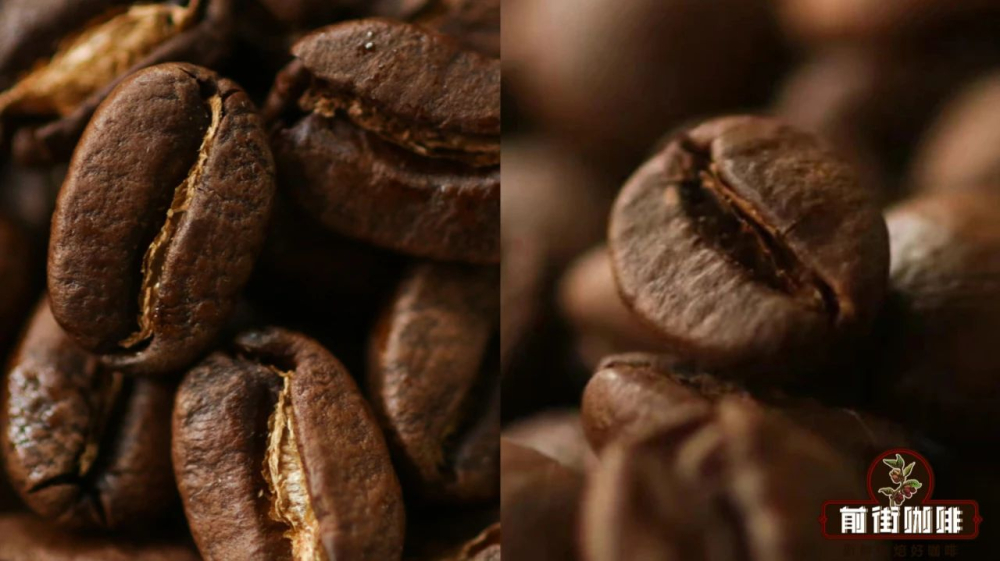
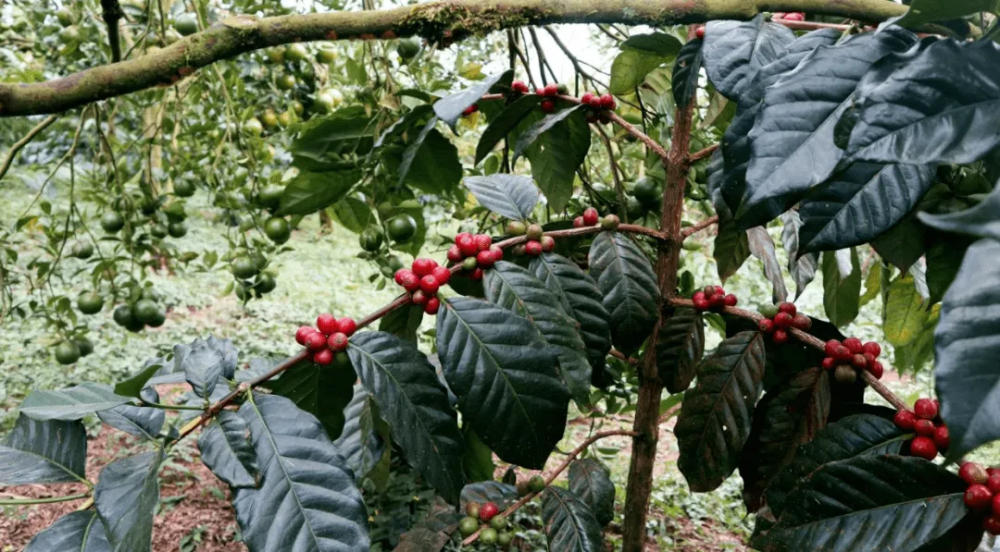
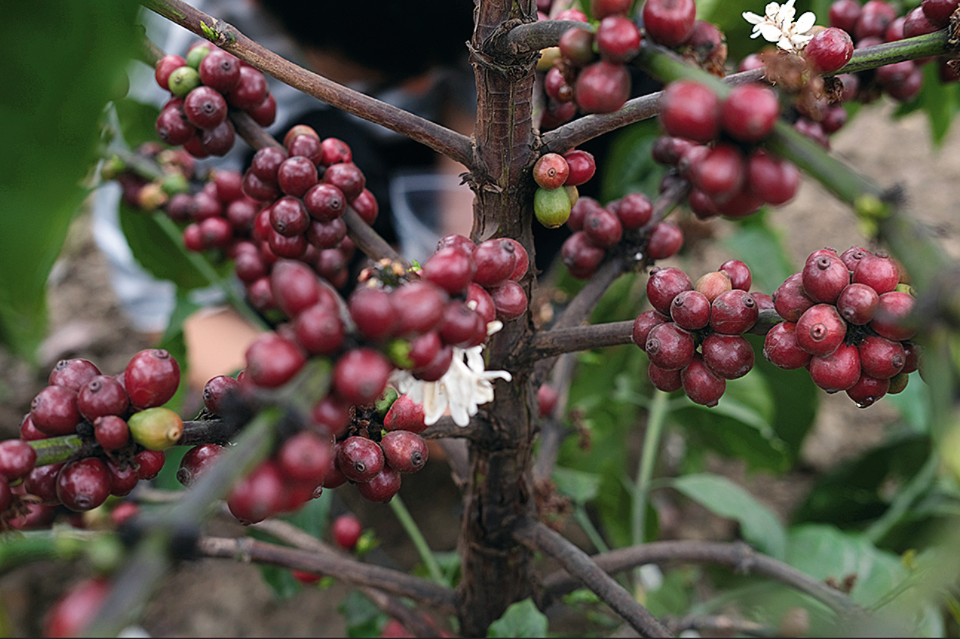
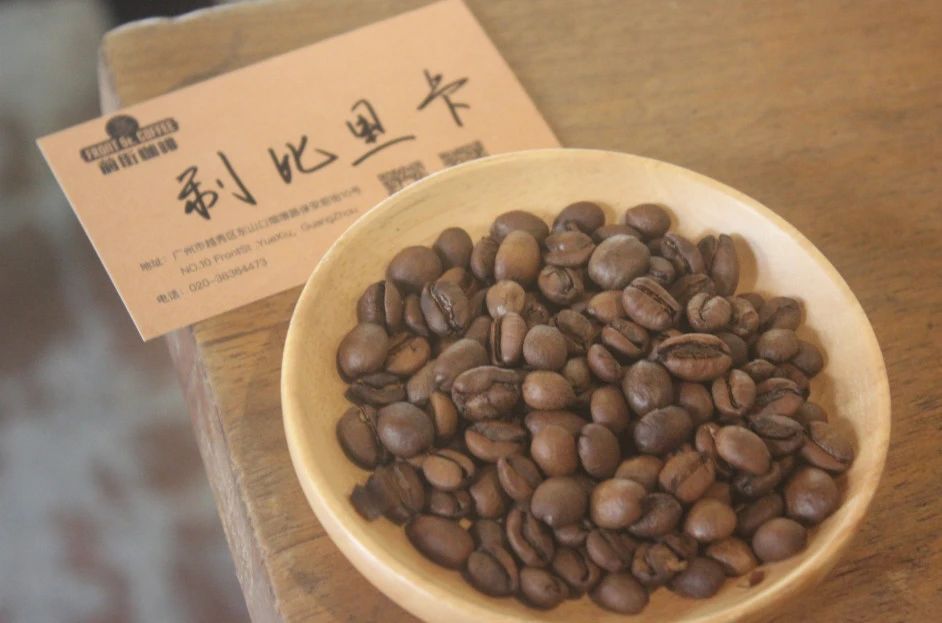
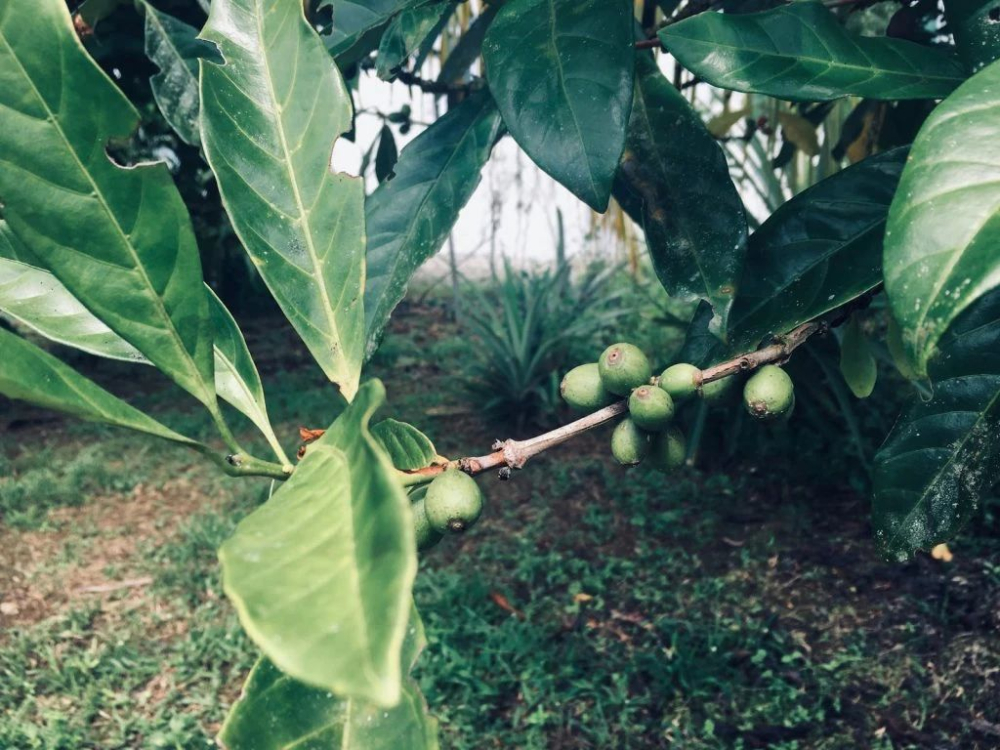
Arabica can be called the noble variety of the coffee world, with a flavor complexity far exceeding other types.Its typical characteristics are bright acidity, complex fruit-toned notes and a lower caffeine content (0.8%-1.5%). This species is extremely picky about its growing environment, requiring cultivation in cool zones at altitudes of 1000-2000 meters, with an ideal temperature range of 15-24°C. Notably, its bean shape is a distinctive flat oval, with the central crack forming an elegant S-shaped curve.
Looking deeper into Arabica's sub-varieties, Typica, as the oldest cultivated variety, is known for its elegant flavor but has the drawback of weak disease resistance. In contrast, the Bourbon variant has achieved fuller fruit and higher sweetness through genetic improvement. Among emerging varieties, Geisha has repeatedly won international competitions with its tea-like body and jasmine aroma, while Laurina has become a new favorite among health-conscious coffee lovers with its ultra-low caffeine content of 0.6%.
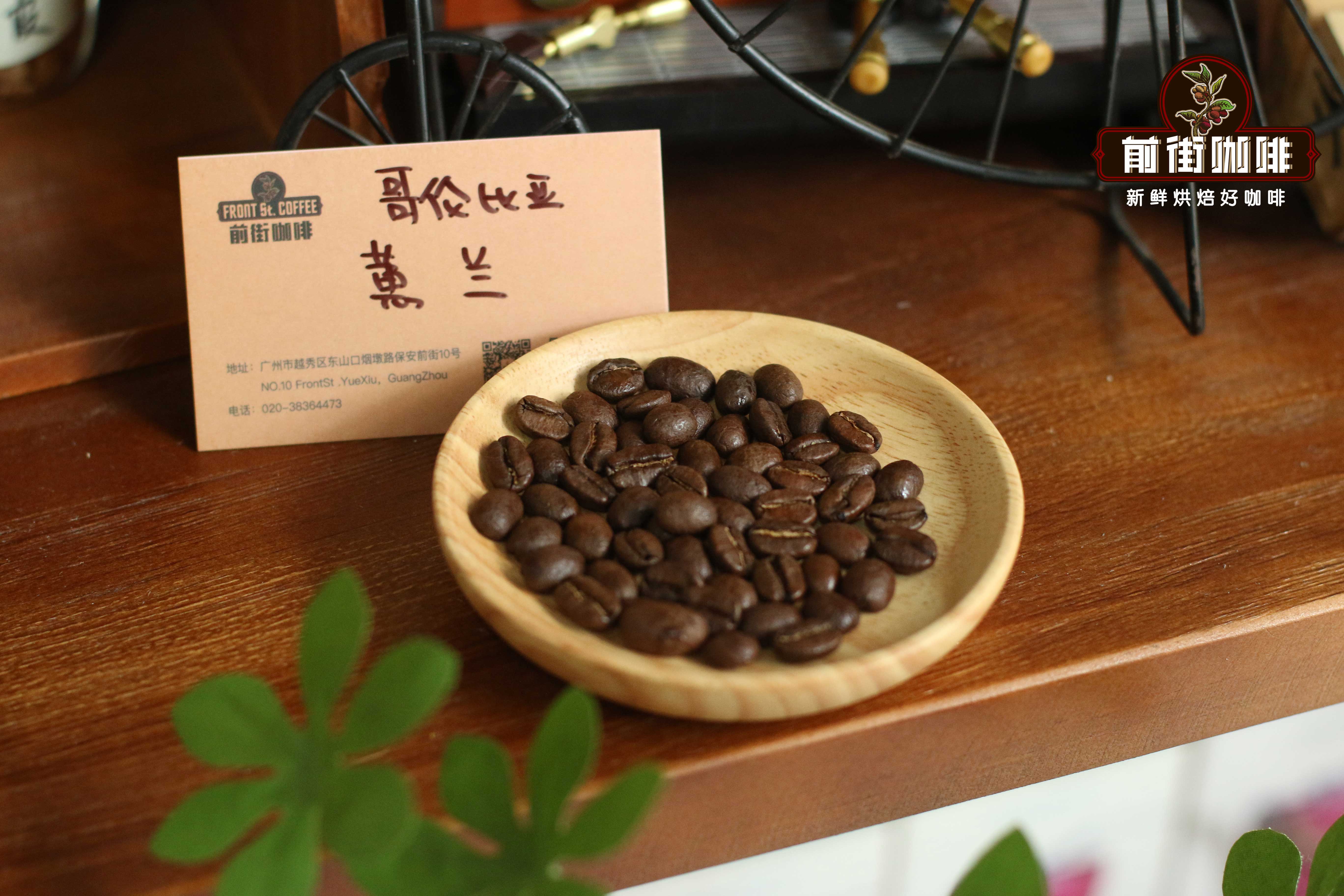
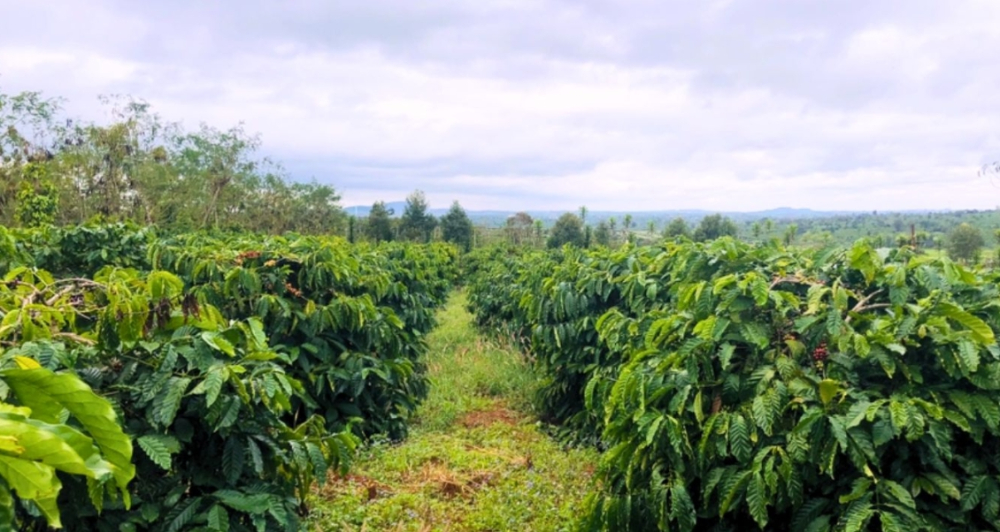
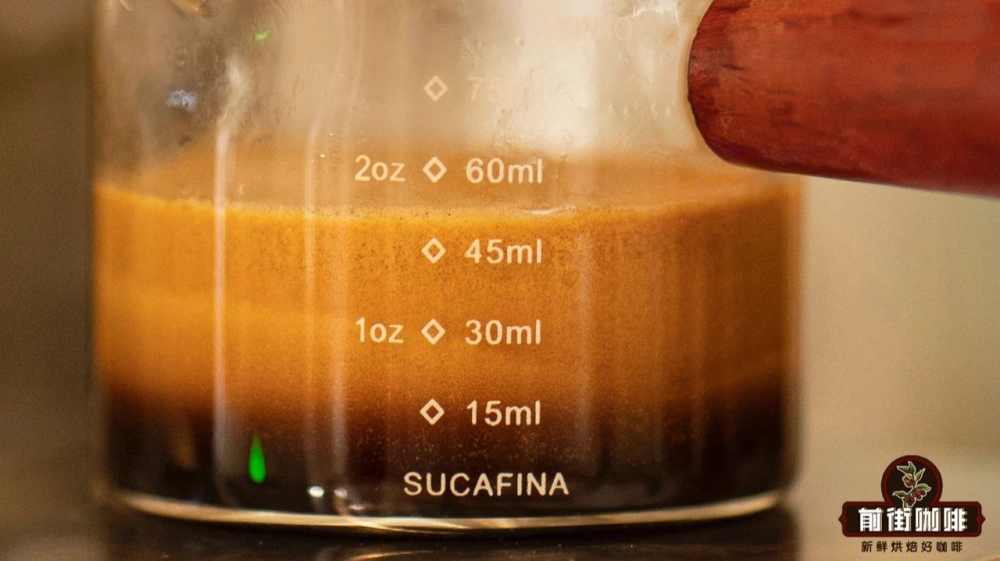
Although Robusta is often labeled "cheap coffee," its caffeine content of 2.7%-4% gives it strong insect resistance, enabling it to grow vigorously in low-altitude hot and humid regions. This species' beans are rounder and denser, with the center line forming a straight "1"-shaped crack. Vietnam, as the world's largest Robusta producer, offers coffee with a strong caffeine kick, particularly suitable for making traditional espresso that requires a rich base. It should be noted that Robusta's oil content is typically 30% higher than Arabica's, which produces a denser crema when making milk coffee.
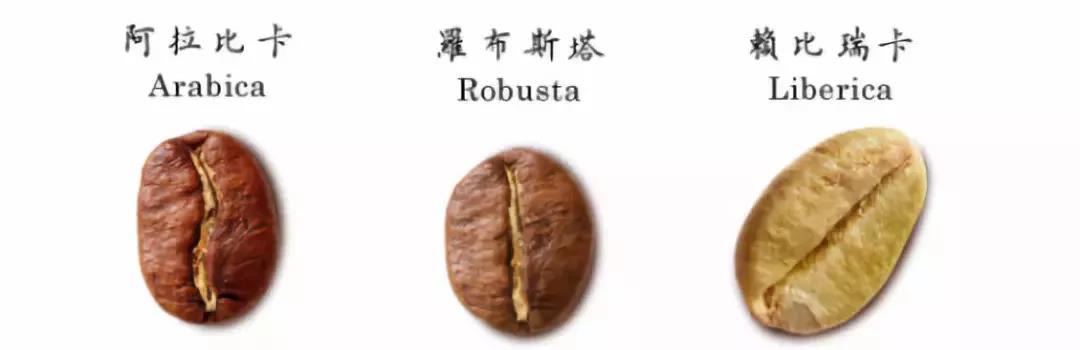
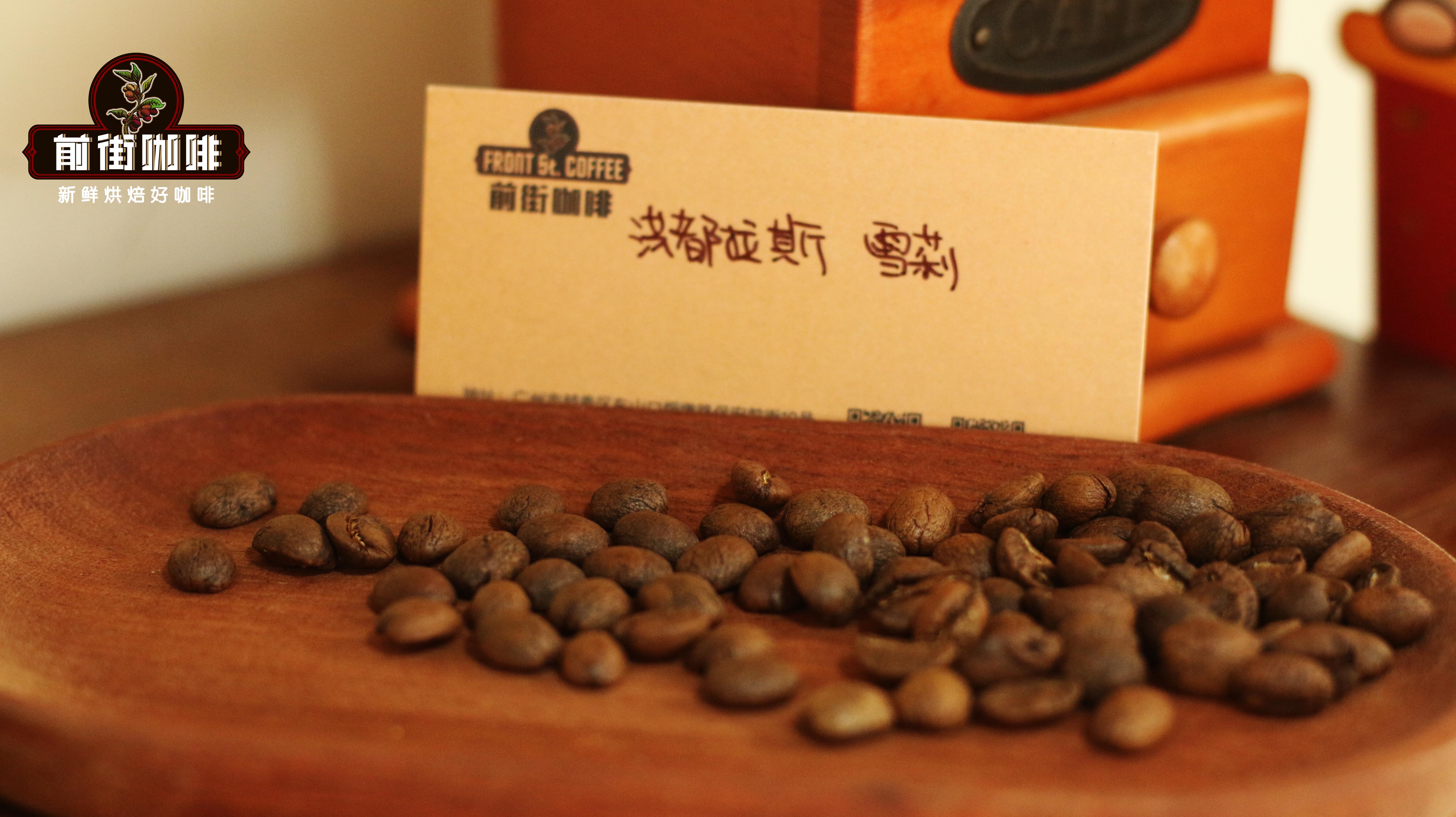
Liberica, as the most niche variety, has beans up to twice the size of ordinary Arabica, but its flavor is relatively bland. This large bean species, native to Liberia, has strict cultivation requirements and is currently grown only on a small scale in a few tropical regions. Professional roasters suggest that unless one is seeking a special low-acid, full-bodied taste, ordinary consumers need not go out of their way to try it.
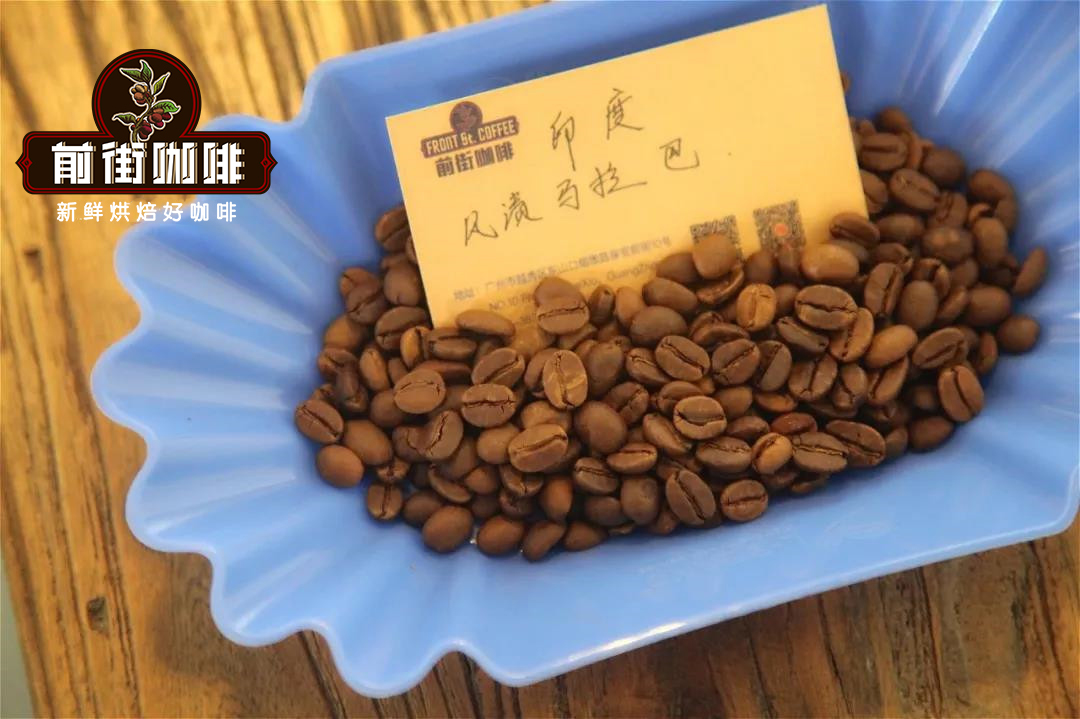
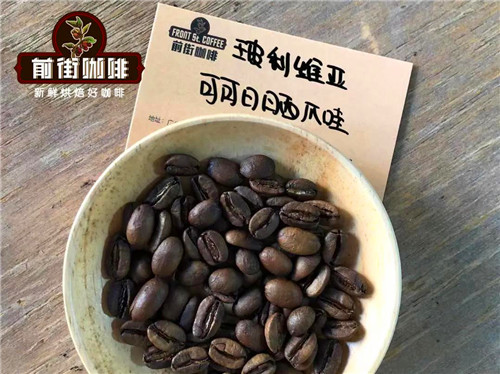
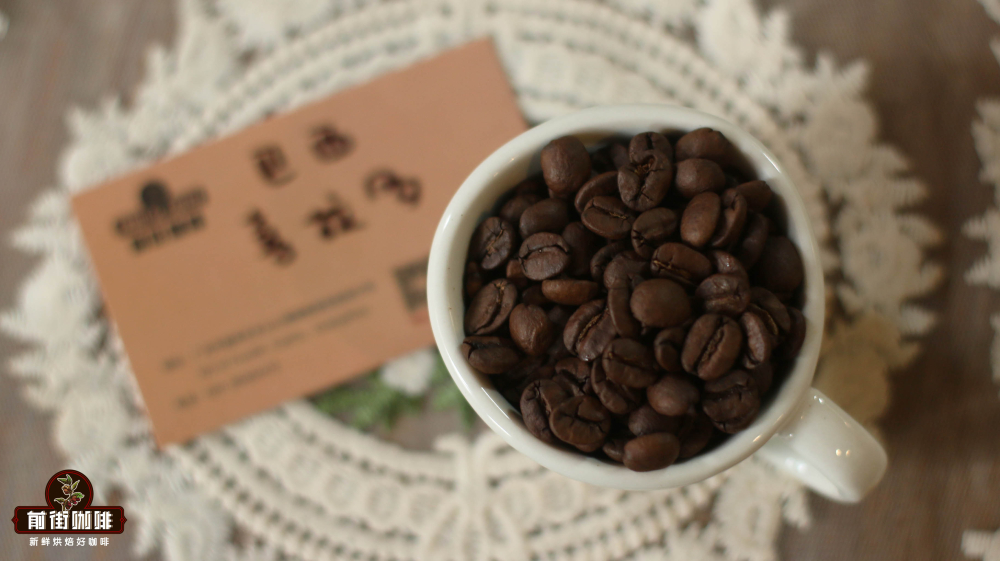
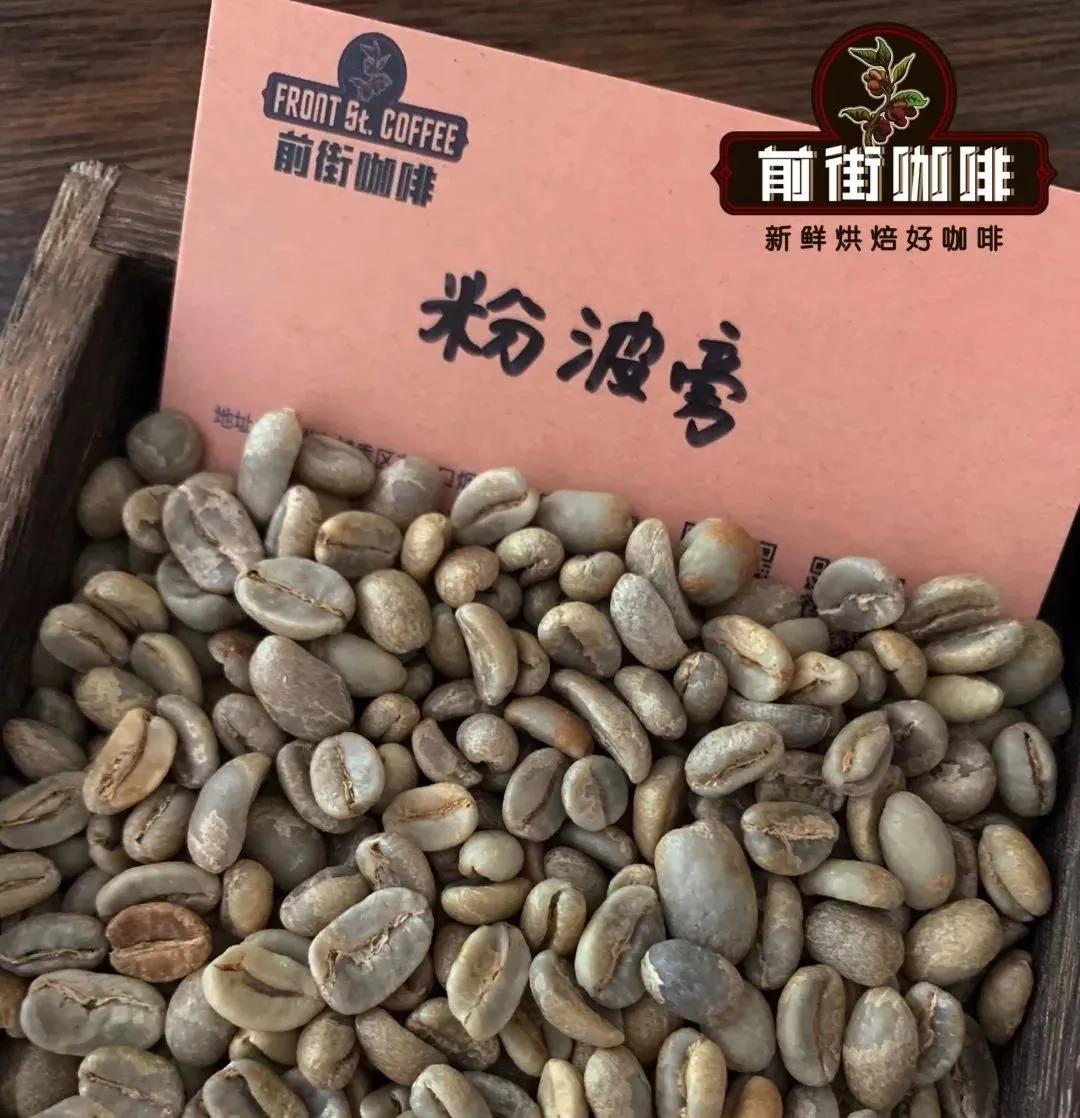
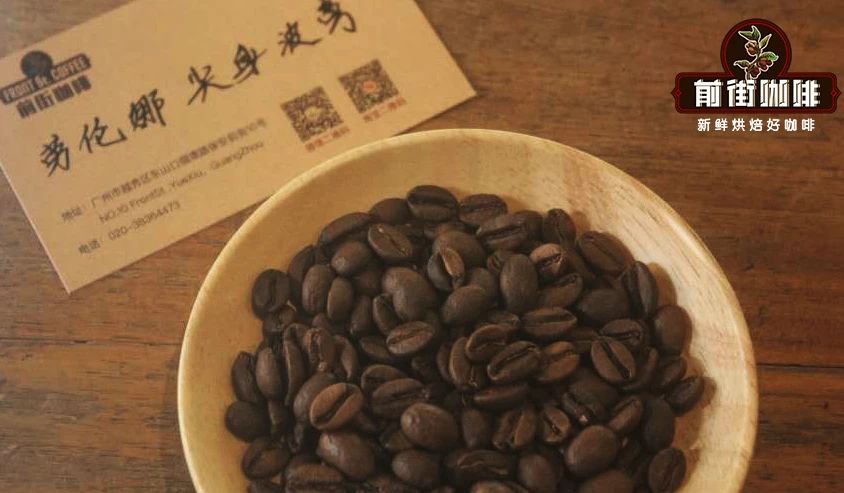
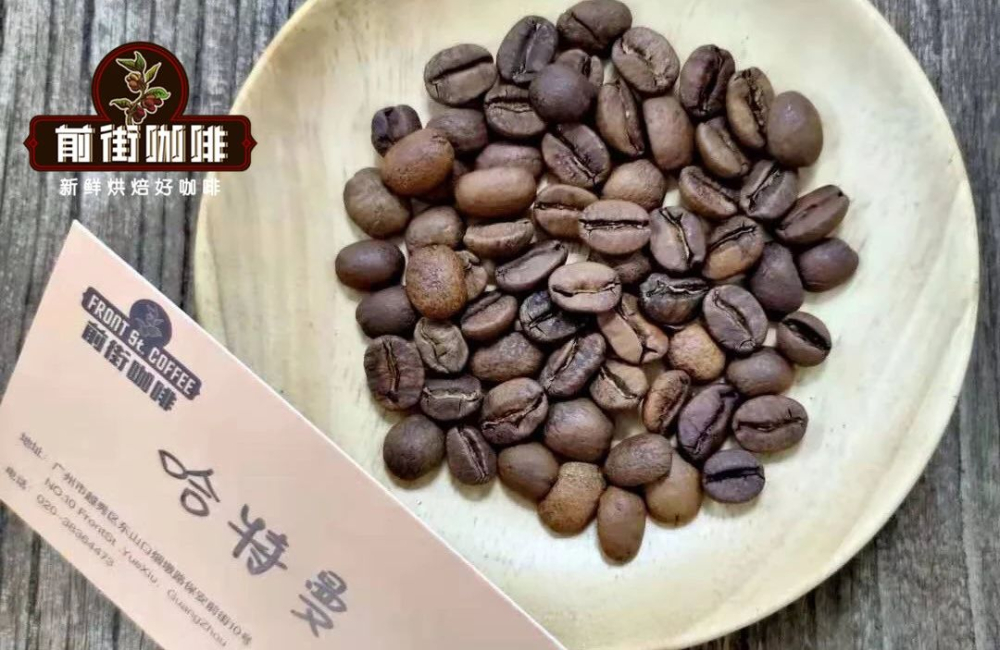
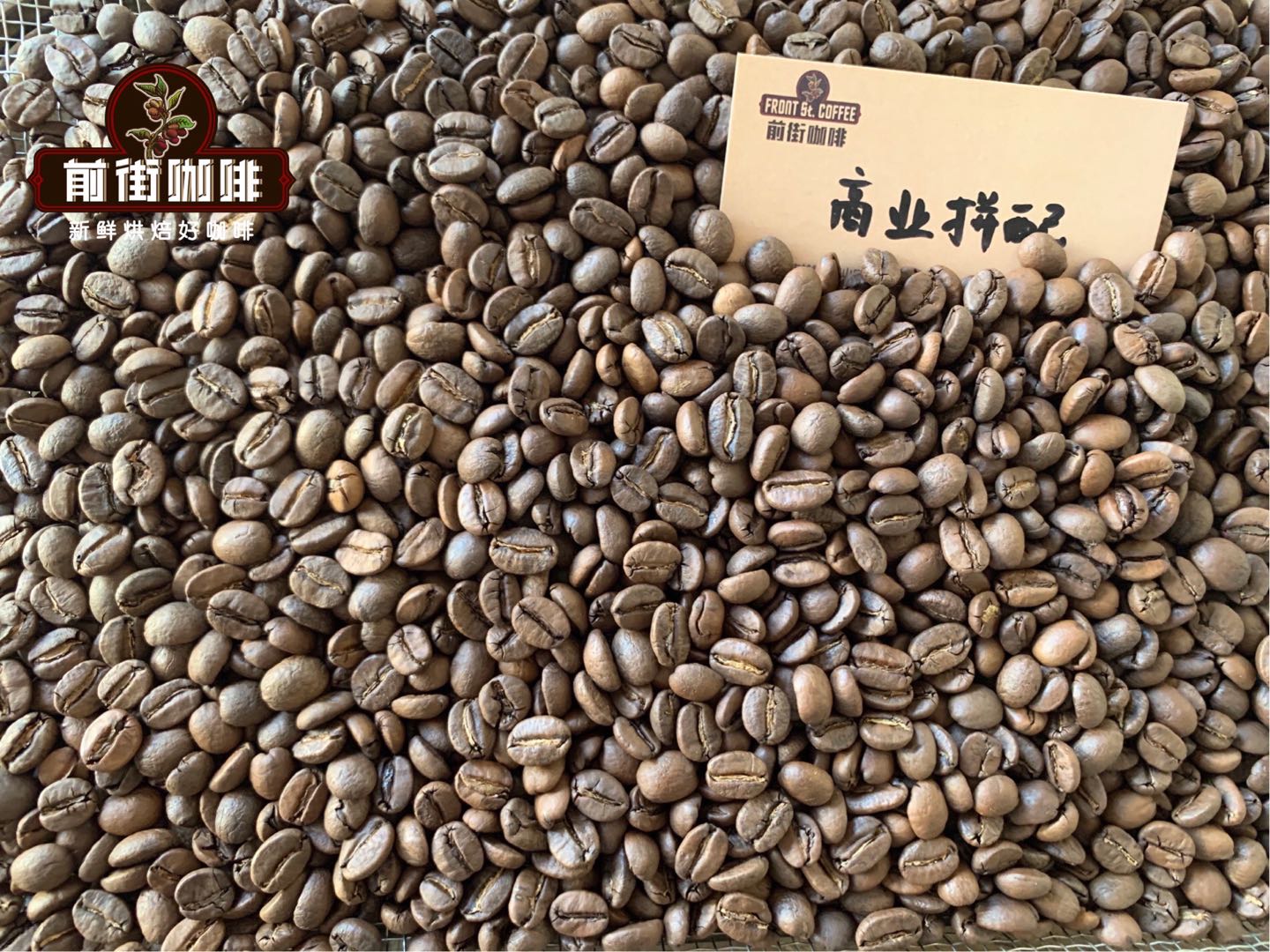
For everyday purchasing, mainstream varieties can be identified through three simple steps: First, observe the bean shape—Arabica is mostly flat and oval with a curved crack, while Robusta is plump and round with a straight crack; second, smell the dry aroma—Arabica has fresh fruity or floral notes, while Robusta gives off a distinct nutty, earthy smell; finally, when tasting, note that high-quality Arabica should present a multi-layered flavor transition, while Robusta usually delivers a direct, intense bitter-sweet impact.
Special processing methods also significantly affect the final flavor. For example, washed processing enhances Arabica's clean acidity, while natural processing amplifies tropical fruit notes. As for altitude, high-mountain cultivation above 1500 meters allows Arabica to develop brighter citrus notes, whereas low-altitude Robusta intensifies a rubbery heaviness.
Professional baristas recommend that pour-over enthusiasts prioritize medium-roast Arabica varieties, with optimal extraction parameters: a coffee-to-water ratio of 1:15-1:17, water temperature of 90-93°C, and a grind size close to granulated sugar. If using a French press, medium-dark roast Robusta is recommended, as it better showcases its full-bodied character. For blended coffee, a reasonable Arabica-to-Robusta ratio should be between 7:3 and 9:1, ensuring flavor complexity without being overly harsh.
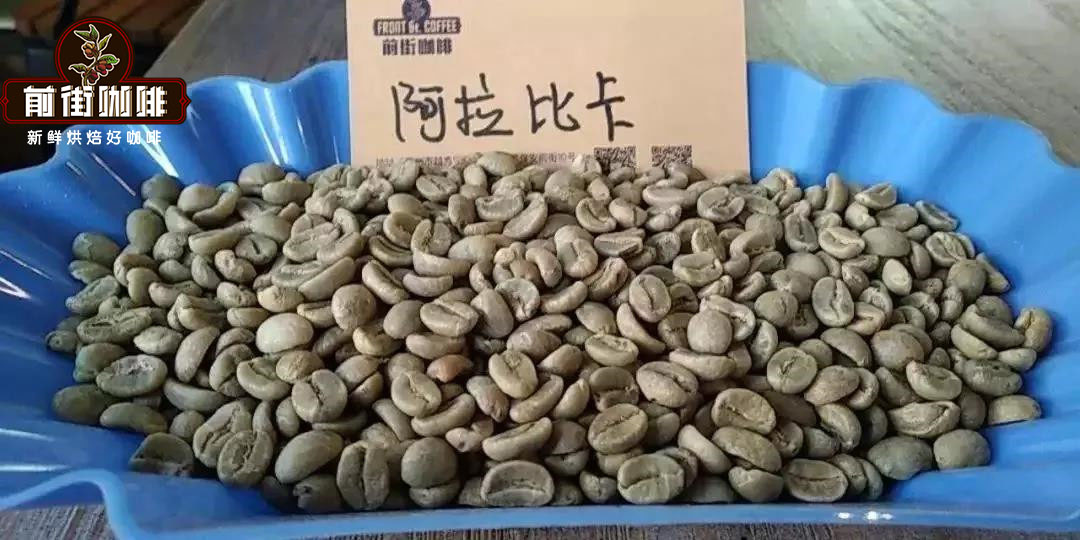
Special attention must be paid to storage: all green beans should be kept in a dark, sealed environment with humidity below 60%. Roasted coffee beans are best used within 14 days, and ground coffee has a peak flavor period of no more than 24 hours. Serious enthusiasts can invest in aluminum foil bags with one-way degassing valves, which can effectively delay flavor loss by more than 30%.