Kenya Coffee Brewing Guide: Best Parameters and Flavor Profiles for Iced Pour-Over, Ice Drip and Cold Brew

Introduction: Kenyan coffee beans are known for their bright fruit acidity and complex berry notes, and these distinctive flavors are especially suited to being served as cold drinks. This article takes an in-depth look at the characteristics of the SL-28 and SL-34 varieties, Kenya's classic double-wash process, and the practical parameters and flavor-development logic of three mainstream cold coffee methods—iced pour-over, ice drip and cold brew—to help you accurately present the bright acidity and layered complexity of Kenyan coffee.
In the early twentieth century, Bourbon-derived varieties selected and cultivated in Kenya by French and British missionaries and researchers grew for a century in the local high-phosphorus soil, giving rise to a distinctive acidic aroma. Compared with Bourbon beans from Central and South America, Kenyan beans have a more pronounced and unique flavor. In particular, top Kenyan coffees all come from the two classic lines SL-28 and SL-34—though when transplanted to Asia they often struggle to express their original character.

In the specialty coffee wave, the influence of coffee variety on flavor has become increasingly critical, and the unique flavor of Kenyan coffee is inseparable from the two varieties SL-28 and SL-34. SL is short for Scott Laboratories. In the 1930s, this laboratory was commissioned by the Kenyan government to carry out coffee breeding and classification research, aiming to find varieties suited to the local terroir, commercially valuable and suitable for large-scale cultivation. SL-28 and SL-34 were two of the results.
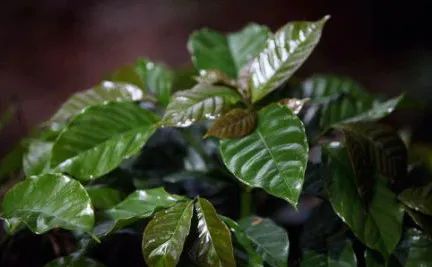
As a representative of Africa's high-quality origins, Kenyan coffee beans are usually processed by the washed method, and careful roasting better highlights their signature lemon, citrus and grapefruit flavors, with a fresh mouthfeel and balanced acidity and sweetness. Among these, Kenya's unique "double wash" (also called the K72 washed process) is key—this process uses two fermentations to further enhance the coffee's clarity and acidity.
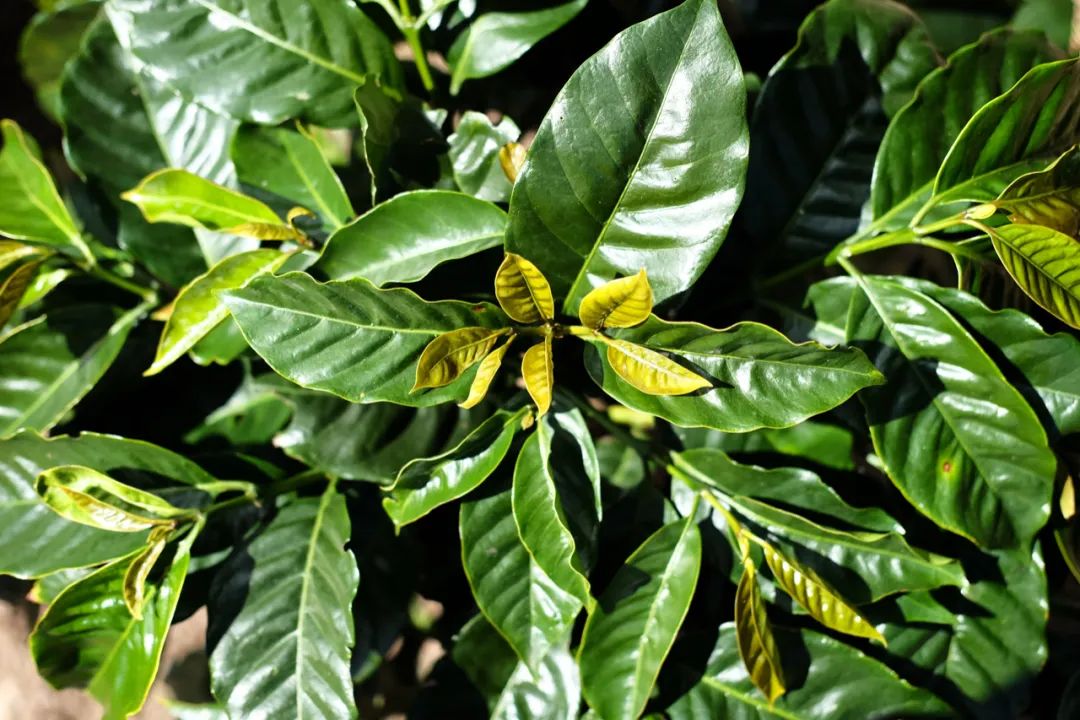
The so-called double-fermentation washed method means the coffee beans go through two fermentation processes. The specific flow is: first, the harvested coffee cherries are floated (to remove unripe cherries and defective cherries of insufficient density); after the pulp is removed, the parchment beans are poured into the upper fermentation tank to ferment overnight (or dry fermentation is used), then moved to the lower fermentation tank to continue fermenting for 36 hours, and finally washed and sun-dried. Throughout the process, the washing channels are divided into upper and lower levels, corresponding to the first and second fermentations.
In the first fermentation, after the coffee cherries are depulped they go directly into the upper fermentation tank. The fermentation time is significantly affected by ambient temperature (the higher the temperature, the faster the fermentation), but usually after most of the mucilage has been broken down, the parchment beans are transferred to the lower clean-water tank for a second fermentation. Special note: during fermentation, the circulating water needs to be changed every few hours to prevent the beans from developing off-flavors from soaking too long. The second fermentation plus the rinsing stage takes about 36 hours in total, but if fermentation exceeds 36–72 hours it easily leads to over-fermentation, producing excessive fatty acids that make the coffee too sour, so the actual total washing time is usually 48–72 hours.

This double-fermentation process not only extends the flavor-development time but also, through the increase in acetic acid concentration during fermentation, enhances the coffee's acidity and cleanliness. Ultimately, properly roasted Kenyan coffee presents very obvious berry flavors—for example, coffee from some regions has notes of blackcurrant, grapefruit and even a slight cherry-tomato character—with an overall base dominated by bright acidity, the sourness rising and rich in layers.
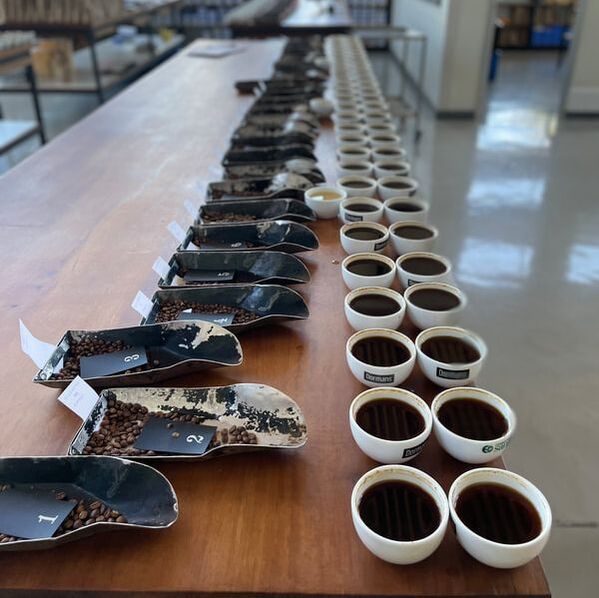
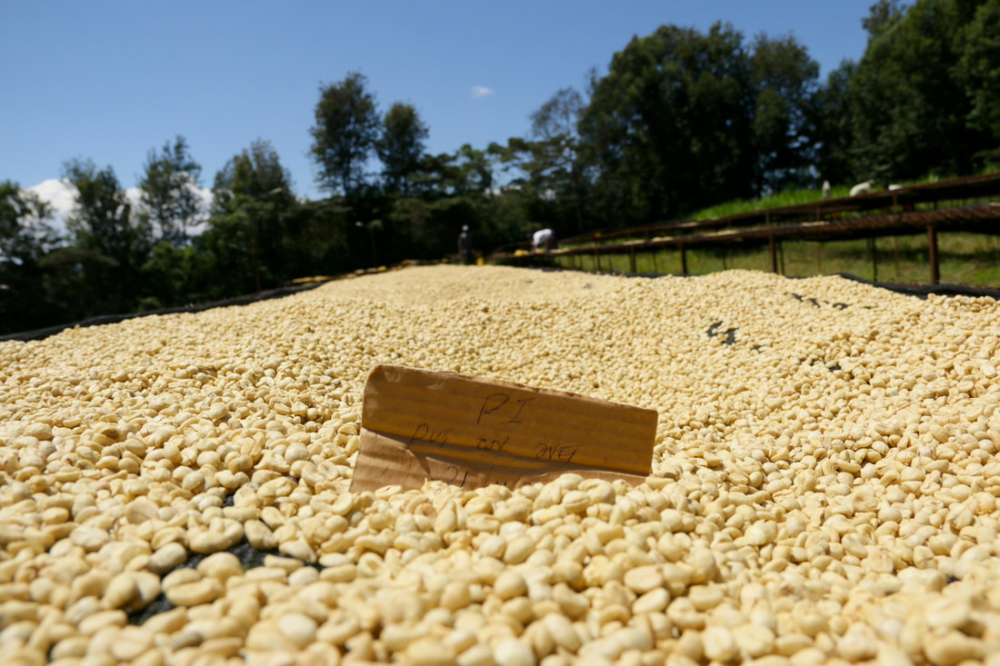
Based on the above flavor characteristics, Kenyan coffee is especially suitable for coffee lovers who prefer an acidic experience. Its bright acidity and lingering berry flavors are shown to greater effect through cold drinks (such as iced pour-over, ice drip and cold brew), which both preserve the bright acidity and, through low temperature, slow the release of bitterness, making the overall mouthfeel fresher and more balanced.

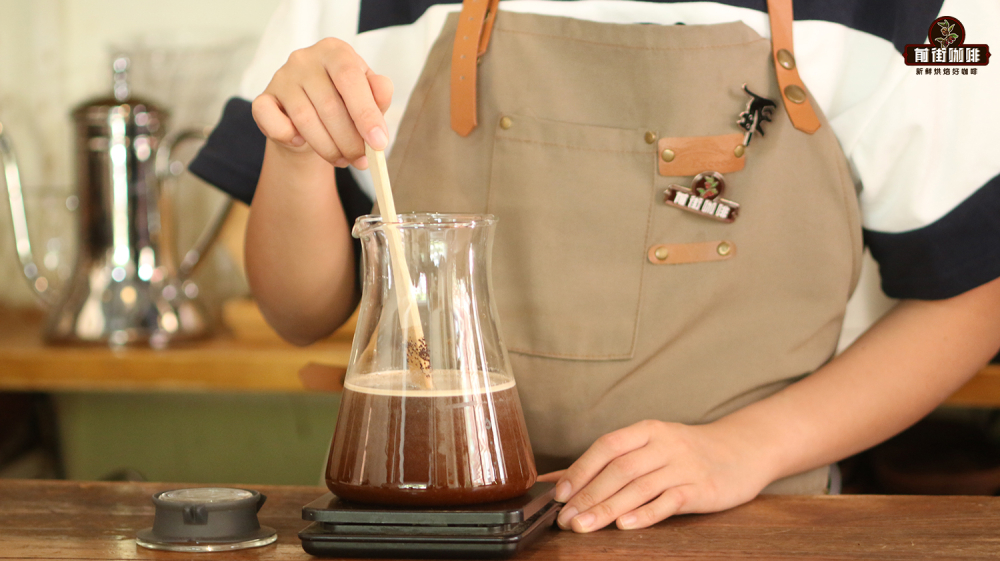
The core idea of brewing iced pour-over coffee is: use a low-ratio extraction (high concentration) of coffee liquid, then add ice to dilute it to a palatable concentration. Suggested specific parameters: 15g of coffee grounds, a coffee-to-water ratio of 1:10 (i.e., a total of 150ml of hot water), water temperature controlled at 91°C, grind size medium-coarse (about 80% passing a 0.85mm sieve). After extraction, pre-chill another server with ice in advance (fill it with ice and let it stand to cool, then discard the old ice and refill with 100g of ice), then quickly pour the hot coffee liquid into the ice and shake to mix. After finishing, put the lid on the server, which both reduces aroma loss and prevents ice from getting into the cup when pouring. The coffee brewed this way is initially rich and full-bodied, and as the ice melts and dilutes it, the flavor shifts from complex to fresh and smooth.

The usual recipe for making ice drip coffee is: use 60g of coffee grounds with 600ml of ice-water mixture (a coffee-to-liquid ratio of 1:10), with the drip rate controlled at about 3 drops per 10 seconds. The water in the upper chamber is best a mixture of ice and water to lower the extraction temperature, and the overall extraction takes about 8 hours. After finishing, seal the coffee liquid and store it in the refrigerator, letting it stand for 48 hours to promote flavor integration.
Cold brew coffee is simpler to make: take 50g of coffee grounds and, at a coffee-to-liquid ratio of 1:10, the total liquid should be 500ml (in practice, use 400ml of cool water + 200g of hard ice, totaling 600g of ice-water mixture—coffee grounds absorb about twice their own weight in water), stir thoroughly, then seal and refrigerate for 24 hours. After that, filter out the coffee grounds with filter paper, seal the filtered coffee liquid and refrigerate again for 32 hours; once the flavor is stable, it is ready to drink.