Jamaican Blue Mountain Coffee: Grades, Flavor, and a Complete Guide
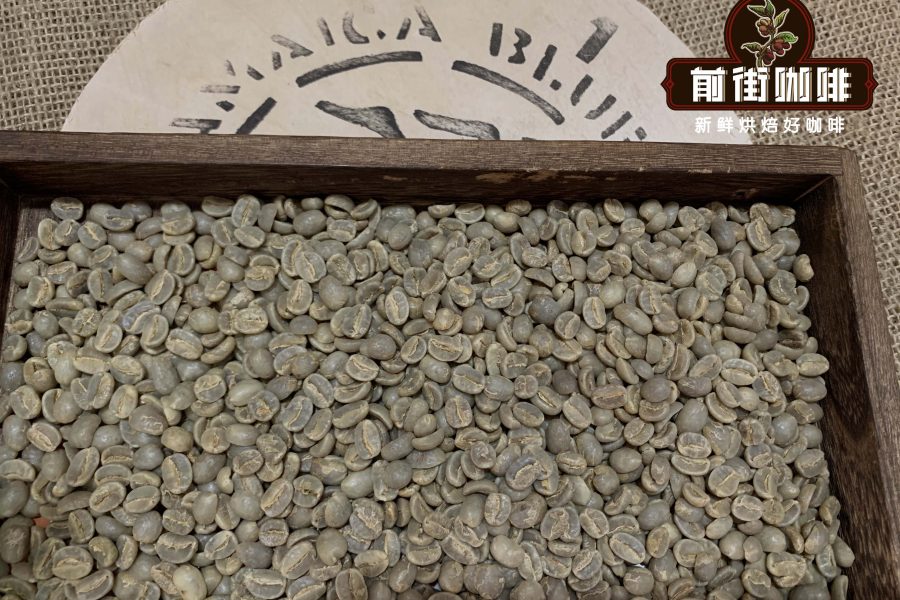
Introduction: Blue Mountain coffee is hailed as a legend in the coffee world, and its distinctive flavor and rigorous standards have made it a benchmark in the hearts of coffee lovers worldwide. This article examines in depth the grading system of Jamaican Blue Mountain coffee, the characteristics of the Typica variety, the geographical conditions of the authentic growing region, and how to tell genuine Blue Mountain coffee beans from counterfeit ones. By understanding the entire process of Blue Mountain coffee from cultivation to cupping, you will grasp the key knowledge for selecting high-quality Blue Mountain coffee.
When Blue Mountain coffee is mentioned, many coffee lovers first think of its outstanding quality and high price. As one of the most renowned coffees in the world, Blue Mountain coffee not only has a flavor all its own, but is also admired for the strict cultivation and grading standards behind it. From the start of cultivation in the early 18th century to its rise to worldwide fame in 1953, the emergence of Blue Mountain coffee has been inseparable from the strict control of the Jamaican government.
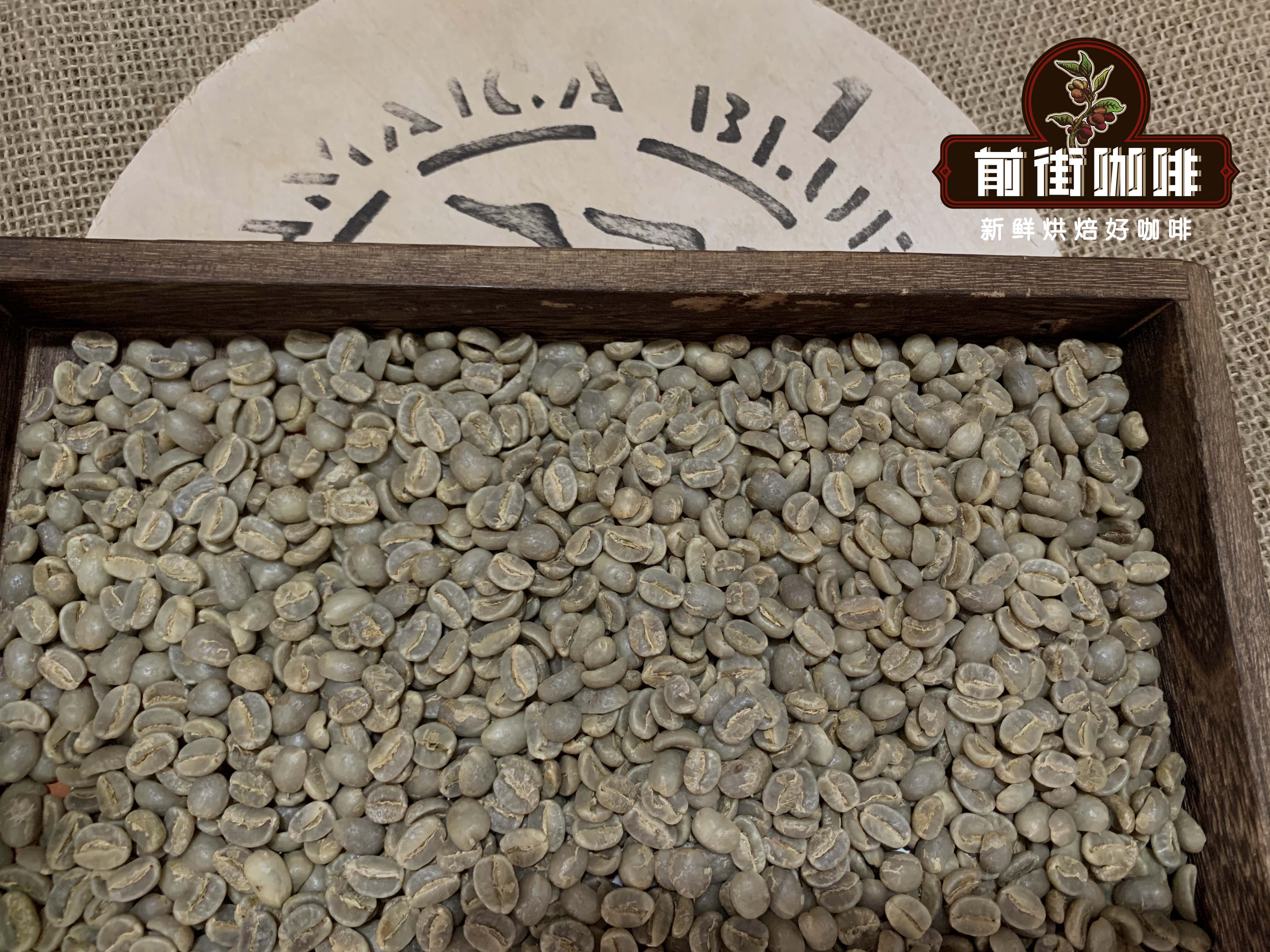
The road to fame for Blue Mountain coffee was not achieved overnight. In 1948, after the Jamaica Coffee Industry Board (CIB) was established, it began meticulous management of coffee production in the Blue Mountain range. Because Jamaica's land area is limited, the area suitable for growing coffee is confined to the Blue Mountain range, so output is scarce, which also pushed the local coffee industry toward specialization. In 1953, with the Jamaican government's regulatory management of the coffee industry, Blue Mountain coffee gradually entered the international market and became synonymous with high-quality coffee.
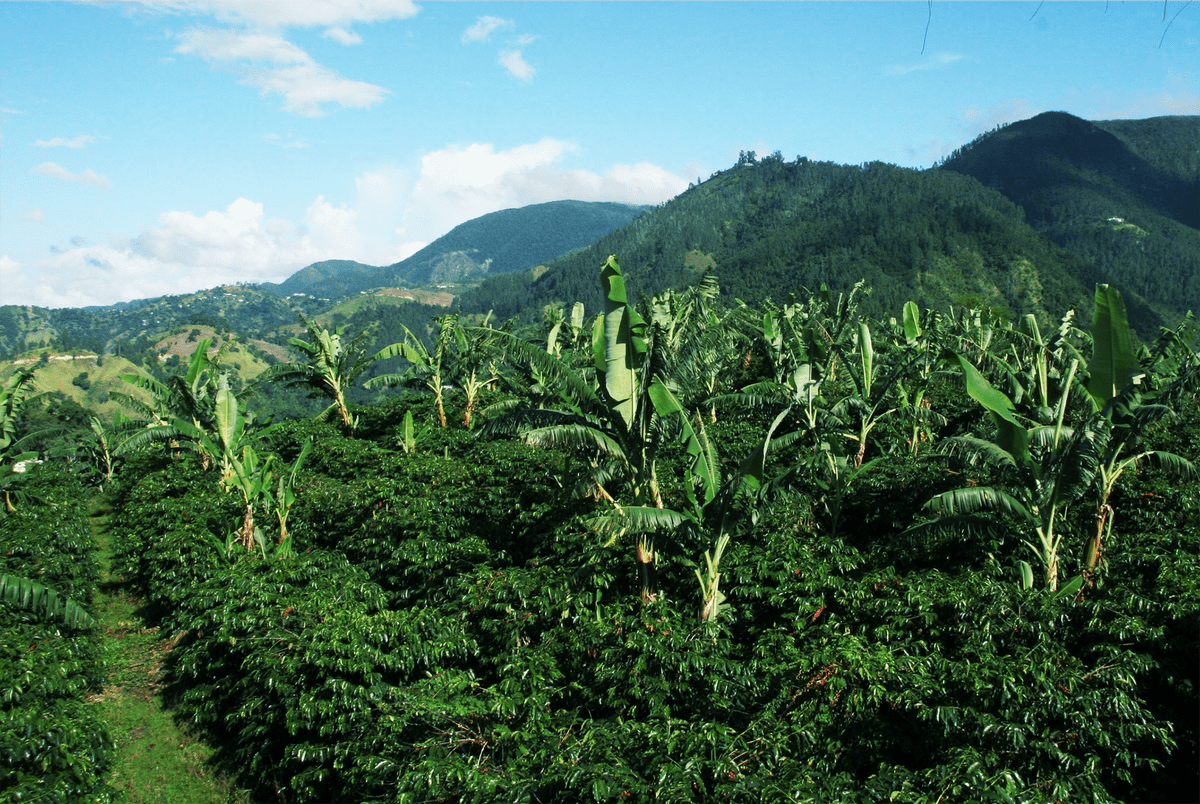
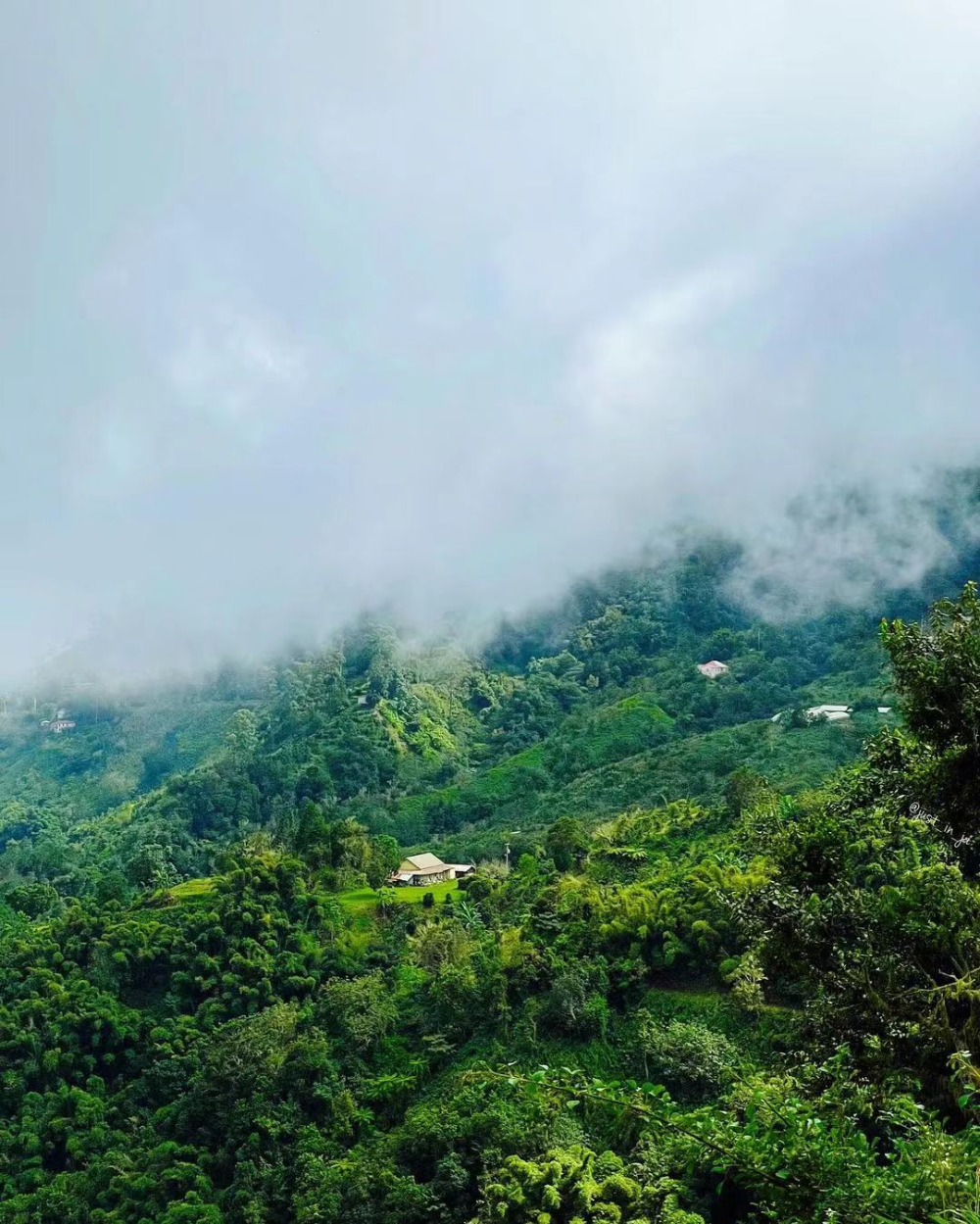
The growing region for Blue Mountain coffee is subject to strict geographical limits. Under Jamaica's Coffee Industry Regulation Act, only Typica variety coffee beans grown in the four administrative districts of Saint Andrew, Saint Thomas, Portland, and Saint Mary, at altitudes between 3,000 feet (about 915 meters) and 5,500 feet (about 1,700 meters), may be called Jamaican Blue Mountain coffee. This unique geographical environment gives Blue Mountain coffee its distinctive flavor characteristics.
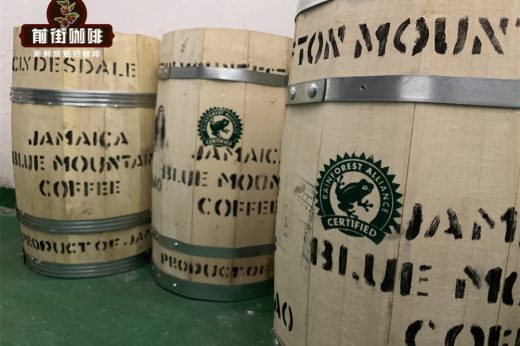
To ensure the quality of Blue Mountain coffee, the Jamaican government has established several regulatory bodies. The Jamaica Coffee Industry Board (CIB), founded in 1950, oversees coffee production and export and has set strict quality certification standards. All exported Blue Mountain green coffee beans must undergo quality assessment and grading to ensure every lot meets high standards. In addition, Blue Mountain coffee uses unique wooden barrel packaging, which is also one of the important signs for identifying authenticity.
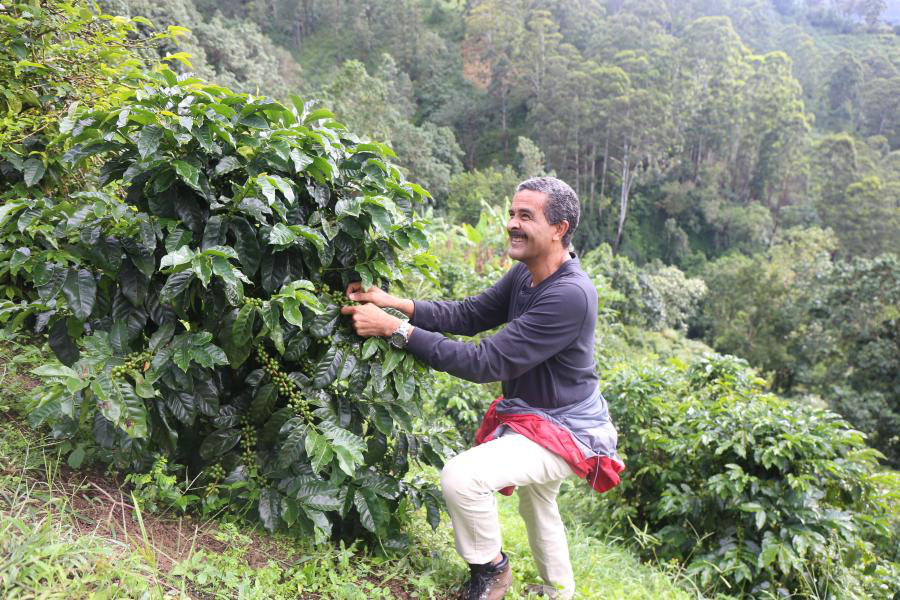
In cultivation techniques, Blue Mountain coffee follows traditional British growing methods and insists on using the Typica variety of Arabica. These beans have a delicate mouthfeel and rich flavor, making them an ideal choice for producing high-quality coffee. Blue Mountain coffee has a cultivation history of more than 300 years; local farmers have accumulated extensive growing experience and, combined with modern cultivation techniques, ensure the high quality of the beans.
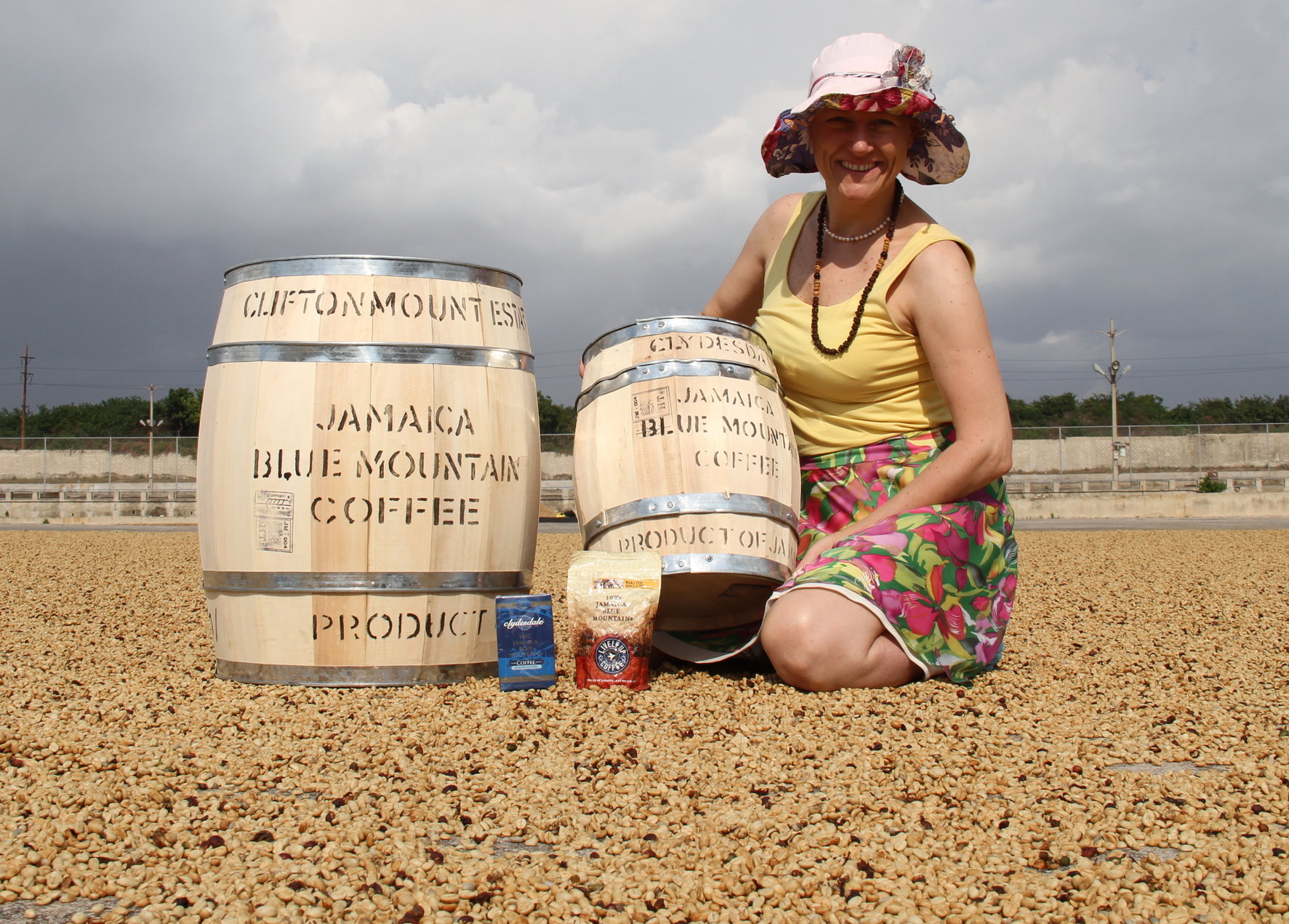
In quality control, Jamaica's standards are extremely strict. For Blue Mountain No. 1 green coffee beans, for example, bean size must reach screen 17 or above, and the defect rate must be kept below 3%. These standards ensure that every Blue Mountain coffee bean meets high-quality requirements. The wooden barrel packaging of Blue Mountain coffee not only reflects its premium positioning but is also an important anti-counterfeiting measure. At present, Blue Mountain No. 1, No. 2, No. 3, and Blue Mountain Peaberry all use this packaging, in specifications including 70 kg, 30 kg, and 15 kg.
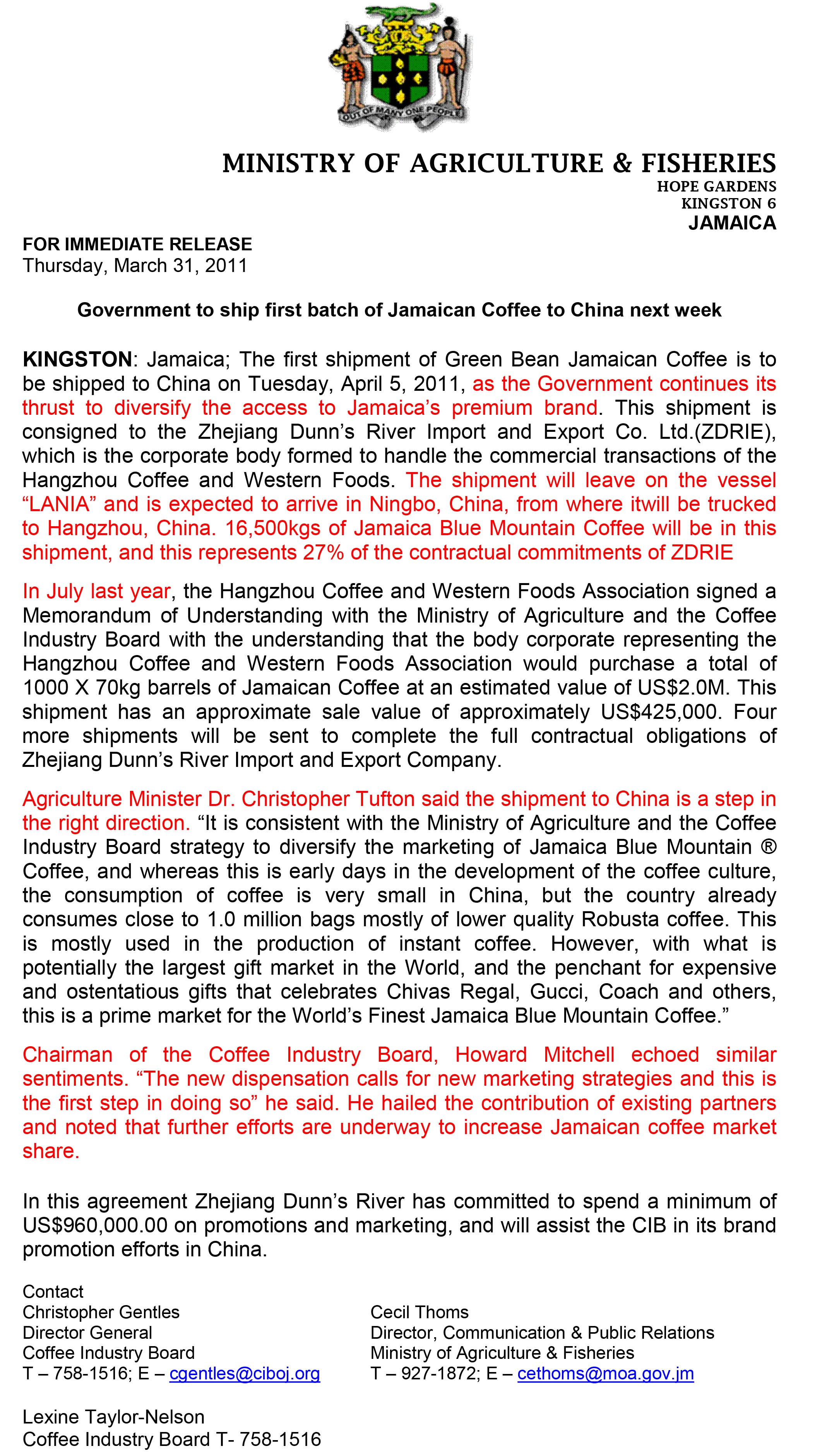
Historically, Japan's assistance to the Jamaican coffee industry played an important role in promoting Blue Mountain coffee. In 1969, Japan provided loan assistance to Jamaica and in the following years purchased large quantities of Blue Mountain coffee, which allowed Blue Mountain coffee to gain a firm foothold in the international market. To this day, Japan remains the main importer of Blue Mountain coffee, accounting for about 90% of the market share.
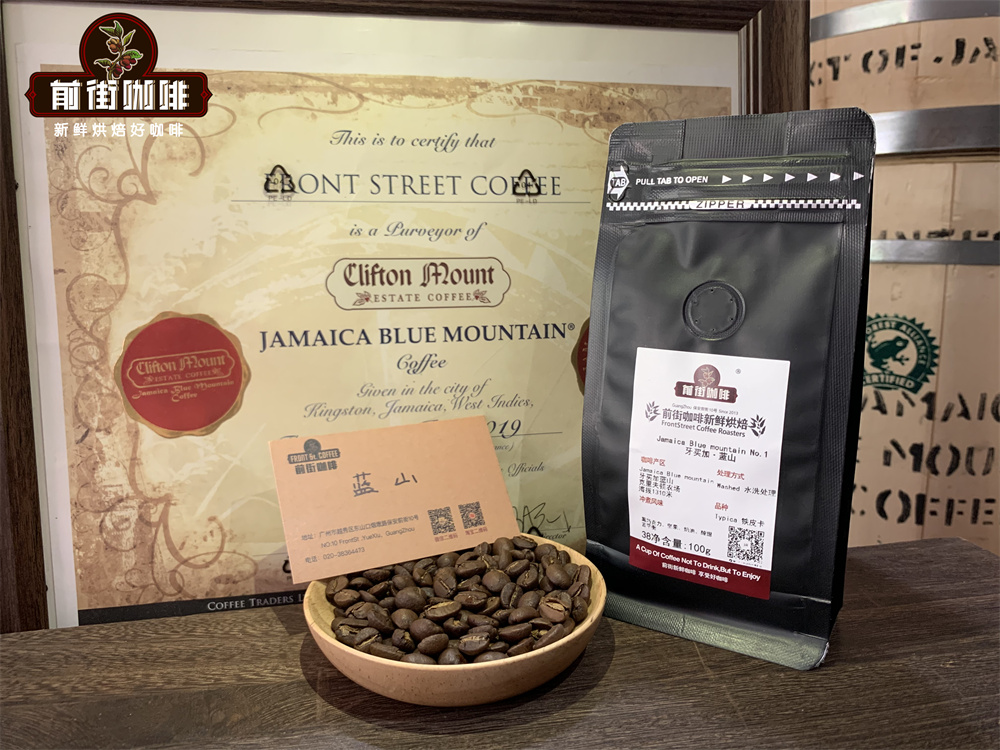
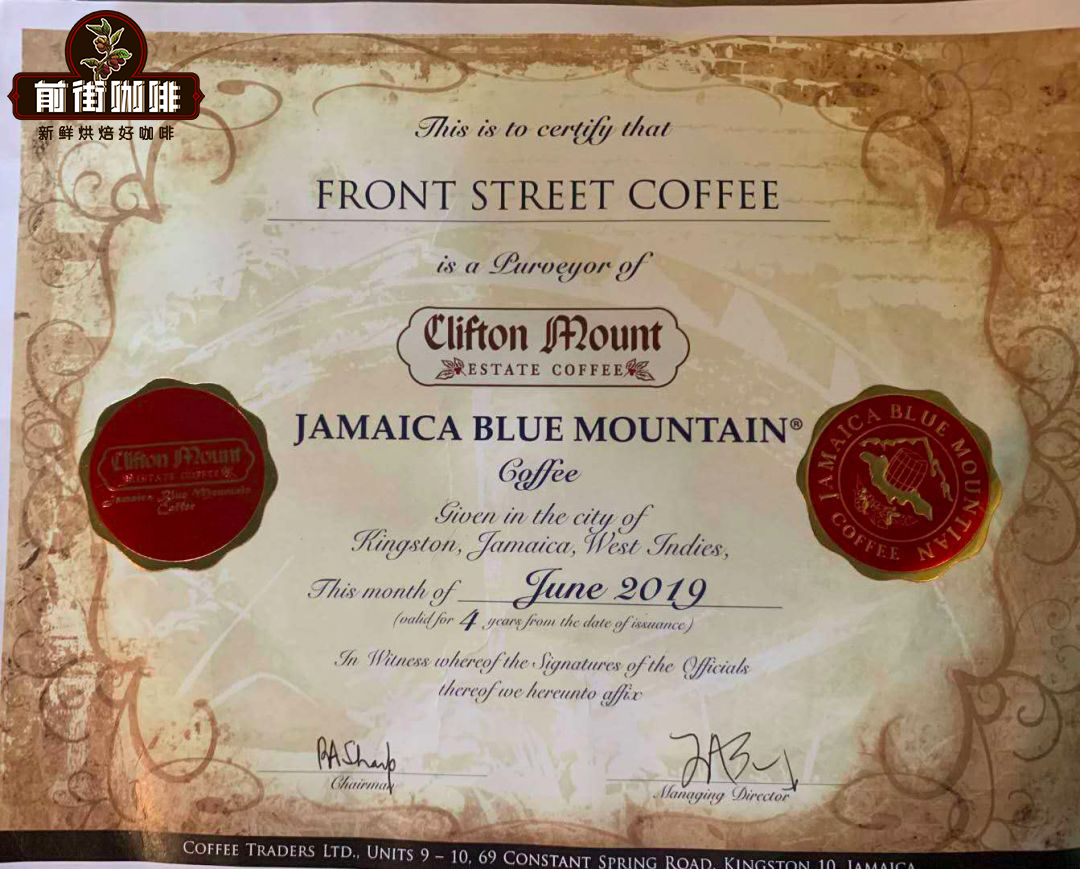
How can you tell genuine Blue Mountain coffee beans from fake ones? The "Blue Mountain flavor" blended coffees common on the market are in fact unrelated to genuine Blue Mountain coffee. These coffees usually simulate the flavor of Blue Mountain coffee by blending other bean varieties and using a dark roast. To distinguish genuine from fake, the most reliable method is to ask the seller for the Blue Mountain coffee certificate and wooden barrel packaging. The quality certificate, authorized sales certificate, and certificate of origin issued by Jamaican authorities are key to verifying the authenticity of Blue Mountain coffee.
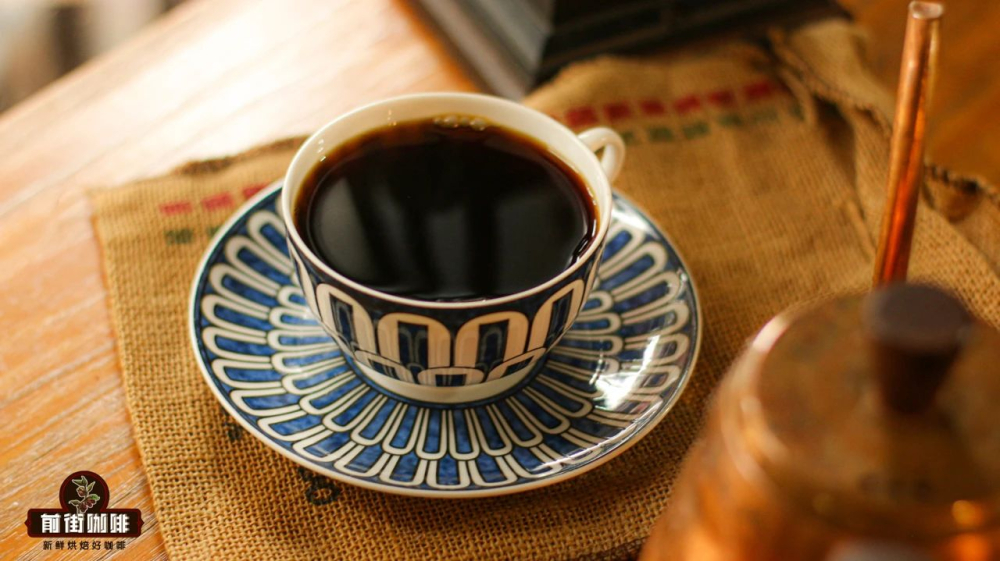
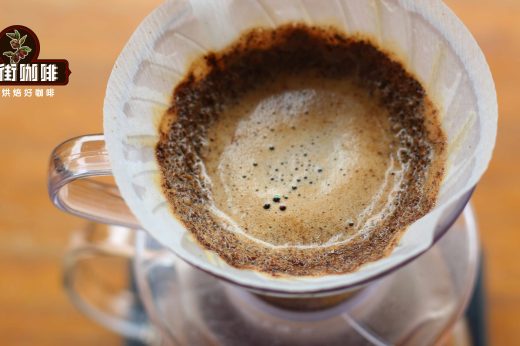
The flavor of Blue Mountain coffee is an important reason it is so highly regarded. Its cup is clean, with well-balanced acidity, sweetness, and bitterness, a slight nutty and chocolate character, and a long, pleasant finish. This distinctive flavor has earned Blue Mountain coffee the title "King of Coffee," representing the highest standard of coffee quality. Whether prepared by pour-over or other brewing methods, Blue Mountain coffee displays its outstanding flavor characteristics.
Overall, the success of Blue Mountain coffee lies not only in its distinctive flavor but also in the Jamaican government's strict management of the coffee industry and its high standards. From the strict limitations on growing areas to the grading and quality control of green beans, every step ensures the high quality of Blue Mountain coffee. Understanding the story behind this not only helps you better appreciate Blue Mountain coffee but also makes you more confident when buying it.
The next time you taste a cup of Blue Mountain coffee, take a moment to recall the story of cultivation, grading, and quality control behind it, and feel the unique charm of this "King of Coffee."