Espresso Blend Bean Buying Guide: Flavor Analysis and Roasting Tips
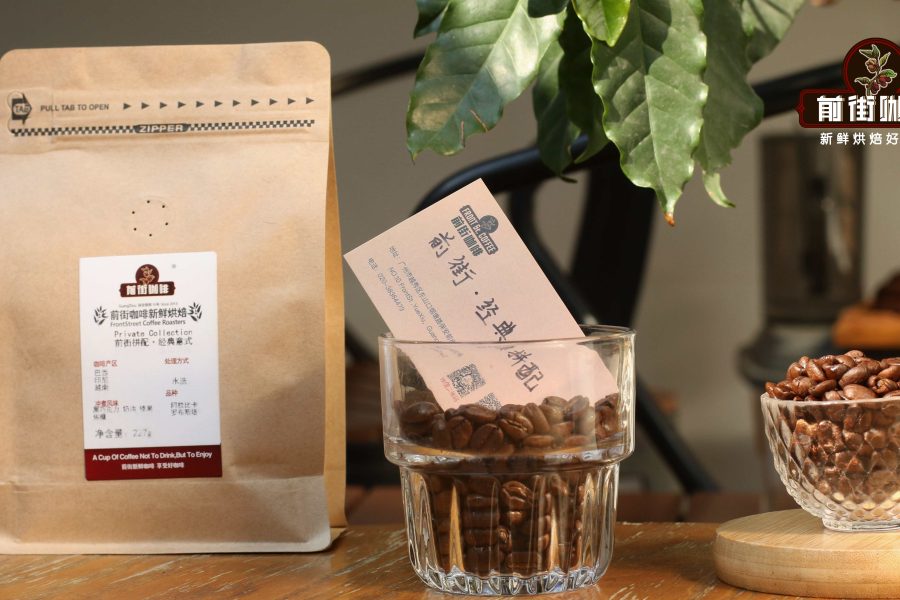
Introduction: Want to make an espresso with rich crema and prominent aroma? The key is choosing the right blend beans. This article explains the advantages of medium-dark roast blends, analyzes common flavor types, recommends several classic combinations suited to different needs, and shares core tips for selecting freshly roasted beans, helping you easily improve the quality of your espresso.
The charm of espresso lies in its rich, full-bodied taste; even when diluted with milk or water, the coffee's core flavor remains distinct. Because espresso machines use high-pressure rapid extraction, medium-dark roast blend beans are the best choice—these beans not only form a thick crema but also bring complex aromas like roasted nuts and chocolate from caramelization, making extraction more stable and efficient. For daily drinking, blends are the top choice balancing flavor and value; if you seek the unique character of a single origin, try SOE (Single Origin Espresso).

High-quality blends usually mix two to three or more coffee beans in proportions, complementing each other through the terroir characteristics of different regions to balance acidity, bitterness, and sweetness. For example, dark roast combinations often use Brazilian beans as a base, paired with Indonesian or Southeast Asian beans to enhance body; medium-dark roasts may blend the nutty notes of South American beans with the bright subtle acidity of African beans. When buying, note two key points: first, check the roast date (not the expiration date); freshness directly affects crema performance and aroma release; second, choose the roast level according to use—for milk-based coffee, dark roast is recommended (within the 22-day golden enjoyment period); for pure coffee taste, choose medium-dark roast.
Classic full-bodied style blends suit users seeking a rich taste. Typical recipes often include beans from Brazil, Indonesia, and other origins; after dark roasting, they present complex aromas of dark chocolate, caramel, and toasted bread, and the extracted crema is thick and dense—whether drunk straight or paired with milk for lattes and cappuccinos, they deliver a full-bodied mouthfeel. Such beans have lower equipment requirements and are easily handled by home semi-automatic espresso machines or home capsule machines.
If you like prominent fruity layers, fermentation-process blends or SOE are good choices. For example, beans from high-altitude regions, through double anaerobic fermentation, may present fresh acidity of grapes and citrus fruits, interwoven with honey-like sweetness. These beans are suitable for iced Americanos or cold brew; their sweet-and-sour refreshing character is especially pleasing in summer.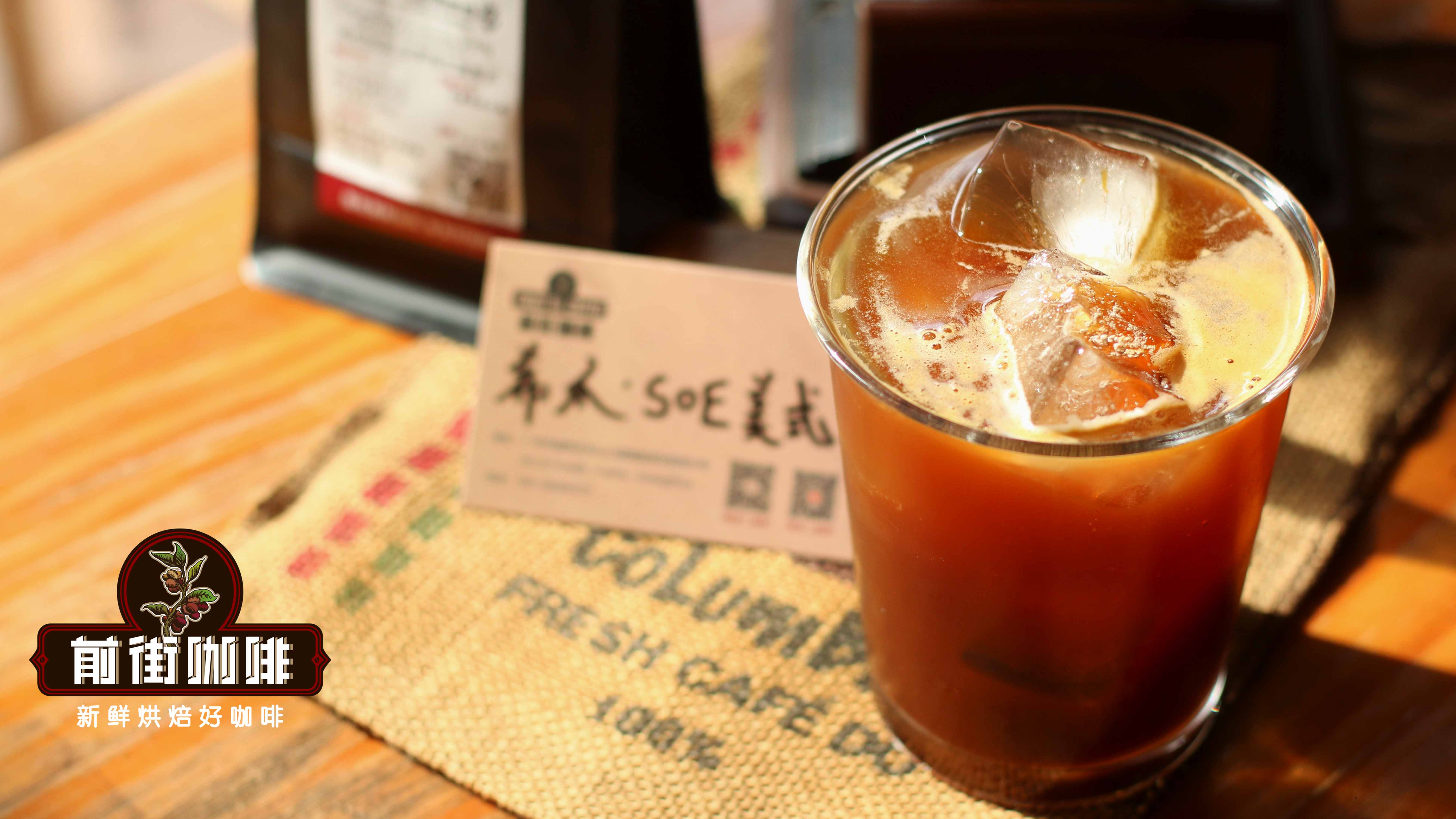 Note that such beans are usually roasted medium-light, and the resting period needs to be longer (7–14 days recommended) to fully develop flavor complexity.
For consumers who prefer mild taste and emphasize balance, a medium-dark roast blend with Brazilian beans as the main body is recommended. Brazilian beans are naturally low in acidity and high in body; paired with a small amount of Colombian beans to supplement nutty and caramel aftertaste, the overall taste is round and smooth—not overly stimulating yet retaining the coffee's true flavor. This combination is beginner-friendly and adapts to the pressure range of most espresso machines.
For beginners or home users on a limited budget, high-value basic blends can be prioritized. These beans usually optimize the balance between cost and flavor, providing moderate fruit acidity, dark chocolate sweetness, and caramel aftertaste; although the crema volume is not as rich as dark roast, it is sufficient for basic milk-based coffee. When buying, check whether the roaster offers small trial packages to avoid purchasing large quantities and finding the flavor doesn't meet expectations.
No matter which blend you choose, freshness is always key. Professional roasters usually clearly mark the roast date on the packaging (rather than a vague "best before" date); it is recommended to choose products labeled "freshly roasted within 5 days" and ensure light-proof, sealed transport. After receiving, store unopened beans in a cool, dry place; after opening, use an airtight container with a one-way degassing valve and consume within a week to ensure the best flavor. Avoid buying beans without a production date or from old stock; such beans lose aroma after the oils oxidize and tend to produce sharp acidity or woody notes during extraction.


