Yunnan Coffee vs. Blue Mountain: Baoshan Small-Bean Flavor Guide
Introduction: This in-depth analysis examines the core differences between Jamaican Blue Mountain coffee and Yunnan small-bean coffee, comparing origin environments, flavor profiles and market positioning. It focuses especially on Yunnan's Baoshan growing region, revealing why its beans are plump and full-bodied with a rich fruity acidity, and offers pour-over extraction parameter suggestions to help you choose according to your taste preferences.
When discussing the world's top coffees, Jamaican Blue Mountain and Yunnan small-bean are often placed at opposite ends of the scale. Although both belong to the specialty coffee camp, they are entirely different in terroir imprint and flavor philosophy—the former is a balanced paragon gifted by Caribbean volcanoes, the latter a fruity representative nurtured by the Hengduan Mountains.
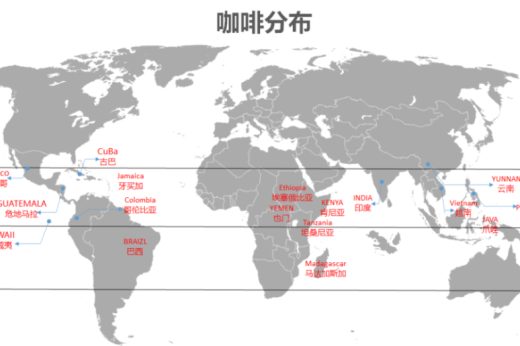
The scarcity of Blue Mountain coffee stems from its strict geographical limits: it may only be grown in 16 precisely demarcated high-altitude areas of the Blue Mountain range (near 25°N), and must be processed by four government-certified processing plants. These growing areas generally exceed 1,800 meters in altitude, with the highest peak reaching 2,256 meters. The year-round misty climate is particularly crucial—the fog that rises in the afternoon both filters intense sunlight and continuously delivers moist air; combined with the mineral nourishment of the new volcanic soil, it creates Blue Mountain coffee's signature full-bodied balance. Notably, its annual output is only about 40,000 bags (60 kg per bag), less than 0.1% of global coffee trade.
Genuine Blue Mountain coffee must pass layer upon layer of inspection by the Jamaica Coffee Industry Board, with strict standards from growing altitude and harvest ripeness to roast level. Its flavor presents a rare state of harmony: bright citrus acidity interwoven with dark berry sweetness, and a finish with the slight bitter astringency of dark chocolate. This "no-weakness" balance makes it the ultimate target for pour-over coffee enthusiasts. Professional advice is to extract with 92-94°C water, a 1:15 coffee-to-water ratio, and a medium-fine grind (75% passing a Chinese standard No. 20 sieve).
Across the Pacific to southern Yunnan, small-bean coffee (Arabica) stands out thanks to its unique low-latitude highland environment. Core growing areas such as Lujiangba in Baoshan lie in the golden planting belt of 24°-25°N. Within an altitude gradient of 800-1,800 meters, the dry-hot river valley area at around 1,100 meters performs particularly well—a microclimate with a day-night temperature difference exceeding 10°C prompts the coffee beans to accumulate sugars slowly, while the Nujiang River basin's average annual temperature of 21.3°C and 2,334 hours of sunshine provide ideal conditions for the synthesis of flavor compounds.
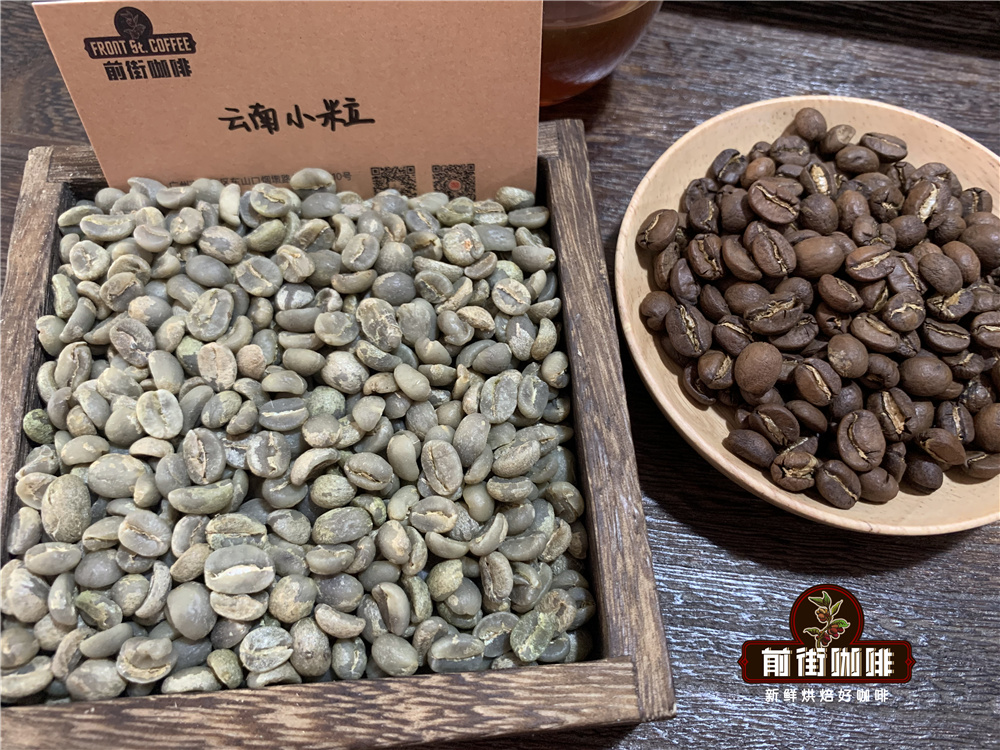
Baoshan small-bean coffee, China's first coffee category to receive geographical indication protection, has had its quality characteristics verified over decades: the beans are dark green and oval, with a density significantly higher than ordinary commercial beans. After brewing, it displays a clearly layered fruity aroma spectrum: the initial stage reveals fresh jasmine and citrus florals, the middle transitions into a honey-like sweetness, and the finish closes with a lasting black tea aftertaste. Professional cupping data show that its acidity (pH 5.2-5.6) and body (score 7.5/10) meet the certification standards of the Specialty Coffee Association.
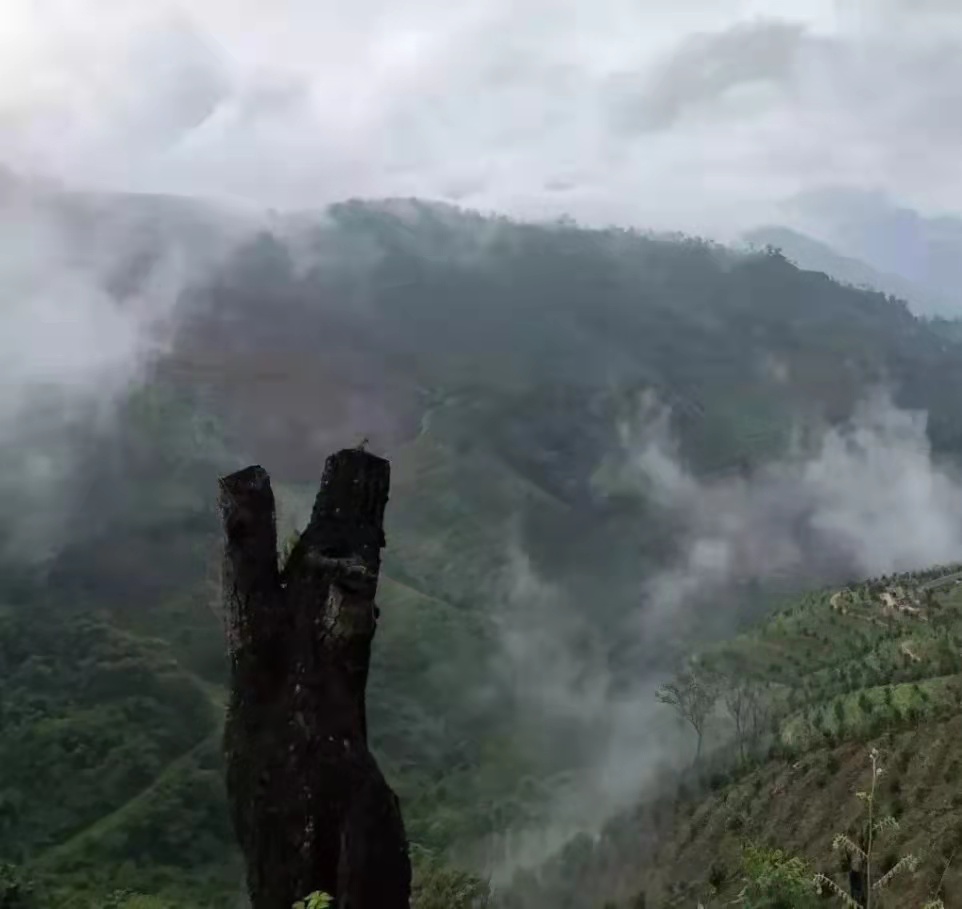
Tracing Baoshan coffee's development, its industrial evolution is a microcosm of China's coffee industry: after successful introduction and trial planting in 1952, it went through three industry fluctuations, and only achieved a quality breakthrough when the United Nations Development Programme intervened technically in the 1980s. The main varieties currently planted are improved lines of Typica and Bourbon, among which old vines over 60 years old still contribute the most complex-flavored batches. Local farmers use a unique "shade-growing method," planting upper-layer vegetation such as cinnamon trees to regulate light intensity, extending the coffee cherry's ripening period by 15-20 days and thus improving sugar conversion efficiency.
For consumers' purchasing advice: for Blue Mountain coffee, look for the blue pyramid logo issued by the Jamaica Coffee Industry Board; genuine products are mostly imported as whole beans and cost over a thousand yuan per pound. For Yunnan Baoshan small-bean coffee, quality can be preliminarily judged by observing bean shape (plump and oval, glossy surface) and roast level (medium-light roast retains fruity acidity). For daily brewing, try adjusting parameters—when you prefer bright acidity, use a V60 dripper with 88°C water; for a fuller body, a French press with 93°C extraction is recommended.