Arabica vs Robusta: Which One Is Yunnan Small-Bean Coffee? A Pour-Over Bean Guide
Introduction: Coffee lovers often face the dilemma of choosing between bean varieties: what is the essential difference between Arabica and Robusta? As the mainstream variety occupying 75% of the global market, Arabica is known for its delicate flavor, while the cost-effective Robusta is better suited to instant coffee needs. This article provides an in-depth analysis of the cultivation characteristics, flavor differences and typical producing regions of the two major varieties, and reveals the true identity of China's Yunnan small-bean coffee—how this Arabica variant, cultivated for a century, became the representative variety of domestic coffee.
Coffee beans in global commercial circulation are mainly divided into three categories: Arabica, Robusta and Liberica, of which Arabica and Robusta account for more than 95%. For everyday consumers, understanding the differences between these two mainstream varieties is the key first step to improving coffee tasting ability.
I. Comparison of Growth Cycle and Yield
The Arabica coffee tree is a perennial crop; it takes about 5 years from seedling to first fruiting, and its golden harvest period shows clear regional characteristics: Brazil concentrates on May to September each year, while Colombia is April to June. Global annual output is stable in the 70%-75% range. By contrast, Robusta shows stronger environmental adaptability, needing only 2-3 years after planting to bear fruit; the Indonesian producing region (April-August) and the Vietnamese producing region (October to April of the following year) form a cross-year supply system, occupying the remaining 20%-25% market share.
II. Flavor Characteristics and Commercial Positioning
The cellular structure of Arabica beans determines their flavor complexity: at the light-to-medium roast stage they present bright citrus and berry notes with floral nectar aromas; when developed to a dark roast, these transform into rich layers of caramel, chocolate and nuts. The acidity value is usually maintained in the PH5.0-5.5 range, and combined with a caffeine content of 1.1%-1.5%, this creates the characteristics suited to specialty brewing methods such as pour-over and siphon. Professional roasters recommend an ideal roast range for Arabica beans from City Roast (Medium) to Full City Roast.
Because of weaker tolerance to high altitude, Robusta beans are mostly grown in areas below 800 meters; their caffeine content of up to 2.7% as a defense mechanism brings strong bitterness and woody notes. Although its flavor dimension is relatively one-dimensional, its high oil content (18%-22%) and full-bodied character make it the first choice as an espresso blend base and raw material for instant coffee. Special note: high-quality washed Robusta can be used to improve the crema performance of blended beans.
III. Morphological Differences and Producing Region Distribution
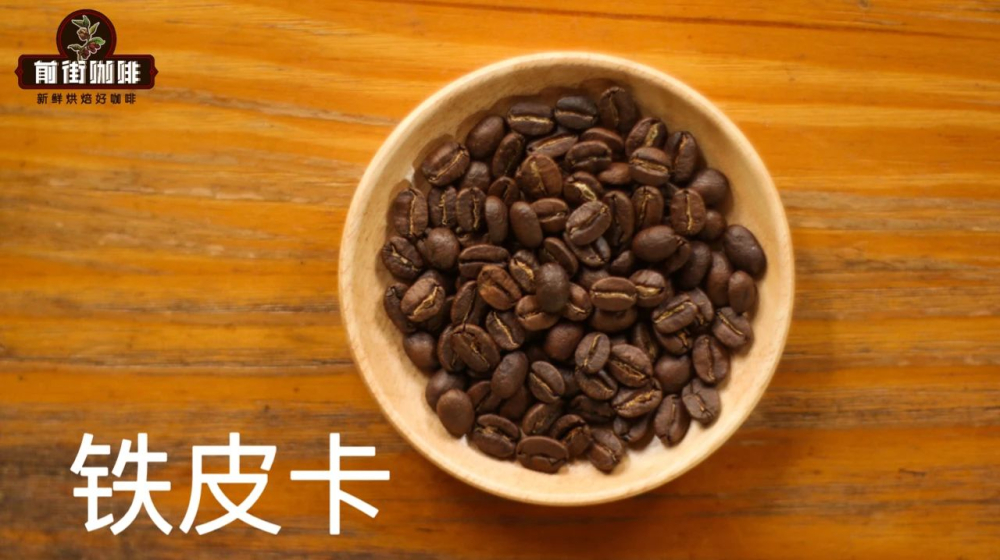
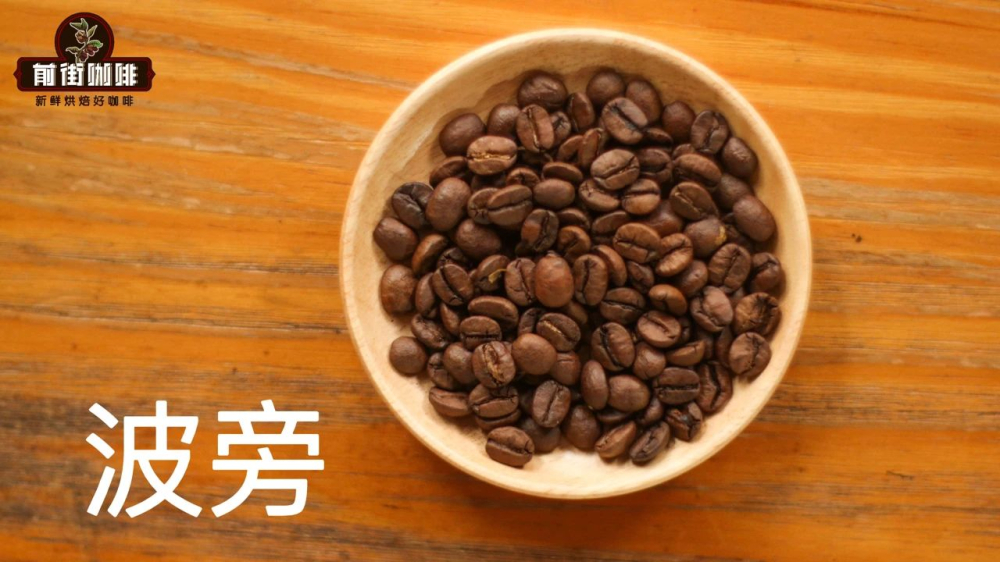
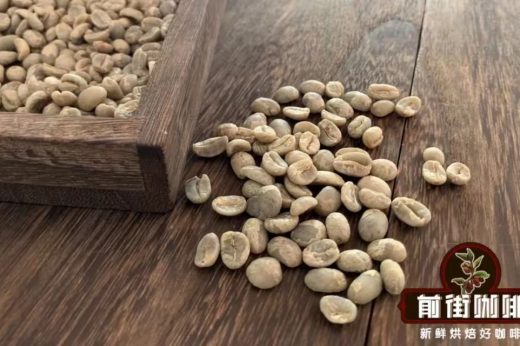
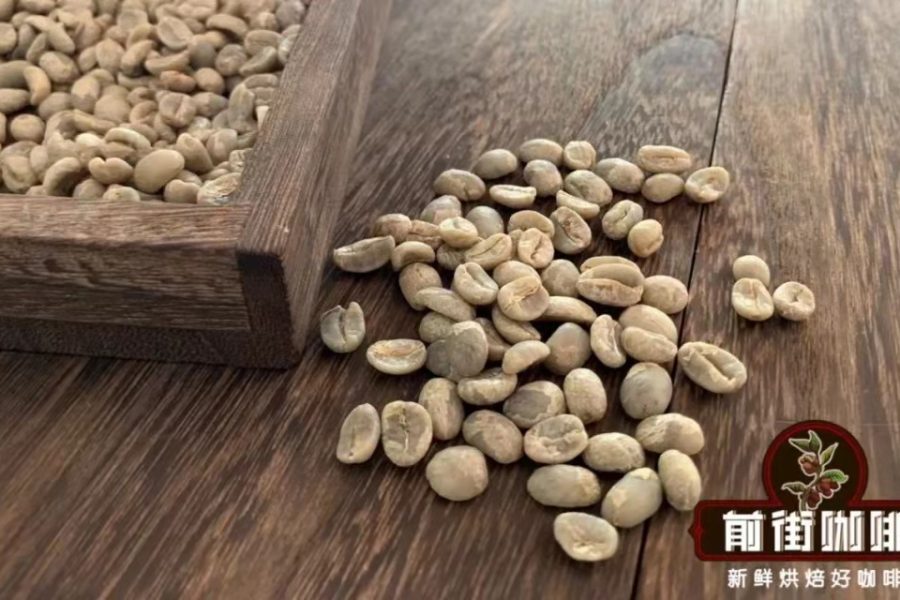
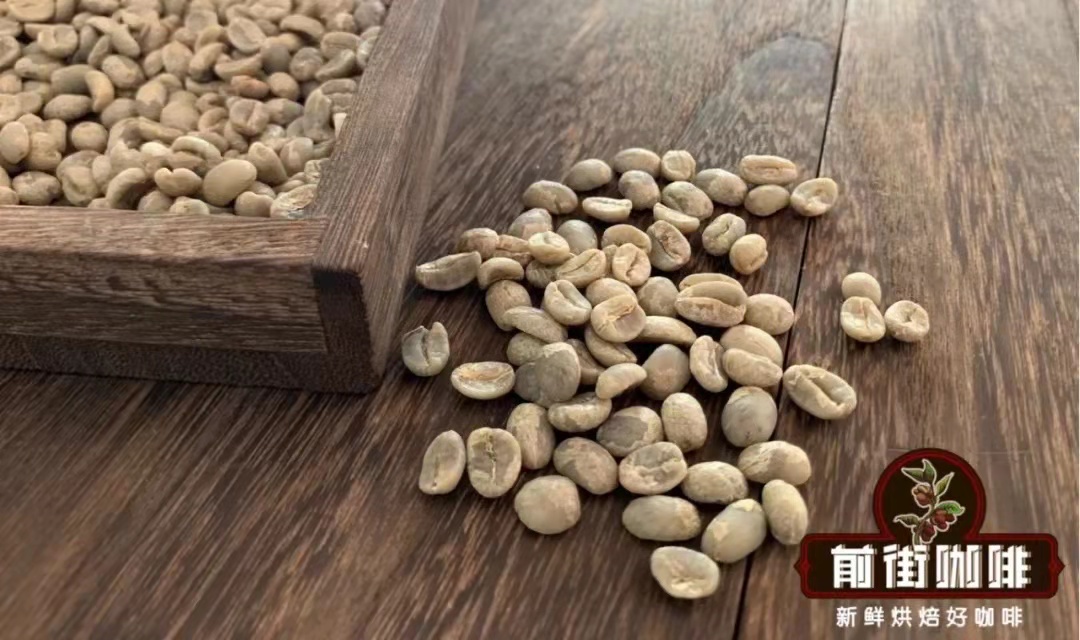
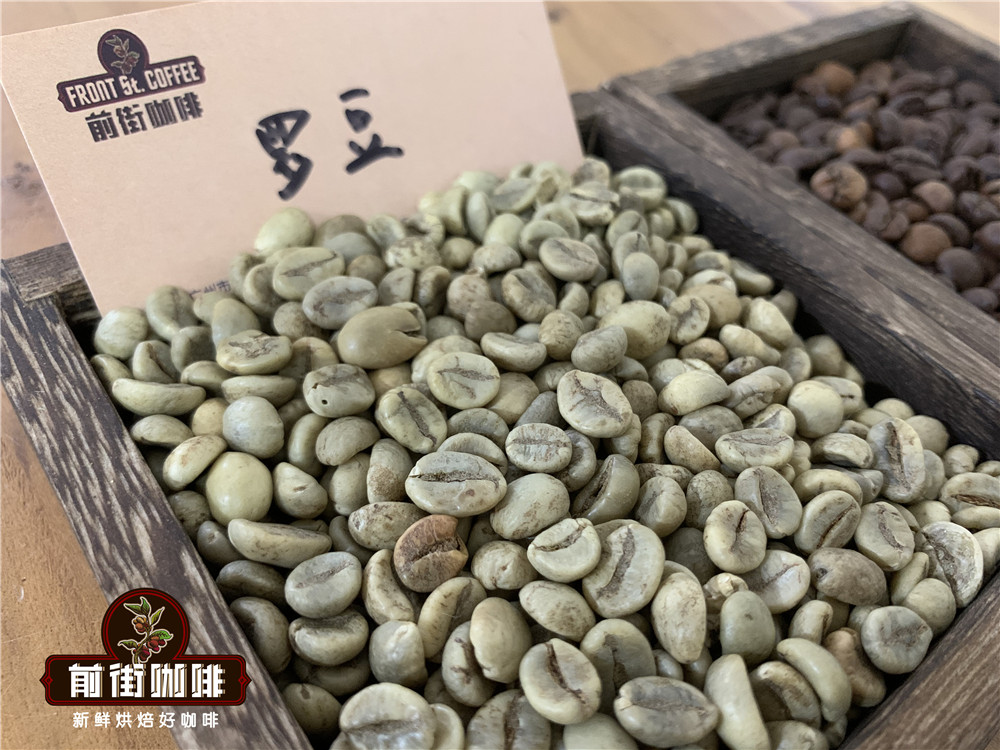
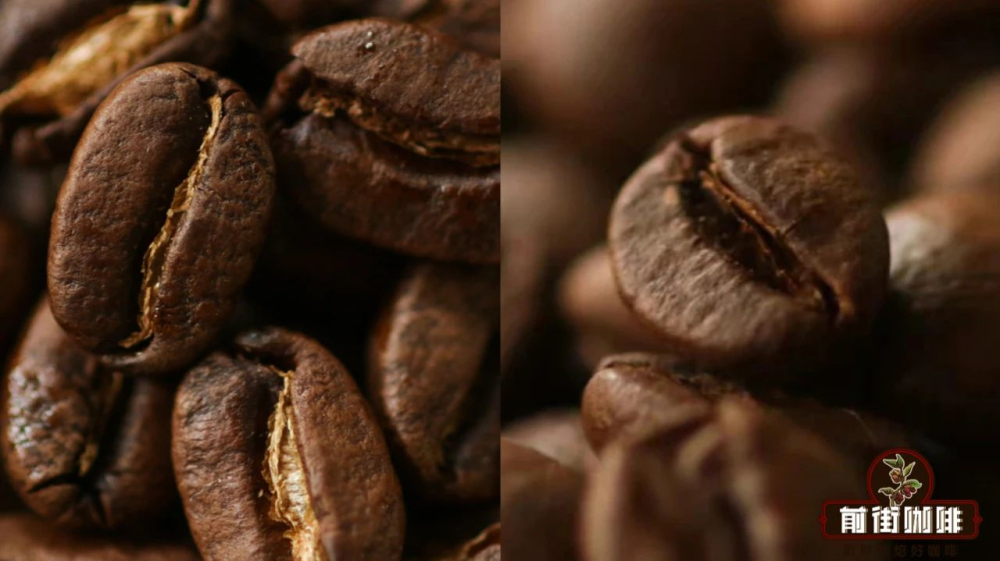
The two varieties can be distinguished by naked-eye observation: Arabica beans are flat and oval, with a longitudinal axis usually 10-12mm long, and the central crack shows a unique S-shaped curve; Robusta beans are fuller and nearly round, with the crack close to a straight line and wider spacing. It is worth noting that the Arabica variety produced in the Yunnan region (commonly known as small-bean) is smaller in bean size than Vietnamese Robusta, but has a higher concentration of flavor compounds per unit weight.
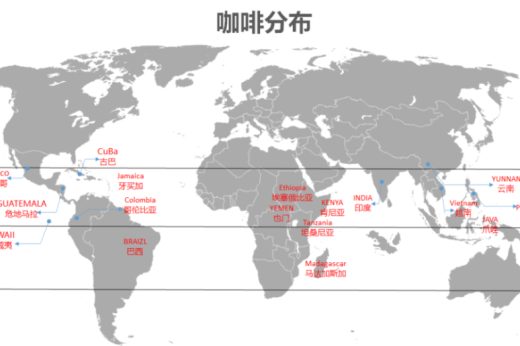
Geographically, Arabica's core producing regions are concentrated in the coffee belt between 25° north and south latitudes, including the Ethiopian highlands, the Colombian Andes and the Yunnan Xiaoliangshan area. Robusta's advantageous growing areas are located in low-altitude zones near the equator, with the central highlands of Vietnam and Sumatra in Indonesia as representative producing regions.
IV. The Variety Code of Yunnan Small-Bean Coffee
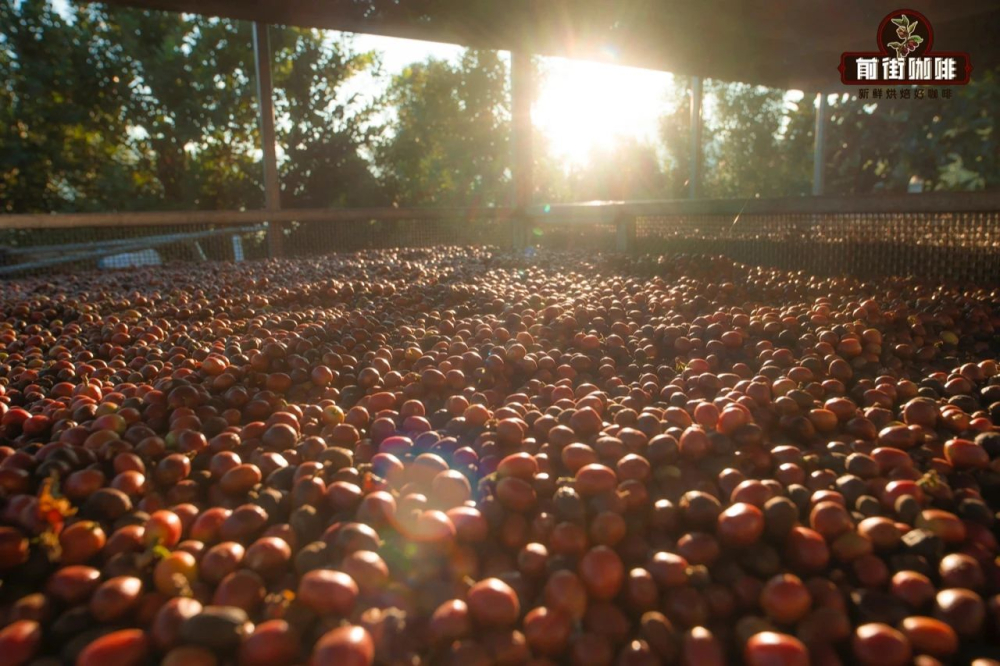
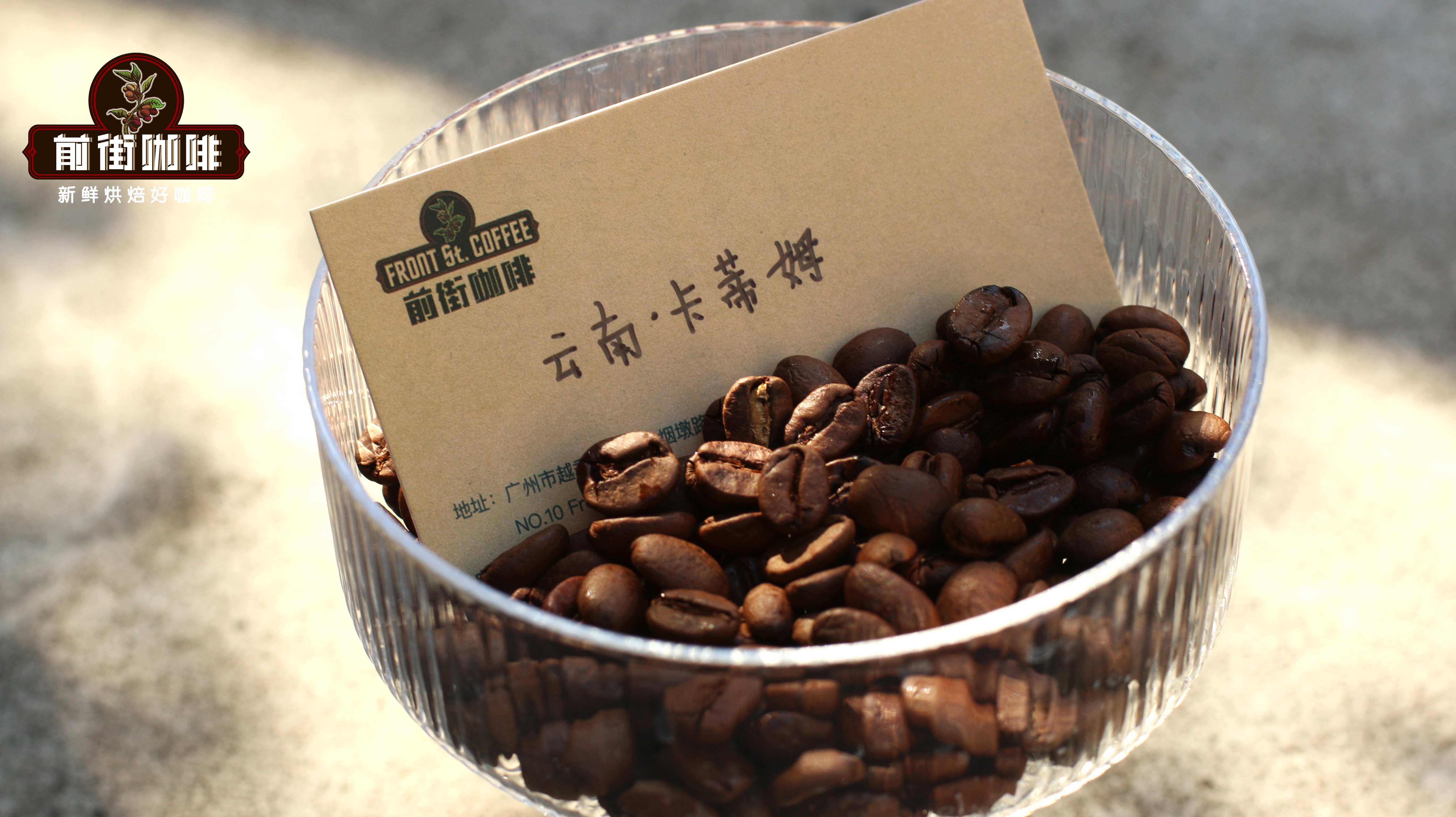
The Arabica variant introduced to Yunnan, China, at the end of the 19th century has formed a unique regional flavor through a century of domestication. The locally commonly known "small-bean coffee" actually contains three main varieties: Typica, originating from Yemen, is known for its elegant citrus acidity but has weak disease resistance; the Bourbon variant shows obvious color change during ripening (from yellow to dark red) and usually carries caramel sweetness; and Catimor, a leaf-rust-resistant variety introduced in 1991, achieves a balance between yield (annual average 1.8 tons/hectare) and flavor through 25% Robusta genetic improvement.
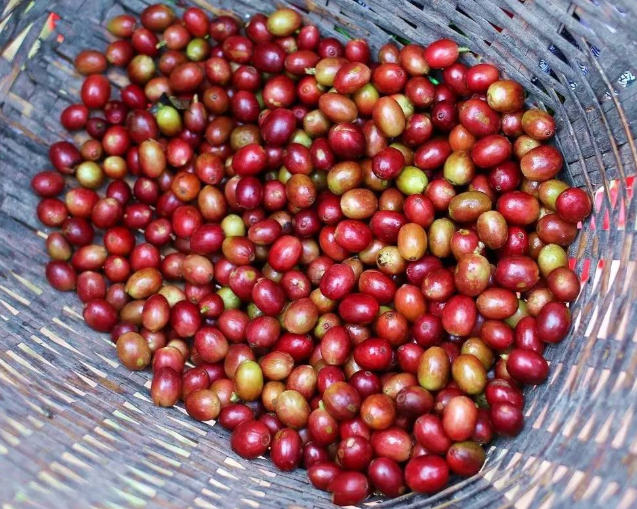
Professional tasting data shows that the Typica variety grown in Yunnan's high-altitude producing areas (above 1800 meters) can display compound flavors of blueberry, black tea and honey under natural (sun-dried) processing; while Catimor under a medium roast shows obvious dark chocolate and roasted almond notes. These characteristics make it a high-quality raw material for specialty pour-over coffee, particularly suitable for the standard brewing scheme using a V60 dripper at a 1:15 coffee-to-water ratio and 92°C water temperature.
In summary, the choice between Arabica and Robusta is essentially a trade-off between flavor complexity and usage scenario. For coffee lovers pursuing flavor layers, it is recommended to prioritize Arabica varieties from producing areas above 1200 meters; for everyday instant coffee needs, standardized processed Robusta raw material can be considered. As an important branch of the Arabica family, Yunnan small-bean coffee, with its century-long planting history and continuous variety improvement, is establishing a unique quality recognition in the international specialty coffee market.