Yunnan Coffee Varieties: Arabica vs Robusta and Small-Bean Flavor Guide
Introduction: As China's largest coffee-producing region, Yunnan contributes more than 98% of the country's coffee output. This article takes an in-depth look at the differences between the Arabica and Robusta varieties grown in Yunnan, particularly the characteristics of the dominant Catimor variety, and explains in detail the flavor profile and historical origins of Yunnan small-bean coffee. Through a comprehensive introduction to the region's environment, cultivation techniques, and processing methods, it helps you understand why this plateau can produce specialty coffee beans that combine fruity aroma with a full-bodied feel.
When coffee origins come up in China, most people first think of South America or Africa, overlooking Yunnan, a major coffee-producing region with a century of cultivation history. The coffee produced here accounts for more than 98% of domestic output, and the Yunnan region, known for its "small-bean coffee," owes its exceptional Arabica coffee to its unique highland climate.
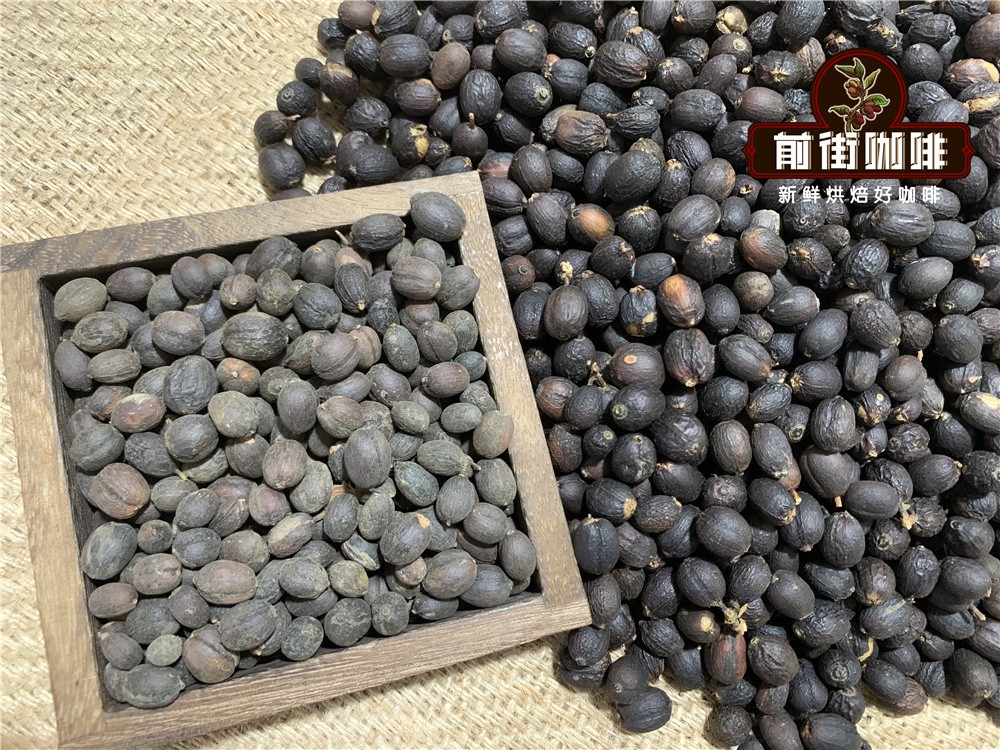
Core variety composition: Of the coffee currently grown commercially in Yunnan, about 95% belongs to the Catimor hybrid under the Arabica species. This variety was bred by crossing Timor and Caturra, inheriting the genetic advantage of leaf rust resistance while maintaining high yields of 1.5-2 tons per hectare. In major producing areas such as Baoshan and Pu'er, Catimor has become the mainstay because it adapts to environments at elevations of 1,000-1,800 meters.
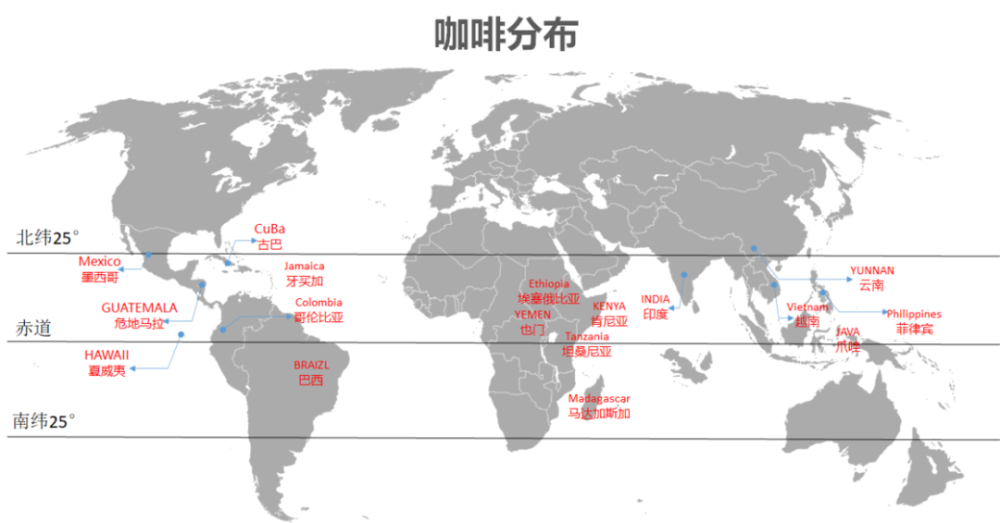
The Arabica species originated on the Ethiopian highlands and accounts for 75%-80% of the global specialty coffee market. By contrast, the Robusta species, though more disease-resistant and higher-yielding, generally has stronger bitterness and woody notes, and is planted only in small quantities in Yunnan's lower-elevation areas. Professional roasters often find through cupping that high-quality Yunnan Arabica beans, when medium-roasted, display bright citrus acidity and a caramel finish.
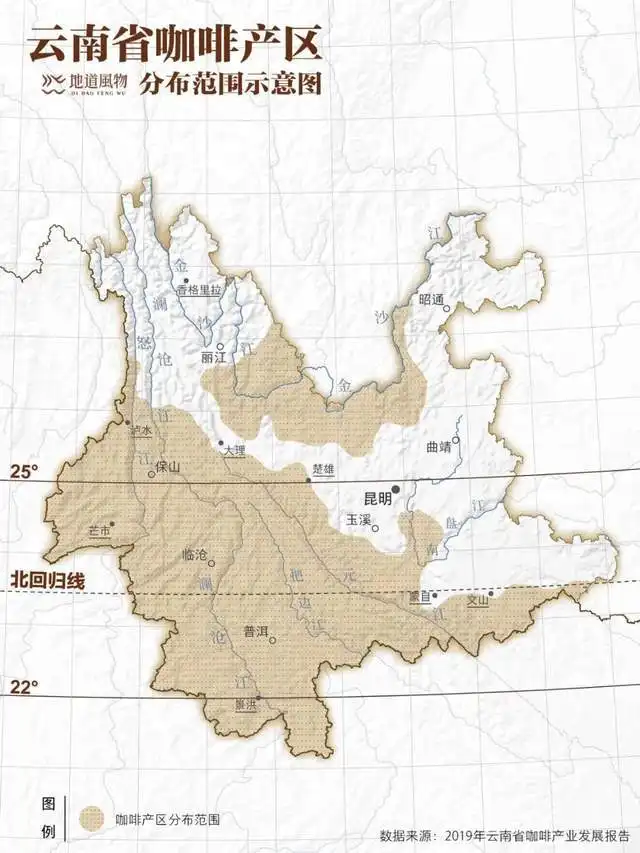
Key to flavor formation: Yunnan small-bean coffee is described as "strong but not bitter, fragrant but not harsh," thanks to three natural conditions—an average annual temperature of 18-22°C, abundant sunshine of 1,800-2,200 hours, and annual rainfall of 1,000-2,000 millimeters. In core producing areas such as Lincang and the Lancang River basin, a day-night temperature difference of more than 10°C prompts the coffee beans to accumulate more flavor compounds.
The modern Yunnan coffee industry has established a strict quality control system: fully ground-free processing ensures the fruit never touches soil from picking to processing; batch harvesting requires selecting only fully red, ripe cherries; some high-end products use natural or honey processing, enhancing sweetness complexity through 3-21 days of fermentation. These methods enable Yunnan beans to reach the specialty grade standard of 80 points or above in the SCA scoring system for high-quality lots.
Looking back at history, coffee was introduced to Yunnan via two routes, east and west: Bourbon (accounting for 69%) planted by French missionaries in Binchuan County in 1902, and a Typica variant brought from Myanmar to Ruili in 1914. Large-scale production truly began in 1952, when experts from the Academy of Agricultural Sciences trial-planted the predecessor variety of Catimor in Lujiangba, which after more than sixty years of selection and breeding formed a unique locally adapted line.
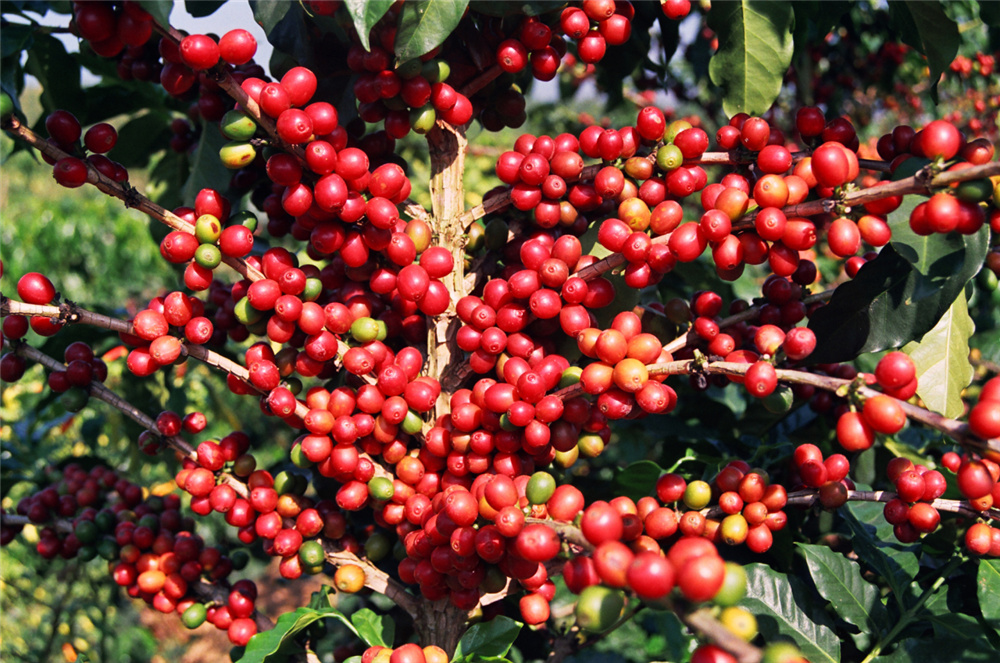
The 1990s were an important turning point for Yunnan coffee: in 1993, Baoshan small-bean coffee won the Belgian "Eureka" gold medal, and in 2012 the province's planted area exceeded 1.4 million mu. Today Yunnan has built a complete industry chain covering cultivation, primary processing, deep processing, and international trade; Pu'er is home to Asia's largest single coffee trading center, with annual trading volume accounting for more than 60% of the national total.
For coffee lovers, three points are worth noting when buying Yunnan beans: first, choose products from producing areas above 1,400 meters in elevation, as such beans usually have richer floral and fruity aromas; light to medium roasts can highlight flavor layers such as blueberry and black tea; and selected lots with a defect rate below 3% better ensure a clean taste. Older producing areas such as Lujiangba in Baoshan have volcanic soil rich in minerals, and their coffee often carries a distinctive nutty chocolate finish.
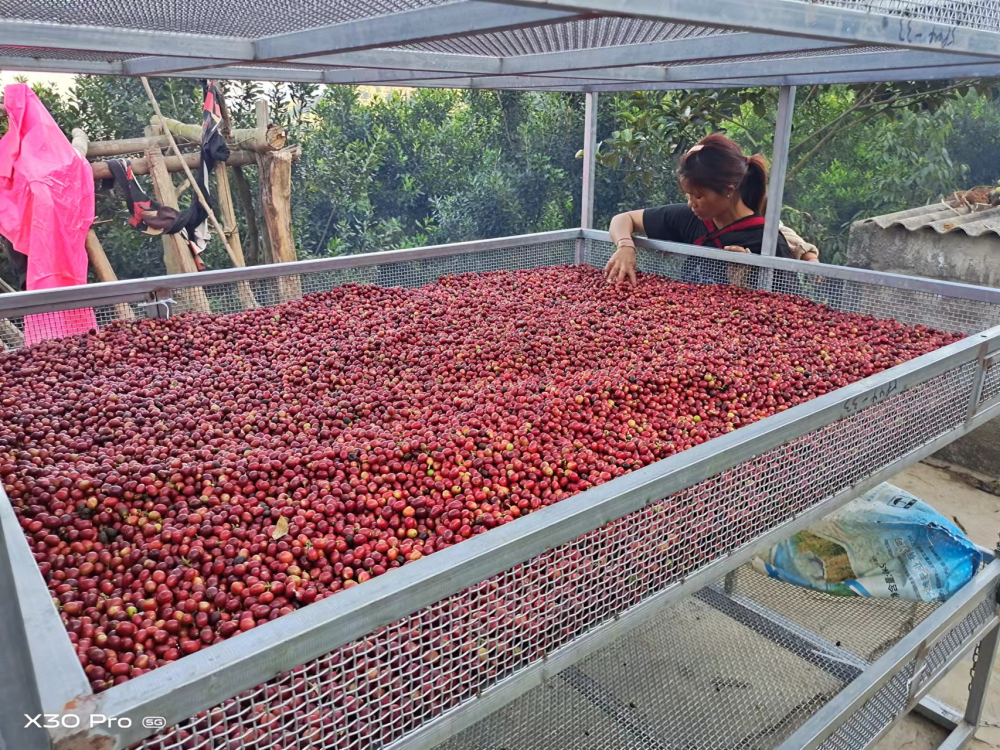
In terms of cultivation techniques, Yunnan coffee farmers in recent years have widely adopted shade-tree planting, regulating the microclimate by interplanting rubber or mango trees, which both reduces the impact of extreme weather and provides natural nutrients for the coffee trees. In processing, innovative methods such as anaerobic fermentation are beginning to be applied to high-end production lines, further enhancing the aroma complexity of Yunnan beans through precise control of fermentation time and temperature.
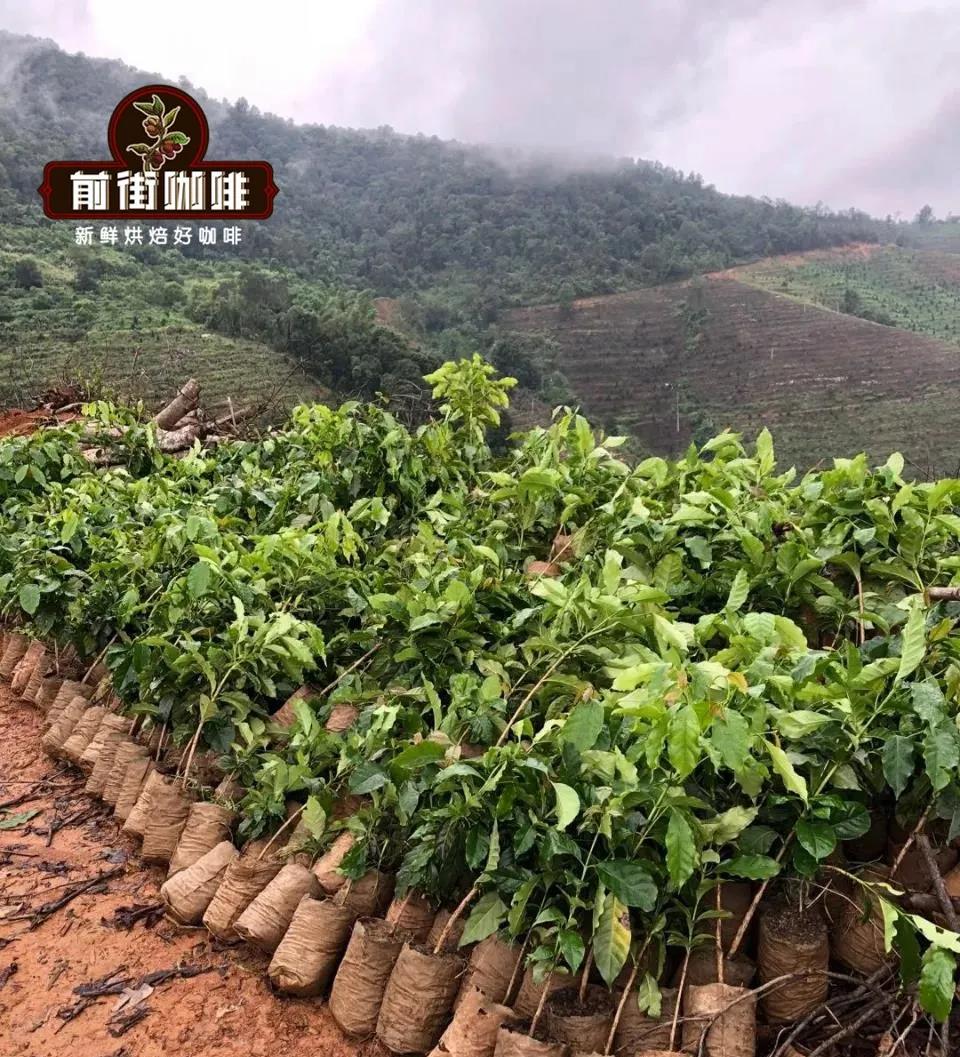
The main challenges facing Yunnan coffee today include: the impact of international futures price fluctuations on farmers' incomes, and the problem of premature harvesting in some producing areas. However, through promoting specialty smallholder certification and establishing a origin traceability system, more and more estates are focusing on single-estate cultivation, enabling micro-origins such as Manzhongtian and Xinzhai Village to produce top-tier coffees with clear terroir characteristics.
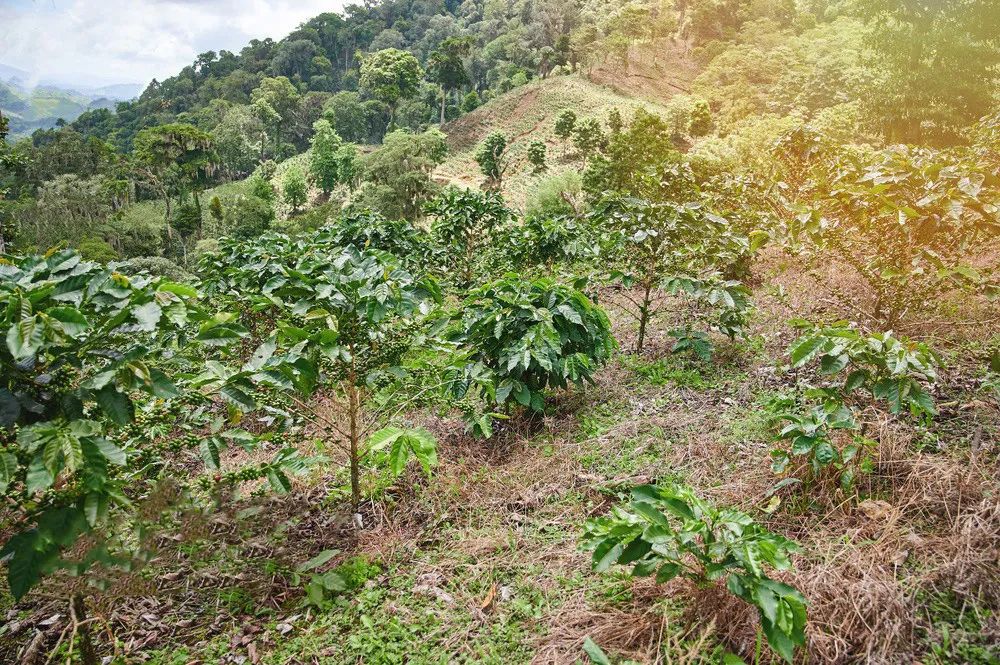
In summary, Yunnan is not only the core producing region for Arabica coffee in China but has also formed a unique advantage in cultivating the Catimor variety. Whether for everyday drinking that seeks a balanced taste or for specialty collections that explore regional flavors, the coffee beans of this red-soil plateau are worth savoring in depth. Understanding their variety characteristics and processing methods will help you better appreciate the "balanced and elegant" Eastern flavor aesthetics of Yunnan coffee.