Pour-Over Coffee Acidity: Sources and Flavor Balance Guide

Introduction: Many coffee lovers have questions about the acidity of pour-over coffee—why does high-quality coffee often taste acidic? Does acidity indicate quality? This article takes an in-depth look at the chemical causes of coffee acidity, from growing altitude and processing methods to roast level and brewing parameters, systematically explaining the key stages in acidity formation and offering practical acidity adjustment solutions to help you precisely control the layers of coffee flavor.

The complexity of coffee flavor stems from its natural character as an agricultural product. High-quality coffee often has noticeable acidity, a trait closely tied to its growing environment, processing method and subsequent handling. Acidity is not only a flavor indicator but also an important dimension for judging coffee quality.

The acids in coffee beans come mainly from six natural organic acids: chlorogenic acid accounts for the largest share but tastes astringent; quinic acid is formed during roasting and tastes bitter; while fruit acids such as malic acid and citric acid contribute a fresh mouthfeel. Notably, for every 100 meters of elevation gain, the greater day-night temperature difference encourages the coffee fruit to accumulate more flavor compounds, and growing areas above 1,500 meters usually produce beans with brighter acidity.
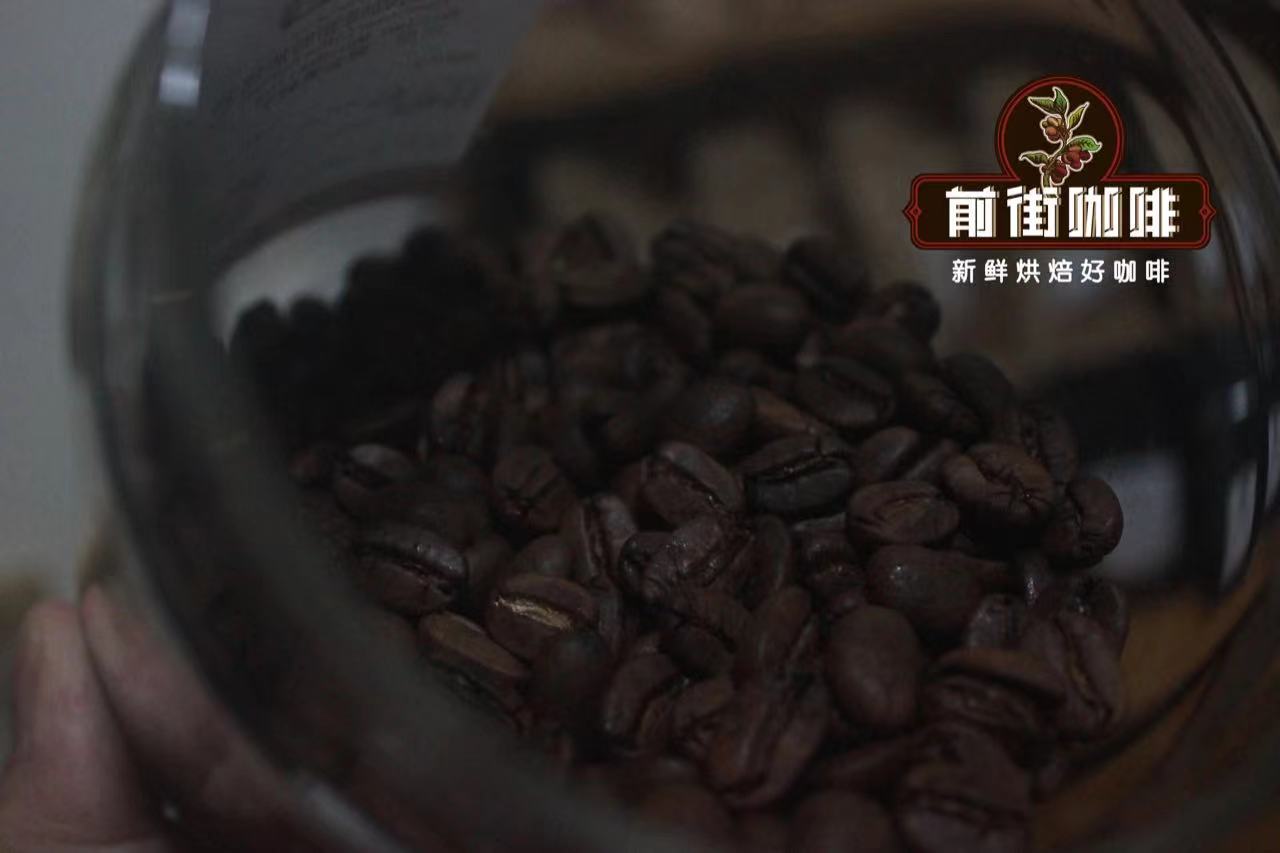
The key control points at the growing stage include: 1) choosing varieties with strong disease resistance and outstanding flavor; 2) maintaining soil pH in the 5.5-6.5 range; 3) using shade growing to slow the ripening rate. The processing method directly affects the type of acidity—washed processing retains more bright acids such as citric acid, while natural processing develops complex acidity such as tartaric acid. A common misconception is to equate all acidity with a quality defect; in fact, moderate fruit acidity can enhance a coffee's complexity.
Roast level plays a decisive role in how acidity presents. Light roast (dense first crack through its end) preserves as much of the lively acidity present before chlorogenic acid conversion as possible, and is suited to showing the floral notes of regions such as Ethiopia; medium-dark roast (end of first crack to start of second crack) promotes the formation of quinic acid, balancing acidity and astringency; over-roasting (after dense second crack) causes acidity to be lost entirely, producing a burnt, bitter taste. Professional advice: for a first attempt, use medium roast (roast level AGTRON #55-65) as a baseline.
Adjusting brewing parameters is the final stage in controlling acidity. The following methods are recommended to optimize flavor: 1) acidity is most pronounced at 90-93°C, and each 1°C decrease reduces acidity by about 15%; 2) a coffee-to-water ratio between 1:15 and 1:16 gives more balanced acidity; 3) use a coarser grind (70-75% passing a Chinese standard No. 20 sieve) to reduce the sharp acidity caused by over-extraction. Practical tips: if the coffee is sharply acidic and astringent, extend the bloom to 45 seconds or increase the number of stirs; if the acidity is insufficient, try raising the water temperature to 94°C or grinding finer.
The ultimate goal of flavor balance is to harmonize the three elements of acidity, sweetness and bitterness. The acidity of high-quality coffee should have three characteristics: 1) clarity at the moment of entry; 2) smooth transition into sweetness; 3) persistence in the finish. It is recommended to record flavor changes under different parameters through cupping and gradually build a personal preference model. Remember, perfect pour-over coffee is not about eliminating acidity but about presenting a pleasant sweet-acid balance.


