Yunnan Red Honey SOE Coffee Review: Flavor Profile and Brewing Guide
Introduction: Yunnan, an important specialty coffee region in China, has drawn increasing market attention in recent years thanks to its unique geographical conditions and processing methods. This article takes an in-depth look at the flavor characteristics of Yunnan red honey processed single-origin (SOE) coffee, the details of its processing, and brewing advice and flavor performance for this type of coffee bean, to help coffee lovers gain a more complete understanding of Yunnan specialty coffee and choose the one that suits them.
In recent years, the profile of Yunnan coffee has continued to rise in both international and domestic markets. In the 2020/2021 crop year, for example, a well-known coffee chain brand purchased more than 1,000 tons of specialty-grade green coffee beans from Yunnan's two core producing regions, Baoshan and Pu'er. All of these beans came from growing areas above 1,300 meters in elevation, enjoying exceptional growing conditions and undergoing strict screening, with SCA scores all above 80, placing them in the specialty coffee category. This purchase not only marked market recognition of Yunnan coffee's quality but also drove the spread of single-origin coffee in China.
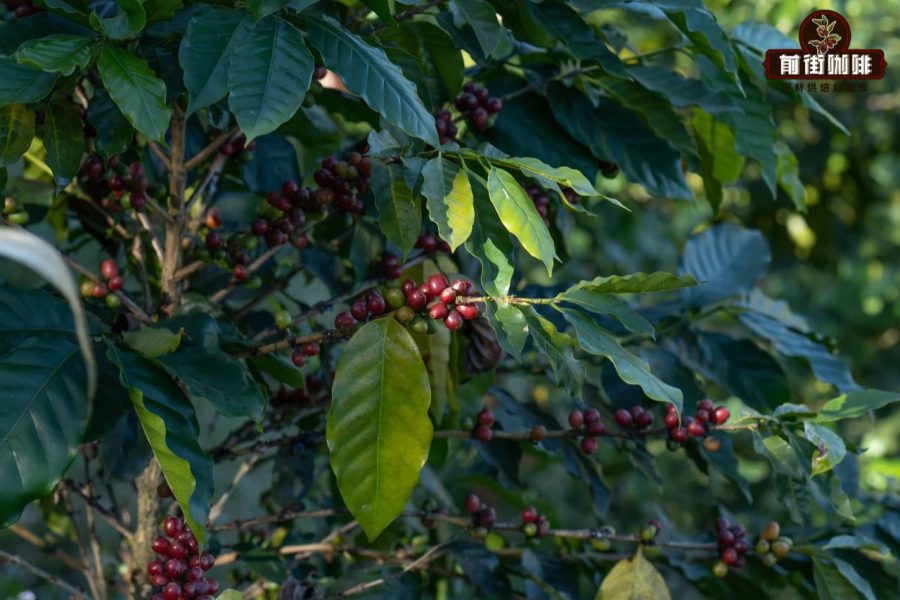
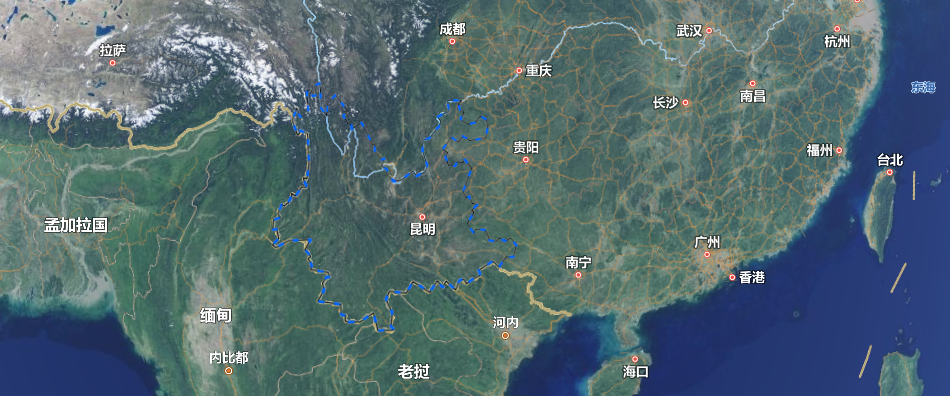
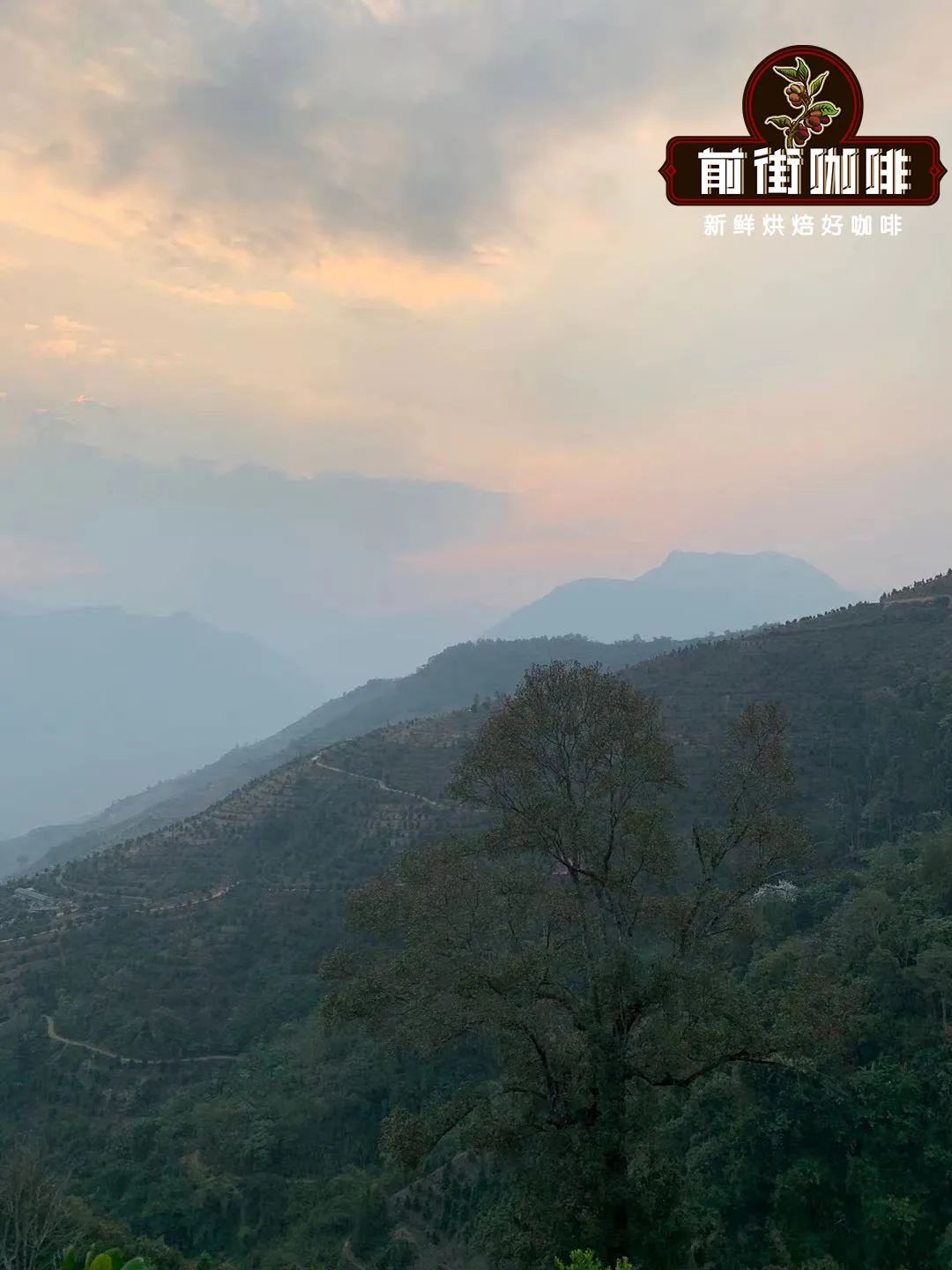
The unique flavor of Yunnan coffee is inseparable from its geographical environment. The southwestern and southern areas of Yunnan lie between 15 degrees north latitude and the Tropic of Cancer, with terrain mostly mountainous and sloped, and elevations generally between 1,000 and 2,000 meters. This undulating terrain, combined with ample sunshine, abundant rainfall and significant day-night temperature differences, creates the flavor foundation of Yunnan's small-bean coffee: "rich without bitterness, fragrant without harshness, with a hint of fruit," making it very well suited to specialty coffee development.
As for the planted varieties, Yunnan currently grows Catimor on a wide scale, a variety crossed from the Robusta species (Timor) and the Caturra bourbon variety, carrying about 25% Robusta genes, so its flavor can sometimes show a certain bitterness, astringency or even off-flavors. In addition, the Baoshan area also grows small amounts of the more classic Typica and Bourbon varieties, which usually have clearer, more elegant aroma and mouthfeel, but are harder and more costly to grow, with lower yields.
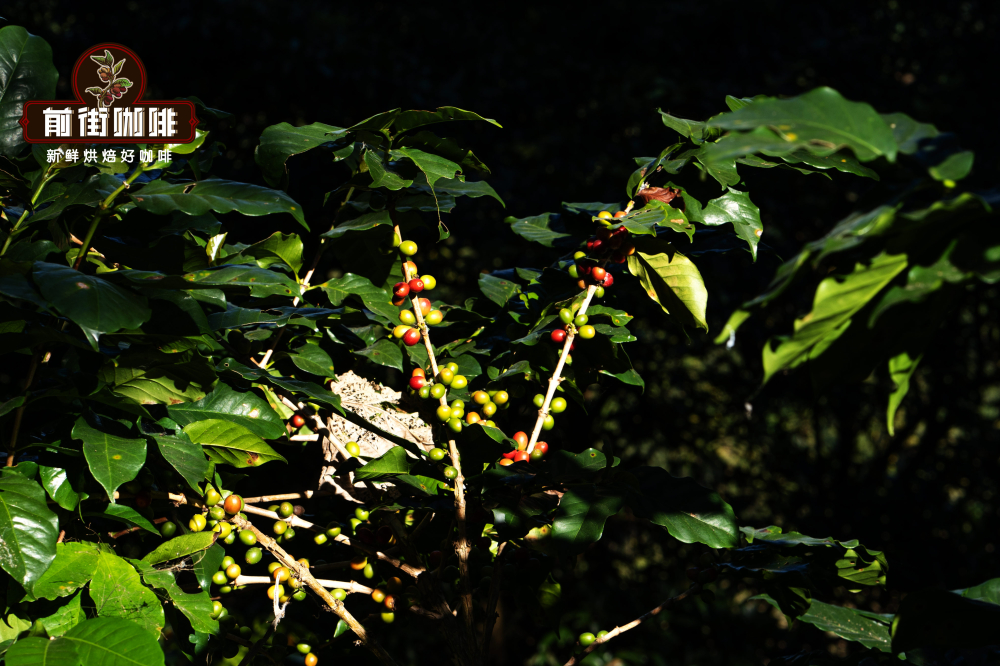
Typica is regarded as one of the most classic high-quality Arabica varieties; its history can be traced back to Ethiopia and Sudan, and it is the source of many modern coffee varieties. Typica plants are robust but have poor disease resistance, being especially susceptible to rust, and therefore require more meticulous management. Its beans have a clear flavor and it is often seen as a representative specialty coffee variety; its leaf tips are reddish-copper, commonly known as "red-top coffee."
The Bourbon variety derives from Typica and was first introduced by the French to Réunion Island (formerly Bourbon Island) in the early 18th century, then gradually spread. Compared with Typica, Bourbon has slightly improved yield and stress resistance and is suited to elevations of 1,200 to 2,000 meters. However, it is more sensitive to severe weather such as strong wind and heavy rain, and it ripens slowly with smaller fruit. Bourbon coffee usually has fuller aroma and sweetness; its leaf tips are green, and it is known as "green-top coffee."
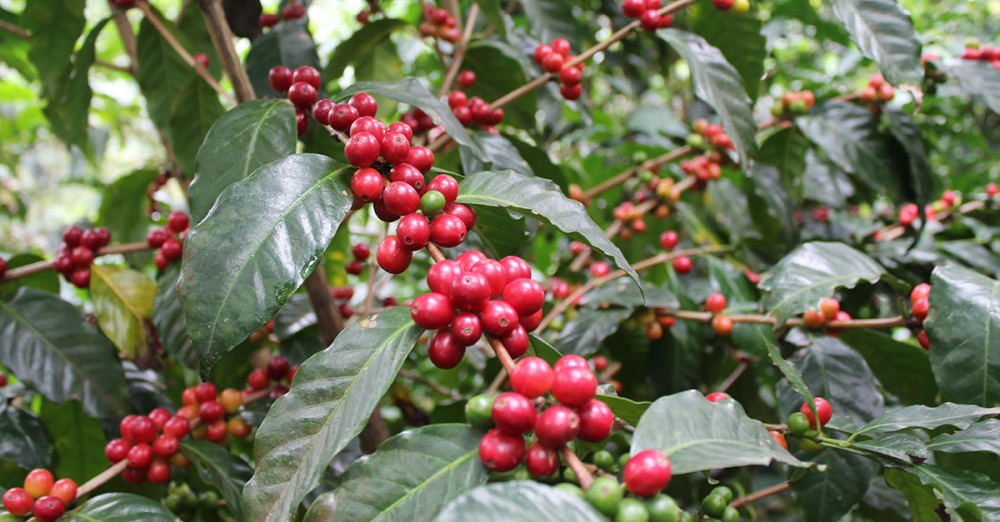
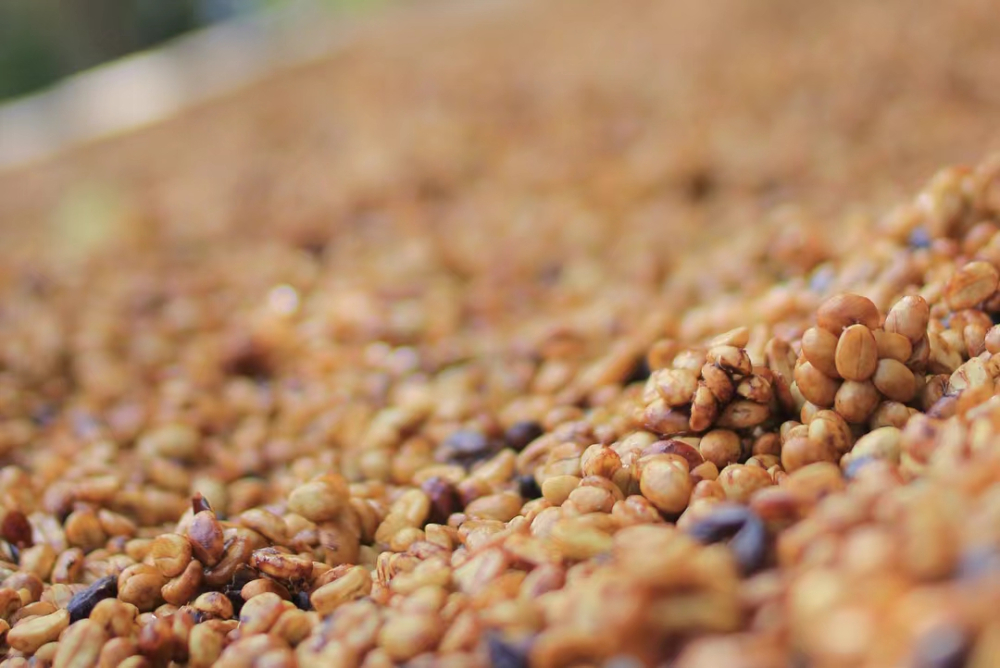
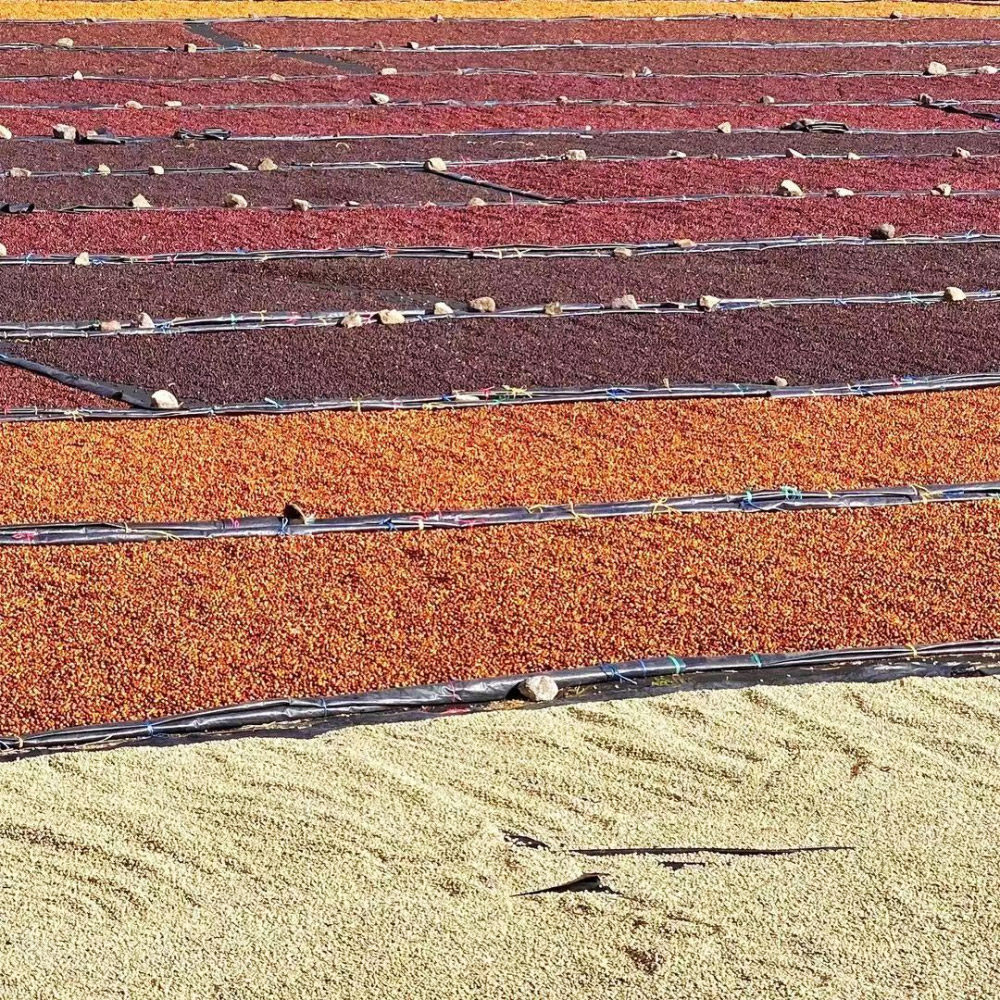
Turning back to processing, honey processing is a green coffee processing method that has drawn much attention in recent years; its core is retaining the mucilage layer of the coffee fruit, thereby enhancing the coffee's sweetness and body. Traditional honey processing roughly includes the following steps: first, the coffee fruit is placed in water for flotation to remove unripe or defective beans; then the selected fruit is spread on raised beds to dry, usually for about three days, until the moisture content drops to 20%; next, the outer skin and pulp are removed but the sticky mucilage layer is retained; finally, the mucilage-covered beans continue to dry until the overall moisture content reaches the 11% safe storage standard.
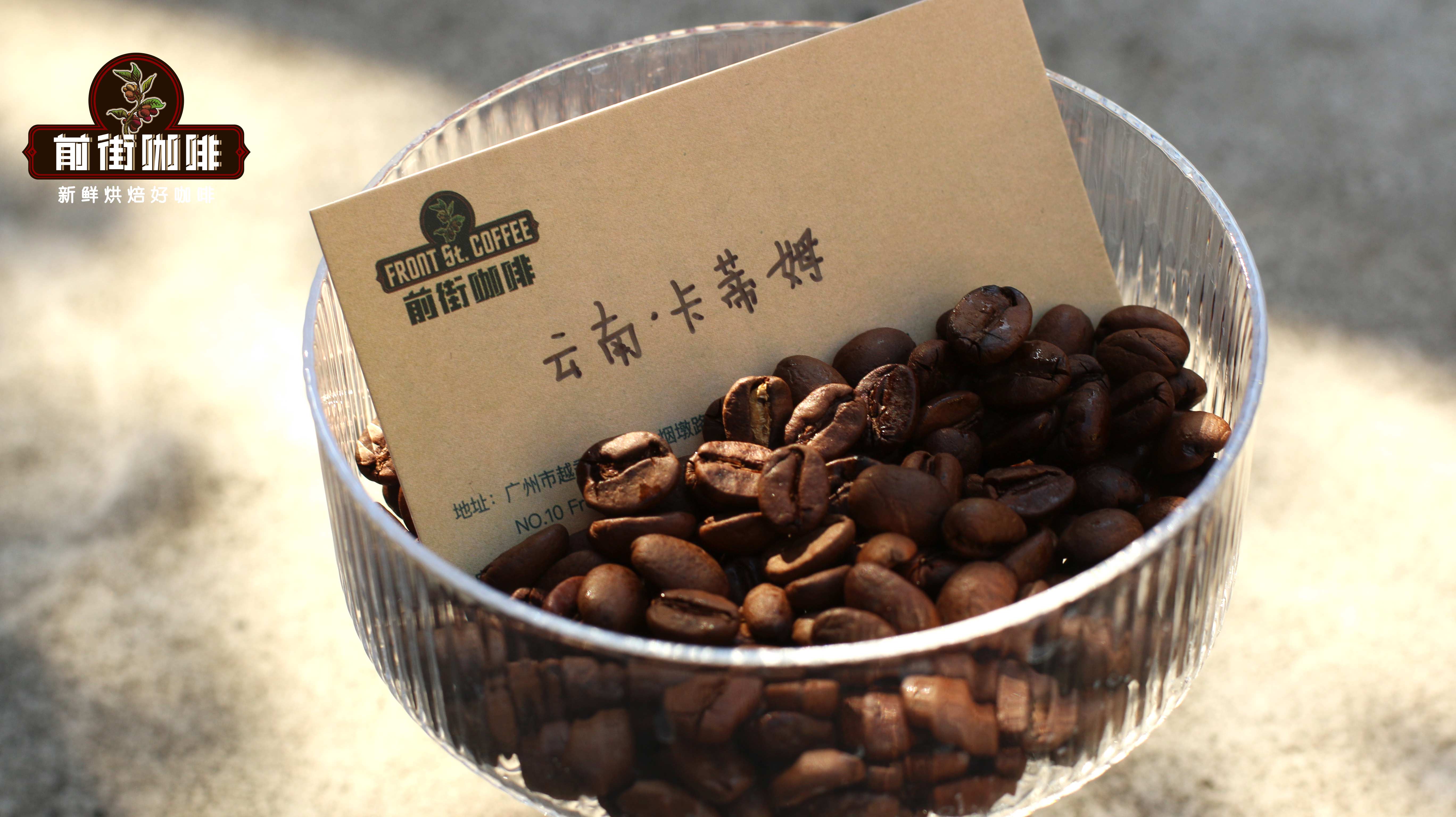
Depending on the proportion of mucilage retained, honey processing is often divided into yellow honey, red honey and black honey. Among them, yellow honey retains about 40% of the mucilage, with a shorter sun-drying time of generally about 8 days, stronger sunlight and frequent turning; red honey retains about 25% of the mucilage, with about 12 days of sun-drying, possibly using shading measures and moderate turning frequency; while black honey removes almost no mucilage, with sun-drying lasting more than 14 days and strict control of the drying environment to avoid over-fermentation. This type of processing has the richest, most complex flavor, but the risk and cost are relatively higher.
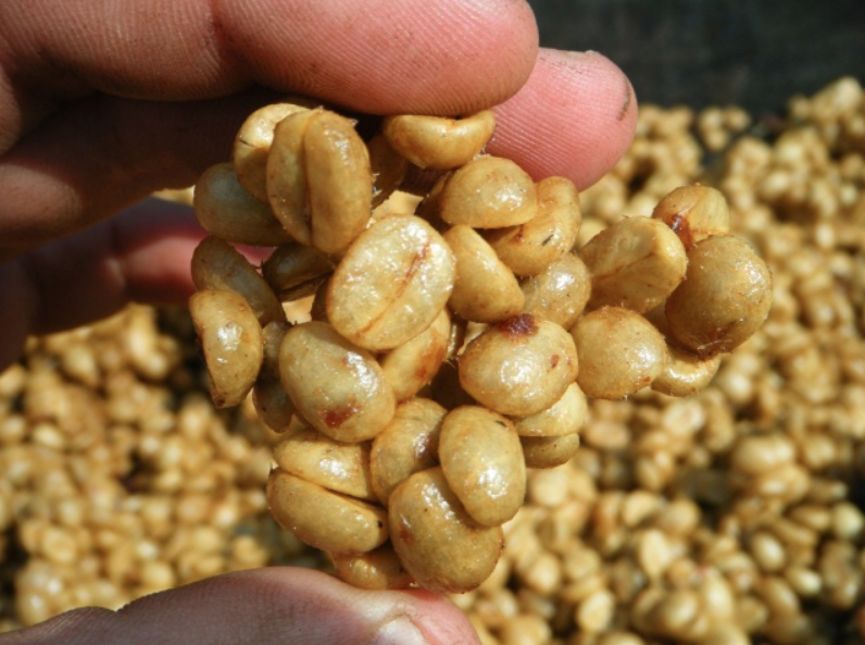
The Yunnan red honey SOE coffee that is the focus of this discussion uses a "double anaerobic fermentation" process different from traditional honey processing. This process borrows the idea of wine fermentation: first, a primary fermentation takes place at the fruit stage in a sealed, oxygen-free environment; then the pulp is removed while part of the mucilage is retained, and a second anaerobic fermentation is carried out; finally, the coffee is dried to 11% moisture content. The entire process has extremely strict requirements for temperature, humidity, fermentation time and turning frequency, with the aim of further strengthening the coffee's sweetness, complexity and cleanliness by controlling the fermentation environment.
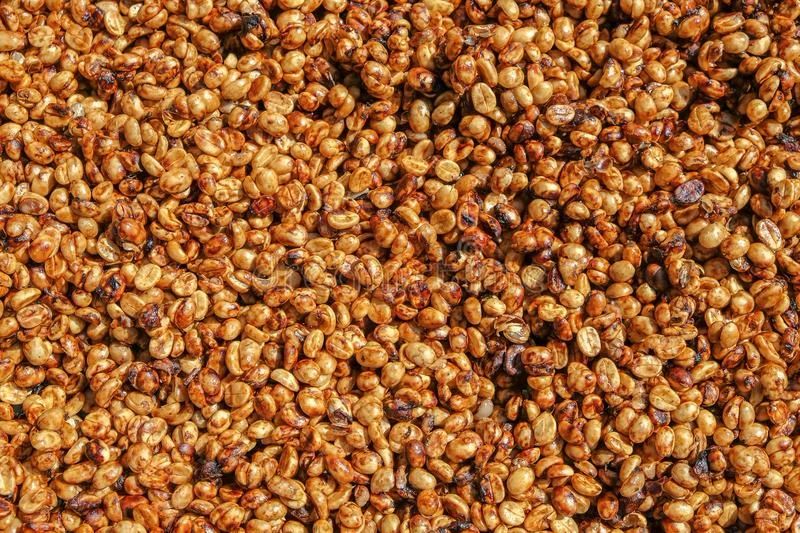
In terms of flavor performance, Yunnan red honey SOE coffee usually has pronounced sweetness, with a mid-palate that often carries red fruit notes (such as cherry and red berry), a clean and lingering finish, and soft yet lively acidity. Compared with ordinary washed or traditional natural processing, this method enhances body while preserving cleanliness, making it especially suitable for coffee lovers who prefer fruity sweetness and a balanced mouthfeel.
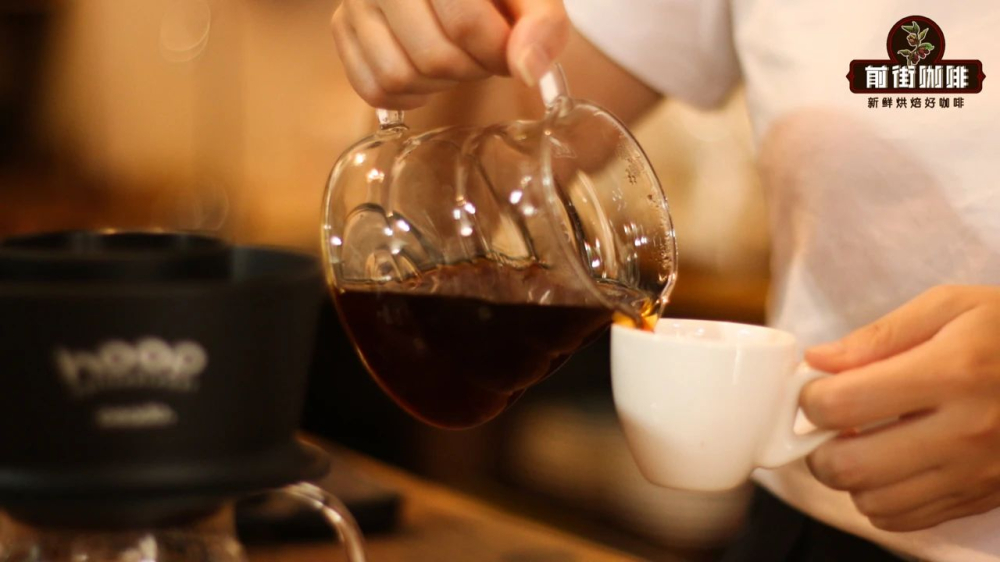
For users who want to try brewing Yunnan red honey SOE coffee, a medium-fine grind is recommended (close to the size of fine granulated sugar for pour-over), with water temperature controlled between 90 and 93 degrees Celsius and a coffee-to-water ratio of 1:15 to 1:16. For pour-over, center pouring and staged extraction are recommended: first pour a small amount of water for blooming, then slowly increase the flow to fully extract the sweetness and aroma complexity brought by the mucilage.