Kalita 3-Hole Cone Dripper Guide: Grind, Ratio, and Brewing
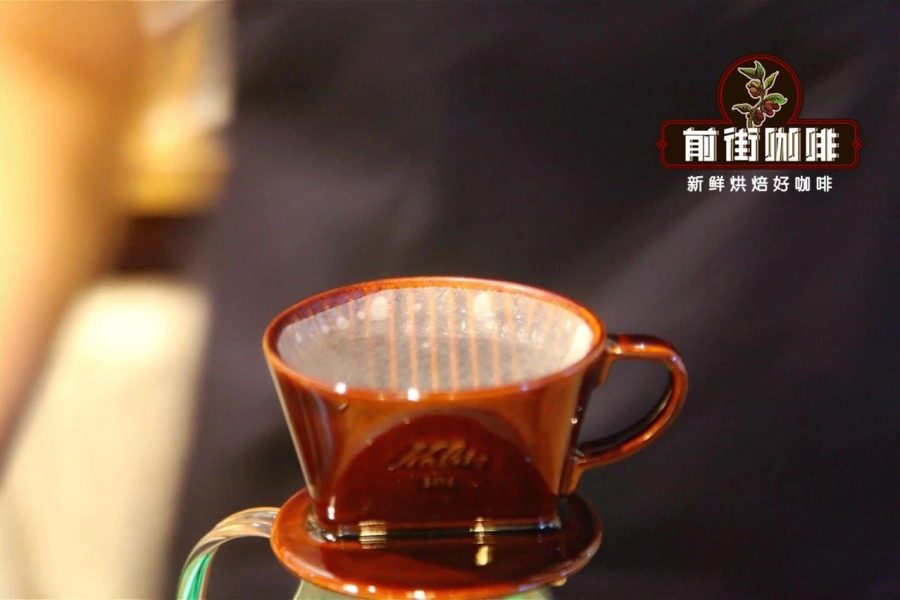
Introduction: Thanks to its distinctive design and stable extraction performance, the Kalita three-hole cone dripper has become a common tool among pour-over enthusiasts. This article takes an in-depth look at the structural principles of this classic dripper, from material characteristics to water-flow control, details the golden coffee-to-water ratio range for a 15-gram dose, provides precise grind-size recommendations and a staged pouring plan, and includes a flavor-profile description to help you master a layered pour-over technique.
The Kalita three-hole cone dripper is a classic piece of equipment in the pour-over coffee world, its design evolution stemming from a 1959 modification of the German Melitta single-hole dripper. By expanding the single outlet hole into three evenly distributed filter holes, it significantly reduces the risk of channeling while giving the user more flexible control over flow rate. This structural characteristic allows baristas to precisely manage extraction strength by adjusting the pouring rhythm, making it especially suited to home brewing scenarios where consistency is sought.
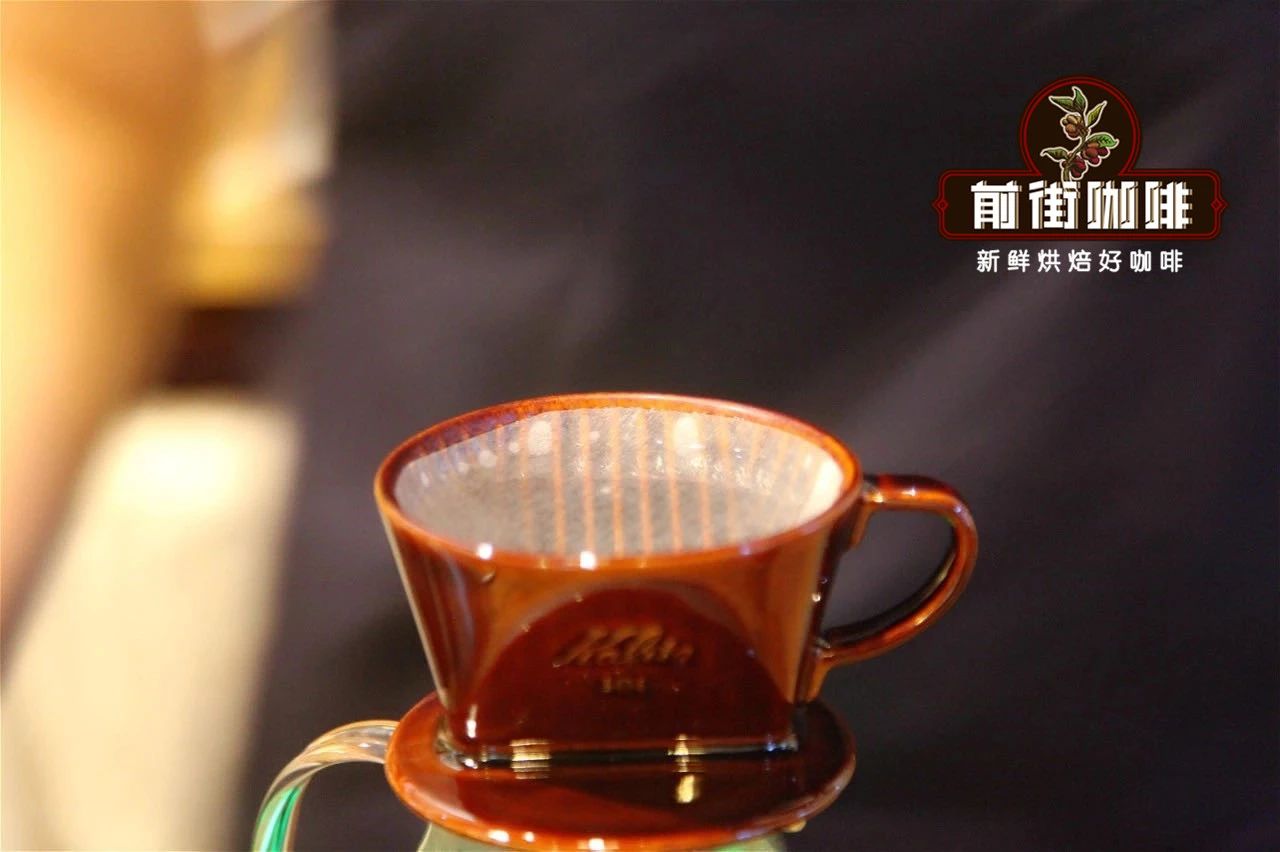
Structurally, the dripper uses a trapezoidal three-dimensional design that is wide at the top and narrow at the bottom; the oval opening at the top provides a broad area for the coffee bed to spread out, effectively preventing particle pileup. The linear ribs arranged vertically along the side walls are evenly spaced, forming uniform venting channels—these recessed grooves not only maintain air circulation between the filter paper and the dripper wall but also accelerate water permeation, ultimately producing a slower extraction flow than the V60. Notably, the bottom filter holes are only about 2 mm in diameter, and the three-hole layout achieves balanced outflow.
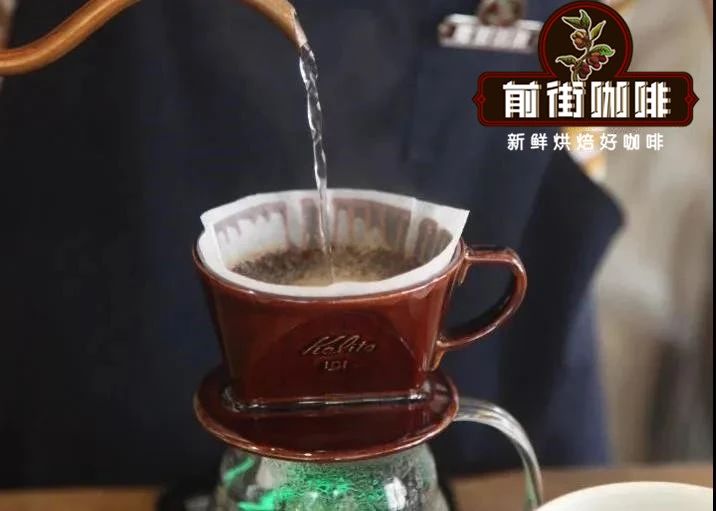
Compared with traditional flat-bottom drippers, the cone dripper's sloped coffee bed brings a distinctive extraction layering. The broad upper area contacts hot water first, prompting the coffee grounds to absorb water and swell evenly; as the liquid level drops, the fine particles at the bottom gradually take part in extraction. This progressive extraction pattern produces coffee liquid with excellent flavor balance. Measured data show that under standard water temperatures of 90–93°C, the three-hole design keeps total extraction time stable in the 2:10 to 2:30 range.
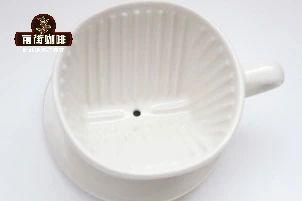
Looking back at history, Melitta's original single-hole dripper, with its overly small 0.8 mm hole, was prone to clogging, which prolonged coffee extraction time to more than 3 minutes and ultimately produced an over-extracted, bitter taste. Kalita engineers, through fluid-dynamics calculations, increased the number of holes to three and enlarged them to 1.5 mm in diameter, raising the average flow rate by about 40% while ensuring filtration efficiency. This improvement markedly increased the dripper's tolerance for grind size; a medium-fine grind (about 70–75% passing a No. 20 sieve) is enough to achieve ideal results.
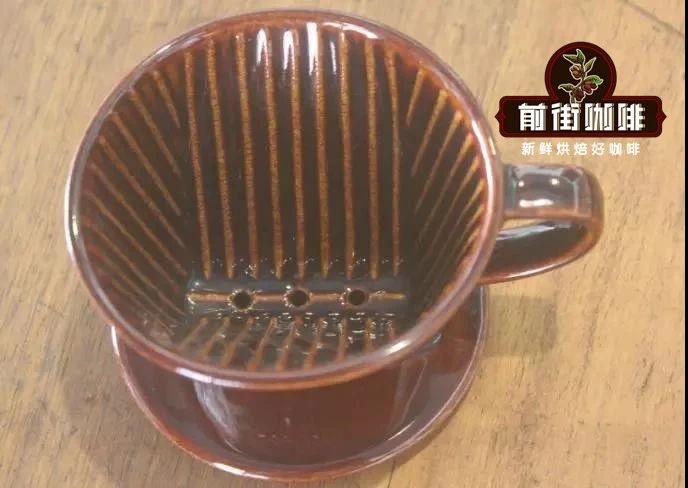
The spiral ribs on the dripper's inner wall are another key design element. These raised structures, spaced 2 mm apart, not only support the filter paper to form a gap but also optimize the extraction path by guiding water downward in a spiral. Experiments show that this structure can increase the expansion rate of the coffee bed by 15–20%, promoting the dissolution of more aromatic compounds. When using it, be sure to pair it with dedicated trapezoidal filter paper; ordinary round filter paper may not fit tightly and could affect extraction uniformity.
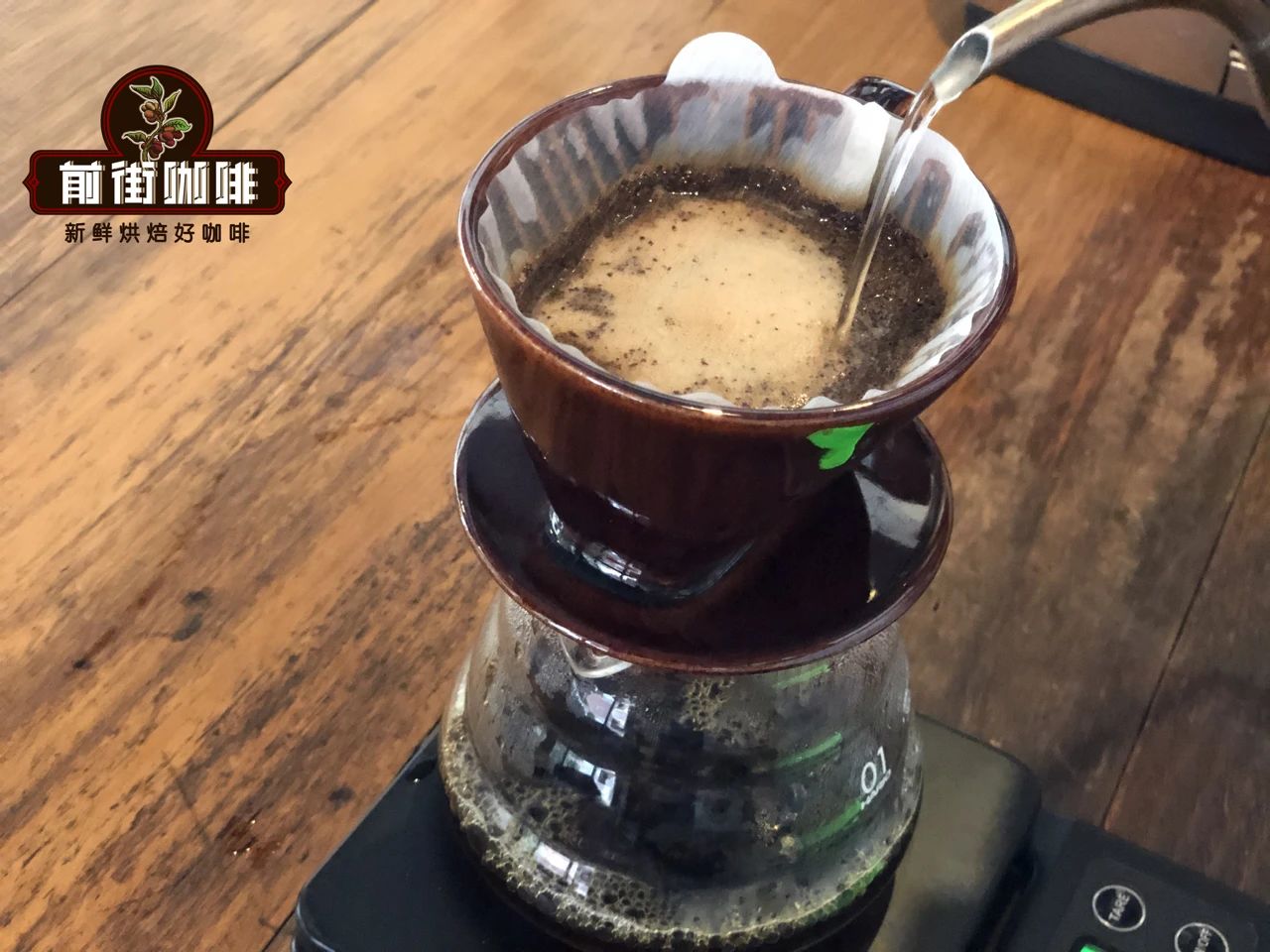
For actual brewing, a base coffee-to-water ratio of 1:15 is recommended (15 grams of coffee to 225 milliliters of water), with specific parameters fine-tuned according to roast level: for light roasts, it can be tightened to 1:14 to enhance acidity; for dark roasts, it is advisable to loosen it to 1:16 to avoid excessive bitterness. Set the grind to about 70% passing the Chinese standard No. 20 sieve (equivalent to 30% retained on a Japanese standard #20 mesh), which corresponds to setting 8–9 on a hand grinder (using the Feima 900N as an example). A three-stage pouring plan is recommended: for the first stage, bloom with 30–35 grams of 90°C hot water for 30 seconds to fully activate the coffee bed; for the second stage, pour in small circles up to 125 grams, keeping the pouring height above 15 cm to reduce disturbance of the coffee bed; in the final stage, when the liquid level has dropped by one-third, continue pouring to 225 grams, at which point you can appropriately lower the pouring height to 10 cm and speed up the circling to encourage fine-particle movement.
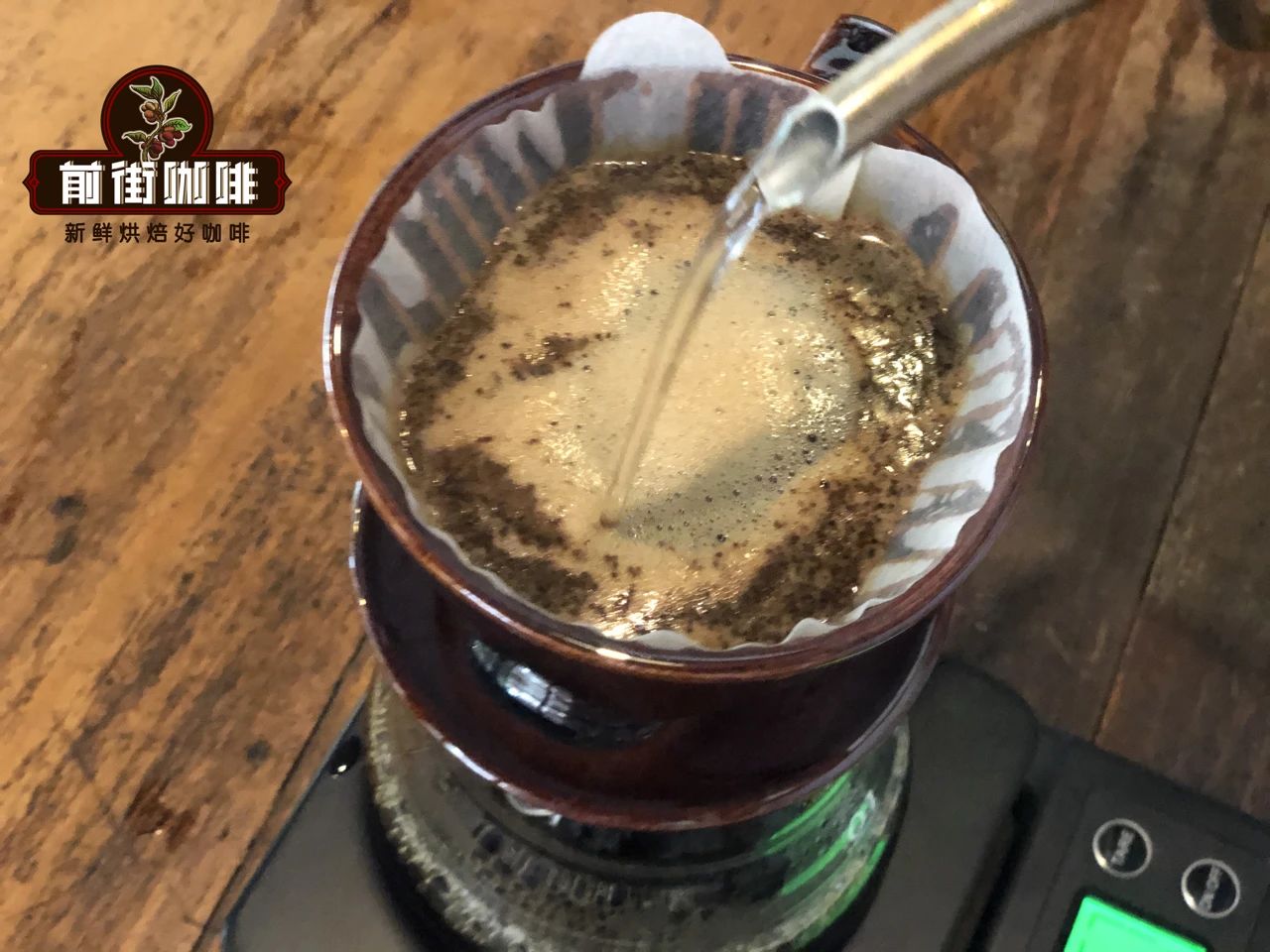
Complete brewing process example: after pre-wetting the filter paper, add 15 grams of freshly ground coffee; bloom with 90°C hot water for 30 seconds to release carbon dioxide; for the second stage, pour at a rate of 2 grams per second up to 125 grams, maintaining a water-flow height above 15 cm with small circular motions; when the liquid level drops to the middle of the coffee bed, continue pouring to 225 grams, at which point the pouring speed can be increased to 3 grams per second and the pouring height appropriately lowered; keep total extraction time in the 1:40 to 2:05 range, and the final coffee liquid should finish dripping by 2:15. Under this parameter combination, the coffee shows bright citrus acidity and jasmine aroma, with a finish of honey sweetness and mild nutty notes.