Ethiopia Guji Yirgacheffe Heirloom Washed Bean Review and Processing Methods
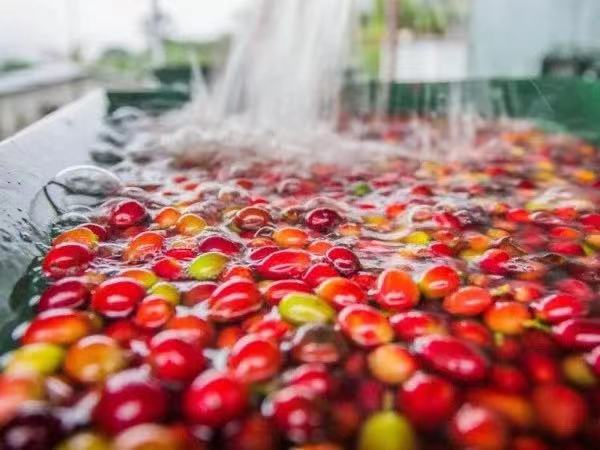
Introduction: What makes Ethiopia's Guji 2019-2020 TOH washed champion bean unique? This article takes a deep look at the growing background of this highland heirloom coffee, the differences among three major processing methods, and focuses on how washed processing achieves its clean, bright citrus character. By comparing processing methods across regions, it helps you master the key parameters for selecting quality washed Ethiopian beans.
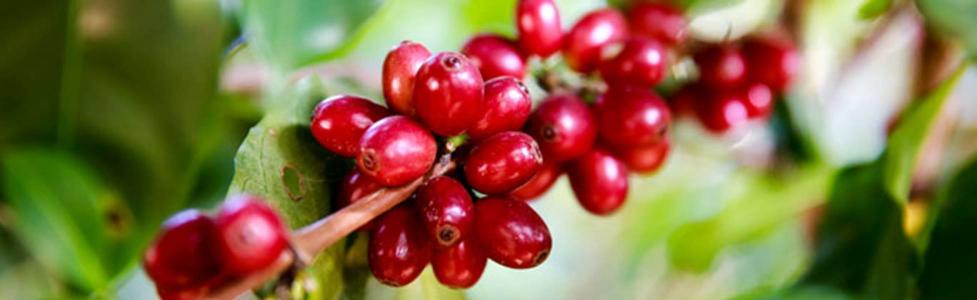
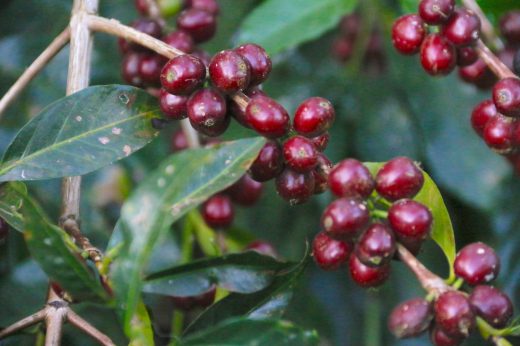
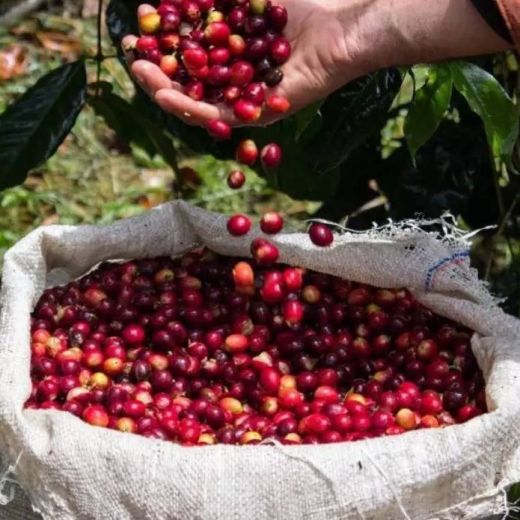
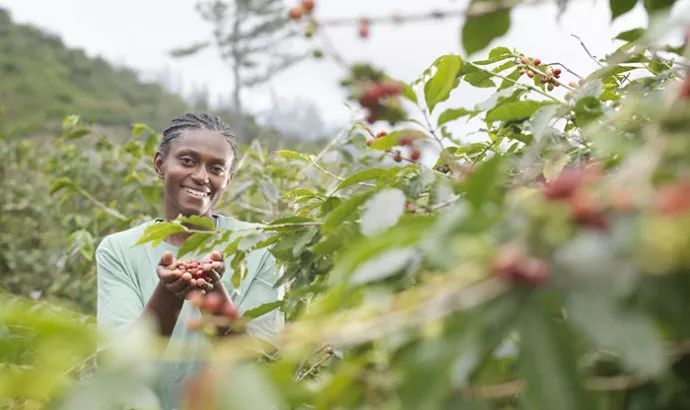
In Ethiopia's Sidamo and Yirgacheffe regions, over 70% of coffee is still grown in garden plots—farmers plant heirloom coffee trees on slopes at 1,800-2,100 meters near their homes, and during harvest the whole family hand-picks ripe red cherries, which are then processed collectively through middlemen or nearby washing stations. This traditional model means a single processing plant often mixes beans from multiple micro-regions, which is also why Ethiopian beans on the market are often named after "cooperatives."
This Guji Yirgacheffe heirloom, winner of the washed group at the 2019-2020 TOH green bean competition, undergoes strictly graded independent washed processing. Grown at 2,050 meters, its G1 grade with no more than 3 defects per 300 grams of green beans produces a distinct citric acidity and black tea finish.
Key steps of the washed process:
1. Flotation tank removes floating impurities
2. Depulper strips the outer skin
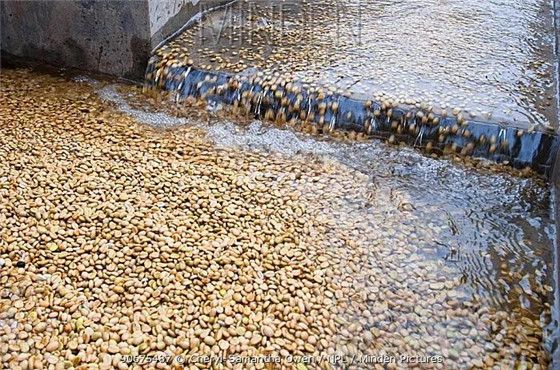
3. Pectin breakdown in fermentation tanks (optimal 24-36 hours, temperature controlled at 20-25°C)
4. Clean water rinse removes residual pectin
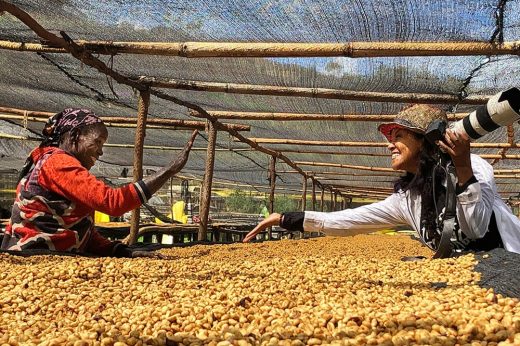
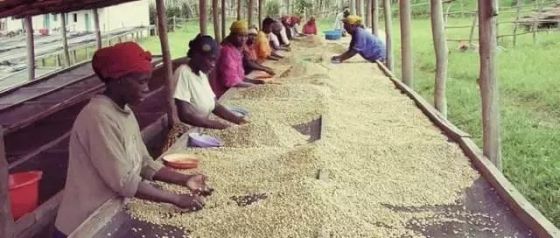
5. 21 days of slow drying on African raised beds (turned 3 times daily, moisture content reduced to 11%)
6. Huller separates the silver skin
7. Color sorter grades the beans
The natural process presents a completely different flavor profile: whole coffee cherries are spread directly on breathable bamboo drying beds and turned by hand 4-5 times daily to ensure even drying, a process lasting 12-15 days until moisture content is ≤12%. Traditional methods easily lead to mold growth, while modern improved methods use anti-mold mesh covers and monitor bean core temperature to stay below 45°C. In the photo, natural-process beans clearly retain more silver skin on the surface than washed beans.
Semi-washed processing (also called honey processing) is a middle path: about 60% of the pectin layer is removed mechanically, followed by 72 hours of temperature-controlled fermentation (constant 30°C), and finally 8 days of drying under shade netting. This method retains some pectin sweetness, but during the drying stage humidity must be strictly controlled below 60%, otherwise excessive fermentation can produce a sour, boozy off-flavor.
Professional cupping data shows: the washed Guji Yirgacheffe heirloom has an acidity pH of 5.2-5.4, with bright citrus notes (lemon/bergamot) accounting for 68%, and medium body (Body score 6/10). By comparison, natural-process beans from the same region have 40% stronger blueberry flavor intensity, but 22% lower acidity softness.
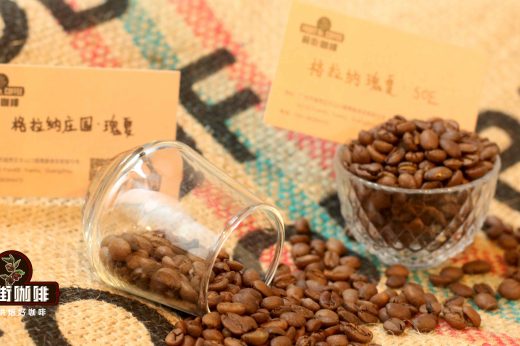
Buying advice: quality washed Ethiopian beans should meet these criteria: ① green beans are blue-green with a waxy sheen ② fresh floral aroma when ground ③ distinct citrus notes within 3 minutes of brewing. Avoid buying so-called "aged washed beans" that look blackened; such beans have usually been stored over 18 months, causing aroma loss.
Advances in processing have significantly improved natural-process quality: since 2020, G1-grade natural beans using anaerobic fermentation can keep defects within 5 per 300 grams. But consumers should still note that most low-priced natural beans (under 80 yuan per 227g) have not undergone density grading and may contain immature beans that affect overall performance.