Washed Yirgacheffe G1 Medium-Light Roast Review: Pour-Over Parameters and Flavor Guide
Introduction: An in-depth analysis of the medium-light roast characteristics of washed Yirgacheffe G1, comprehensively breaking down everything from processing to brewing practice. This article interprets the formation principles of its citrus tonality and floral-honey sweetness from a professional perspective, provides precise pour-over parameter plans, and compares the differentiated performance of cold extraction techniques, helping you master the flavor code of this classic African bean.
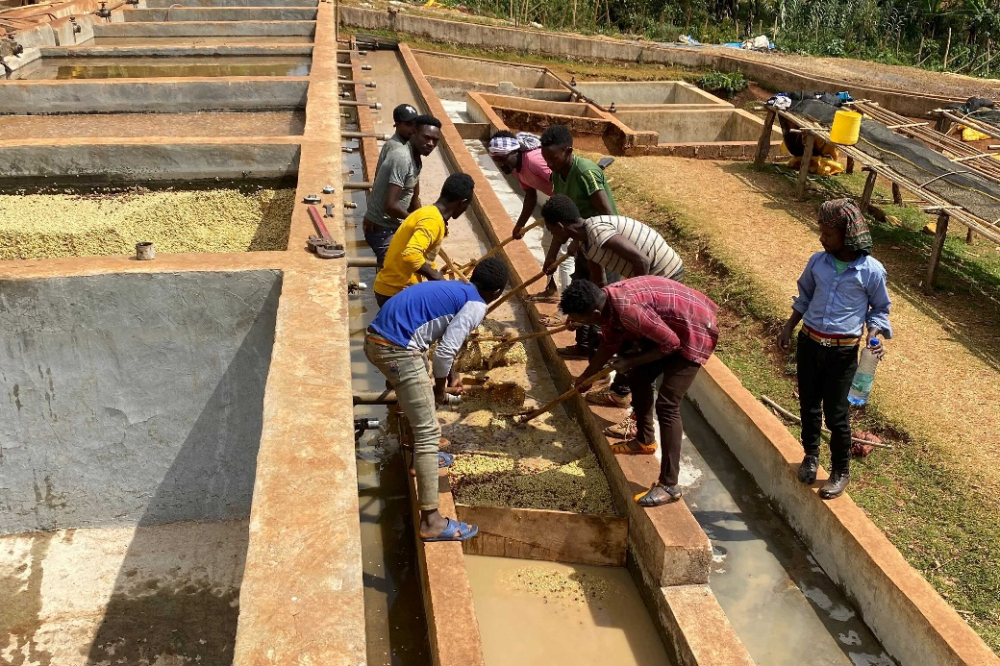
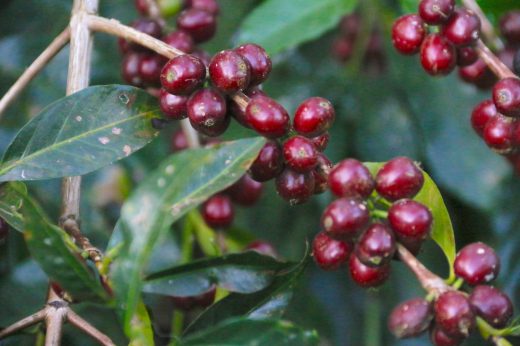
The washed process, as a core craft in the specialty coffee field, is valued for significantly reducing defect rates through standardized procedures while highlighting bright acidity and clear floral-fruity tonality. The Ethiopian Yirgacheffe region, as a global benchmark for washed processing, produces G1 grade green beans that, thanks to the high-altitude growing environment of 1900-2000 meters, cultivate the highly recognizable Heirloom landrace. This variety, naturally selected over centuries, displays a layered flavor structure under the washed process.
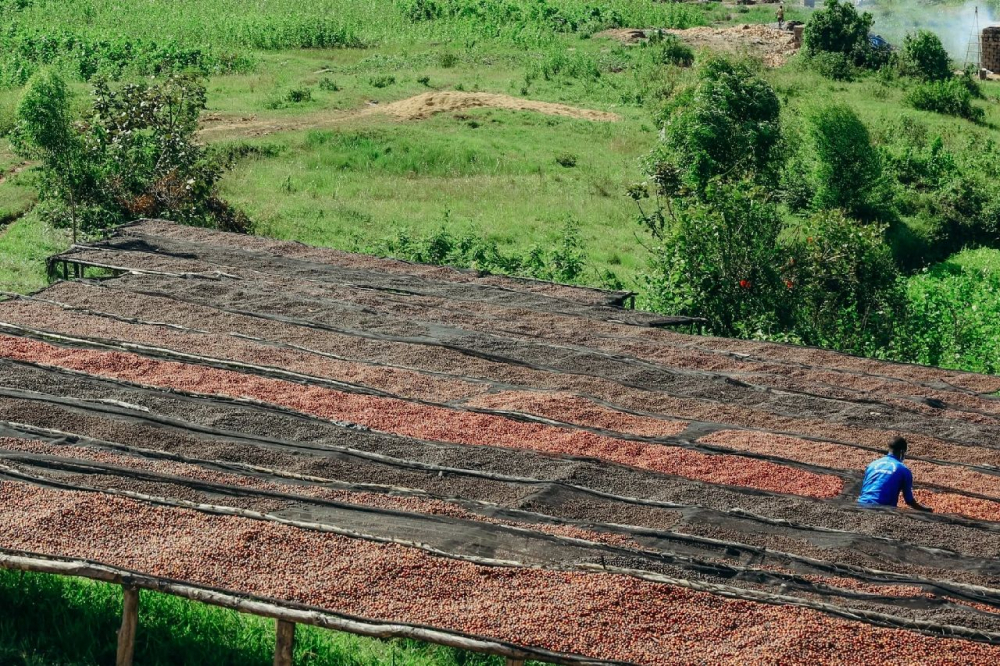
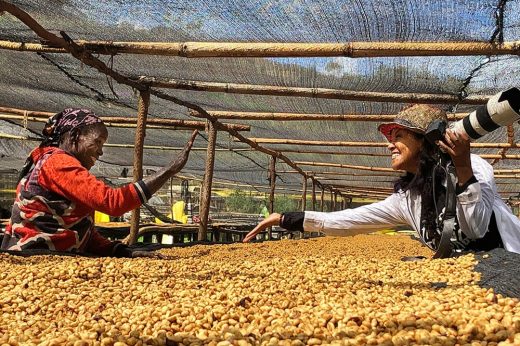
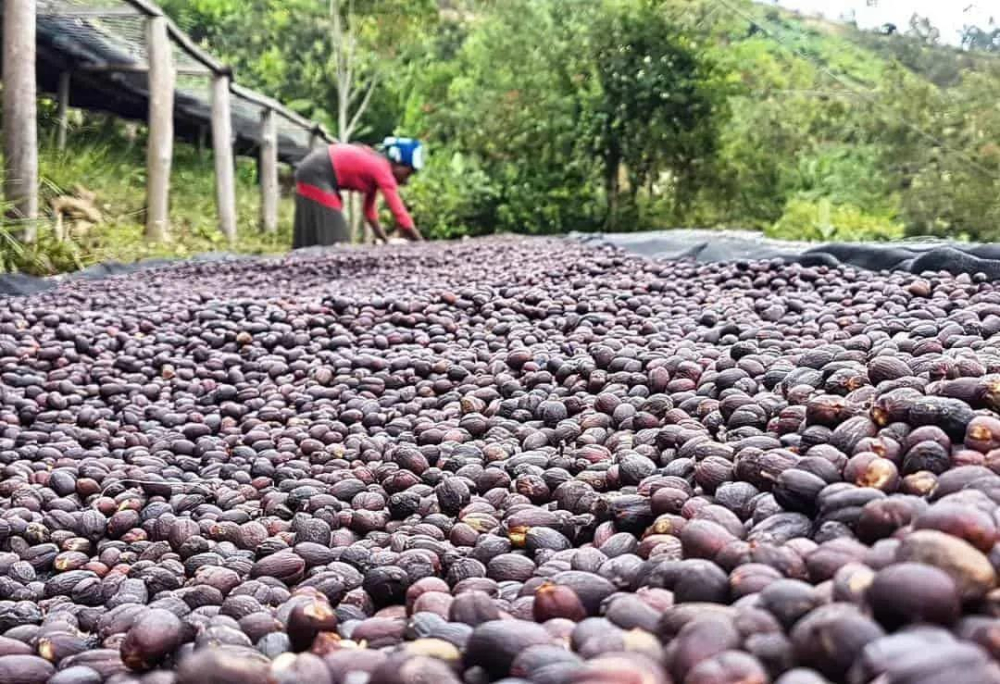
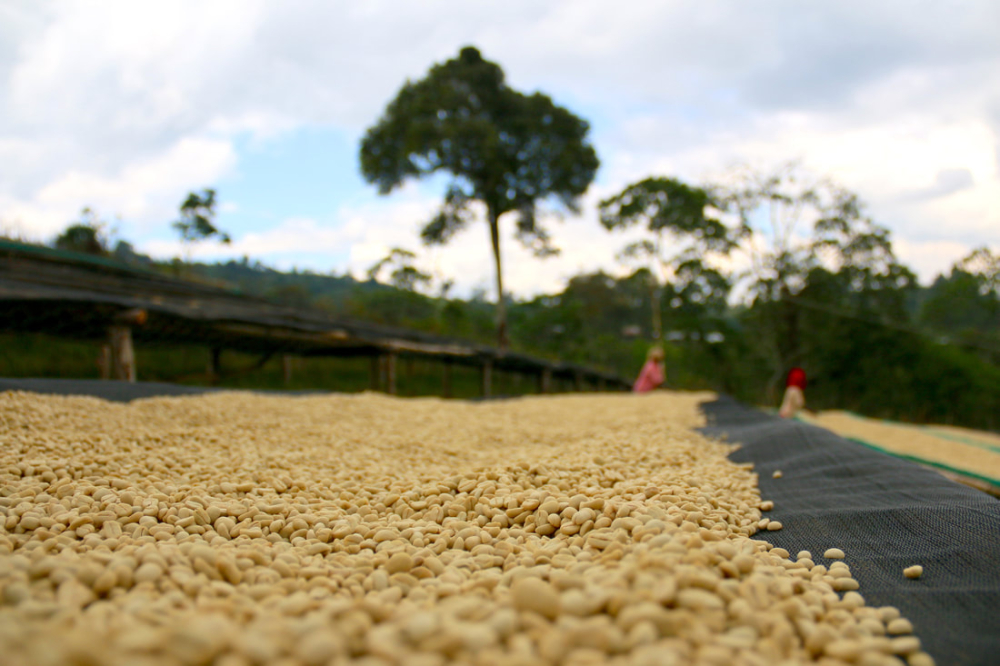
The traditional washed process includes five key steps: first, density flotation removes unripe cherries; then a depulper strips the mucilage layer; 24-36 hours of temperature-controlled fermentation breaks down pectin; multiple rinses with clean water remove residue; and finally dehydration is completed on African raised beds or mechanical drying tables. Compared with the natural process, which depends on sunny weather, washed processing requires a continuous and stable supply of running water and professional water treatment facilities, making this method more common in water-rich regions such as Colombia and Kenya.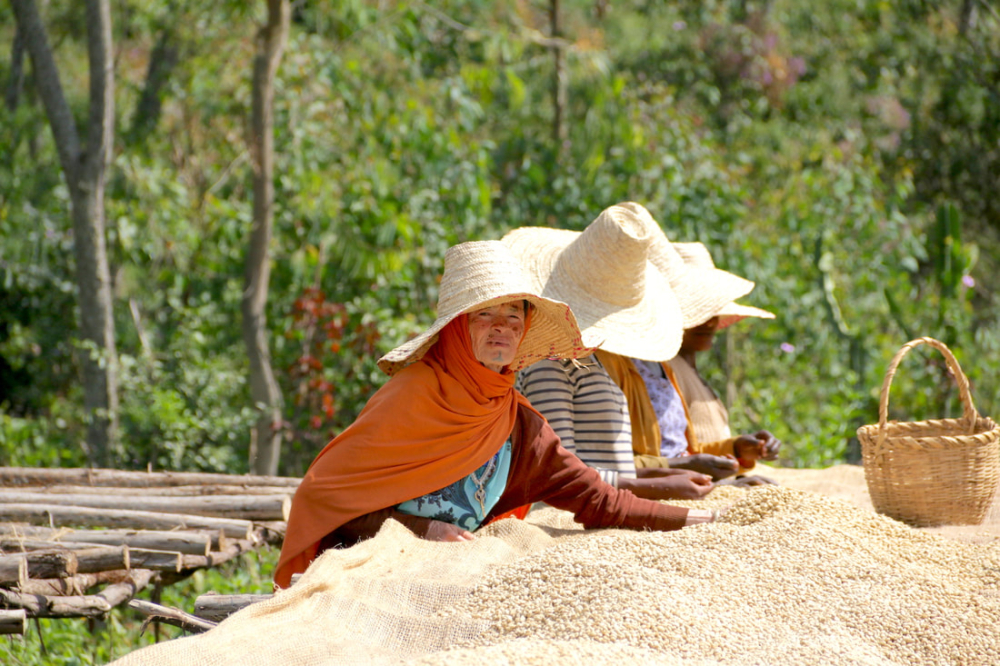
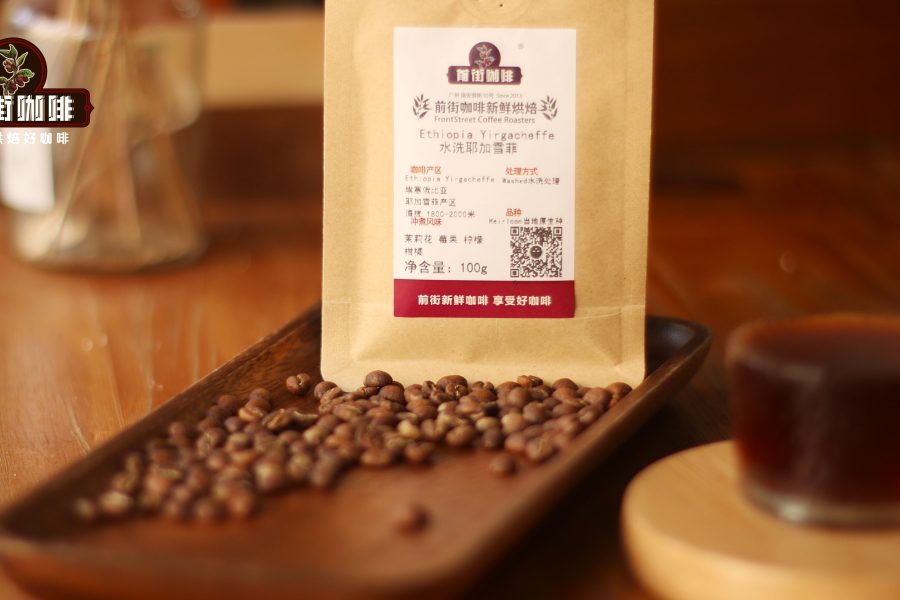
Ethiopia, as one of the birthplaces of washed technology, produces washed beans from the Yirgacheffe region with a typical combination of jasmine and citrus aromas as the base, accompanied by berry-like sweet-tartness and a honey finish. Professional cupping data shows that a medium-light roast (Agtron #65-#75) best presents the lively acidity brought by its 18-20% moisture content while avoiding the woody off-flavors produced by over-development. Notably, a grind of 78% passing a No. 20 sieve combined with 91°C water temperature can effectively balance floral-fruity tonality and body.
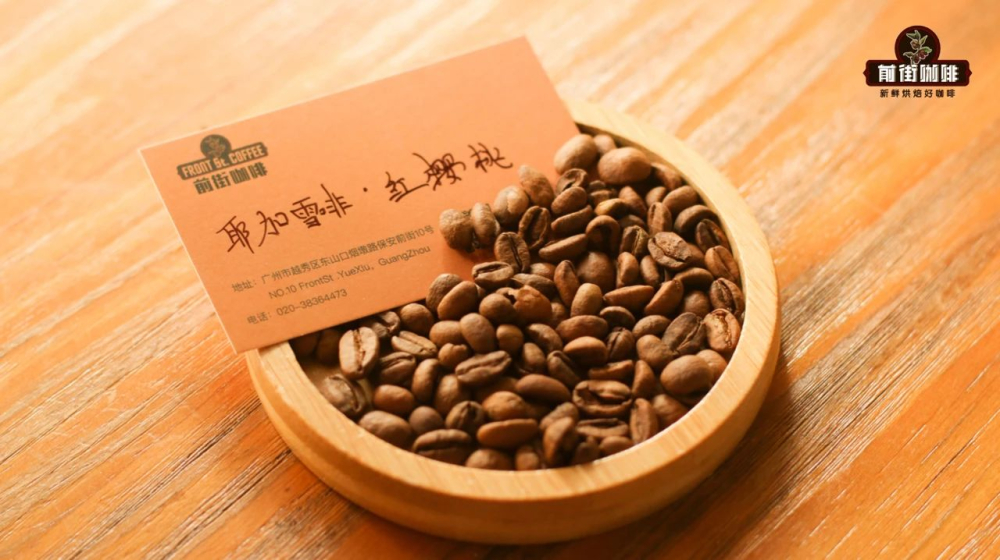
The natural process, as the oldest coffee processing method, retains more sugars by drying whole cherries, but its drying cycle of 21-30 days is extremely sensitive to climate conditions. Although modern improved honey processing partially compensates for this drawback, the traditional washed process still stands as the first choice in the specialty coffee supply chain for its stable quality output. For high-acidity varieties such as Yirgacheffe, washed processing not only removes flavor-affecting impurities but also shapes unique regional flavor characteristics through precise control of fermentation time.
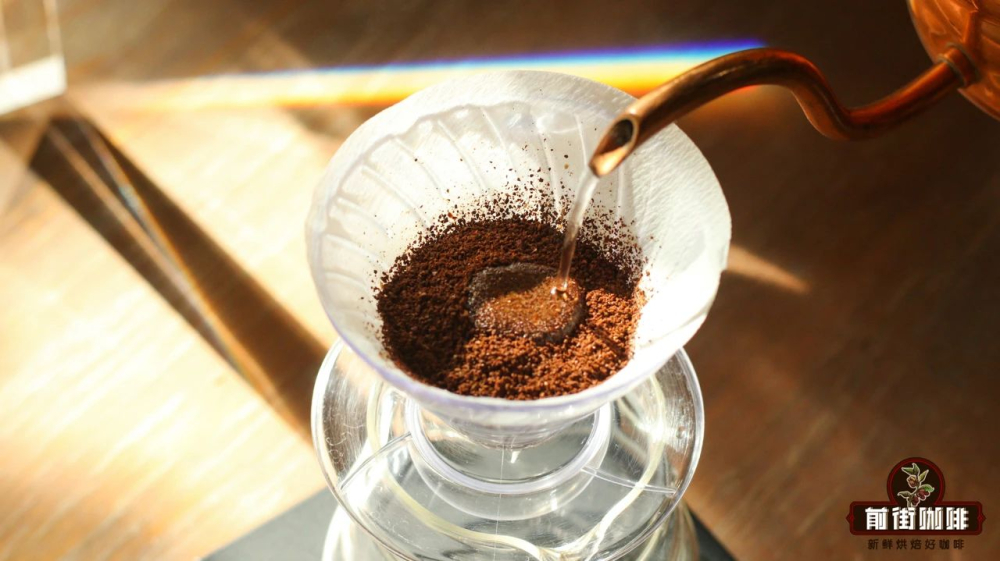
In actual brewing practice, it is recommended to use a V60 #01 dripper with a 1:16 coffee-to-water ratio (15 grams of coffee to 240 milliliters of water), controlling the extraction rhythm through three-stage pouring: an initial 30 grams of water for a 30-second bloom to activate the coffee grounds, then maintaining 91°C water temperature with a grind the size of fine granulated sugar (about 78% passing a No. 20 sieve), pouring in stages to 130 grams in the first phase, and when the water level drops to the surface of the coffee bed, continuing to the target water amount. The total extraction time should be controlled at around 2 minutes 08 seconds to maximally present bright citrus tonality and honey sweetness.
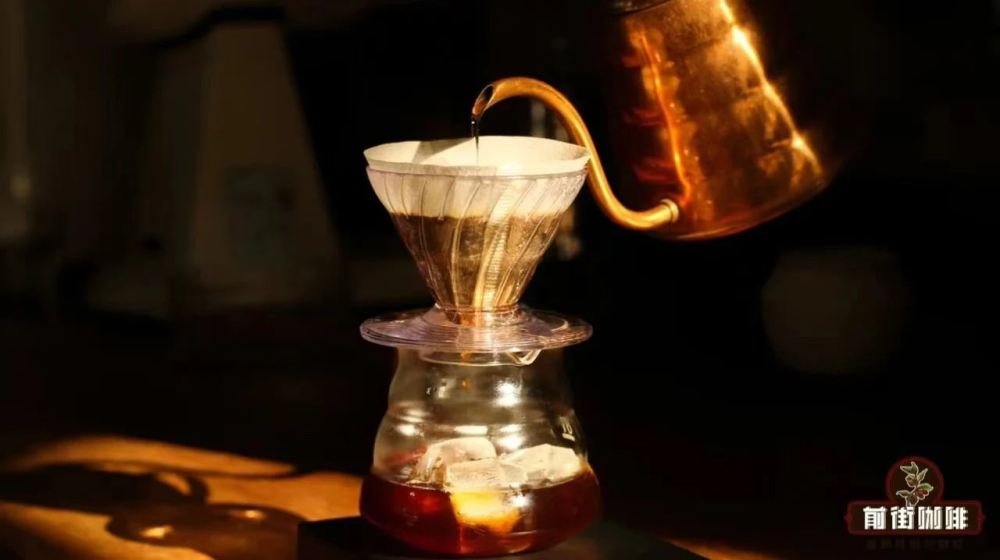
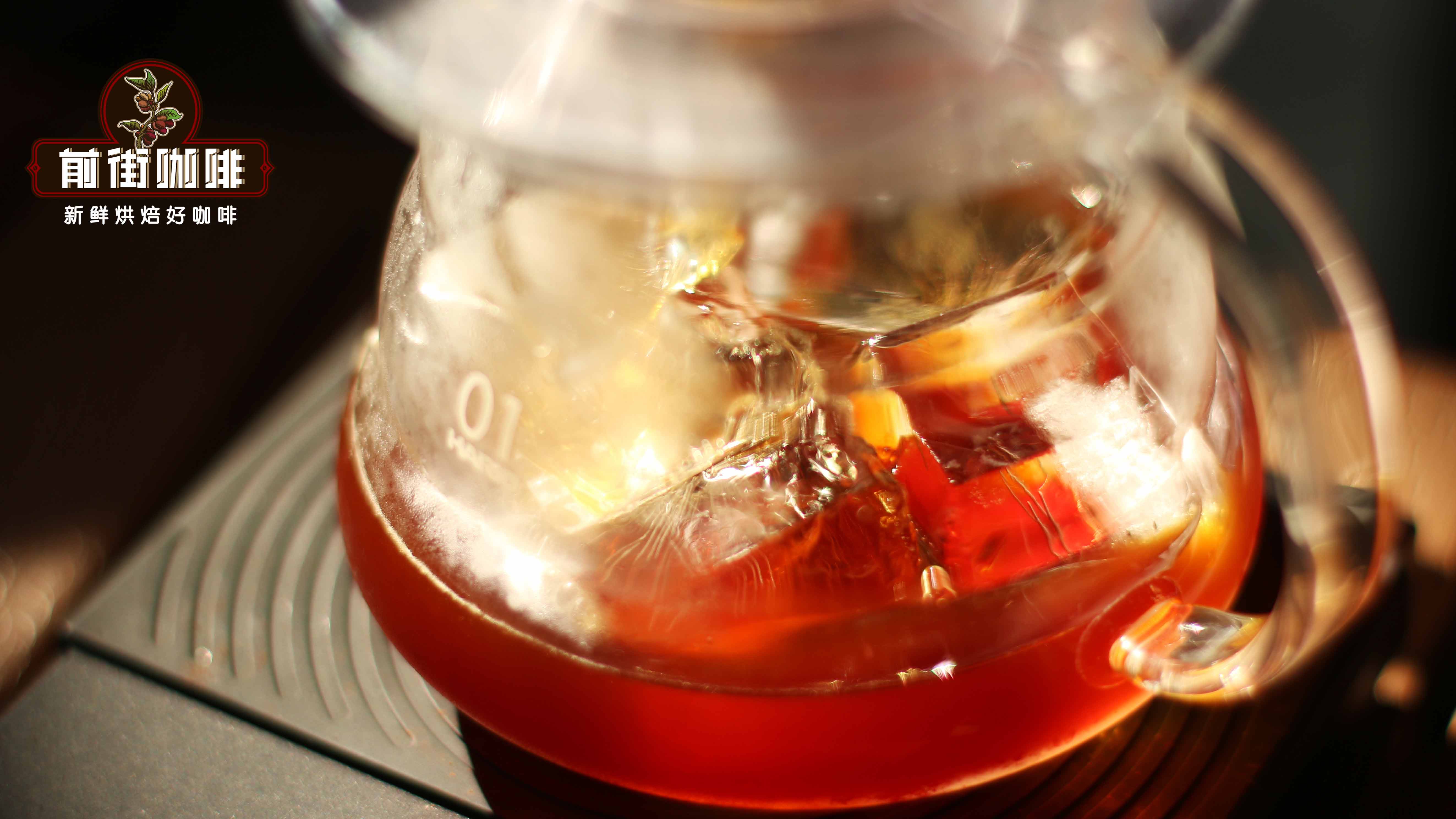
For consumers who prefer a cold-drink experience, an improved iced pour-over method is recommended: use a Hario V60 dripper with a combination of 15 grams of coffee + 150 grams of 92°C hot water + 75 grams of ice, using a center-outward radial pouring technique. After the first stage of 30 grams of hot water for blooming, the second stage of 60 grams of water flow should be controlled to avoid excessive expansion of the coffee bed, and the final stage completes extraction with a slow flow of 3 ml/s. This technique strengthens high-sweetness fruit flavors such as pomelo and yellow peach, and with the dilution effect produced by melting ice crystals, forms a refreshing mouthfeel similar to freshly squeezed juice, while the finish retains a tea-like sweet aftertaste.
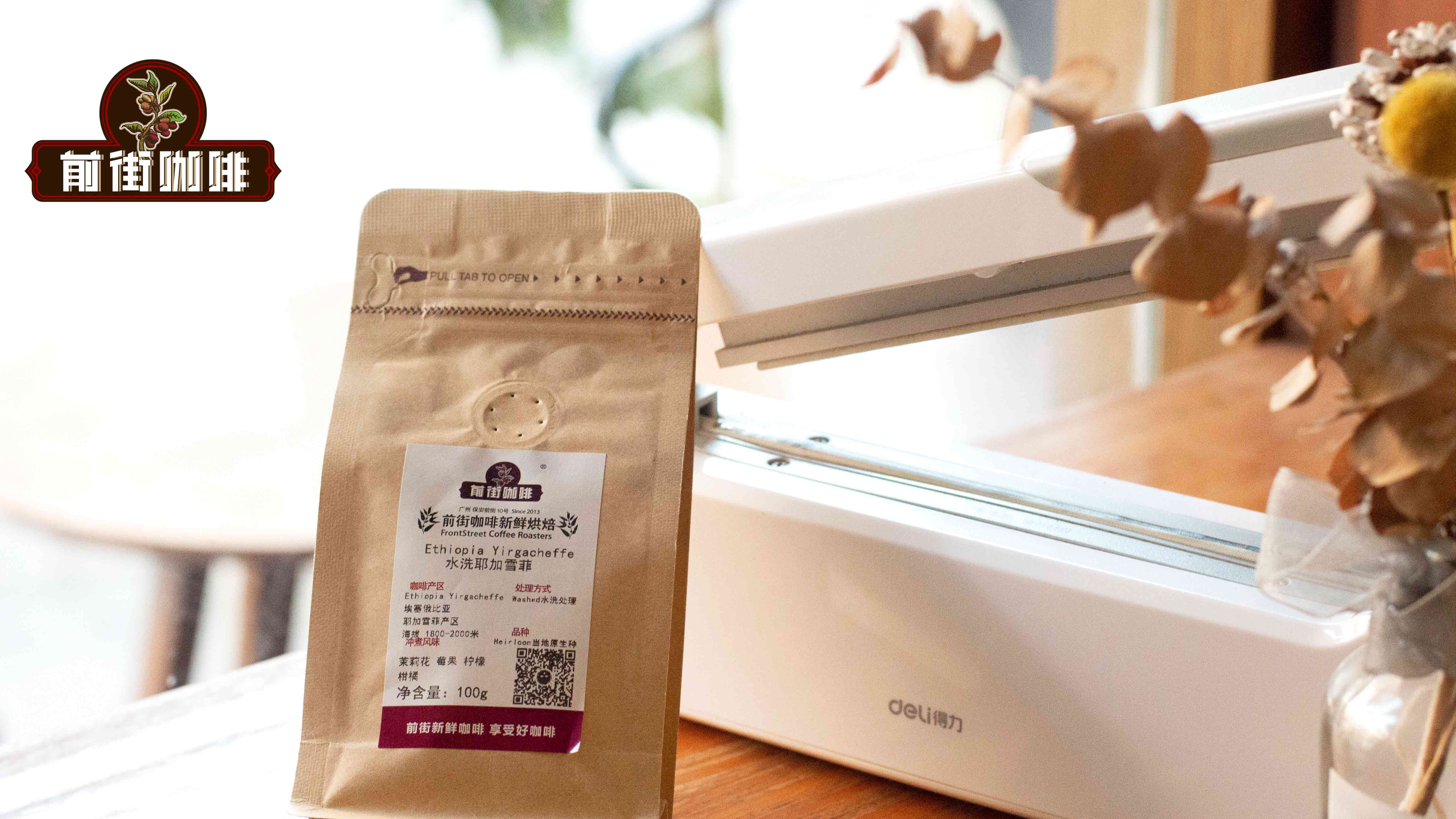
Professional roasters suggest that the best tasting period for washed Yirgacheffe is within 7-21 days after roasting, when floral-fruity aromatic compounds and acidic compounds are in optimal balance. For storage, use one-way valve foil bags and keep them away from light at 18-22°C. When obvious astringency or tannic acidity appears during brewing, flavor can be corrected by slightly adjusting the grind (to 80% passing rate) or extending the bloom time (to 45 seconds).
The cold extraction variation is especially suitable for summer drinking: adjust the grind to EK43s setting 9 (equivalent to medium-coarse grind), use a pre-infusion stage with a small amount of hot water to soften the coffee grounds, then add ice-water mixture in stages. This method can reduce caffeine release by about 15% while enhancing the expressiveness of berry flavors. Whether choosing hot pour-over or cold extraction, maintaining stable water quality parameters (recommended TDS value 75-125 ppm) has a decisive impact on flavor fidelity.
Notably, brewing parameters need to be adjusted accordingly in regions of different altitudes: in highland areas, it is recommended to raise the water temperature by 1-2°C to compensate for the lower boiling point, while coastal cities should pay attention to the effect of water hardness on acidity. For first-time Yirgacheffe users, start with a slightly stronger 1:15 coffee-to-water ratio to adapt, then gradually adjust to the ideal flavor balance point. Regularly cleaning brewing equipment (deep cleaning recommended every 5 uses) can effectively prevent old oils from interfering with the flavor performance of fresh beans.
Advanced enthusiasts can try comparative experiments: brew the same batch of beans separately with a V60, Kalita Wave, and flat-bottom dripper to observe the effects of different filters on flow rate and flavor extraction. Data shows that conical drippers better highlight high-toned citrus flavors, while flat-bottom drippers favor the presentation of a full-bodied base. This practice not only deepens understanding of coffee processing methods but also helps build a personalized brewing database.
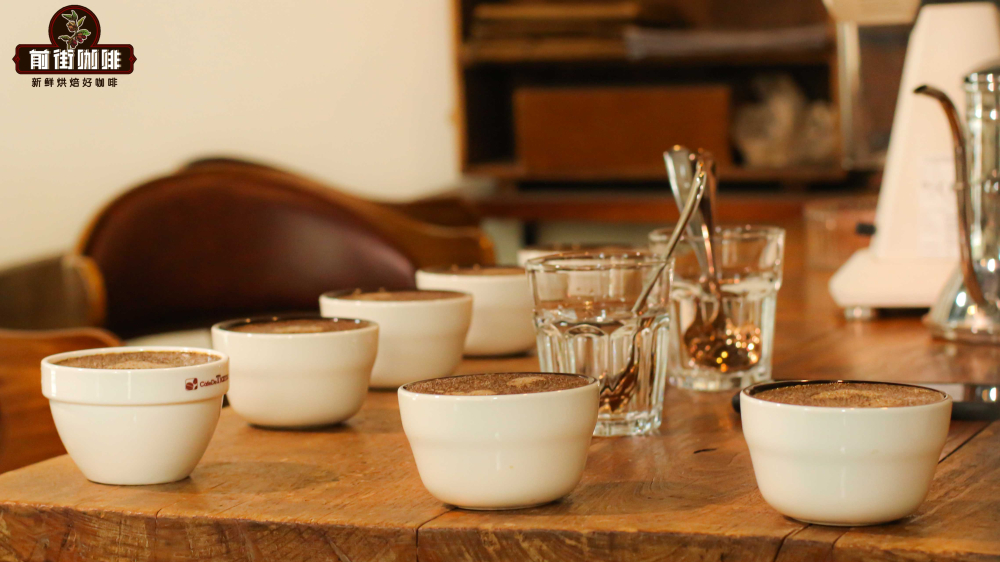
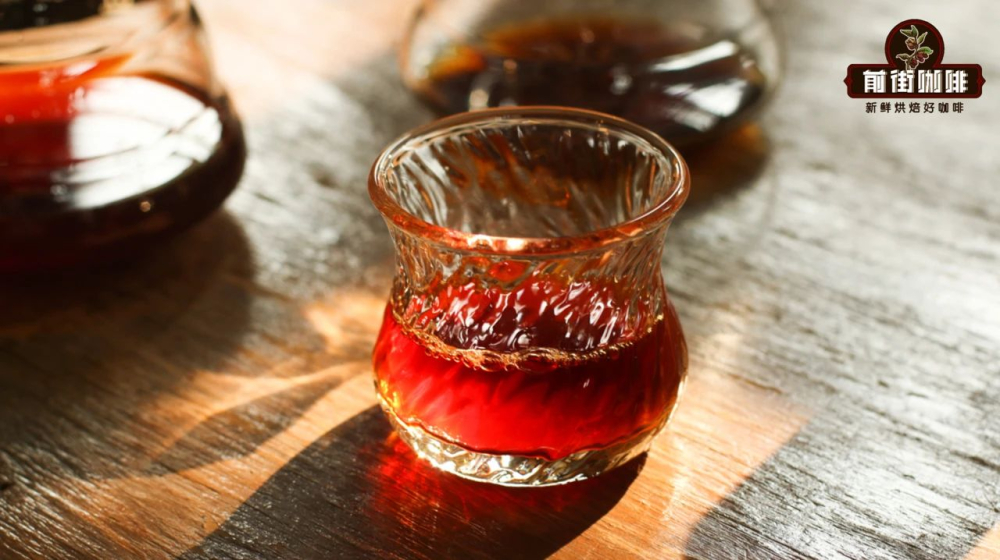
From a sensory evaluation perspective, high-quality washed Yirgacheffe under a medium-light roast should present a three-stage flavor layer: on entry, clearly perceived citrus acidity (pH 5.2-5.6); in the mid-palate, a complex aroma of jasmine and black tea unfolds; and the finish brings back a mild sweetness of honey and caramel. If sharp acidity or astringent defects appear, it is usually related to insufficient roast uniformity or excessively high brewing water temperature; in this case, check whether the development time in the roast curve meets the standard.
Finally, a reminder: after opening, coffee beans are best stored in an airtight container with food-grade desiccant, avoiding placement alongside strong-smelling items such as spices. Accelerated aging tests by professional coffee laboratories show that under ideal storage conditions, washed Yirgacheffe can maintain its flavor peak for about 45 days, but the optimal extraction window remains concentrated in days 10-18 after roasting. Master these key parameters, and you can fully unlock the charming potential of this classic African bean.