Ethiopia Adado Cooperative Specialty Coffee Guide: Flavor and Processing
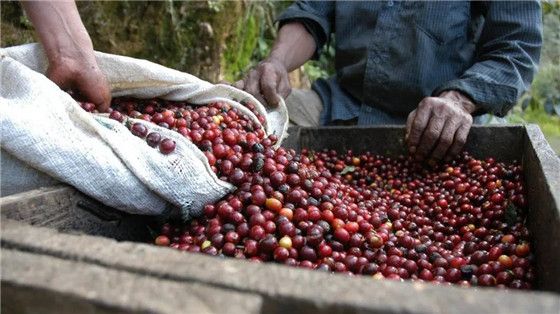
Introduction: The Adado cooperative in Ethiopia's Gedeo region is one of the origins that specialty coffee enthusiasts around the world follow closely. This article takes an in-depth look at the cooperative's representative coffee varieties, its distinctive processing methods, and their flavor characteristics, helping coffee professionals and enthusiasts better understand the terroir of this high-altitude region and grasp the key elements of selecting high-quality coffee beans.
The Gedeo region of southern Ethiopia is known for its exceptional natural environment and long history of coffee cultivation, and is one of the world's important specialty coffee origins. The Adado cooperative is located in the heart of Gedeo, and thanks to high-altitude cultivation and meticulous processing, it produces specialty coffee beans widely recognized by the market.
The Adado cooperative belongs to the Sidama Coffee Farmers Cooperative Union (SCFCU) of Ethiopia. Founded in 2001, the union is the country's second-largest coffee farmers' cooperative organization, comprising 51 cooperatives and covering more than 76,000 smallholder families. SCFCU members mainly grow coffee at low density under the shade of native trees and enset (false banana), an environment that not only protects the ecology but also gives the coffee a distinctive regional flavor.
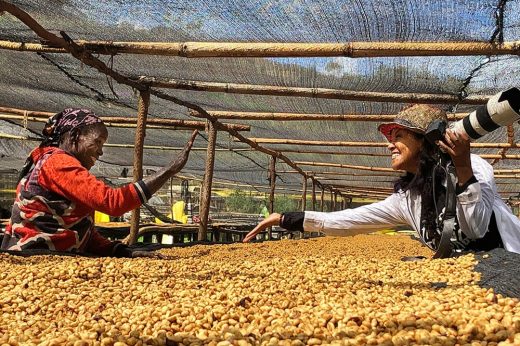
In terms of processing, coffees from the Sidama region are diverse and layered. Washed Sidama coffees typically show bright acidity with fresh fruit notes such as red berries, blueberries, and lemon; some coffees from higher-altitude areas display refined bergamot and lemon flavors reminiscent of Yirgacheffe, with a crisp and richly layered mouthfeel. Naturally dried (sun-dried) coffees, by contrast, often carry intense berry, honey, and cocoa aromas with pronounced vinous notes, a full body, and a long finish.
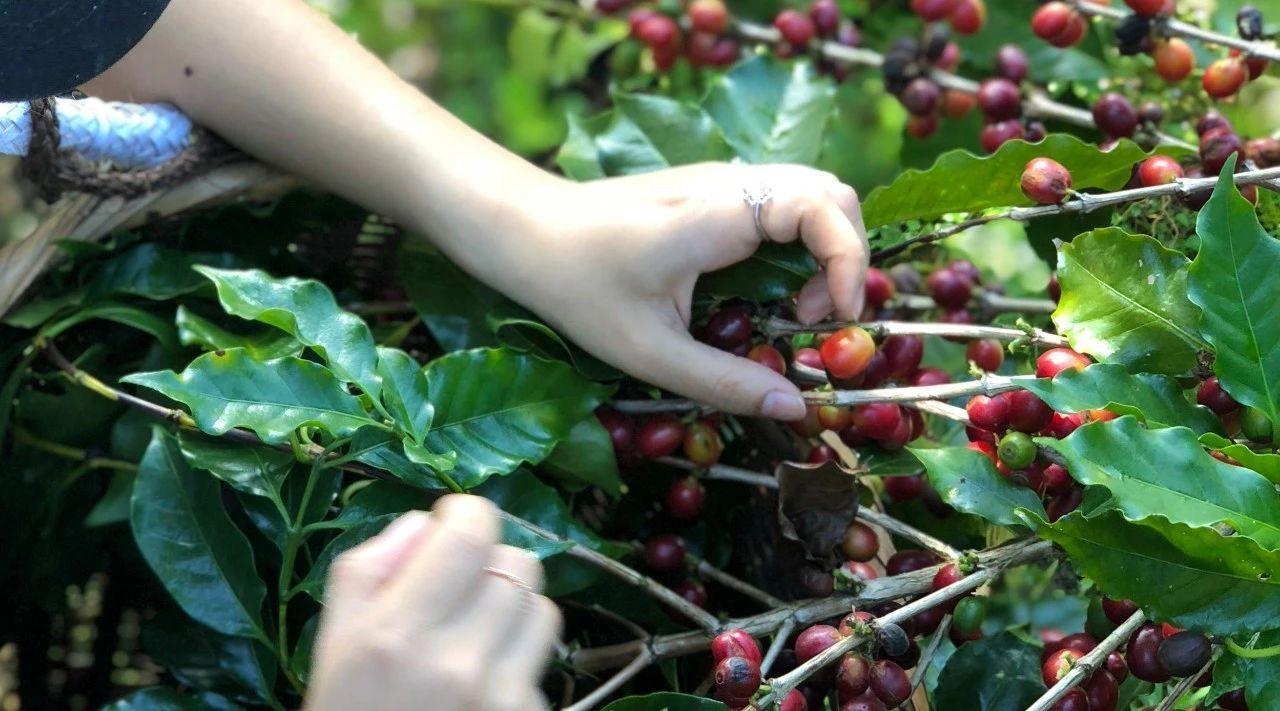
The Adado cooperative sits at altitudes of 2,000 to 2,400 meters, a height that provides ideal conditions for coffee growth, helping the fruit mature slowly and accumulate more flavor compounds while enhancing the coffee's complexity and sweetness. The cooperative has about 1,250 members, and its coffee gardens are spread widely across lush mountainous terrain. Traditional farming interplants coffee with enset, a model that maintains soil fertility while providing good shade and a favorable microclimate for the coffee trees.
The naturally processed coffee from the Adado cooperative stands out particularly in its flavor: the dry aroma often carries the sweet scent of dark berries such as blueberry and purple grape, accompanied by moderate chocolate and honey notes; on the palate, the fruit is intense and clearly layered, commonly showing complex flavors of stone fruit, citrus, and strawberry; fermentation is well controlled, often presenting a slight blueberry wine note that makes the overall mouthfeel rounder and fuller. As the coffee cools, lemon, vanilla cream, and delicate floral notes gradually emerge, giving the drinking experience more layers and a longer finish.
The cooperatives under SCFCU have long been dedicated to the production and export of specialty coffee, with more than 95% of their beans washed, ensuring cleanliness and bright acidity. Since 2003, the union has held international Fairtrade certification, which not only provides farmers with more stable income security but also promotes direct connections with high-end international markets, allowing quality coffees from the Gedeo and Sidama regions to reach the cups of coffee lovers worldwide.
For consumers who want to learn more about or purchase Adado cooperative coffee, paying attention to origin altitude, processing method, and flavor description is key. Generally speaking, high-altitude coffees tend to have brighter acidity and more pronounced sweetness, while natural processing suits drinkers who prefer intense fruit and vinous flavors. In addition, observing the uniformity, color, and defect rate of the green beans can give a preliminary indication of the coffee's overall quality.