Ethiopia Adors Washed vs Anaerobic Natural: Pour-Over Flavor Differences

Introduction: Ethiopian Adors coffee displays markedly different flavor profiles depending on region and processing method. This article provides an in-depth analysis of the key parameters, flavor layers, and brewing performance of the washed G1 and anaerobic natural versions of Adors from the Yirgacheffe region. By comparing the fermentation principles and flavor directions of these two mainstream processing methods, it helps coffee enthusiasts precisely select beans suited to their personal taste and master the key points of tasting coffees processed by different methods.
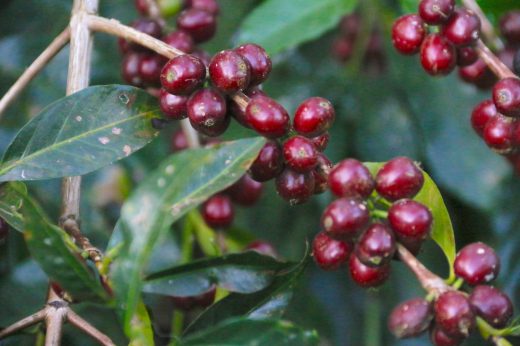
Ethiopian coffee is globally renowned for its signature citrus notes, but inconsistent processing standards in the past led to quality fluctuations that often deterred consumers. Today, with the refinement of the specialty coffee system, the Adors processing station in the Yirgacheffe region stands out for its consistent processing techniques, and its washed and anaerobic natural beans have become typical samples for exploring Ethiopian terroir.
The Adors processing station belongs to the export company Testi Coffee, which has continuously optimized its production processes since its founding in 2009. Its four washing stations across four major regions, including Guji and Yirgacheffe, form a quality assurance network. The Adors site scored 91 points in the 2019 Ethiopia TOH Cup of Excellence competition, 3 points higher than the runner-up in the same competition the following year, confirming its processing standards.
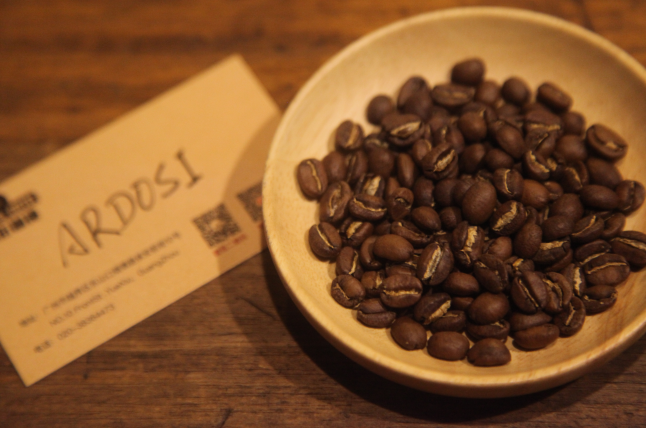
The anaerobic natural version of Adors employs an innovative fermentation technique: whole coffee cherries are placed in sealed containers or water-controlled environments, where targeted microbial communities accelerate sugar conversion. This process requires strict monitoring of temperature (typically maintained at 20-25°C) and oxygen exclusion, with a fermentation period of about 5-7 days, followed by 15-20 days of sun drying to reduce moisture to 11-12%. The intense flavors of rum chocolate and jackfruit produced in this way originate from esters generated during fermentation, and the acidity takes on a soft, creamy texture.

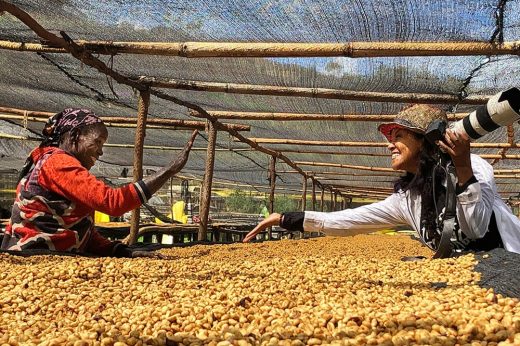
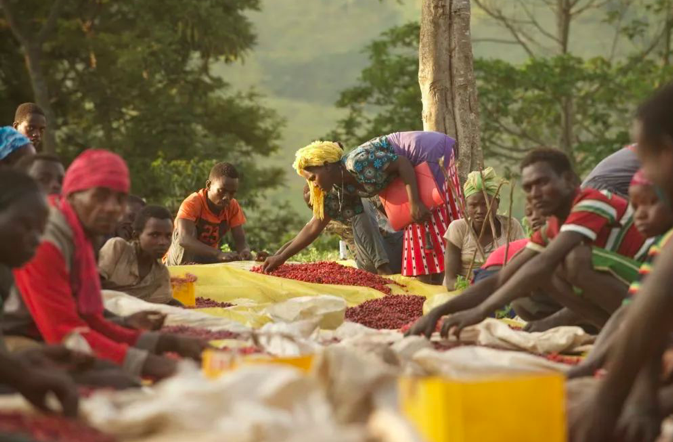
Traditional natural processing relies more on natural conditions—after harvesting, the coffee cherries are floated to remove defects, then spread directly on raised drying beds and turned 3-4 times a day to ensure even drying. The whole process takes about 21-30 days, with the final moisture content precisely controlled at 11.5%-12.5%. This method fully preserves the floral and fruity aromas of the mucilage layer, but care must be taken that over-drying can lead to woody off-flavors; professional processing stations adjust light intensity with shade nets.
The washed Adors G1 presents a completely different, fresh style: the highland environment at 1,980-2,350 meters gives the beans a dense, compact structure. Through four stages—depulping, fermentation (36-48 hours), flotation in washing channels, and drying on raised beds (10-14 days)—the grade rating reaches Ethiopia's highest G1 standard. Its flavor matrix is centered on white florals and lemon zest, accompanied by bright citrus notes and a balanced sucrose sweetness; the acidity is lively but not sharp, suiting brewers who prefer a crisp profile.
In actual tasting, the anaerobic natural version is best brewed with water at 92-94°C and a medium-coarse grind (68-72% passing a Chinese standard No. 20 sieve), extending the bloom to 45 seconds to unlock the layers of wine-like aroma; the washed beans suit 90-92°C water and a fine grind (78-82% passing the same sieve), highlighting the explosive power of citrus fruits. A V60 dripper is recommended for both to enhance water flow penetration, but the anaerobic version can be ground slightly coarser to avoid bitterness from over-extraction.