What Is the Best Water Temperature for Pour-Over Coffee? A Guide to Brewing Parameters and Flavor Control
Introduction: Mastering the water temperature and extraction parameters of pour-over coffee is key to improving coffee flavor. This article explains in detail the ideal water temperature ranges for coffee beans of different roast levels, from light roast to dark roast brewing strategies, reveals the difference between actual extraction temperature and set water temperature, and provides practical tips to help you precisely control flavor in everyday brewing and brew a layered, rich cup of coffee.
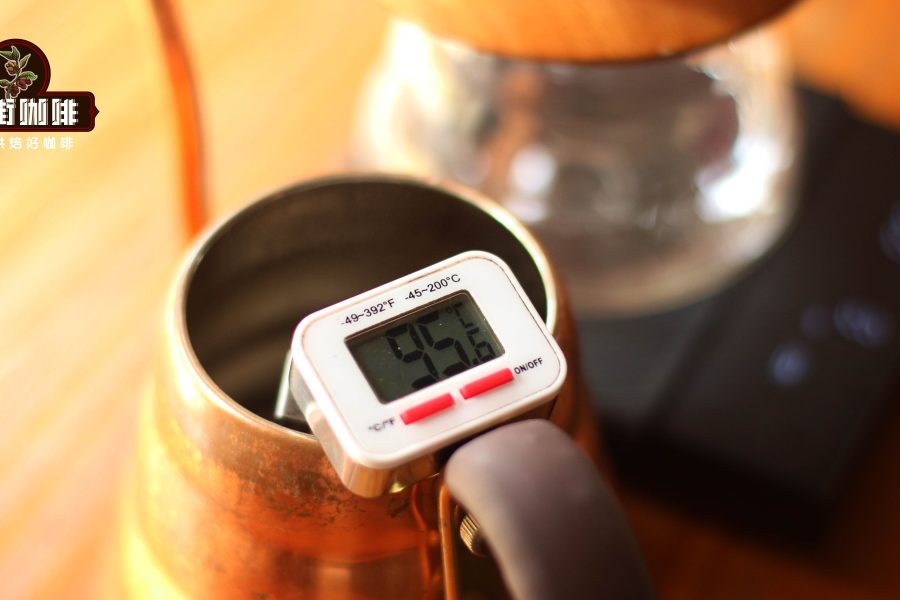
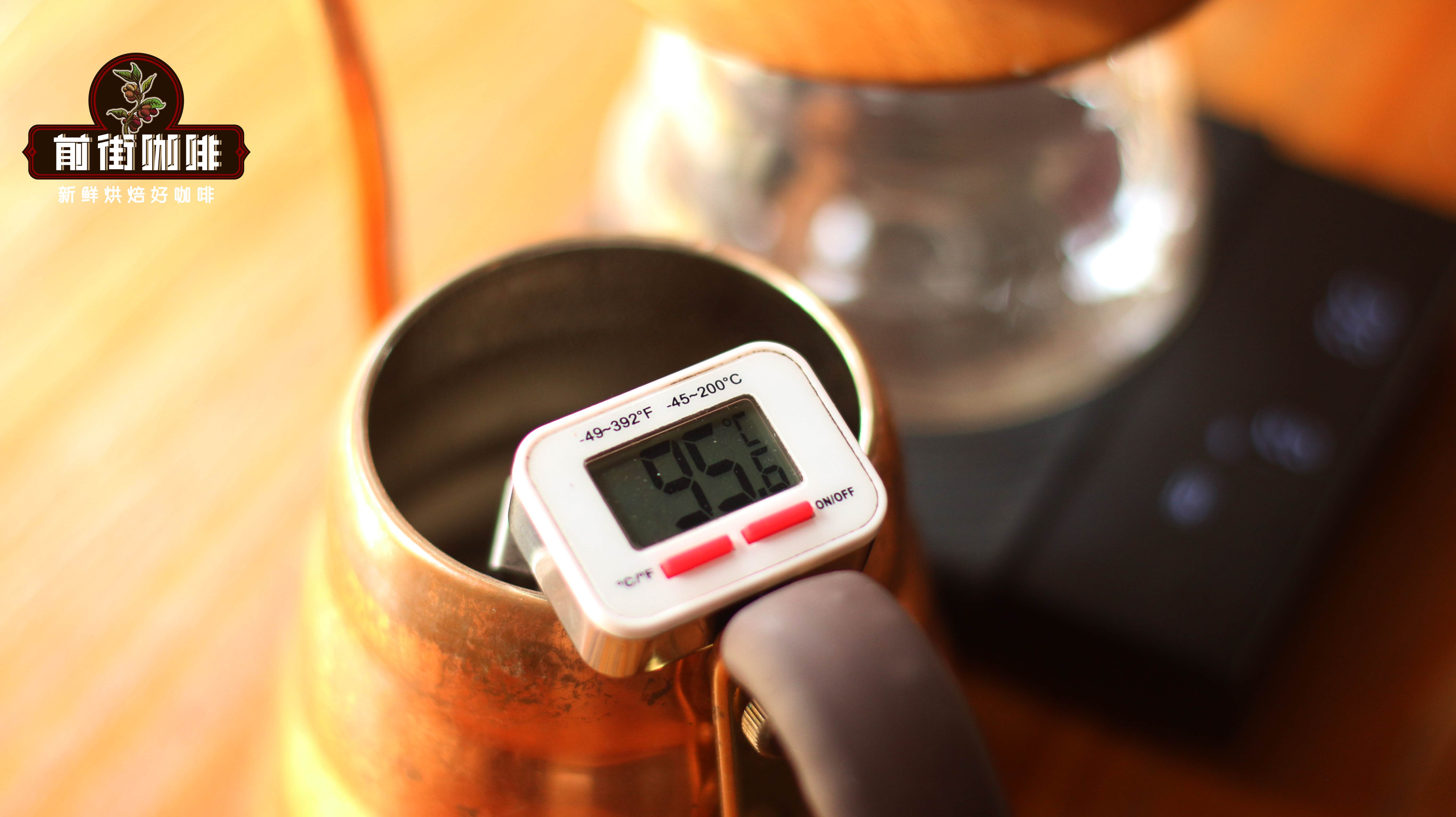
What temperature should the water for pour-over coffee be set to? Generally speaking, 86°C-93°C is the most common recommended range, but the specific temperature choice depends on the roast level of the coffee beans. Light-roasted coffee usually requires a higher water temperature to fully bring out floral and fruity aromas, while dark-roasted coffee suits a slightly lower temperature to avoid the burnt-bitter flavors caused by over-extraction.
A customer once tasted a pour-over coffee and accurately named the coffee beans based on taste alone. Further conversation revealed that he also likes to brew at home, and had once brewed an extremely similar flavor with the same beans. He shared that he had tried water temperatures of 90-94°C, but felt the flavor was best at 93°C, almost identical to the coffee being shared at that moment. However, the actual water temperature of that shared coffee was 90°C!
This case shows that brewing parameter settings are not fixed and unchanging, but need to be adjusted according to the characteristics of the coffee beans themselves. Water temperature has a significant effect on extraction efficiency: the higher the temperature, the more fully substances in the coffee are released, and the higher the concentration. Therefore, reasonably adjusting the water temperature according to beans of different roast levels is key to achieving the ideal flavor.
For coffee beans of medium-dark to dark roast, because caramelization reactions are more complete, large-molecule burnt-bitter substances are easily released, so it is recommended to extract with a lower water temperature of 86–88°C. This preserves a full-bodied mouthfeel while avoiding excessive off-flavors. For example, some classic dark-roast bean varieties are suitable for brewing in this temperature range.

Conversely, light-roasted coffee beans, because of the shorter roasting time and harder bean texture, have flavors dominated by floral and fruity acidity, and require a higher water temperature to fully bring out these delicate flavors. It is usually recommended to use hot water at 91–93°C to help draw out bright acidity and rich aroma layers, especially suitable for single-origin beans with distinctive flavors.
It should be noted that even when using different brewing parameters, including a reasonable combination of grind size and water temperature, similar flavors can sometimes be brewed. But can adjusting only the water temperature achieve a similar effect? The answer is yes, but it requires a deeper understanding of the relationship between water temperature and actual extraction temperature.
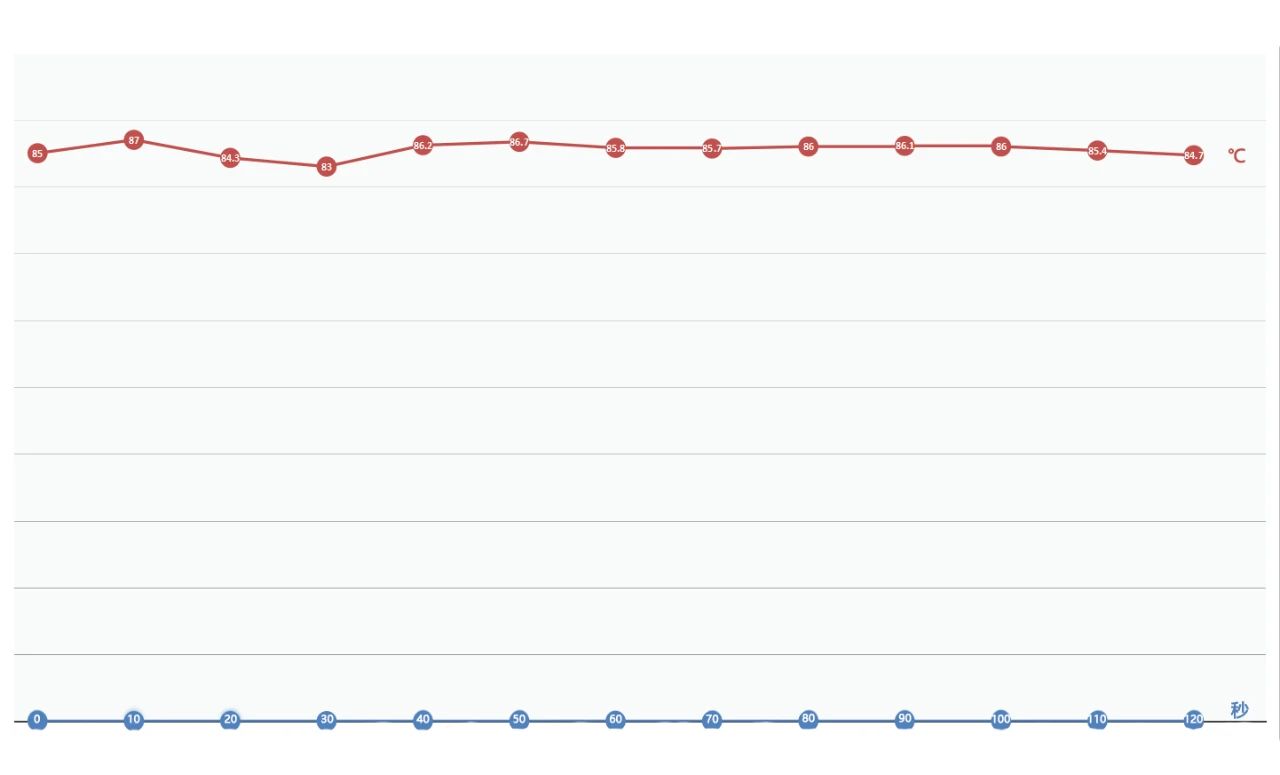
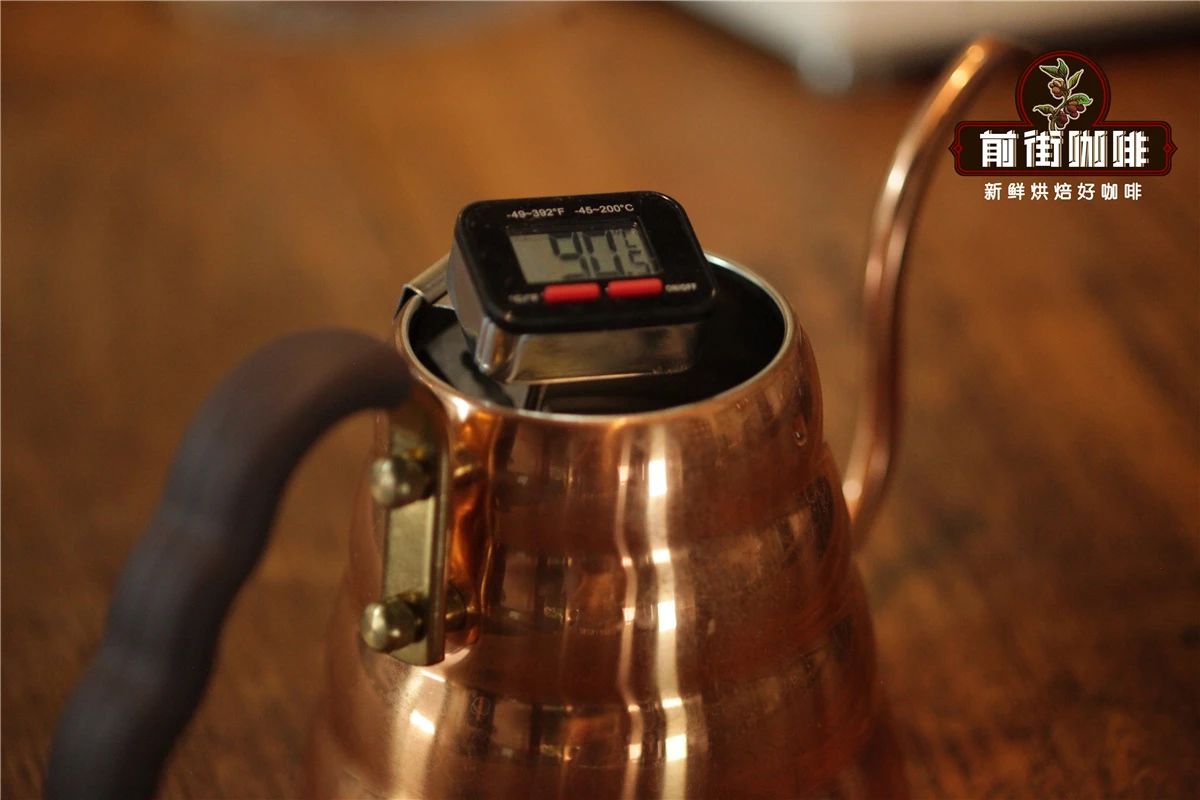
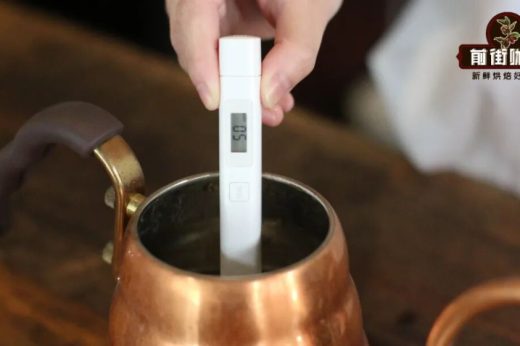
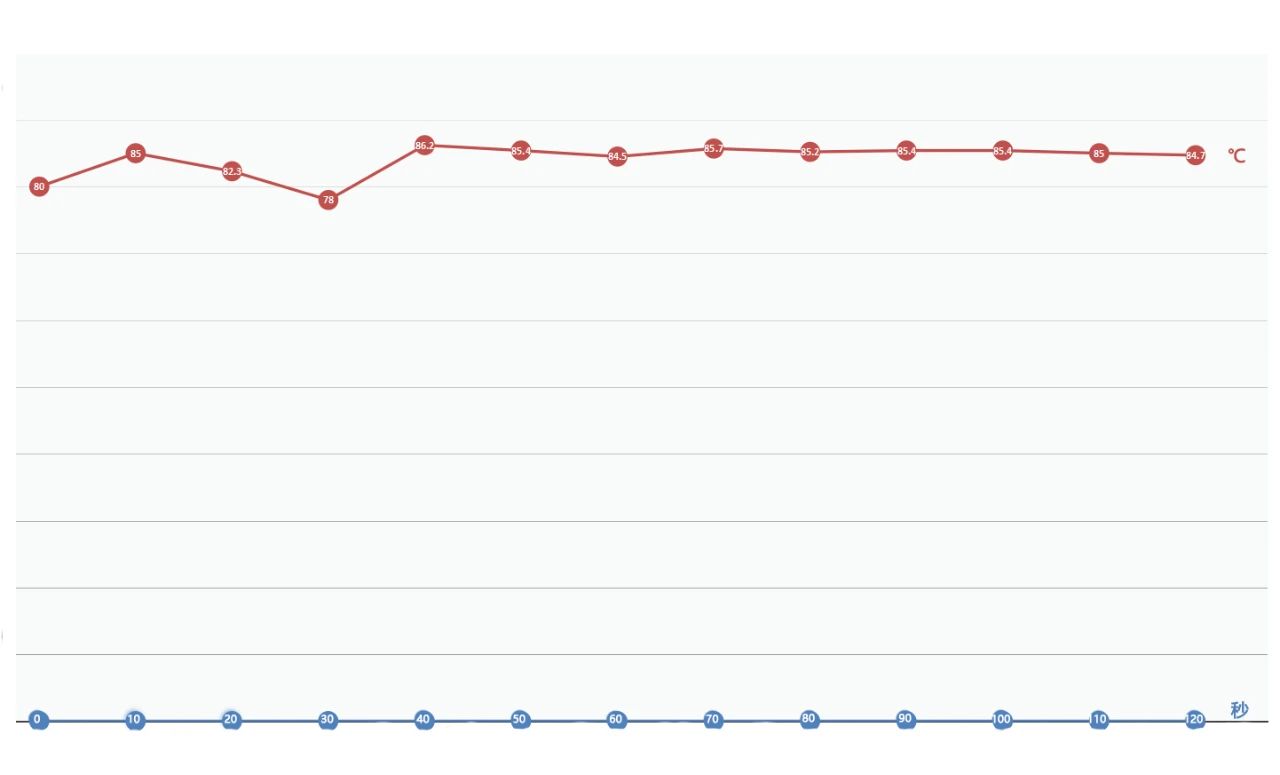
What we usually call brewing water temperature actually refers to the initial temperature of the water in the pour-over kettle. For example, setting it to 91°C does not mean the water temperature contacting the coffee grounds is 91°C. Actual tests show that after hot water contacts the coffee grounds, the temperature drops somewhat. Through experiments, we found that with an initial water temperature of 90°C, the temperature of the coffee bed reached a maximum of 85°C during the blooming stage, then gradually dropped to 78°C, and the subsequent extraction temperature stabilized between 84.5-86°C.
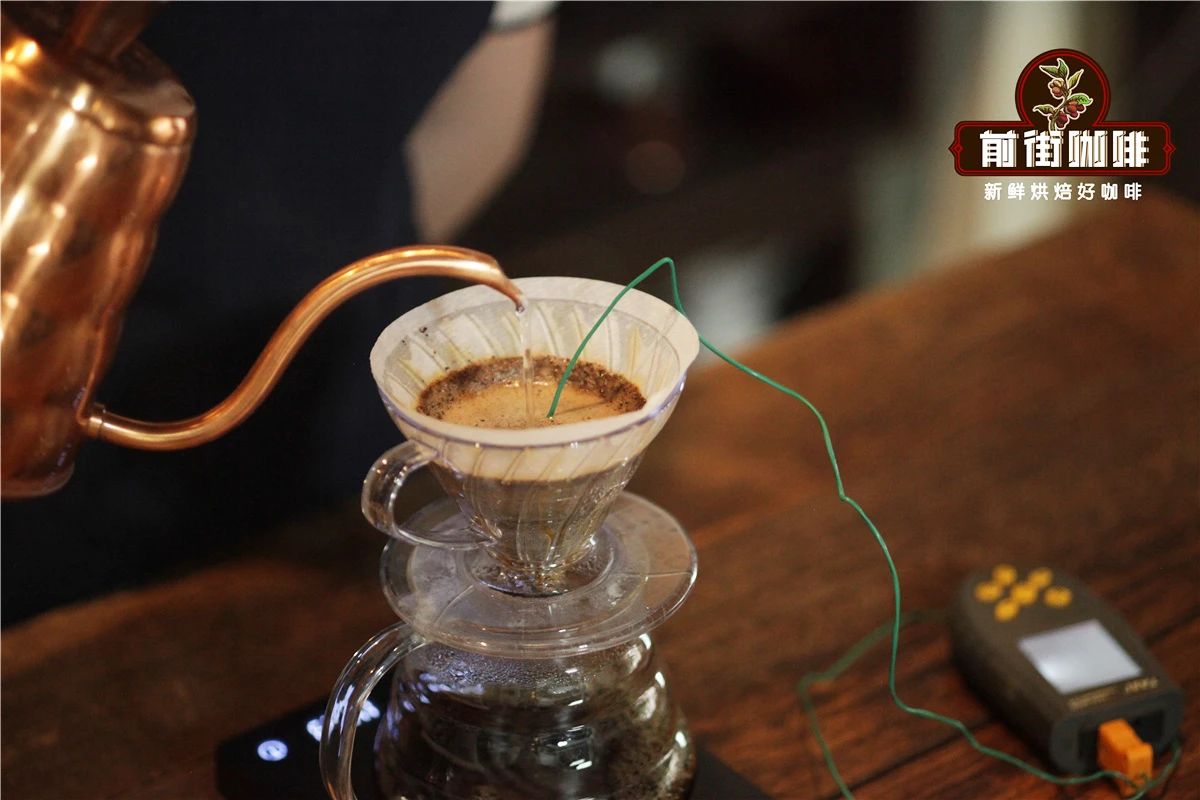
Similarly, with an initial water temperature of 93°C, the coffee bed temperature reached 86.3°C in the early blooming stage, then stabilized at 85-88°C during extraction, with a maximum of 88°C. Comparing the two sets of data, we can see that although the initial water temperatures differ by 3°C, the difference in actual extraction temperature narrows to 2-3°C, yet flavor differences can still be perceived by taste.
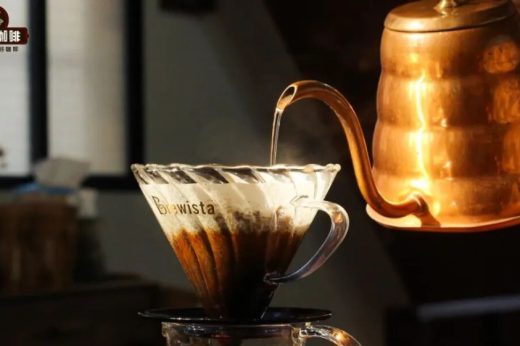
So where do those lost degrees Celsius go? They are mainly consumed by the coffee grounds absorbing heat, the dripper conducting heat, and heat loss when water contacts the air. Therefore, if you want to maintain the set water temperature as much as possible, you can try increasing the pouring speed or adjusting the pouring height.
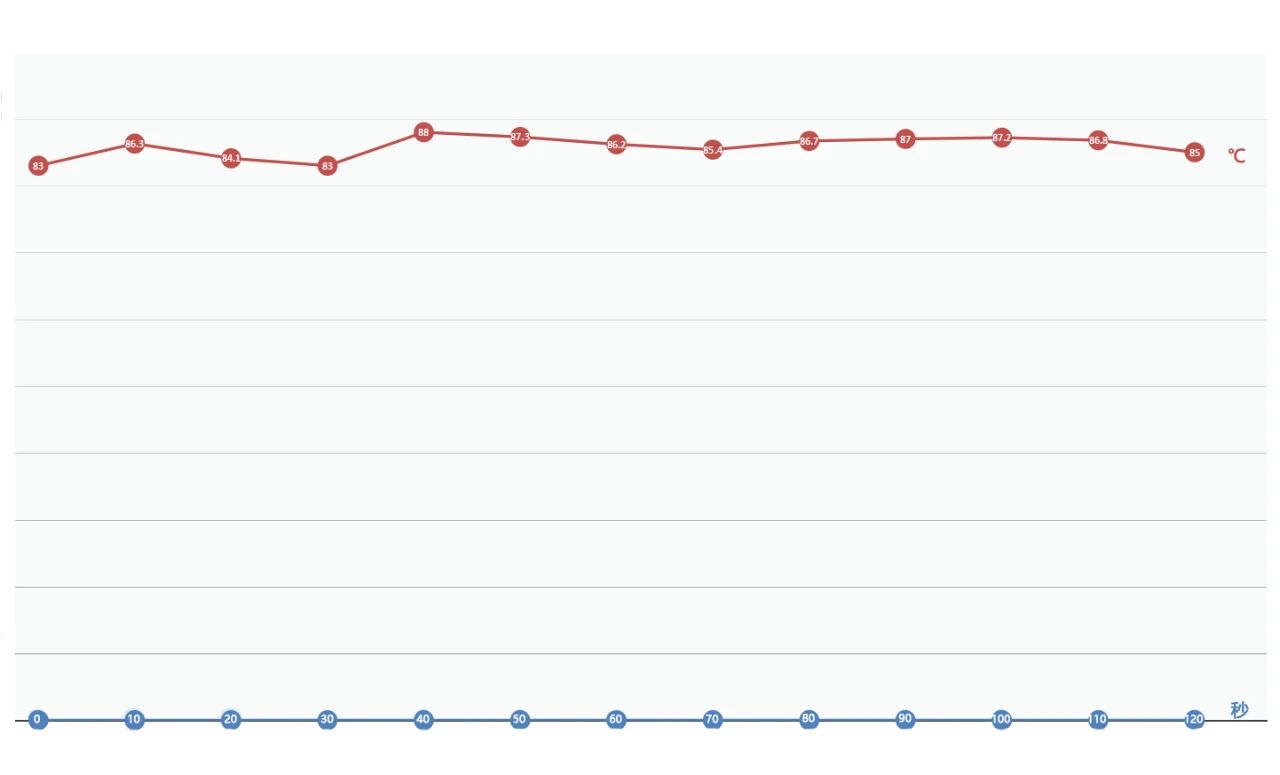
Experiments found that when the pouring height was raised from the usual 3-4cm to 7-8cm while maintaining an initial water temperature of 93°C, the coffee bed temperature reached 87°C during the blooming stage, then stabilized between 84-86.7°C. The flavor performance of this brew was closer to that of an initial water temperature of 90°C, indicating that the pouring method is equally important for temperature control.
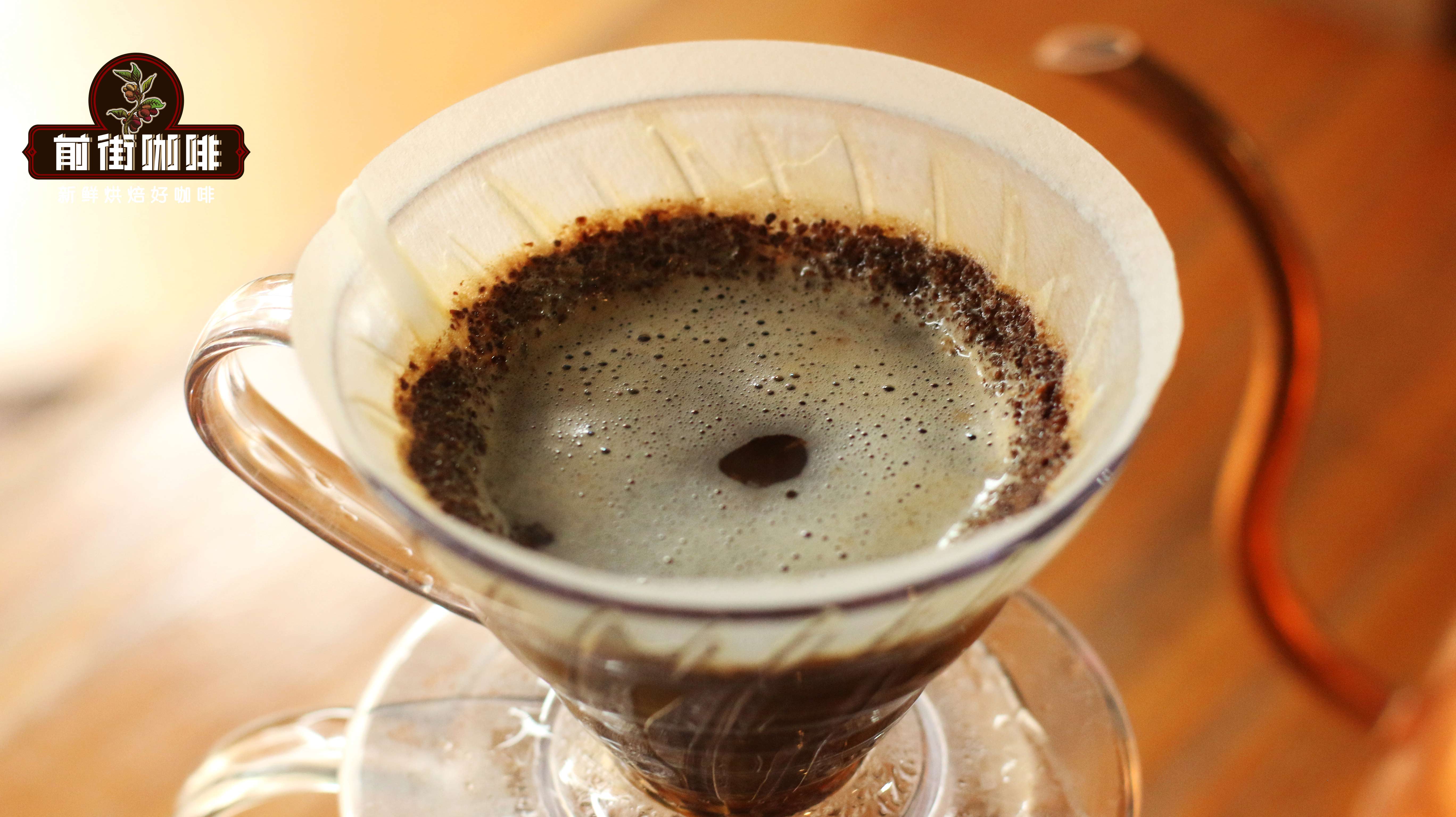
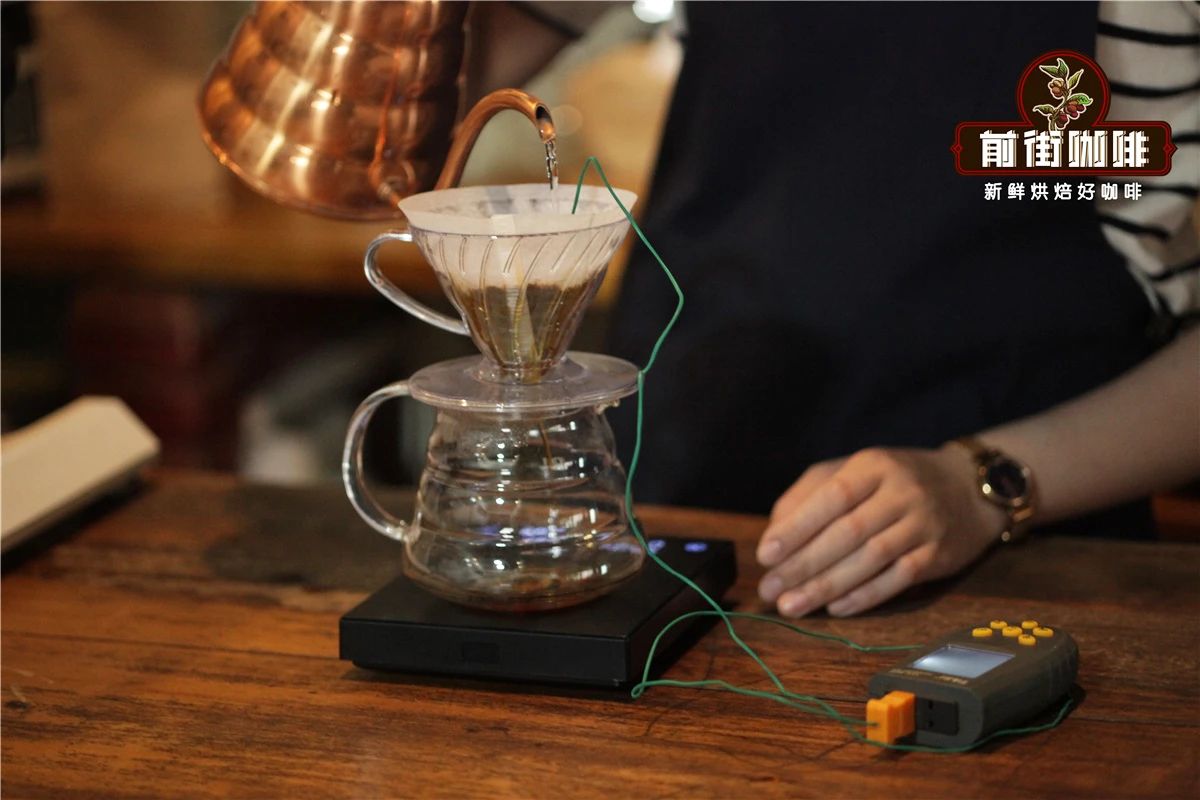
In summary, although we often use the set water temperature in the pour-over kettle as a reference, the actual extraction temperature is affected by many factors. Understanding these variables can help you adjust brewing parameters more precisely, so that whether you are pursuing bright acidity in light-roast beans or a full-bodied, low-acid dark roast, you can find the most suitable brewing plan.