Which Coffee Beans Suit Special Processing? A Guide to Better Flavor and Higher Farm Income
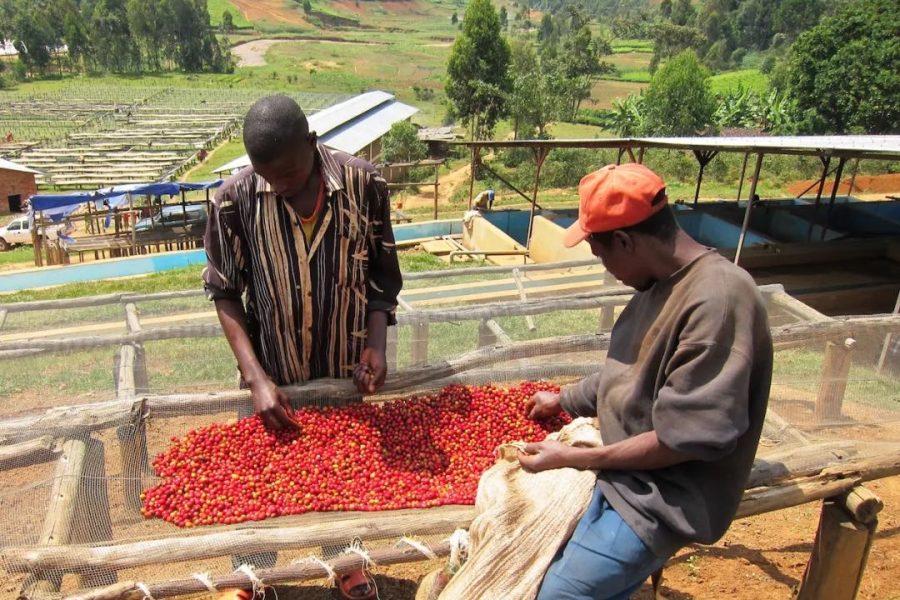
Introduction: Special processing methods are becoming a key means of flavor differentiation in specialty coffee. From anaerobic fermentation to fruit co-fermentation, these techniques not only give coffee distinctive sweetness and fruit aromas but also help producers at origin increase product premiums. This article examines which coffee varieties are better suited to special processing, how fermentation techniques affect the final flavor, and reveals practical methods by which producers achieve quality stabilization through microbial control, offering coffee enthusiasts and industry professionals a reference for selecting beans and processing methods.
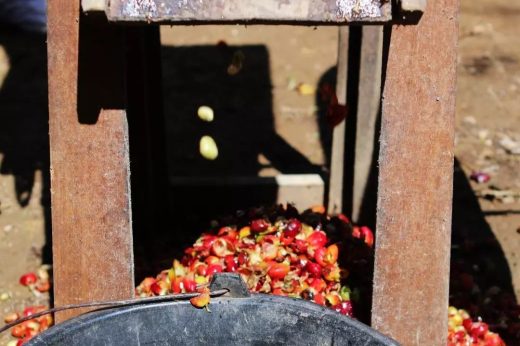
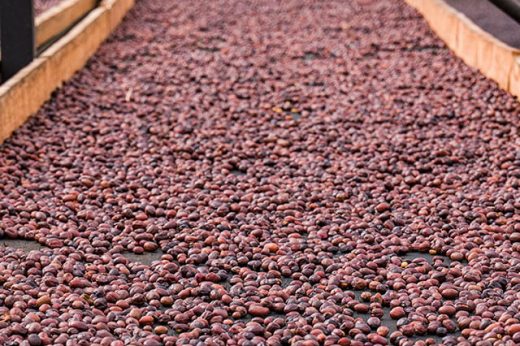
The core appeal of specialty coffee to ordinary consumers has always lain in the unique experience of taste and flavor. In recent years, the coffee processing field has drawn extensively on the anaerobic and aerobic fermentation techniques of the brewing industry; by precisely controlling microbial activity, coffee beans are made to present richer layers—from the bright acidity of tropical fruit to a honey-like finish. These innovative processing methods are redefining people's understanding of coffee.
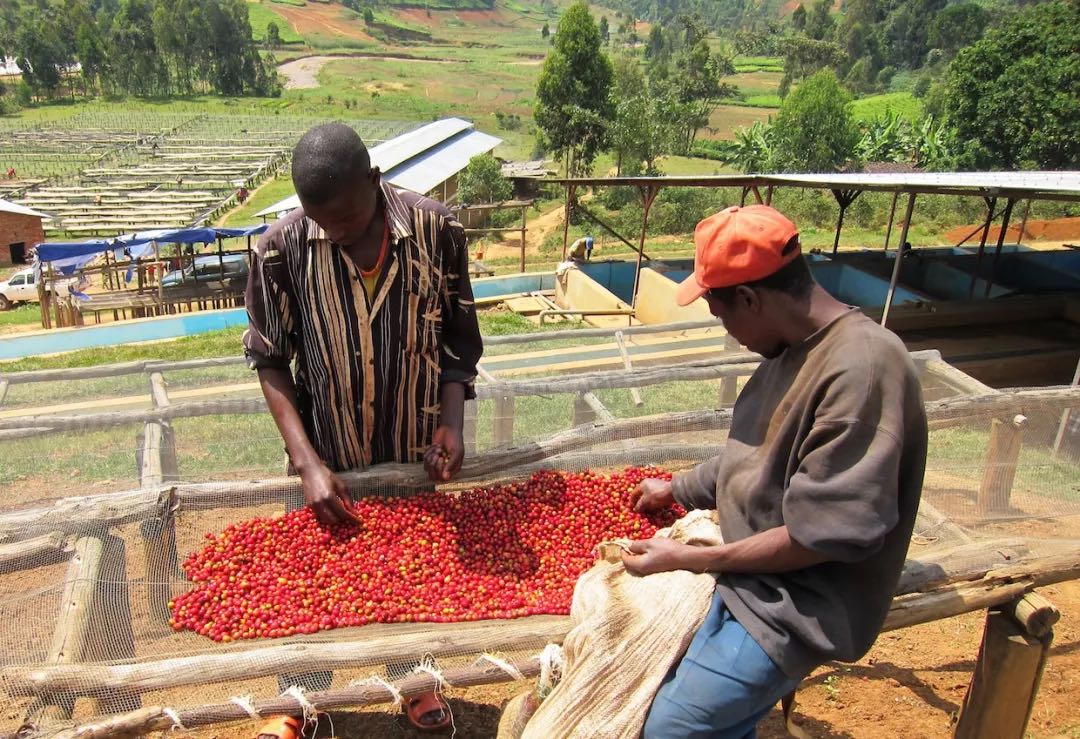
The core value of controlled fermentation technology lies in helping producers break through the limitations of traditional processing methods. By strictly managing the temperature, humidity and microbial species of the fermentation environment, it not only significantly improves cupping scores and flavor consistency but also creates additional income opportunities for growers. In the traditional supply chain, roasters often dominate the creation of product added value; when producers proactively optimize flavor through fermentation, they are able to launch more differentiated product portfolios—for example, custom flavor solutions for different customer groups who prefer intense sweetness, rich fruit aromas or delicate floral notes. Stable fermentation control also ensures that the same variety maintains a similar base across different batches, with only minor intensity variations through fine-tuning parameters; this 'flavor menu' model can effectively enhance market competitiveness.
Current consumer trends in the specialty coffee market show that buyers increasingly seek beans with distinctive flavor characteristics and high cupping scores. This demand is forcing the production side to continuously explore innovative processing methods, among which the technique of co-fermenting coffee cherries with fruit is gradually emerging. Practitioners are trying to ferment coffee fruit together with blueberries, citrus or even tropical fruits, using the natural sugars and enzymes in the fruit to stimulate the coffee beans to produce more complex aromatic compounds during fermentation. This technique both satisfies consumers' pursuit of 'novel experiences' and offers a breakthrough for differentiated competition in the small-batch premium market—publicly available internet information shows that, as the specialty coffee market's requirements for personalization and quality escalate, more and more professional producers are achieving product uniqueness by adjusting post-harvest processing workflows.
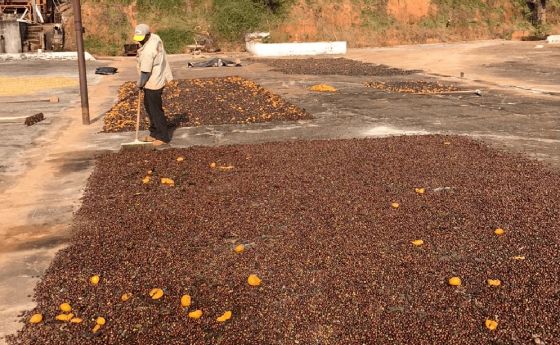
It should be noted, however, that the actual effects of fruit participation in fermentation remain scientifically disputed. Although practical observation has found that adding extra fruit does change the composition of the metabolic liquid produced during fermentation, the mechanism by which this is transferred to the coffee's final flavor is not yet fully clear. The academic community generally believes that it is more prudent to first study coffee's own fermentation patterns and then explore the influence of fruit intervention. Existing evidence is based more on empirical summary than on systematic theory, which means producers who wish to try such methods must rely on rigorous experimental design and professional guidance. It is recommended to contact agricultural research institutions and gradually test, under controlled conditions, the effects of different fruit types, ratios and fermentation durations on flavor until a replicable standardized process is formed. Only through repeated verification and optimization of details can the target flavor truly be presented consistently and quality fluctuations caused by improper operation be avoided.
For growers intending to adopt special processing methods, choosing the right coffee variety is crucial. Generally, high-density-planted Arabica varieties with thicker pulp (such as Geisha and Caturra) are better suited to complex fermentation techniques, as their cell wall structure can better retain the flavor substances produced by fermentation; some Robusta varieties, although highly disease-resistant, have a rougher flavor base and require careful assessment of processing risks. In addition, production areas above 1,500 meters in altitude, due to large day-night temperature differences, allow coffee beans to accumulate richer flavor precursors, providing a high-quality foundation for subsequent fermentation and transformation.