Yirgacheffe Gotiti G1 Washed: Pour-Over & Cold Brew Guide
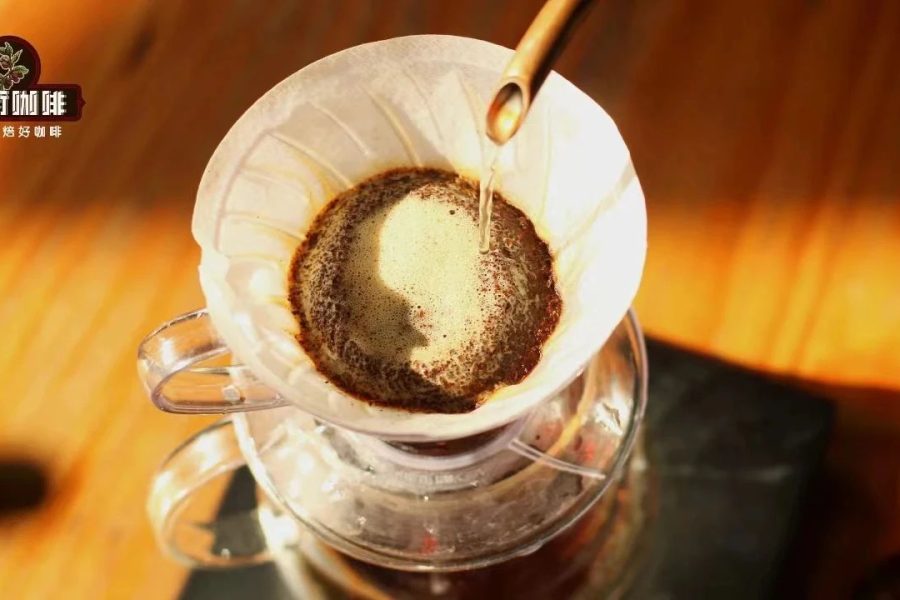
Introduction: A deep dive into the star washed G1 coffee of Ethiopia's Yirgacheffe Gotiti cooperative, from the growing region's background to processing methods, with a detailed look at this high-value everyday coffee's flavor characteristics and brewing suitability. Master the techniques for releasing flavor from medium-light roasted beans, learn how the Gotiti cooperative safeguards bean quality through its direct-trade model, and choose specialty coffee beans suited to pour-over, cold brew and other scenarios with precision.
In the specialty coffee world, "Yirgacheffe" is almost synonymous with highland terroir. This micro-region in northern Sidama Province, Ethiopia, with its unique high-altitude growing environment (averaging 1,700–2,100 meters), produces coffee beans with bright acidity and floral-fruity notes. When newcomers first encounter the name, they often mistake it for a coffee beverage—in fact, Yirgacheffe is both a geographical indication and a symbol of a flavor style.
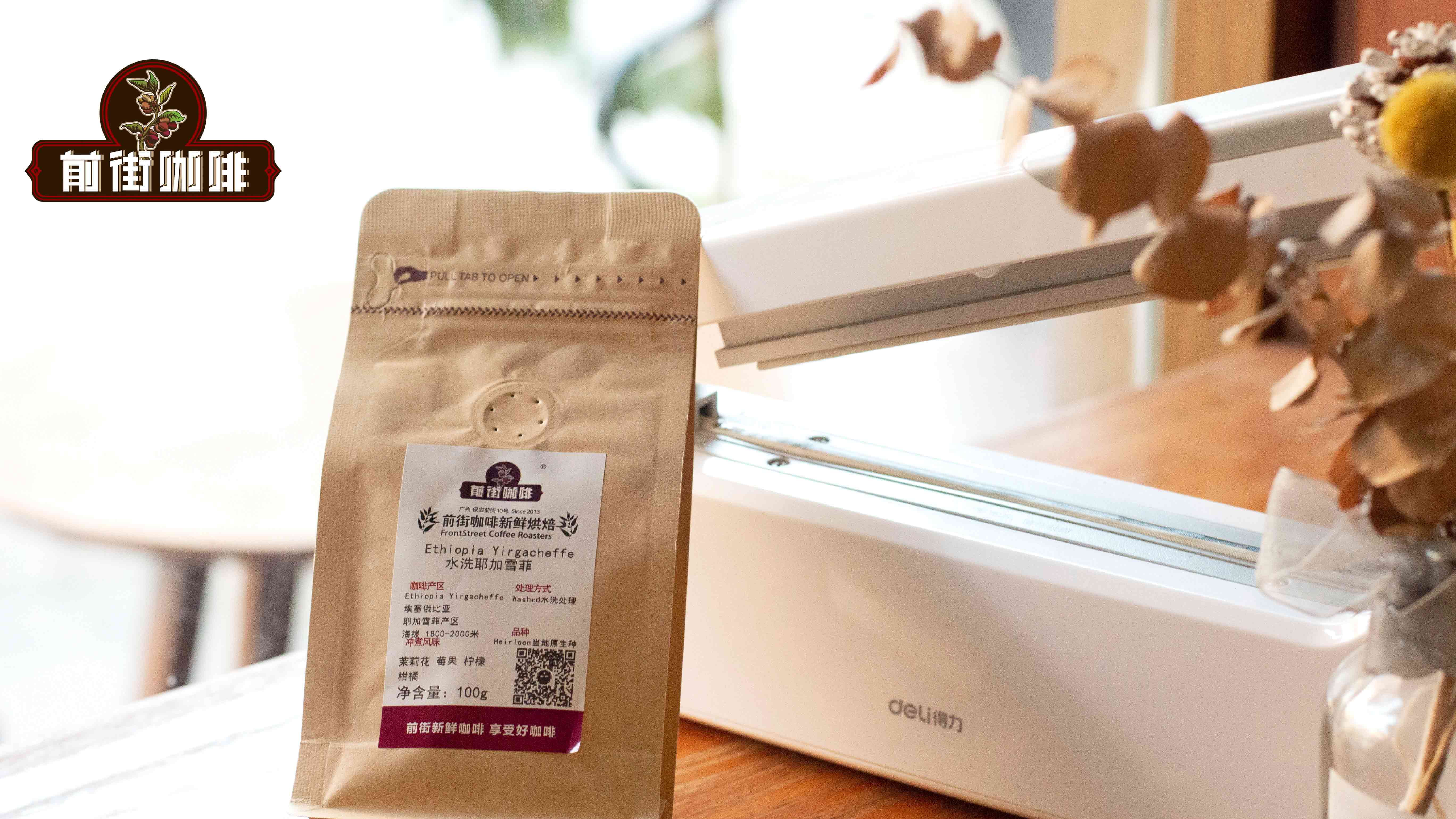
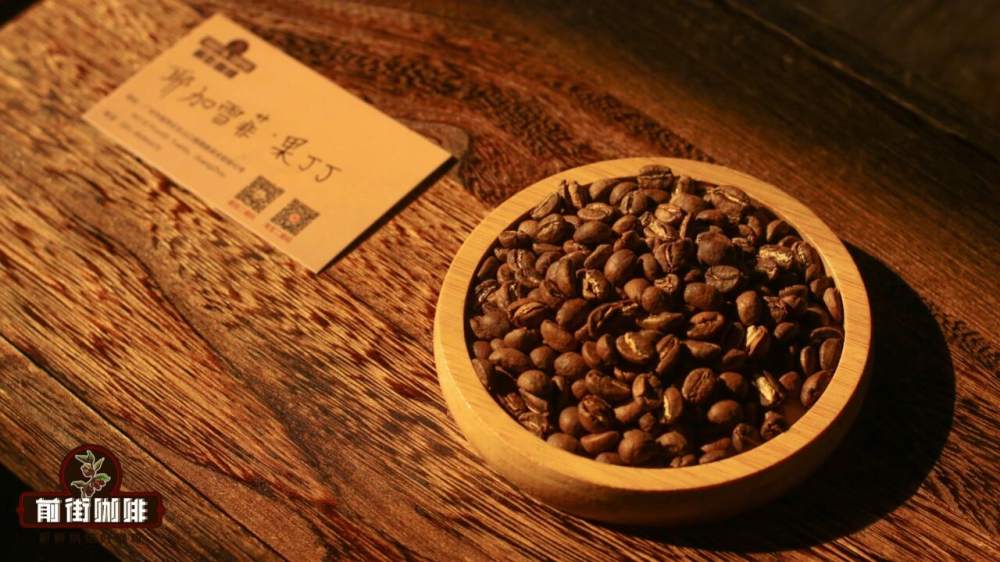
Among the many Yirgacheffe derivatives, the washed bean known as "Gotiti" is a classic entry-level option. Its core appeal: a stable specialty-grade experience at an affordable price. The bean follows the internationally used G1 grading standard (Ethiopia's highest green bean grade); after medium-light roasting it perfectly retains Yirgacheffe's signature citrus notes and tea-like finish, making it especially suitable as an entry point for exploring pour-over brewing.
Looking at the origin of the Gotiti name reveals an interesting story of industry change. Gotiti is essentially a farmers' cooperative founded in 2012, jointly established by about 300 growing families. Previously, smallholders could only sell coffee cherries through multiple layers of middlemen, which sharply squeezed their profits. The cooperative model achieved three major improvements: centralized processing ensures quality consistency, direct links with international buyers shorten the supply chain, and a unified brand strengthens bargaining power. Today, all "Gotiti" coffee circulating on the global market comes from this community-managed production system.
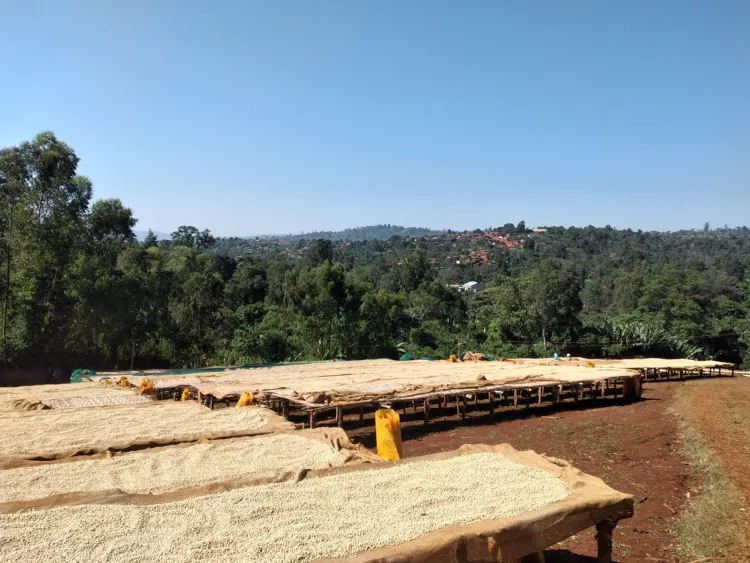
The processing of this washed G1 bean strictly follows traditional methods:
1. Hand-select fully ripe bright red coffee cherries;
2. After removing the pulp, the beans enter a 24–48 hour fermentation tank, where pectinase breakdown produces the base flavor compounds;
3. After washing off residual pectin with clean water, the beans are placed on African raised beds for 2–3 weeks of slow drying;
4. During drying, the beans must be turned 3–4 times daily and moisture content monitored, ultimately reaching the ideal value of 11–12%. This time-consuming processing method is precisely the key to its clean fruit aroma and delicate mouthfeel.
The choice of roast level reflects professional consideration—medium-light roasting (Agtron about 65–70) avoids excessive development and smoky notes while fully bringing out tropical flavors such as jasmine and lemongrass. Suggested pour-over parameters: 90–93°C water with a 1:15 coffee-to-water ratio, using a three-stage pouring method (first 30 ml bloom for 30 seconds, then add the remaining water in two pours). For cold brew, extend to 18–20 hours to intensify the blueberry-like fermented sweetness.

For quality traceability, consumers can verify the bean source through the roast date on the packaging (choose a fresh batch within 5 days) and the cooperative number. Premium washed Yirgacheffe green beans should show a blue-green luster with a defect rate below 3% (required by the G1 standard). For storage, keep away from light and moisture; after opening, store in an airtight canister with a one-way valve. The optimal flavor period is about 2–4 weeks after roasting.
The bean's versatility is worth noting: beyond standard pour-over, a French press highlights a fuller body, while a Clever Dripper makes it easy to control extraction evenness. For the cold brew version, adding a small amount of sea salt (about 0.5 g per liter of water) can balance excessive acidity. Compared with products from the same region using other processing methods, the washed version emphasizes cleanliness and layering, while the natural process brings a more intense berry explosion.
For coffee lovers just starting out, try the pour-over approach first: with a V60 dripper, use 15 g of coffee and a total of 225 ml water; after the first 30 ml bloom to activate the grounds, pour in a radial pattern from the center to 125 ml and pause, then slowly fill to the end in the final stage. Grind size should be equivalent to 75–80% passing a Chinese standard No. 20 sieve (about the fineness of granulated sugar), with total brew time around 2 minutes 10 seconds. For brighter acidity, try lowering the water temperature to 88°C and shortening the extraction time.
Professional baristas often remind us: the flavor expression of Yirgacheffe-type beans depends heavily on water quality. Ideal brewing water should have a mineral content of 50–150 ppm and a pH of 6.5–7.5. Those using municipal tap water should pre-treat it with a filter pitcher to prevent chlorine from destroying the floral and fruity aromas. When the storage environment exceeds 25°C, place unopened coffee beans in the refrigerator (sealed and protected from light), but be sure to bring them back to room temperature before grinding.


