Sumatra Wet-Hulled Mandheling: Flavor Analysis and Pour-Over Guide
Introduction: An in-depth analysis of the unique flavor characteristics of Sumatra wet-hulled Mandheling, from classic roasted notes to the fruit acidity of modern light roasts, takes you through the diverse appeal of this classic Indonesian bean. The article covers the classification of four major growing regions, a comparison of traditional and innovative roasting, and provides professional flavor descriptions and practical brewing advice to help you precisely grasp the essence of this coffee from the 'Spice Republic'.
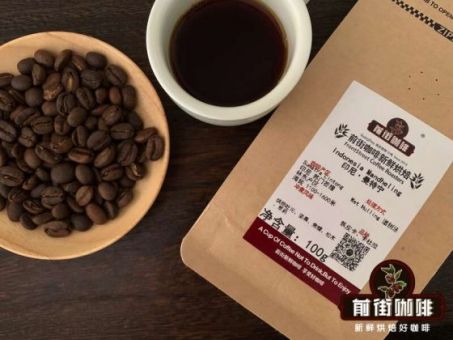
When it comes to Mandheling, many coffee lovers first think of that intense woody note and the charred bitterness brought by a dark roast. But in fact, this legendary coffee bean from Sumatra is far richer than the stereotype—when processed using the wet-hulled method and adjusted to a medium roast, it can surprisingly reveal a red berry acidity and a dark chocolate finish, with a texture as smooth as velvet.
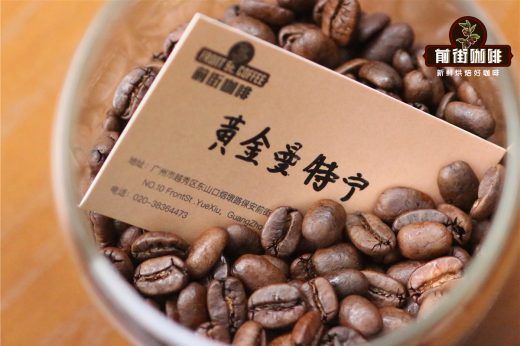
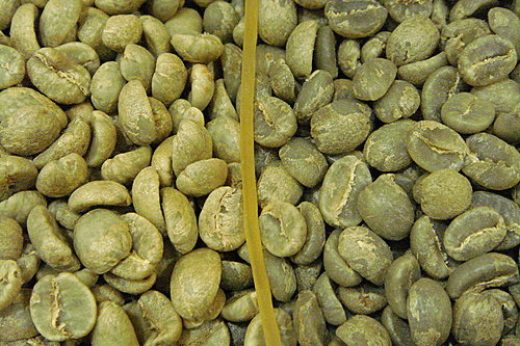
As one of the few coffee-producing regions in the world that can harvest year-round, Indonesia's specialty coffee system mainly revolves around the island of Sumatra. Coffee cultivation here can be divided into four typical types: the most representative Mandheling comes from around Lake Toba and the Lintong highlands (900-1200 meters above sea level) and is processed using the semi-washed or natural method; Golden Mandheling, which undergoes four rounds of hand sorting and has fuller beans, is a high-end sub-category; Tawahu coffee comes from Mount Gayo in the northernmost Aceh region (800-1600 meters above sea level), mainly using washed/semi-washed processes, and the area once received technical guidance from Hacienda La Minita; finally there is Aged Mandheling, suited to long-term storage—these old beans were often mistaken in the early import market for having a one-dimensional flavor.
In the past, consumers generally preferred dark-roasted Mandheling, because its strong roasting aroma could mask defects incurred during transport. But with the rise of the specialty coffee wave, medium roast (Agtron 55-65) has gradually become mainstream—this roast level preserves the herbal smoky note characteristic of the wet-hulled process while highlighting the balance between citrus acidity and brown sugar sweetness. It is worth noting that the wet-hulled process itself results in lower bean density, so when grinding one needs to go 10-15% finer than for ordinary Arabica beans to compensate for under-extraction.
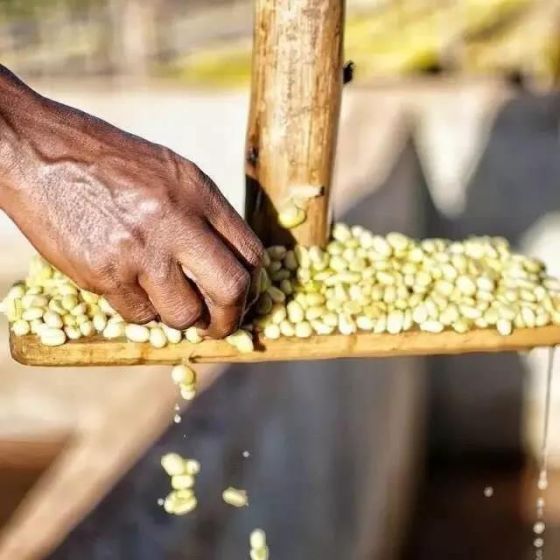
If Mandheling is compared with Jamaican Blue Mountain, the differences between the two are striking: the former is like the passionate exuberance of an Indonesian spice market, with a heavy body and a lingering spice finish, and an acidity that is soft yet layered; the latter is elegant like Darjeeling black tea, with a balanced bitter-sweet ratio, and after cooling develops a unique oolong tea aroma. Professional cupping data shows that although the acidity value (pH 5.0-5.2) of high-quality Mandheling is lower than that of African beans, its conversion products of citric and malic acid can bring a unique fermented fruit aroma.
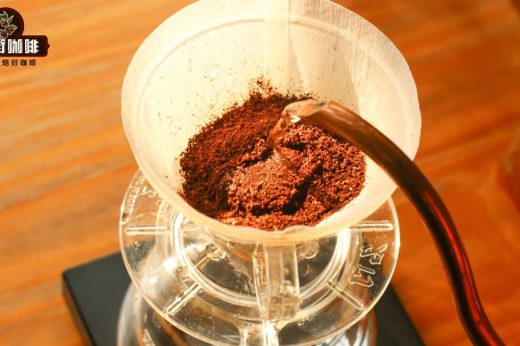
For home brewers, it is recommended to use a V60 dripper with a water temperature of 92-94°C, and when the coffee-to-water ratio is 1:15, control the pouring speed to finish in 2 minutes. Pay special attention to the fact that wet-hulled beans often carry regional flavors such as 'herbal earthiness', which first-time tasters may misjudge as a defect but which is in fact a signature characteristic of this variety. If you pursue bright fruit acidity, try extending the bloom time to 45 seconds; if you prefer the traditional full-bodied feel, shorten it to 30 seconds and grind coarser.