Golden Mandheling vs Wet-Hulled Mandheling: Hand-Brew Parameters and Flavor Comparison
Introduction: Golden Mandheling and ordinary Mandheling processed with the Sumatra wet-hulled method each have their own distinctive characteristics in origin, processing technique and flavor expression. This article will take you through coffee variety, processing method, roasting preferences, hand-brew parameters and flavor differences to give you a comprehensive understanding of the differences between these two classic Indonesian Mandhelings, and help you grasp the key points of selecting and brewing.
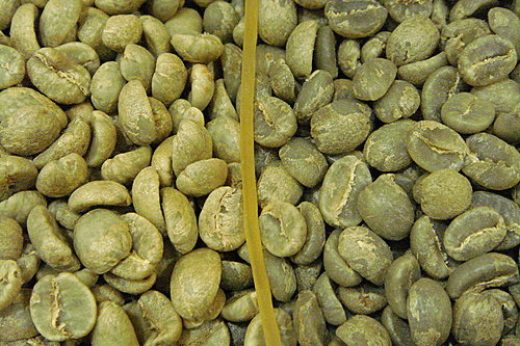
Golden Mandheling produced by the PWN company undergoes multiple rigorous selection processes, and its flavor is noticeably superior to ordinary commercially available Mandheling. Its earthy, off-flavors are greatly reduced, overall cleanliness is higher, and sweetness is more prominent, making it a favorite among many specialty coffee enthusiasts. Ordinary Sumatra Mandheling, on the other hand, often contains more defective beans and impurities, so roasters usually use medium-dark or dark roasts to bring out its rich, complex side.
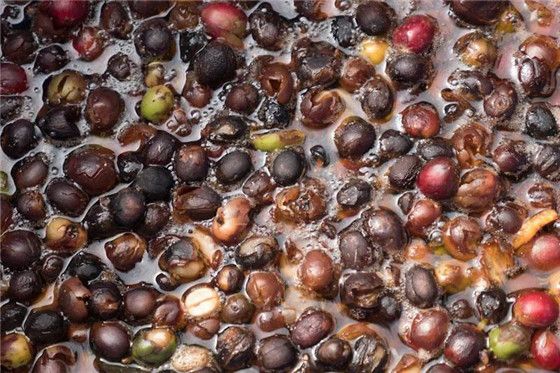
Sumatra Mandheling is the representative coffee of the Indonesian island of Sumatra, and is often simply called "Sumatra coffee." Its greatest characteristic is the use of the unique wet-hulled process, which is completely different from the washed or natural processes common in most producing regions around the world. This special processing method not only affects the appearance of the beans, but also shapes Mandheling's signature herbal, forest and agarwood notes.
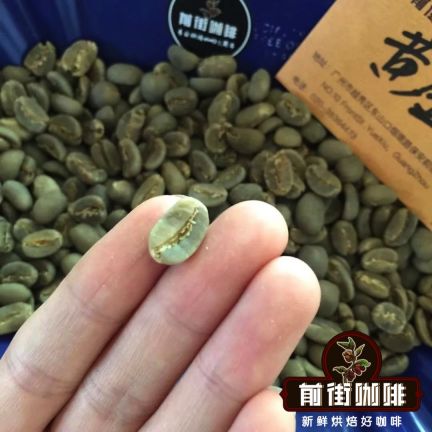
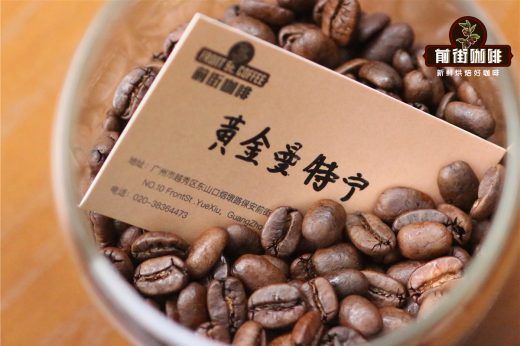
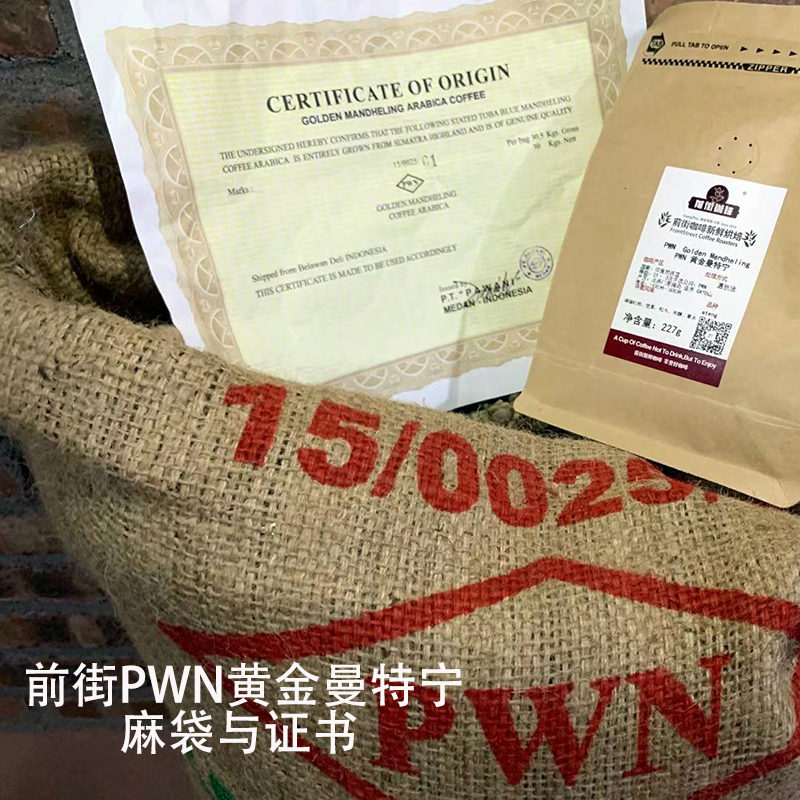
As the high-end representative of Mandheling, Golden Mandheling is generally considered by the market to be worthy of the name only when produced by the PWN company, but due to limited production, many Golden Mandhelings on the market advertised as "large-bean selected" are in fact not truly from PWN. If consumers want to confirm the identity of the beans, the most reliable way is to ask the supplier for the original PWN green coffee jute bags or accompanying certificates, to ensure that what is purchased is genuine.
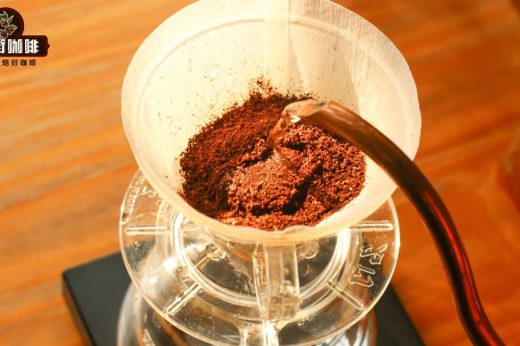
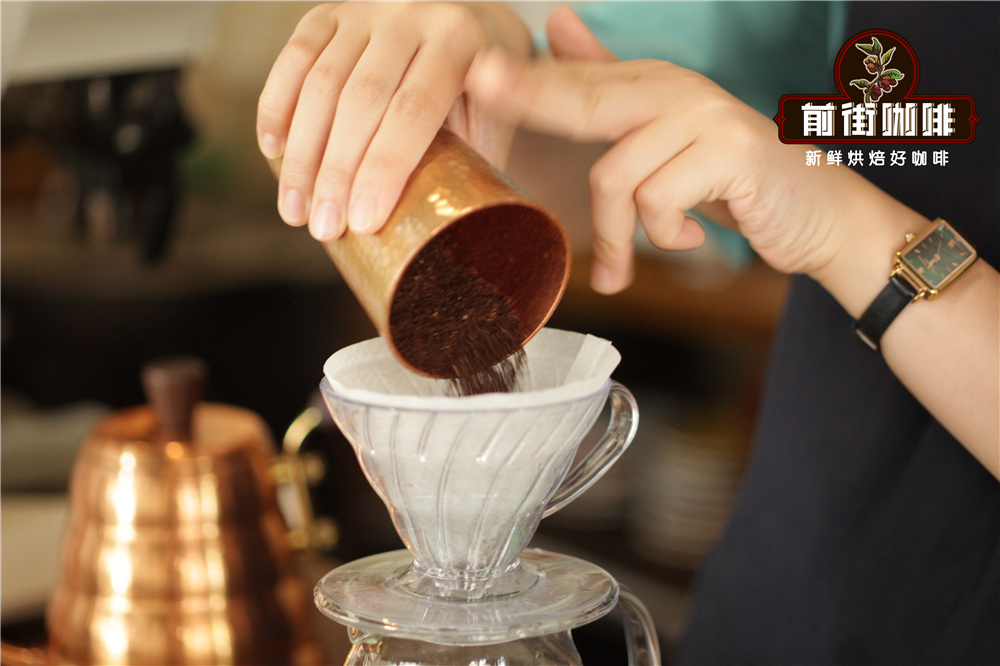
In terms of brewing, Golden Mandheling is best brewed with a stable and gentle technique, avoiding excessive disturbance of the coffee bed that would affect the bloom. When doing so, it is recommended to slowly pour in the coffee grounds and level them evenly, and try not to shake the dripper, so as to avoid compressing the gaps in the coffee bed and hindering the release of gases. In practice, you can first use 40 grams of water in a central circular pour to bloom for about 30 seconds, and after the coffee bed expands into a "hamburger" shape, gradually pour in more water to extract.
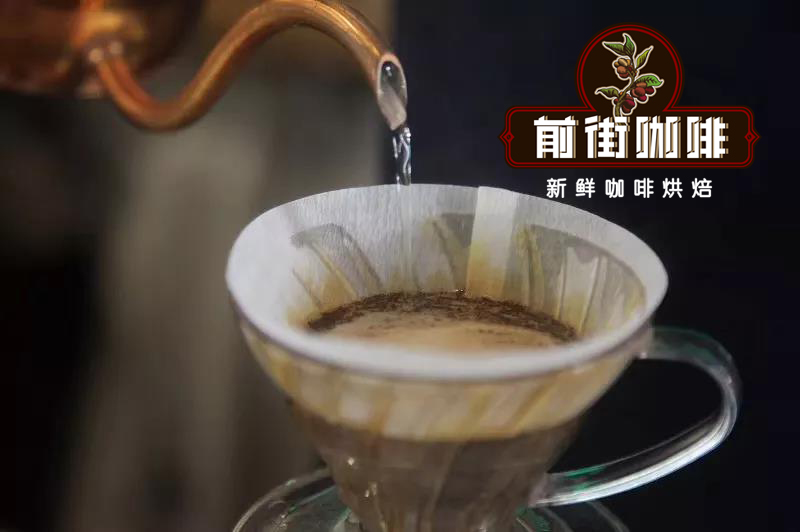
For specific parameters, you can refer to the following process: first stage, pour 40 grams of water and bloom for 30 seconds; then in the second stage, pour 120 grams of water in circular motions from the center outward, keeping the pour as close to the surface of the coffee bed as possible, with gentle movements to avoid vigorous agitation; finally, pour 100 grams of water in the last stage, and wait for all the coffee liquid to drip through to complete the extraction, with the total time recommended to be controlled at around 2 minutes. This staged pouring helps fully extract the flavor while avoiding the bitterness caused by over-extraction.
Regarding the choice of brewing equipment, many experienced brewers recommend using the Kono dripper, with a water temperature of 88°C, a coffee-to-water ratio of 1:15, and a medium-fine grind (70-75% passing through a No. 20 standard sieve in China). This combination of parameters can better showcase Golden Mandheling's layers of nut, dark chocolate and spice, while highlighting its mellow, smooth mouthfeel and caramel sweetness. Compared with ordinary Mandheling, Golden Mandheling has lower herbal, earthy and woody notes, is overall cleaner and brighter, and has a lasting nutty sweetness in the finish.
Sumatra wet-hulled Mandheling, because the outer layer of the coffee beans is quickly stripped during processing, has a more intense and impactful flavor, often with obvious herbal, woody and earthy notes, lower acidity, and high body, making it suitable for drinkers who like strong flavors and a full body. Golden Mandheling, through premium bean selection and fine processing, reduces the roughness of these "regional flavors," making the sweetness, spice notes and nutty flavors more balanced.
Whether you are pursuing a layered, mellow experience or prefer a clean, bright, sweet-toned profile, understanding the differences between these two types of Mandheling and their suitable brewing methods will help you better enjoy the unique charm of Sumatra coffee.