Golden Mandheling vs Aceh 19-Mesh Mandheling: Flavor Comparison and Pour-Over Guide
Introduction: This in-depth analysis examines Indonesia's two classic Mandheling coffees—PWN-certified Golden Mandheling and Aceh 19-mesh Mandheling—covering their flavor differences, origin characteristics and processing methods. From Lake Tawar in Sumatra to the Gayo highlands, it reveals how high-altitude growing environments influence flavor and provides professional pour-over recipes to help you capture each bean's unique character precisely.
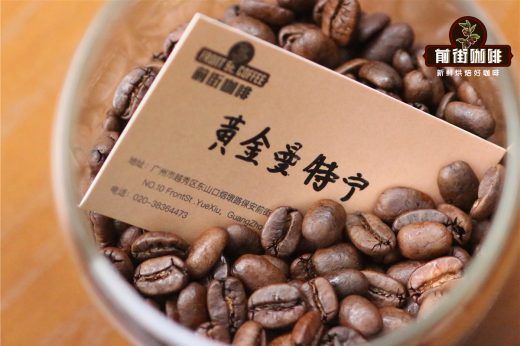
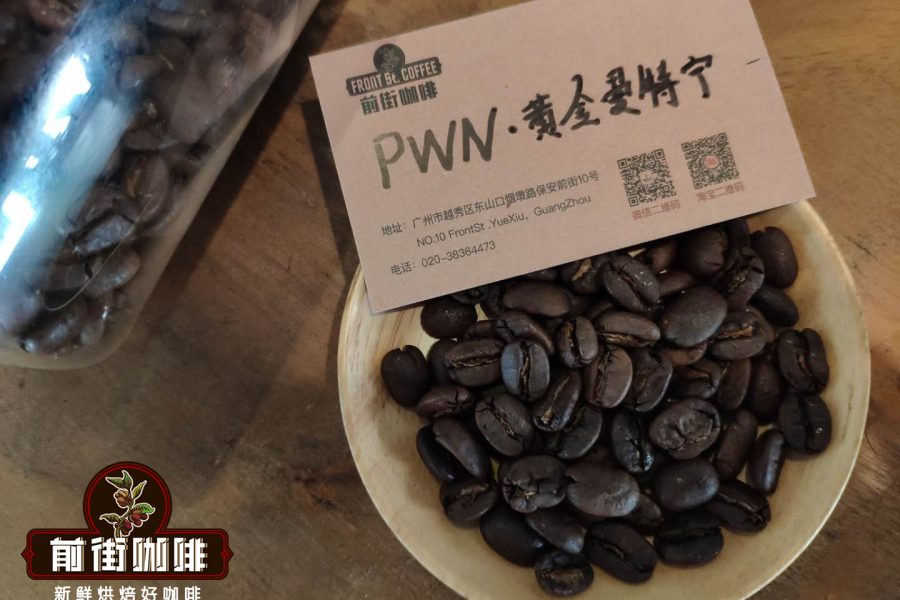
In Indonesia's specialty coffee system, the only truly officially certified "Golden Mandheling" refers to specific lots produced by the Indonesian company PWN. The strict standards set by this state-owned coffee trading company mean that most "Golden Mandheling" sold on the market is in fact imitation. But consumers need not be disappointed—19-mesh Mandheling from another Sumatran producing region, Aceh Province, is equally top quality and more cost-effective.
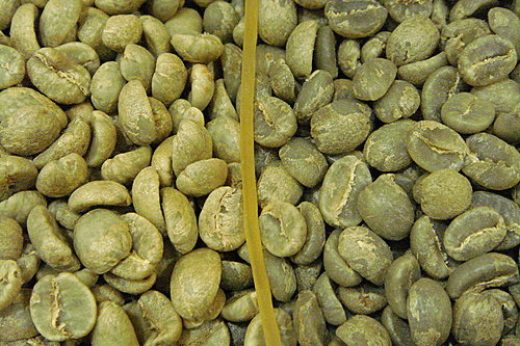
Among Sumatra's three major coffee-producing regions, Sumatra Island, with its unique wet-hulling method and high-altitude environment, produces the world's most renowned Mandheling coffee.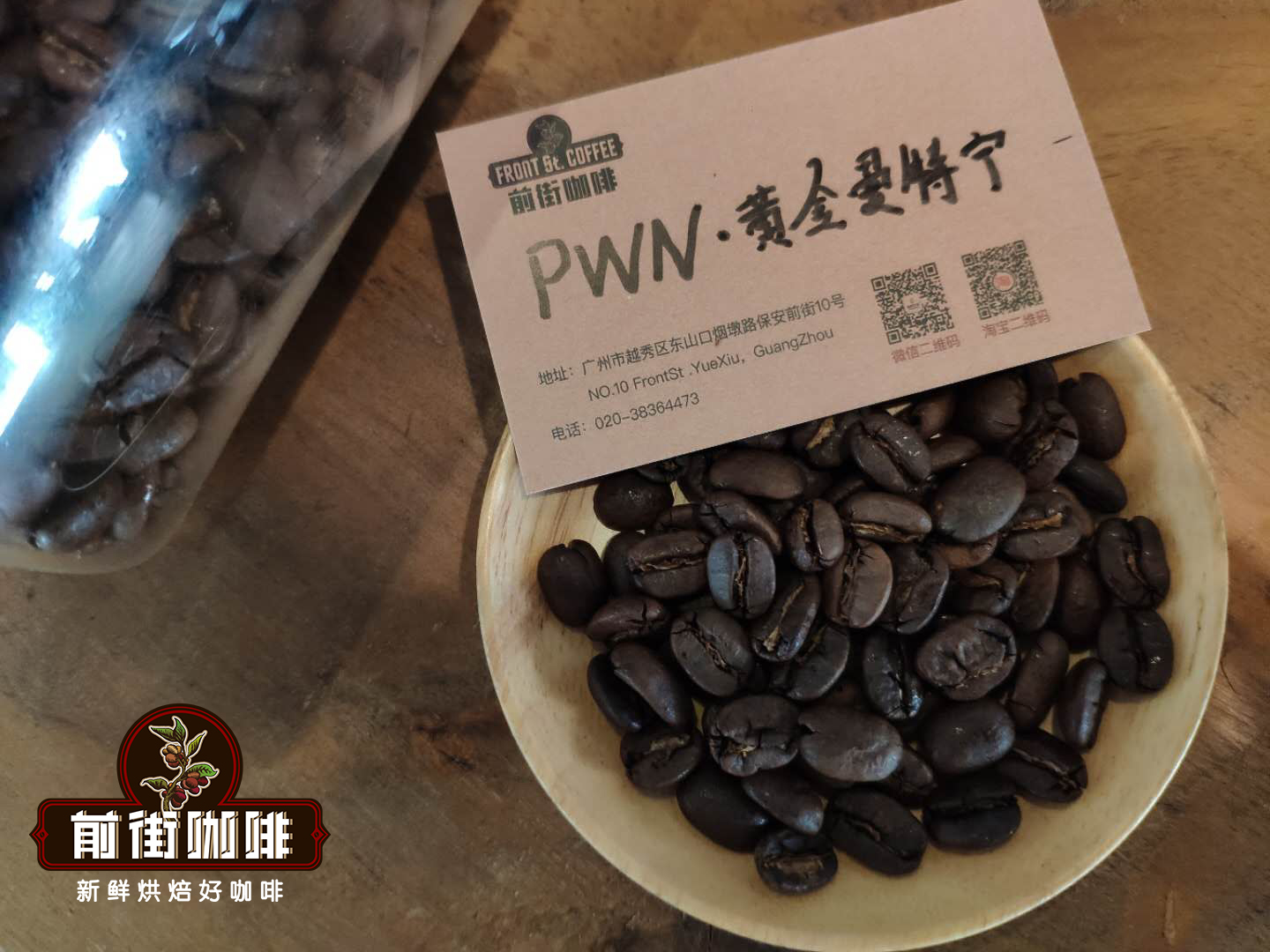 Ninety percent of the island's Arabica beans use a combined sun-drying and wet-hulling process, giving the coffee its full body and low acidity. The Golden Mandheling grown around Lake Tawar, because it grows in volcanic soil areas above 1,500 meters and undergoes PWN's four-stage manual sorting (including four rounds of color sorting and defect removal), ultimately presents dark green, glossy beans with a defect rate strictly controlled within 3/300g.
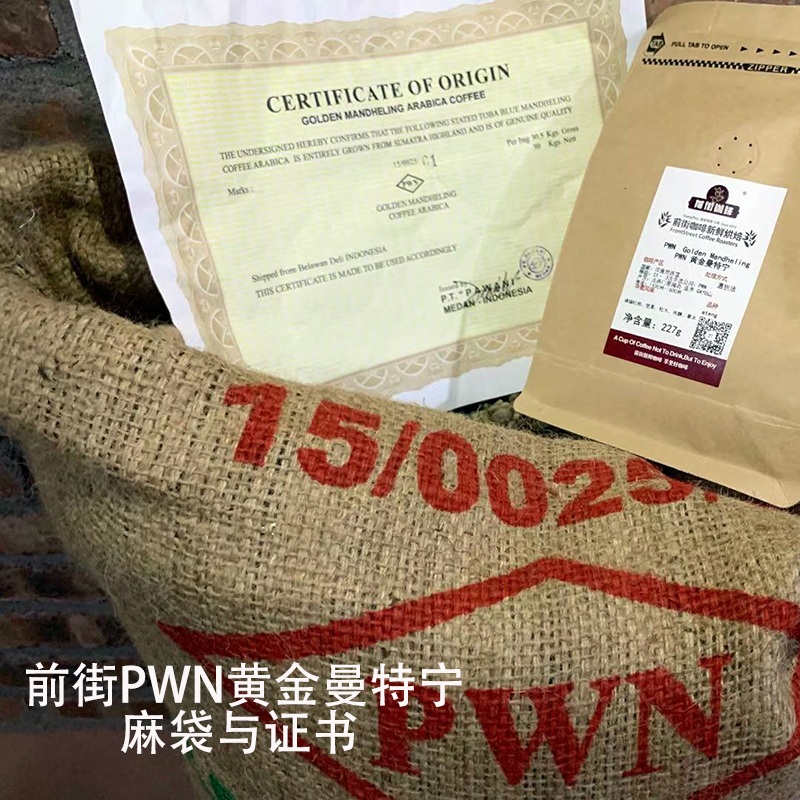 Golden Mandheling's core competitiveness lies in its standardized processing flow: whole beans of 18 mesh and above account for over 95%, and after density sorting the green beans are sun-dried to a moisture content of 11%–12%, ultimately forming its signature nutty character. It is worth noting that the trademark actually belongs to the Indonesian company PWN, while "Gold Top Mandheling," registered by a Japanese importer, though similar in flavor, is positioned more toward the high-end gift market. The two differ only slightly in sweetness and cleanliness, and it is recommended to highlight their respective characteristics through adjustments to brewing parameters.
Turning to the 19-mesh Mandheling from the Gayo highlands of Aceh Province, 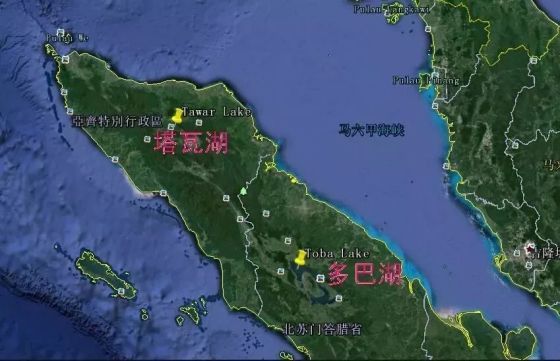 the altitude of 1,110–1,300 meters here and the dual water sources of Lake Toba and Lake Tawar create a brighter citrus acidity. This region uses traditional shade growing, the coffee cherries' ripening period extends to 22 weeks, and the mucilage layer is retained more completely. During wet hulling about 30% of the mucilage is retained for a second fermentation, giving the finished product a unique blueberry finish. Compared with Golden Mandheling's heavy brown-sugar feel, the Aceh beans emphasize a layered transition of black tea and honey.
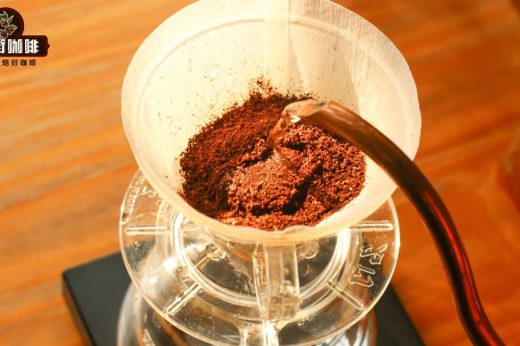
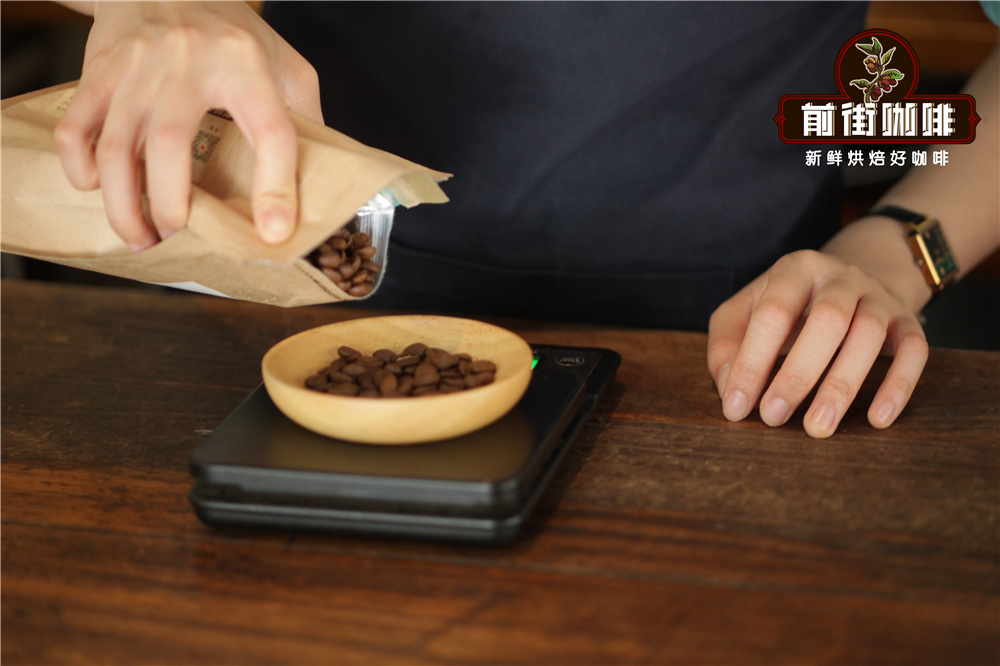 Pour-over recommendations for these two beans: when using a Hario V60 dripper, Golden Mandheling is best with 88°C water and a Fuji Royal 4 setting grind (equivalent to 75% passing a Chinese standard No. 20 sieve), using a 1:15 coffee-to-water ratio for a three-stage extraction—25g of water for a 30-second bloom, then pour in stages until 120g, and finally slowly pour to a total of 225g. These parameters effectively balance its body and citrus finish. The Aceh 19-mesh beans can use a lower water temperature of 86°C and a medium-fine grind (80% passing a Chinese standard No. 20 sieve), extending the interval before the second pour until the coffee bed is one-third remaining, which better highlights their floral and fruity aroma.
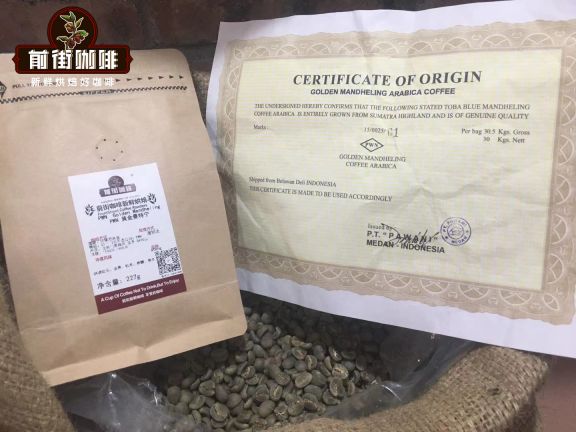 Professional roasters remind buyers that when selecting Mandheling, note: genuine G1-grade Golden Mandheling packaging must bear the PWN embossed code, while premium beans from the Aceh region should have uniformly plump green beans with no signs of mechanical damage. If excessive astringency occurs during brewing, it usually comes from grinding too fine or an extraction time exceeding 2 minutes 30 seconds. For storage, unopened foil bags of beans are best kept in a light-free environment at 10–15°C, with the optimal flavor period being 14–21 days after roasting.