Indonesian Mandheling Grading Standards and Wet Hulling Explained
Introduction: An in-depth look at the official grading system and unique wet-hulling process for Indonesian Mandheling coffee beans, covering the key factors that shape quality, from growing altitude and defect rates to cupping flavors. This article breaks down the three main Mandheling grading standards, reveals how wet hulling creates the signature earthy and woody aromas, and includes tips for identifying processing defects to help you choose high-quality beans suited to pour-over.
Coffee-growing regions around the world use different green bean grading systems. As a representative variety from Southeast Asia, Indonesian Mandheling combines three dimensions in its grading logic: appearance, environment, and flavor. Understanding these standards not only helps consumers distinguish quality tiers but also sheds light on the regional origins of coffee flavor.
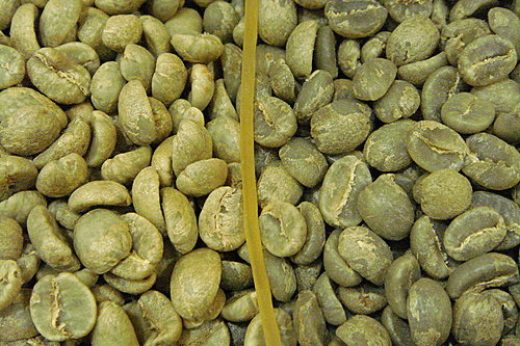
[Appearance-based grading] Screening is first based on the physical characteristics of green beans, with a focus on bean uniformity, geometric integrity, and the proportion of defective beans. High-quality Mandheling usually requires plump beans with a blue-green hue, screen sizes mostly 18 and above (about 8 mm in diameter), and a defect count strictly controlled at 11-15 per kilogram (decreasing according to the G1-G4 grades).
[Environmental factor grading] Growing altitude and green bean hardness are key indicators. Beans from high-altitude areas (1,200-1,500 meters) are denser and have thicker cell walls; these beans are usually classified as higher grades. The area around Lake Toba on the Indonesian island of Sumatra, with its volcanic soil and stable climate, is a core producing region for top-tier Mandheling.
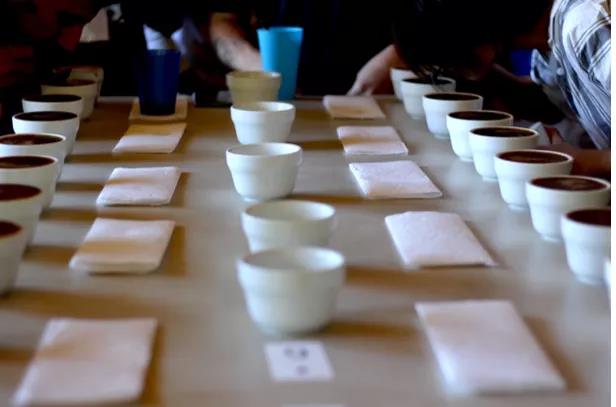
[Sensory cupping grading] A professional panel evaluates acidity, sweetness, body, and aftertaste using the flavor wheel. High-quality Mandheling should show clear nutty notes, a low-acid balance, and a lasting dark chocolate finish; beans graded level three and above must meet a baseline body score of ≥7 points (on a 10-point scale).
Indonesia's unique wet-hulling process completely changes the physical characteristics and flavor direction of coffee beans. The technique stems from the local environment's extremely high humidity of 70%-90% annually—the rainy season lasts up to 8 months, and in some areas annual rainfall exceeds 2,000 mm, making traditional sun-drying extremely inefficient. Compared with the 2-3 week drying cycle of conventional washed processing, wet hulling removes part of the protective layer early, compressing drying time to 5-7 days.
The complete process includes seven key steps: first, remove the outer skin and pulp of the coffee fruit, keeping the mucilage and parchment layer for 24-36 hours of anaerobic fermentation in a water tank; then rinse with clean water to remove the mucilage, and place the parchment-covered beans on light-permeable racks for 2-3 days of temperature-controlled drying (target moisture content 20%-24%); at this point, decisively hull off the semi-dry parchment layer to accelerate evaporation of internal moisture down to the safe threshold of 12%-13%. Notably, hulling usually begins when moisture content is still as high as 20%, and this unconventional practice leaves the bean structure unusually fragile.
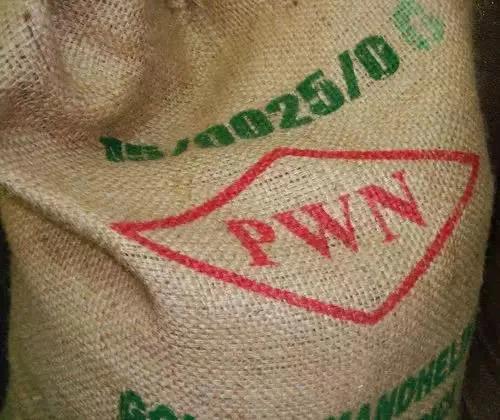
The special processing stage of wet hulling easily leads to two typical defects: first, the adhesion between the semi-dry parchment and the green bean means the huller must apply greater mechanical pressure, causing mechanical damage to the bean surface that forms distinctive "hoof-shaped notches" (known locally in Indonesia as kuku kambing); second, the rapid dehydration process triggers localized mold reactions, giving Sumatran coffee its signature "earthy-spice compound aroma." Modern improved processes have successfully softened the original rough, earthy notes, instead strengthening the layered balance of cedar wood aroma, smokiness, and gentle fruit acidity.
Professional processing plants generally follow a three-tier defect control system: primary DP (Double Picking) manual sorting removes black beans, insect-damaged beans, and other obvious defects; advanced TP (Triple Picking) uses magnifying-glass-assisted inspection and can reduce defect rates to below 3%; top micro-lot products even introduce optical sorters for a fourth round of screening. When buying, consumers should prioritize Mandheling labeled TP grade or carrying "Fair Trade" certification; its cupping consistency is usually more than 20% higher than ordinary lots.
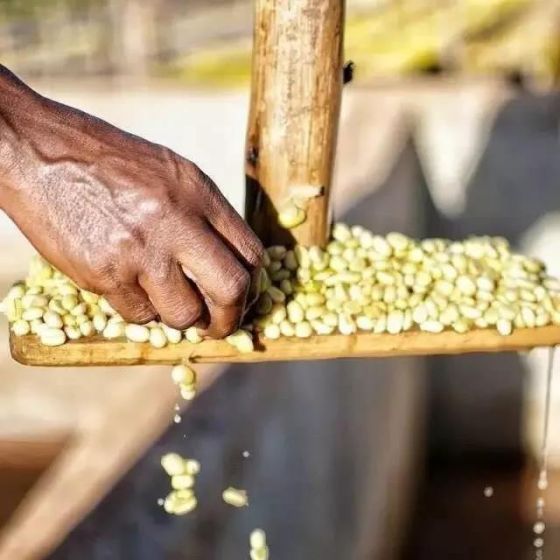
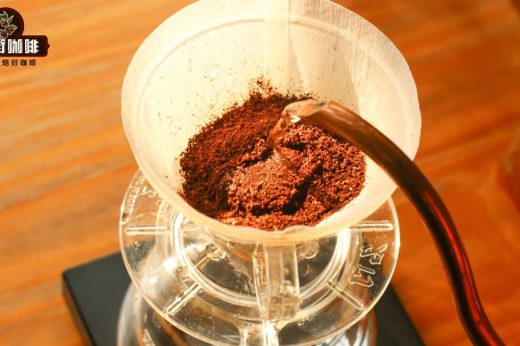
For pour-over enthusiasts, we recommend Mandheling beans graded G1 with a defect rate below 5%, paired with a medium grind (70% passing a Chinese standard No. 20 sieve) and a medium-fine pour (88-92°C water, 1:15 coffee-to-water ratio). Watch whether an even white bloom is released during the blooming phase—this is an important indicator of green bean freshness. For storage, be sure to use foil bags with one-way degassing valves, keep them away from light in a constant 18-22°C environment, and note that the best flavor window falls between days 10 and 25 after roasting.