Brazilian Coffee Flavor Guide: Blends vs. Single Origin with Roasting Tips
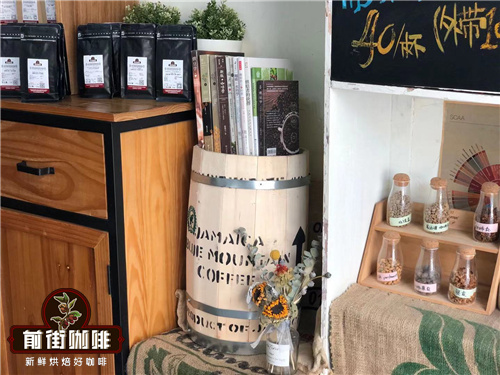
Introduction: Want to know why Brazilian coffee beans are the backbone of blends? What is the essential difference between single origin and blended coffee? This article analyzes the flavor characteristics of Brazilian coffee in depth, compares the production logic of the two types of coffee, and offers professional roasting advice and brewing plans to help you choose based on your taste preferences.
In contemporary urban life, coffee has become an essential drink for many office workers to start their day, and its popularity has surpassed traditional milk tea. From Americanos in office buildings for a caffeine boost to creative specialty drinks in boutique cafés, the prosperity of the coffee market has spawned numerous entrepreneurial opportunities. As the world's largest coffee-producing country, Brazil occupies an important position in the industry supply chain thanks to the stable quality and unique flavor characteristics of its coffee beans. So what flavor characteristics does this market-dominant Brazilian coffee actually present? Why is it particularly suitable for blended coffee production? We will explain systematically from origin environment and flavor expression to application scenarios.
Brazil is located in eastern South America, spanning tropical and subtropical climate zones. The north is covered by tropical rainforest with year-round high temperatures and humidity, while the central plateau and southern regions form a typical tropical savanna climate; this diverse geographical environment provides ideal conditions for coffee cultivation. As a former Portuguese colony, Brazil began large-scale coffee cultivation in the 18th century to meet European market demand, and after centuries of development it has now formed a complete industry chain system—from cultivation and harvesting to processing, all highly specialized. Today Brazil not only maintains the record for the world's largest coffee production (about 30%–40% of total world output), but its mixed cultivation model of Arabica and Robusta varieties also supplies a rich raw material base to the global coffee market.
Typical Brazilian coffee presents a unique sense of balance in sensory experience: low and gentle acidity; on entry, one first perceives mild nutty tones and moderate sweetness, accompanied by faint chocolate and caramel aromas. Compared with the distinct fruity acidity of African or Central American coffees, Brazilian beans emphasize a rich, smooth body and lasting sweetness, with a finish that often carries a faint herbal note. This neutral, mild flavor profile makes it an ideal base for espresso, especially in milk coffees such as lattes and cappuccinos, where it complements the sweetness of milk well. Notably, Brazilian coffee is highly adaptable to roast level—medium roast can highlight nutty and chocolate flavors, while dark roast can enhance caramelized sweetness, but over-roasting should be avoided to prevent smoky off-flavors.
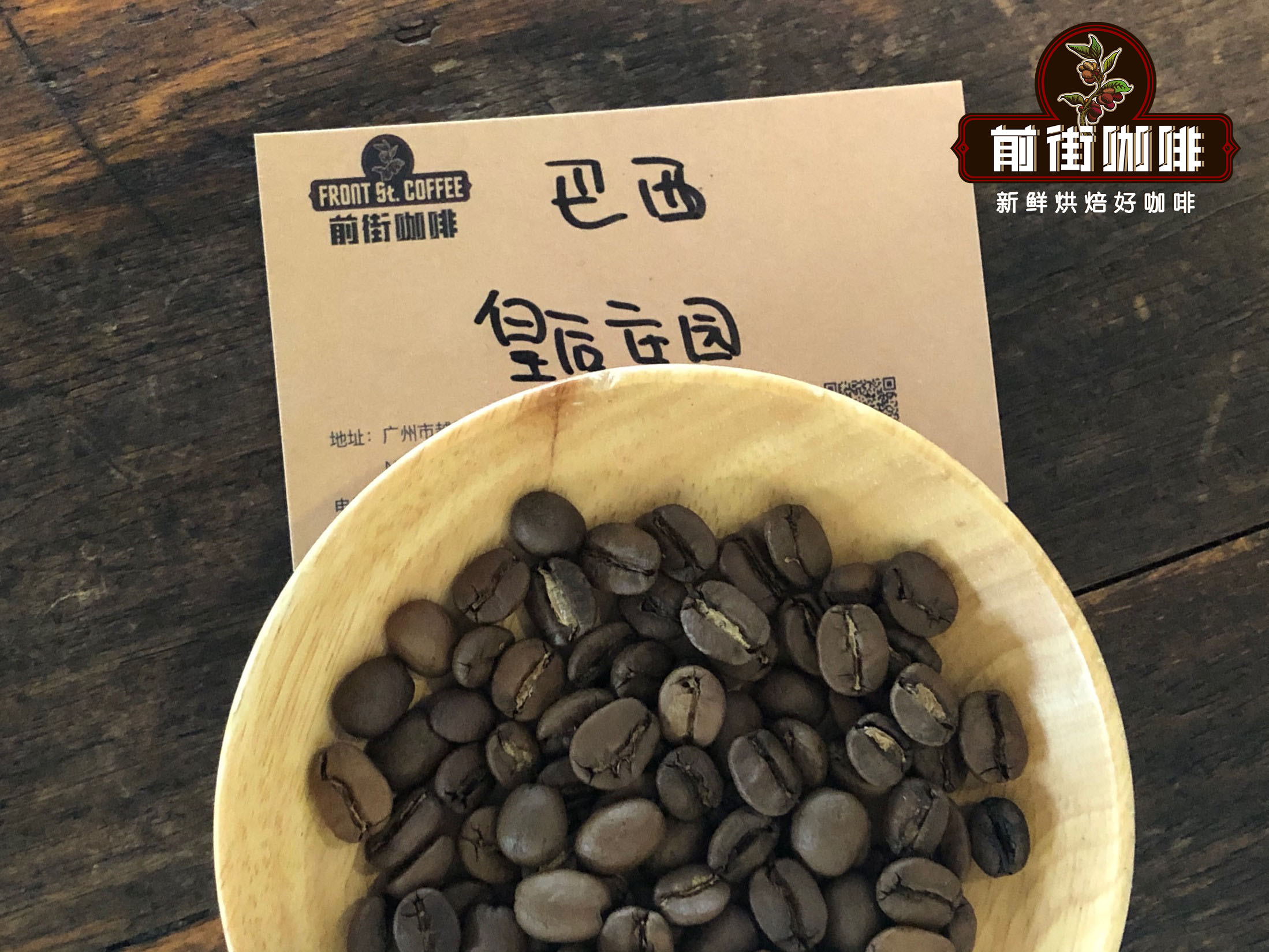
The term "single origin" refers specifically to coffee beans from a single region, estate, or even a specific processing lot. This concept originates from the emphasis on terroir traceability in the specialty coffee movement; consumers can directly perceive the unique character that a specific geographical environment gives to coffee through tasting. Common naming methods include levels such as country (e.g., Ethiopia), region (e.g., Huila, Colombia), and estate (e.g., Jamaica Blue Mountain); some special processing methods (such as natural and honey processing) also affect the final flavor presentation. In contrast, blended coffee is made by scientifically proportioning 2–4 kinds of coffee beans from different regions, with the roaster adjusting the proportion of each variety according to a target flavor model. For example, to obtain a balanced sweet-sour-bitter structure, high-acidity African beans are often blended with full-bodied South American beans; for milk coffee applications, combinations of low-acidity, high-body varieties are favored.
In commercial coffee settings, about 75% of milk-based drinks (such as lattes and flat whites) actually use custom blend beans. Professional roasters usually adopt a multi-stage roasting process: first, green beans from different regions are roasted separately to medium level to preserve their original characteristics, and then the overall flavor direction is adjusted through precise blending ratios. This approach ensures the coffee's basic body while compensating for the shortcomings of a single variety through complementary effects. For example, Brazilian beans are often used as a blend base because their stable neutral flavor coexists harmoniously with various bean types, while a small addition of Ethiopian beans can contribute bright citrus acidity.
The debate over the pros and cons of single origin versus blends centers on drinking scenarios and personal preference. Coffee lovers pursuing terroir characteristics are advised to choose filter brewing methods such as pour-over (90–94°C water temperature, 1:15–1:18 coffee-to-water ratio) or
In summary, Brazilian coffee, with its balanced flavor structure and broad applicability, remains an important cornerstone of the global coffee supply chain. Whether experiencing its mild, mellow true flavor as a single origin or appreciating the craftsmanship of blend creations, the key is to choose the appropriate processing method and brewing parameters according to your own taste needs. Remember: the best coffee is always the cup you truly enjoy.


