When Does Pour-Over Extraction Time Start—and Why Not Brew Twice?

Introduction: Learn when pour-over extraction time starts and ends, and how to hit the best flavor window. This also explains why coffee beans usually aren't recommended for a second extraction, exploring the science of coffee grounds' composition and flavor release to help you avoid common extraction pitfalls and improve your coffee-tasting experience.
When making pour-over coffee, many coffee enthusiasts pay attention to key parameters such as extraction time, water-to-coffee ratio, and water temperature, as these factors directly affect the final flavor of the coffee. But many people may not be clear about exactly when extraction time begins counting, and why coffee is usually extracted only once and can't be brewed repeatedly like tea. Today we'll take an in-depth look at these questions.
1. When should pour-over coffee extraction time start counting?
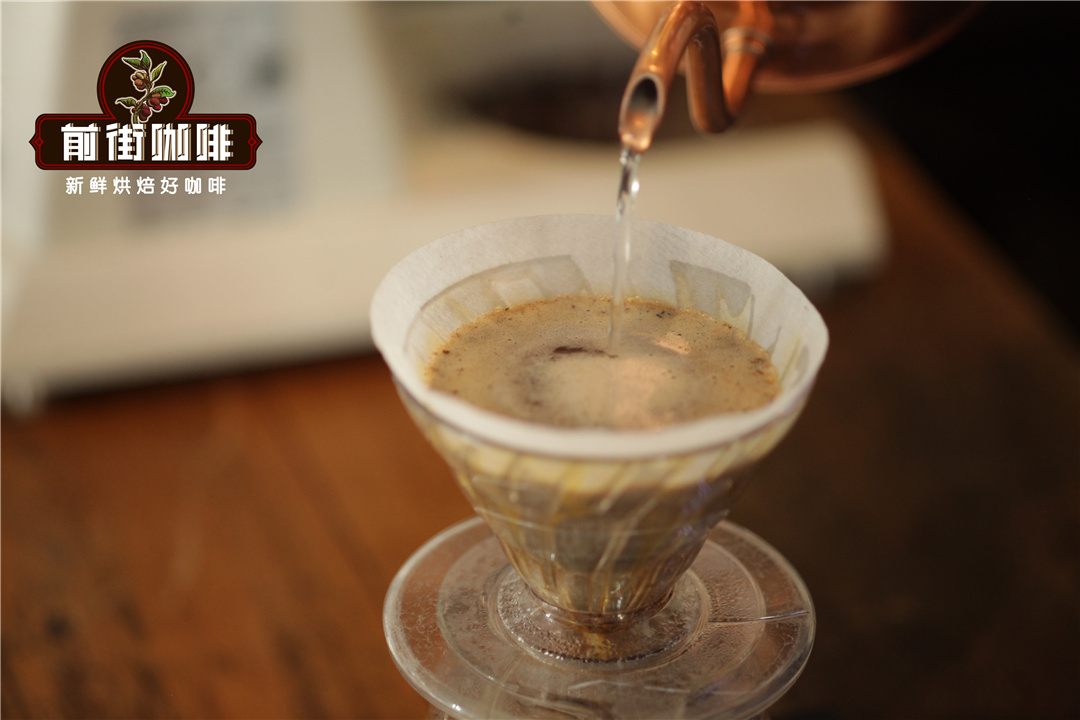
Generally speaking, pour-over coffee extraction time is counted from the moment the first drop of hot water touches the coffee grounds, usually the instant pouring begins. This point marks the formal contact between coffee grounds and water, when flavor compounds begin to dissolve. Many baristas habitually treat "blooming" as the starting point of extraction—that is, pouring water to wet the grounds and then waiting about 30 seconds—which is actually also the prelude to extraction.
A complete pour-over extraction process usually includes multiple pouring stages. For example, the common three-pour method: the first step is blooming for about 30 seconds, then the second pour continues until about 1 minute 25 seconds, and the third pour extends to around 2 minutes 25 seconds, after which the dripper is removed to end the entire extraction process. This time range can be flexibly adjusted according to the specific coffee beans used, grind size, and personal taste preference.
2. How does coffee flavor change over time?
During extraction, the first 20% of the extracted liquid often dissolves about 80% of the key flavor compounds, including acidity, sweetness, and aroma—this is the important stage that determines the overall flavor foundation of the coffee. As extraction time lengthens, the later liquid releases more of the coffee beans' woody fiber components, which easily bring bitterness, astringency, and off-flavors that affect the overall balance of the cup.
When extraction exceeds a certain time—for example, after aromatic compounds have been extracted beyond 22%—the coffee's flavor tends to decline. If extraction continues to over 30%, unpleasant bitterness, sourness, saltiness, and astringency easily appear, even accompanied by a throat-catching discomfort. Therefore, precisely controlling extraction duration is an important technique for ensuring pure, layered coffee flavor.
3. Why is a second extraction usually not recommended for coffee?
The physical and chemical composition of coffee beans differs greatly from that of tea leaves. A roasted coffee bean consists of roughly 30% soluble aromatic compounds and 70% woody fiber. During extraction, not all soluble substances bring a good flavor experience; an extraction yield of 18%–22% is generally considered the ideal range, and coffee within this range usually has a balanced mouthfeel and clear flavor.
If the first extraction isn't thorough enough, in theory some solubles remain in the spent grounds, and a second extraction can indeed pull out some residual flavor—but these substances are mostly impurities, excess bitterness, and woody fiber, making it hard to reach an ideal flavor state. Unlike tea leaves, which can release different layers of taste through multiple infusions, coffee's flavor compounds are released mainly in the early stage, while the later stage mostly dissolves undesirable impurities.
To use a simple analogy, it's like making soy milk: no matter how much you steep the okara afterward, it's hard to get something delicious. Similarly, after the first extraction, most of what remains in the coffee grounds is insoluble fiber, and pouring water again makes it hard to achieve a satisfying taste.
4. Special cases: is a second extraction really completely impossible?
Although a second extraction is generally not recommended, with proper operation and specific equipment such as the AeroPress, it is indeed possible to achieve two relatively balanced extractions to some extent. By adjusting pressure, water temperature, and steeping time, such devices may extract a second brew with fairly harmonious flavor from the same coffee grounds, but overall its flavor intensity and complexity are far inferior to the first extraction.
In addition, attempts at second extraction are better suited to exploring the limits of coffee flavor or making the most of coffee grounds in resource-limited settings. But for everyday brewing that pursues flavor quality, it's still advisable to focus on one high-quality extraction to get the best drinking experience.
In summary, pour-over coffee extraction time should be counted from the moment water touches the coffee grounds, focusing on the early flavor-release window and reasonably controlling the total duration to obtain the best taste. And because of their material composition, coffee beans are generally not recommended for a second extraction, to avoid compromising the overall flavor experience. Mastering these basic principles helps you make wiser choices in your daily coffee making.


